



Sparkling wine
Sparkling wine is wine with carbon dioxide, created during a second fermentation in the bottle or in a tank. Champagne is the best known, but cava, prosecco and crémant are just as sparkling. Here you'll learn how they differ, what brut means and which glass to choose.


The four major sparkling wines
Almost every sparkling wine in the shop falls into one of these four categories. We have a dedicated page for each.
Champagne
Only from the Champagne region, made from chardonnay, pinot noir and pinot meunier.
About Champagne →
Cava
The Spanish sparkling wine, mainly from Catalonia, made from macabeo, xarel·lo and parellada.
About Cava →

Bubbles from a second fermentation
Sparkling wine starts as ordinary, still wine. It then undergoes a second fermentation: the winemaker adds some sugar and yeast, and the yeast turns it into alcohol and carbon dioxide. If this happens in a sealed space, the carbon dioxide cannot escape and dissolves into the wine. As soon as you open the bottle, the bubbles are released. Sparkling wine is the collective term; Champagne, cava, prosecco and crémant are types of sparkling wine from specific regions, each with their own rules.
The biggest difference is where the second fermentation takes place. With the traditional method, it happens in the bottle itself, after which the wine ages for a while on the lees. This creates fine bubbles and notes of brioche and toast. Champagne, cava, crémant and South Africa's méthode cap classique are made this way. With the tank method, the wine ferments in a large, sealed tank and is bottled afterward. This keeps the wine fresh and fruity, and most prosecco is made this way. A pét-nat (pétillant naturel) is bottled while the first fermentation is still in progress, creating a soft, natural fizz. The label also indicates how dry the wine is, from brut nature (almost no sugar), through brut and extra dry, to demi-sec and doux (sweet).
In brief
Twenty bottles, from champagne to 0%
Gall & Gall has nearly 300 sparkling wines. We have grouped them by type, because the region and method determine the taste of the bubbles more than the brand does.
Champagne. Only from the Champagne region in France, with a second fermentation in the bottle and long aging on the lees.
De Saint-Gall Le Tradition Premier Cru
From a cooperative of more than 2,000 grape growers. A fine balance between complexity and elegance.

De Saint-Gall Rosé Premier Cru
Chardonnay, with 16% red wine made from pinot noir for color.
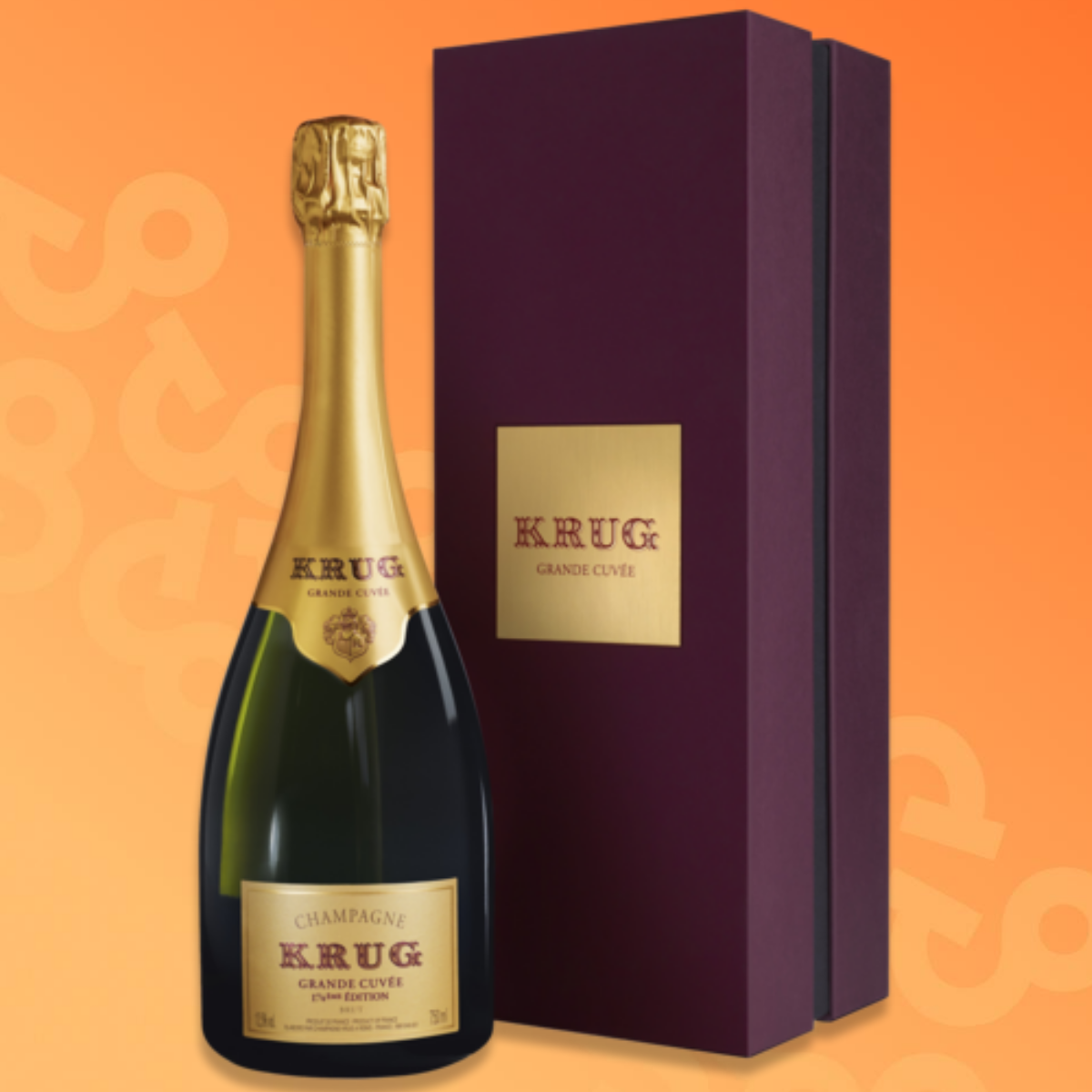
Krug Grande Cuvée 174
Powerful, with depth and structure. Pinot noir takes center stage, with a substantial proportion of pinot meunier.
Piper-Heidsieck Rare 2012
70% chardonnay and 30% pinot noir. Mango, tropical fruit, dried apricot, and honey.
Crémant and other traditional sparkling wines. Made in the same way as champagne, but from other regions.
Charles de Fère Crémant de Bourgogne
Made from pinot noir and chardonnay. Smooth, with a fresh finish of green apple.
Kuehn Crémant d'Alsace Prestige
Sparkling pinot blanc. White flowers, yellow apple, and ripe pear.
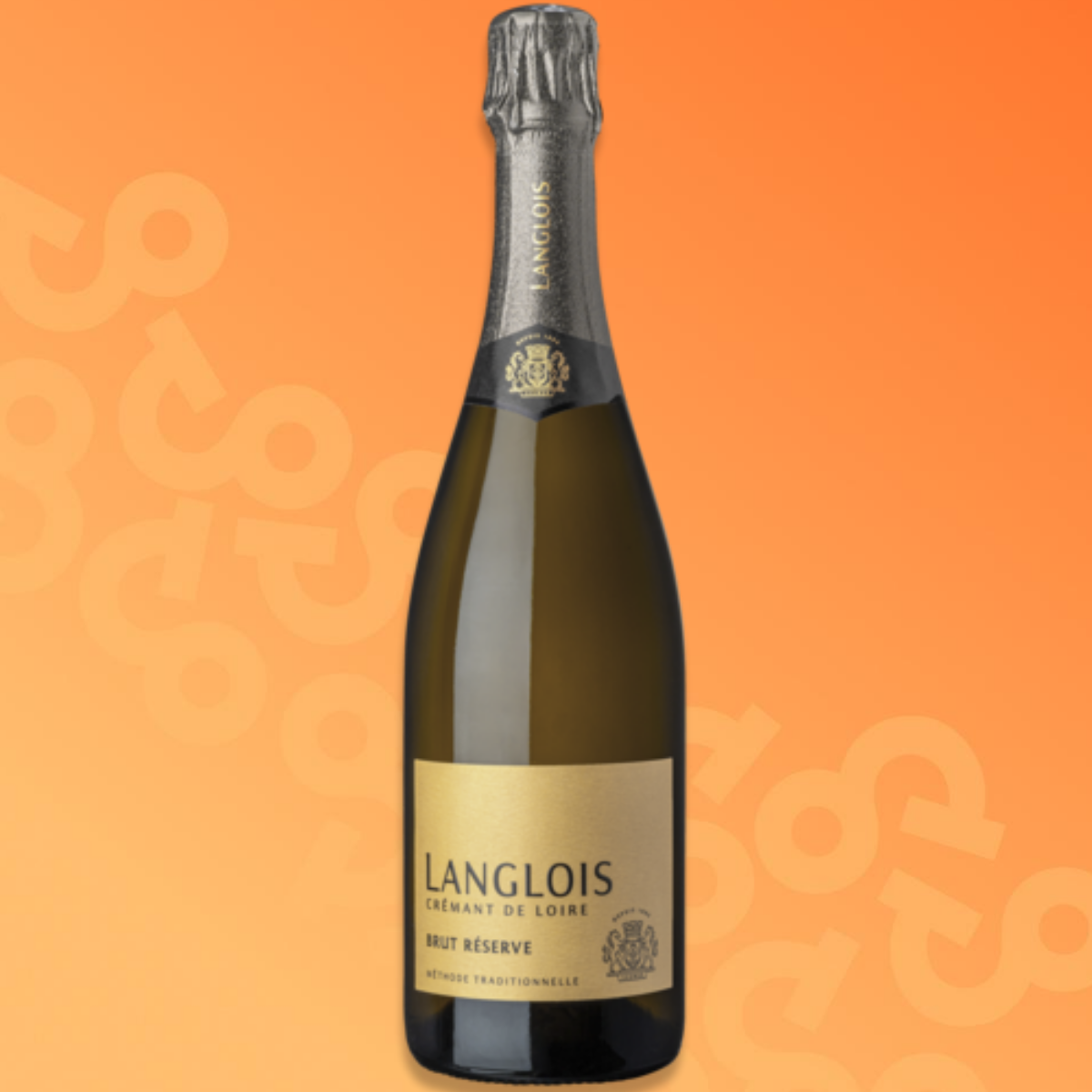
Langlois-Chateau Brut
Fresh and fruity, with a sparkling pale yellow color and a long finish.
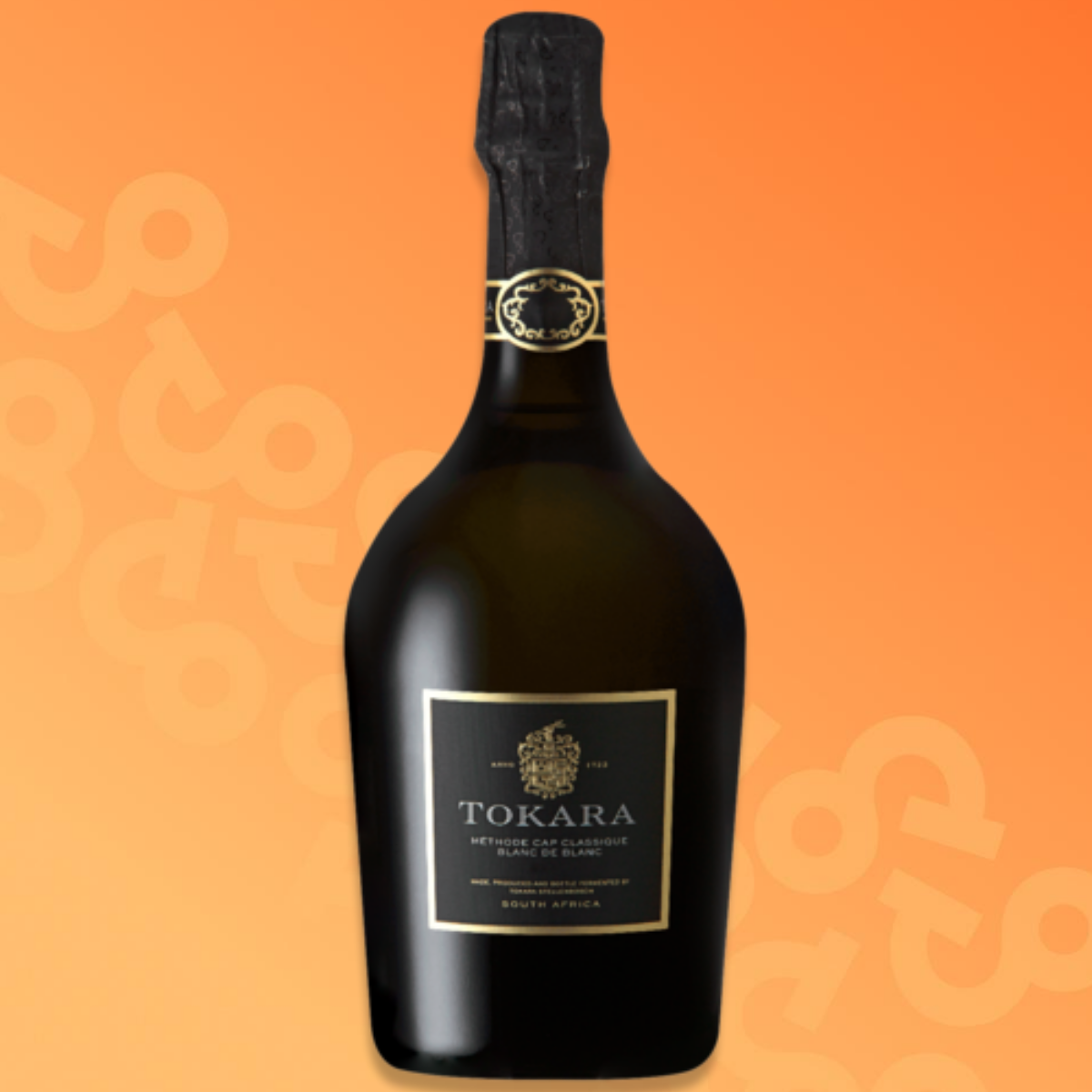
Tokara Blanc de Blancs
Méthode cap classique made from chardonnay only. This is what the traditional method is called in South Africa.
Cava and Spanish sparkling wines. Also made with a second fermentation in the bottle, but from Spanish grapes.
Las Dalias Cava Brut
Macabeo, xarel·lo, and parellada. Refined, with yellow apple, peach, and lemon.

Privat Cava Brut Reserva
Long-aged cava with peach, lime, and toasted bread.

Privat Cava Rosé Brut Nature
Salmon-pink cava made from pinot noir and chardonnay. Strawberry, grapefruit and brioche.

Cune Sparkling
Also with a second fermentation in the bottle. Toasted bread, citrus and peach.
Prosecco and Italian bubbles. Usually made using the tank method: fruity, soft and light.
Zonin Prosecco Brut
Festive and fruity, with pear, melon and lime.

Ca' Marina Prosecco Superiore
From prosecco's most important subregion. Green apple, lime and a touch of creaminess.
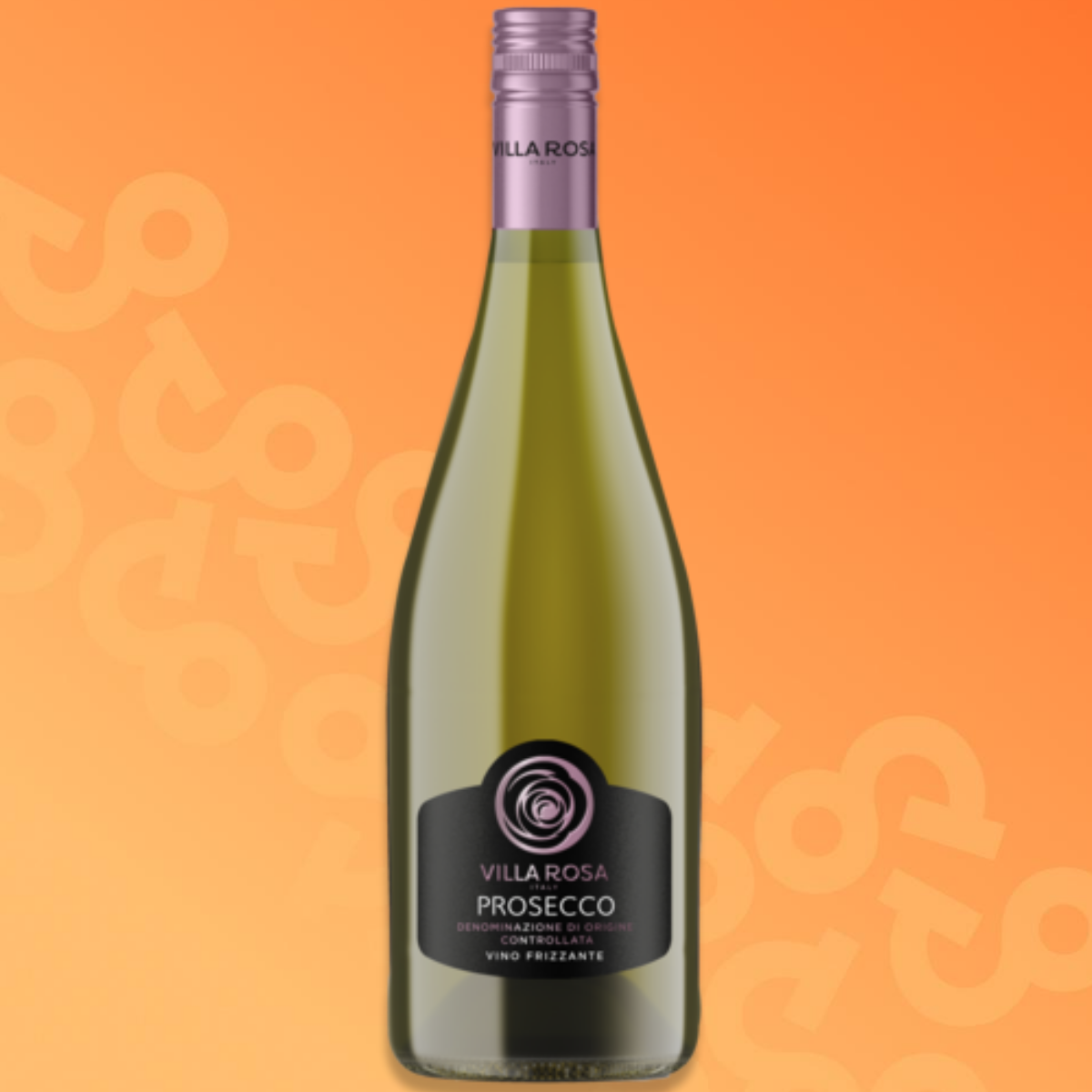
Villa Rosa Prosecco
Soft and fresh, with apple and pear. Frizzante has lighter bubbles and a screw cap.

Lambrusco Vecchia Modena
Red bubbles from Italy with berries and cherries and a pleasant bite.
Pet nat, sweet and alcohol-free. For those looking for something different: natural, sweeter or alcohol-free.
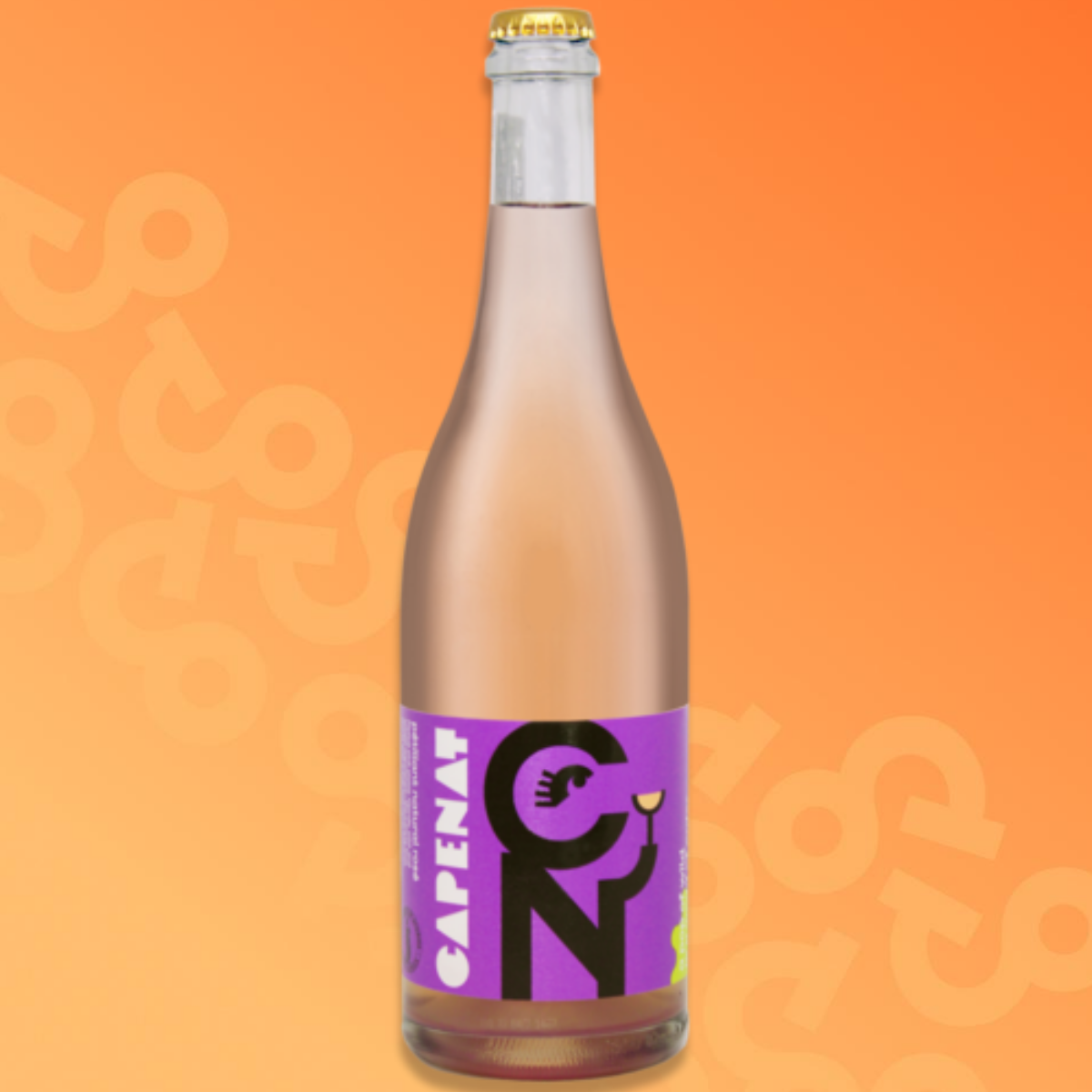
Cape Nat Rosé
Pétillant naturel made from pinotage. Very soft bubbles with strawberry, raspberry and cherry.
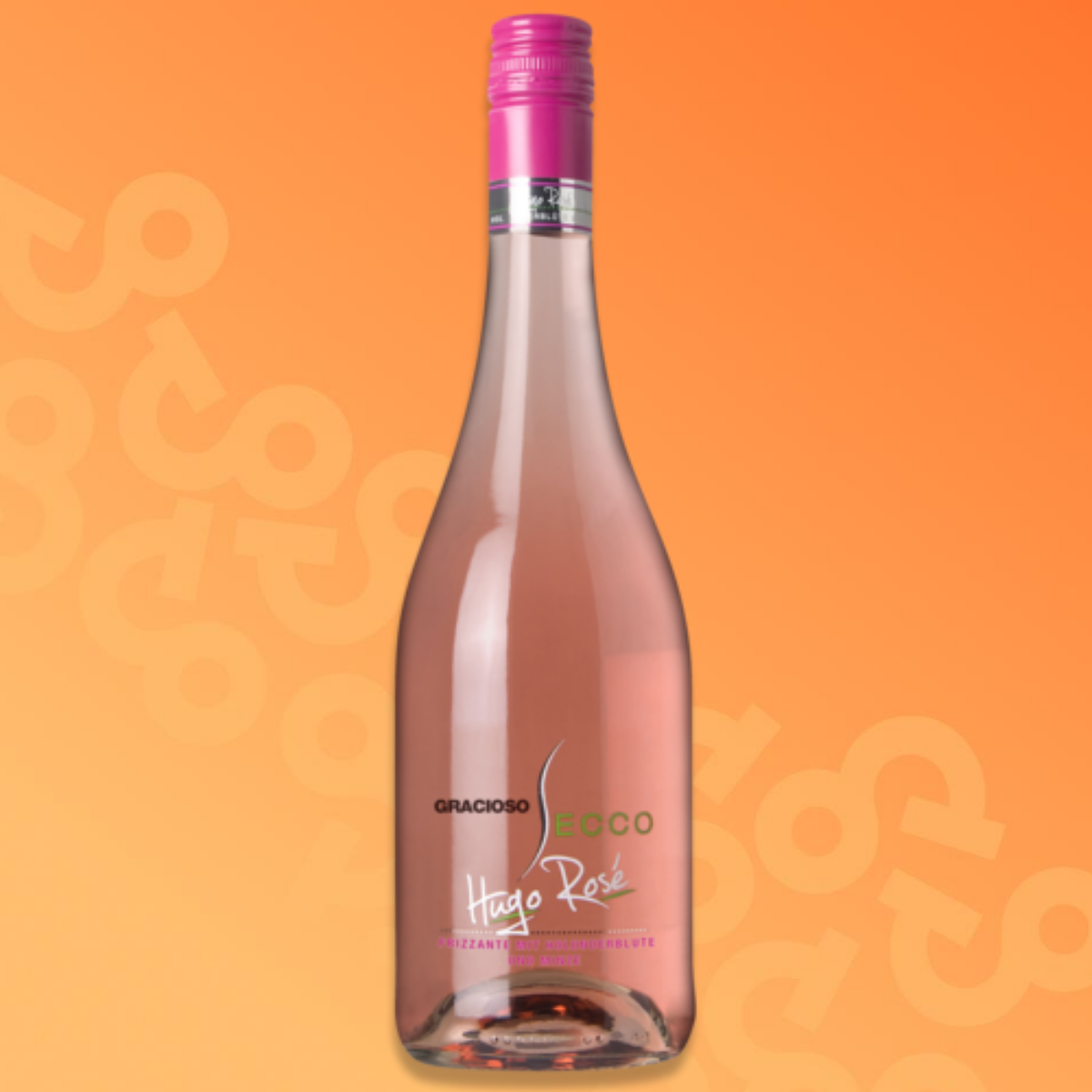
Gracioso Secco Hugo Rosé
Sweet sparkling rosé with low alcohol. For those who prefer their bubbles not dry.
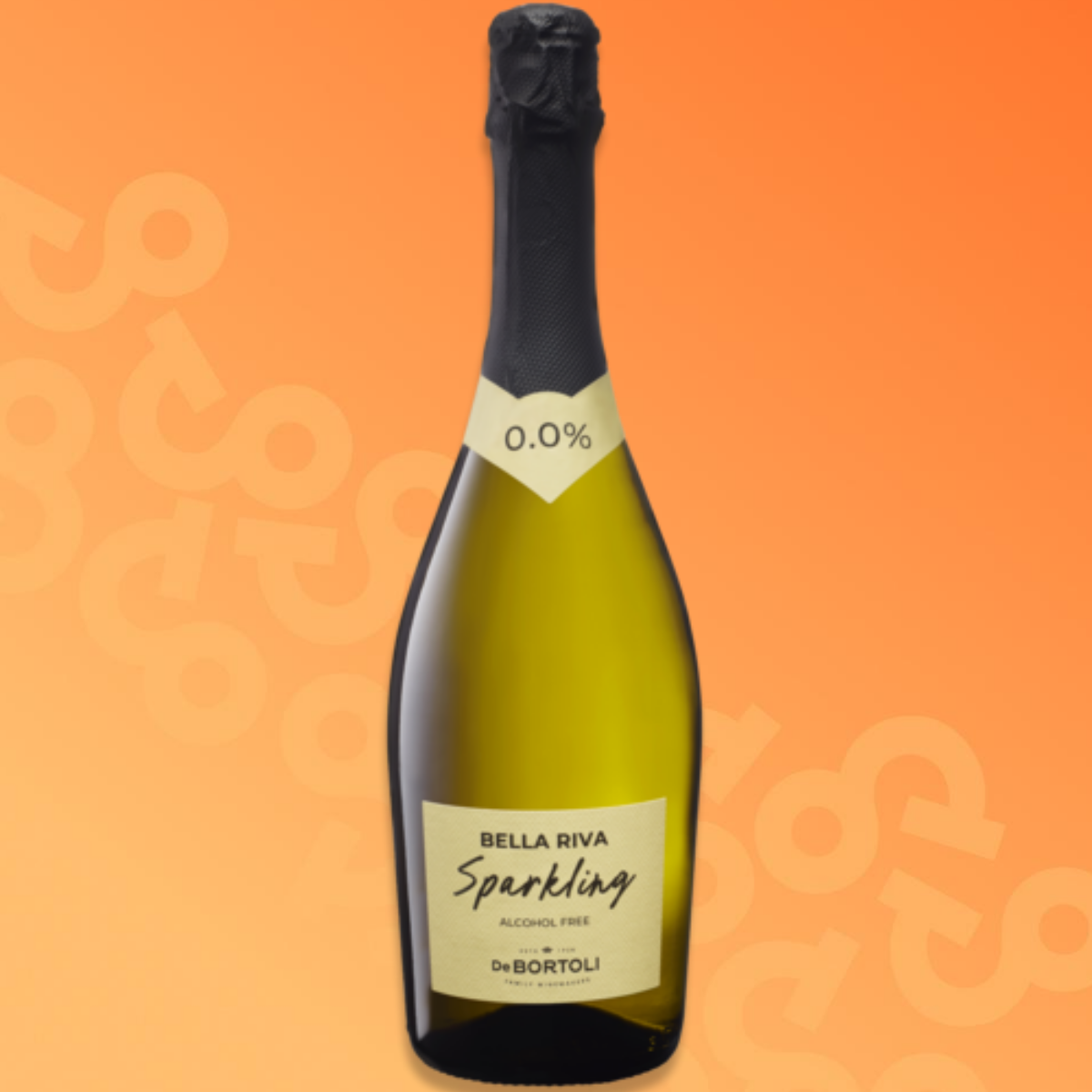
Bella Riva Sparkling
Citrus, berries, elderflower and passion fruit, with a bitter note of green tea.
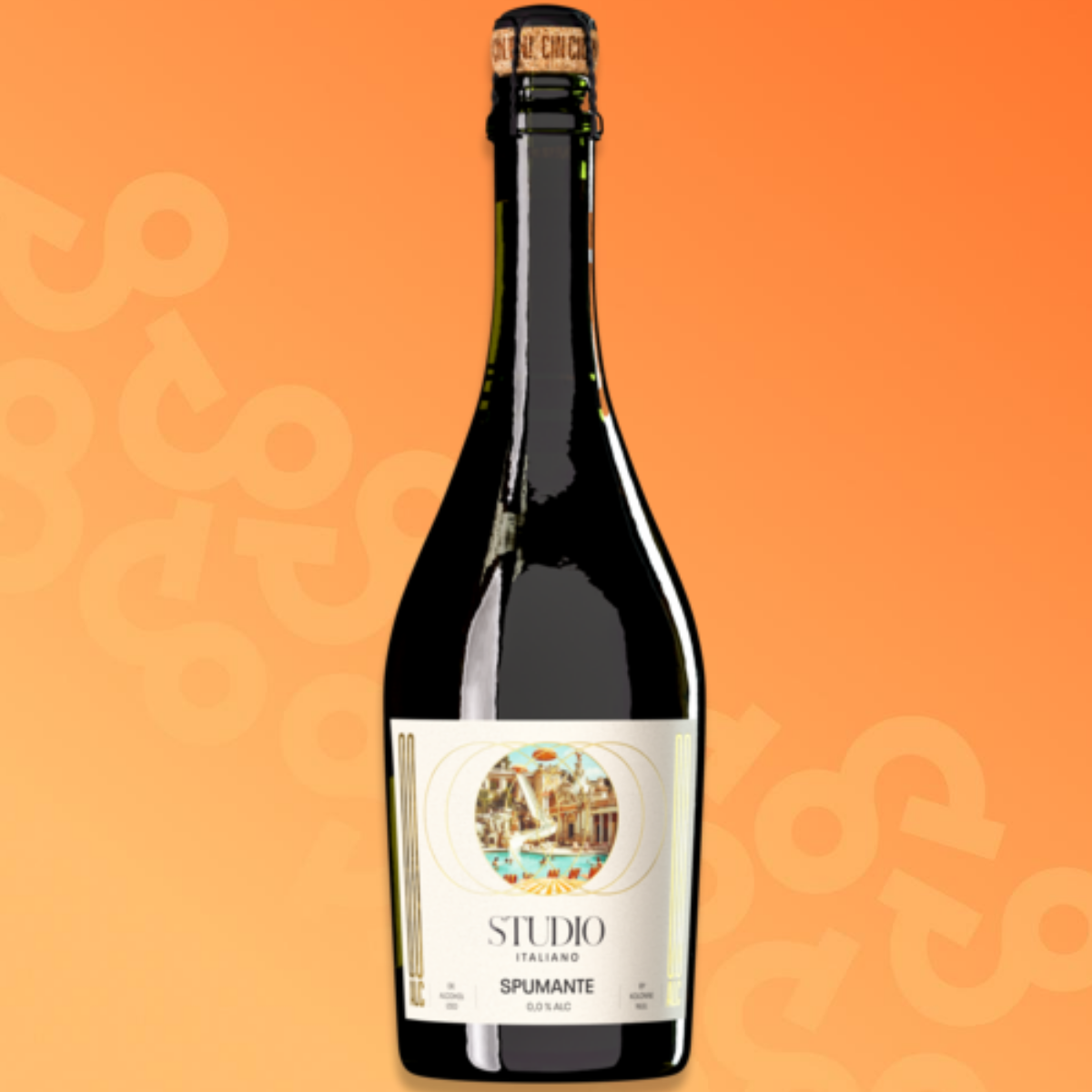
Studio Italiano Spumante
Alcohol-free spumante made from glera, chardonnay and pinot bianco. Pear, apple and almond.
On our champagne page, you can read more about brut, extra brut and demi-sec, as well as the major champagne houses.
Fresh fruit, brioche and fine bubbles
Fruit & brioche
Prosecco smells of pear, apple and flowers. Champagne, cava and crémant also have notes of brioche, toast and nuts from aging on the lees.
Fresh and frothy
Lots of fresh acidity and an invigorating mousse. Longer aging in the bottle generally produces a finer, creamier bubble; prosecco is lighter and foamier.
From brut to doux
Brut is dry, brut nature and extra brut even drier. Extra dry sounds dry, but is actually slightly sweeter than brut. Demi-sec and doux are sweet.
Flavor profile of an average brut. A prosecco extra dry or a demi-sec scores higher on sweetness; an aged champagne higher on power.
How to serve sparkling wine
Well chilled, open carefully and pour slowly. That way, you keep the bubbles in the glass.
Chilled, at 6 to 10 degrees
Serve prosecco and cava at 6 to 8 degrees. A good champagne can be slightly warmer, around 8 to 10 degrees, so you can smell the aromas better. Put the bottle in the refrigerator for a few hours or in a bucket of ice and water for twenty minutes.
More about wine temperature →Opening without a bang
Hold the cork, twist the bottle rather than the cork, and let it come out gently. Pour along the side of a tilted glass and fill it to about two-thirds.
To the glasses →In a cocktail
For a spritz, Kir Royal, Mimosa or Bellini, prosecco or cava is fine. The liqueur or juice sets the tone anyway, so you don't need to use your most expensive bottle.
To the Aperol Spritz →Sparkling wine at the table
Bubbly wines aren't just for the toast. Their fresh acidity and carbonation make them a good match for salty, fatty and fried foods.
Oysters and shellfish
Oysters, lobster, prawns and fruits de mer. Also delicious with salmon on crackers.
Tapas and ham
Jamón, olives, fried squid and other tapas. A dry cava refreshes your palate.
Italian snacks
Crostini, caprese salad, vitello tonnato and Italian starters with fish.
Sushi and fruit
Sushi, ceviche, salads with fruit and summery lunches. Sweet bubbly wines pair well with fruit desserts.
The right glass for sparkling wine
A flute keeps the bubbles for the longest and is ideal for the toast. A flute with a slightly more spacious tulip bowl lets you smell the aromas better, while a coupe looks festive. These are the glasses we recommend ourselves.


Everything you still wanted to know about sparkling wine
Is your question not listed? Read more about champagne or get in touch.
To champagne →What is sparkling wine?
What is the difference between champagne, cava, prosecco, and crémant?
What does brut mean?
How much alcohol is in sparkling wine?
Which glass do you use for sparkling wine?
How cold should you serve sparkling wine?
Buy sparkling wine
Want the bottle at home right away? Order sparkling wine online from Gall & Gall. Gall & Gall has 295, 27 of which are on sale.

Prices as of October 10, 2026, as reported by Gall & Gall. You can see the current price and stock at Gall & Gall. Glazen.nl receives a small commission if you buy something through these links; you pay nothing extra. Under 18, no alcohol.