

Crémant
Crémant is French sparkling wine made outside the Champagne region, using exactly the same second fermentation in the bottle. Here you'll find out which regions it comes from, why it can't be called Champagne, and which glass to drink it from.


Sparkling wines and wine by type
Crémant sits alongside the better-known sparkling wines. Below, read what we wrote about the other three and the region where the best-known Crémant comes from.
Champagne
The same second fermentation in the bottle. Only wine from the Champagne region can also be called Champagne.
About Champagne →Prosecco
This Italian sparkling wine undergoes a second fermentation in a tank and is made from a single grape, Glera.
About Prosecco →
Cava
Like Crémant, this Spanish sparkling wine undergoes a second fermentation in the bottle, made from Macabeo, Parellada and Xarel-lo grapes.
About Cava →
Burgundy
The region behind Crémant de Bourgogne. Chardonnay, Gamay and Pinot Noir are the familiar grapes there.
About Burgundy →The same bubbles, a different address
Crémant is a fresh sparkling wine from France with fine bubbles. It’s similar to champagne, but can’t be called that. This has nothing to do with quality. It’s all about where it comes from, because only sparkling wine from the Champagne region can be called champagne. If the bottle comes from Alsace, Burgundy or the Loire, the label says crémant. Funnily enough, the name itself comes from the Champagne region, where crémant referred to wine that fermented in the bottle. Most crémants are white, but rosé versions are available too. It’s the French bubbly you can simply pop open at a get-together or party.
The bubbles are created in the same way as in champagne. The grapes are hand-picked, and the wine gets its sparkle through the traditional method. This means that the second fermentation takes place in the bottle. That’s how you get those fine bubbles that keep rising in the glass. The regulations also specify everything else for Crémant de Bourgogne. The grapes must come from the AOC Bourgogne, and the wine must age for at least nine months. Which grapes are used depends on the region. Each region has its own varieties.
In brief
Six bottles, from Burgundy to Bordeaux
Each region makes crémant from its own grapes, and you can taste the difference. These six range from classic Burgundy through Alsace and the Loire to Bordeaux, with a rosé and a demi-sec as a bonus.
Charles de Fère Crémant de Bourgogne
Only grapes from the AOC Bourgogne, in this case Chardonnay, Pinot Noir, Gamay and Aligoté. Soft-tasting, with a fresh finish of green apple.

Adam Crémant d'Alsace Brut
From Alsace and made entirely from Pinot Blanc, although the region usually works with a blend of grapes. Rich, creamy and soft. The roundest of the bunch.

De Chanceny Crémant de Loire
Chardonnay and Chenin Blanc from the Loire Valley, a region known for citrus and floral notes. In the glass, you’ll find toasted bread, wild peach and pineapple, with hints of spice, salmiak and white flowers.

Terres Douches Crémant de Bordeaux
The odd one out, from Bordeaux and made from 80% Merlot and 20% Sémillon. Fresh fruit like citrus and apple, with a hint of floral notes.

Langlois-Chateau Brut Rosé
The rosé version, made with cabernet franc and pinot noir from the Loire. Fresh and fruity, with wild strawberries and berries on the nose.

Veuve Amiot Demi-Sec
The sweeter option on the shelf, from Saumur in the Loire Valley and made with chenin, cabernet and chardonnay. Floral, with apple and a lightly sweet taste. The label recommends serving it chilled in a flute.
If the bottle comes from the Champagne region, it’s called champagne. The method is the same: there, too, the wine ferments a second time in the bottle.
Fresh, refined, with fine bubbles
White fruit and flowers
White and yellow fruit, such as apple and pear, with citrus and white flowers. The Loire is known for citrus and floral notes, while wines from Alsace smell lighter and fruitier.
Fresh and refined
The second fermentation in the bottle creates fine, long-lasting bubbles and gives the wine a fresh, refined taste. A brut is dry. The exact character of a bottle depends mainly on the region and the grapes.
Refreshing
The Charles de Fère from Burgundy finishes fresh, with green apple. The demi-sec from Saumur, on the other hand, leaves a slightly floral, lightly sweet aftertaste.
Flavor profile of a typical brut crémant. A demi-sec, such as one from Saumur, scores noticeably higher in sweetness, while a rosé scores a little higher in fruitiness.
How to pour crémant
Treat crémant like any sparkling wine that has fermented in the bottle. Chill it, open it gently, and pour at an angle.
Chilled, not ice-cold
A French sparkling wine is usually served at 8 to 10 degrees. If you have more than four hours, the fridge is enough. If you need to chill it faster, put the bottle in a cooler with cold water and ice for half an hour. There’s little point in chilling it more, because you’ll barely taste the delicate fruit.
The right glass →Open without a pop
Remove the foil and loosen the muselet, the wire cage around the cork. Hold the bottle at an angle of about 45 degrees, and turn the bottle, not the cork. The pressure will gently push the cork out. Tilt your glass when pouring to preserve as many bubbles as possible.
More about serving →In a spritz or cocktail
Anywhere you’d use a dry sparkling wine, you can use a brut crémant. In a Kir Royale or Mimosa, the liqueur or juice determines the flavor anyway, so a simple bottle is fine.
To the cocktails →Cocktails with crémant
No classic recipe uses crémant as its standard base. These four call for a dry sparkling wine, and brut crémant is just the thing.

Kir Royale
Add crème de cassis to a champagne glass and top up with sparkling wine.
Mimosa
Fresh orange juice with bubbles, finished with a splash of Cointreau.
Bellini
Two tablespoons of chilled peach purée at the bottom of the glass, then top up very slowly.
Hugo Spritz
A spritz with sparkling wine and sparkling water over plenty of ice, light and easy to drink.The right glass for crémant
One of these bottles simply recommends serving it chilled in a flute. The long stem keeps your hand away from the wine. In a roomier bowl, the aromas have more space to develop, while in a wide coupe, the bubbles disappear quickly. These are the glasses we recommend ourselves.


Everything else you wanted to know about crémant
Can't find your question here? Browse our cocktail recipes or get in touch.
To the cocktail recipes →What is crémant?
What is the difference between crémant and champagne?
Where does the name crémant come from?
Which grapes are used to make crémant?
How long does crémant need to age?
What percentage of alcohol is in crémant?
Which glass should you use for crémant?
Buy Crémant
Want the bottle at home right away? Order Crémant online from Gall & Gall. Gall & Gall has 14 in stock.
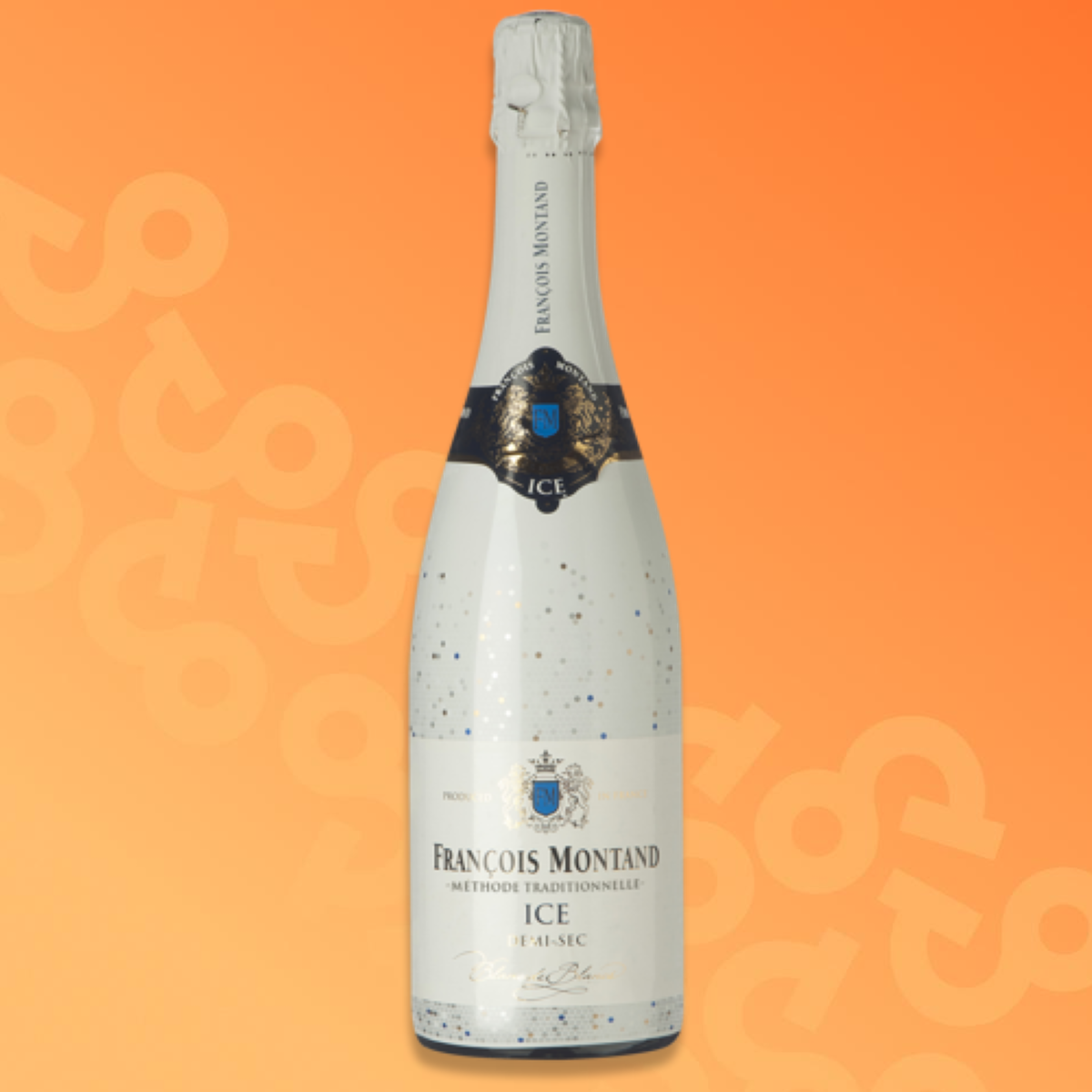
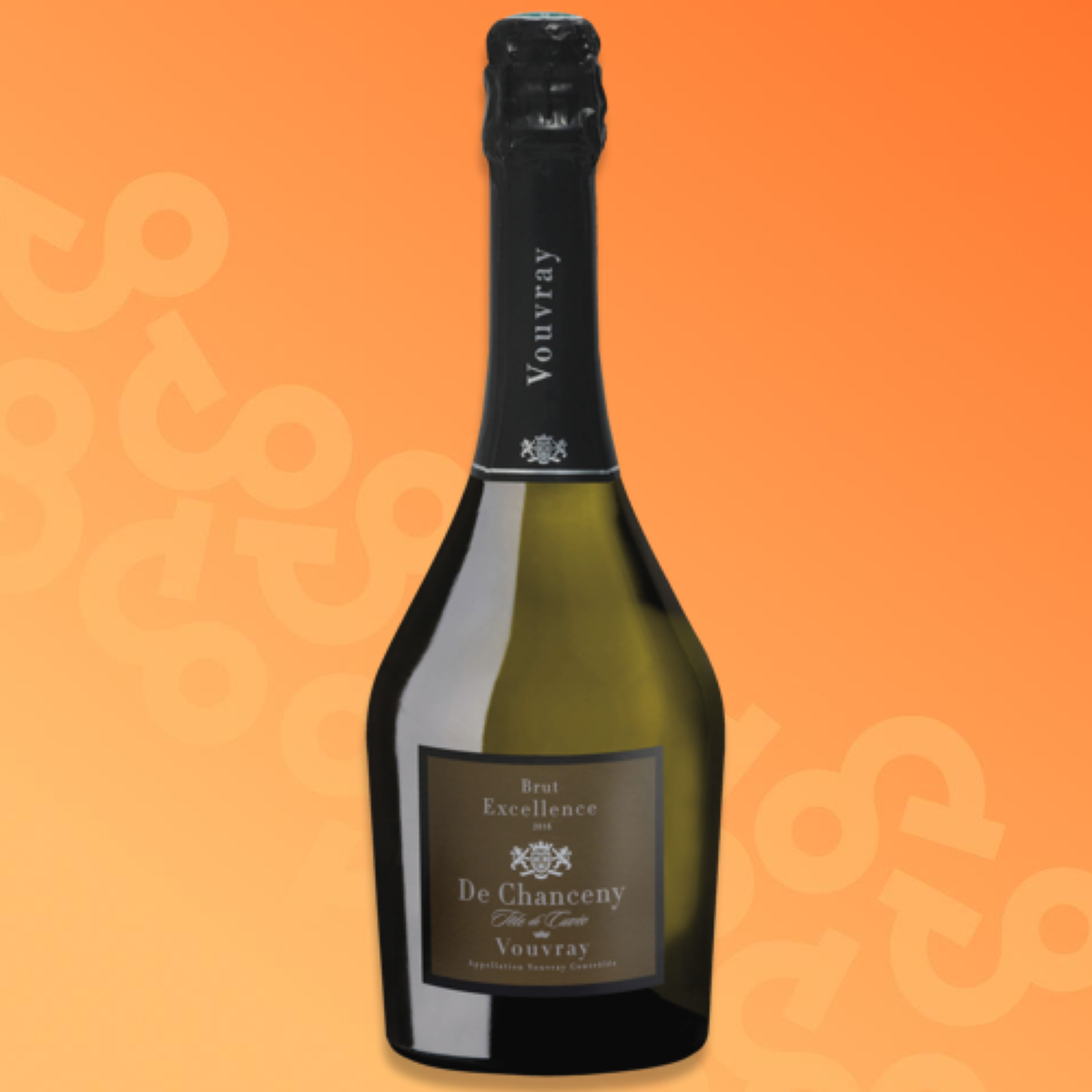
De Chanceny Vouvray Excellence
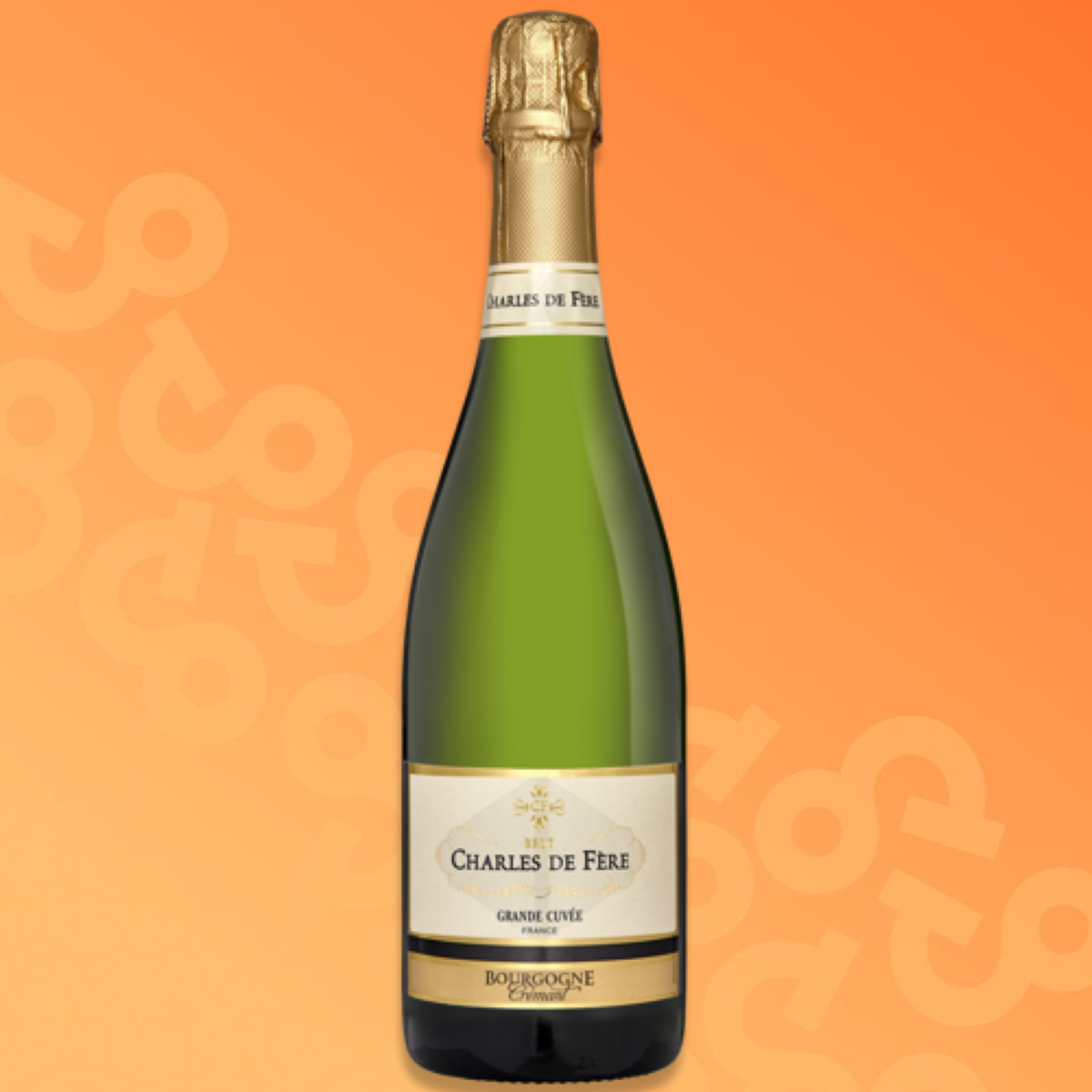
Crémant de Bourgogne Brut Charles de Fère
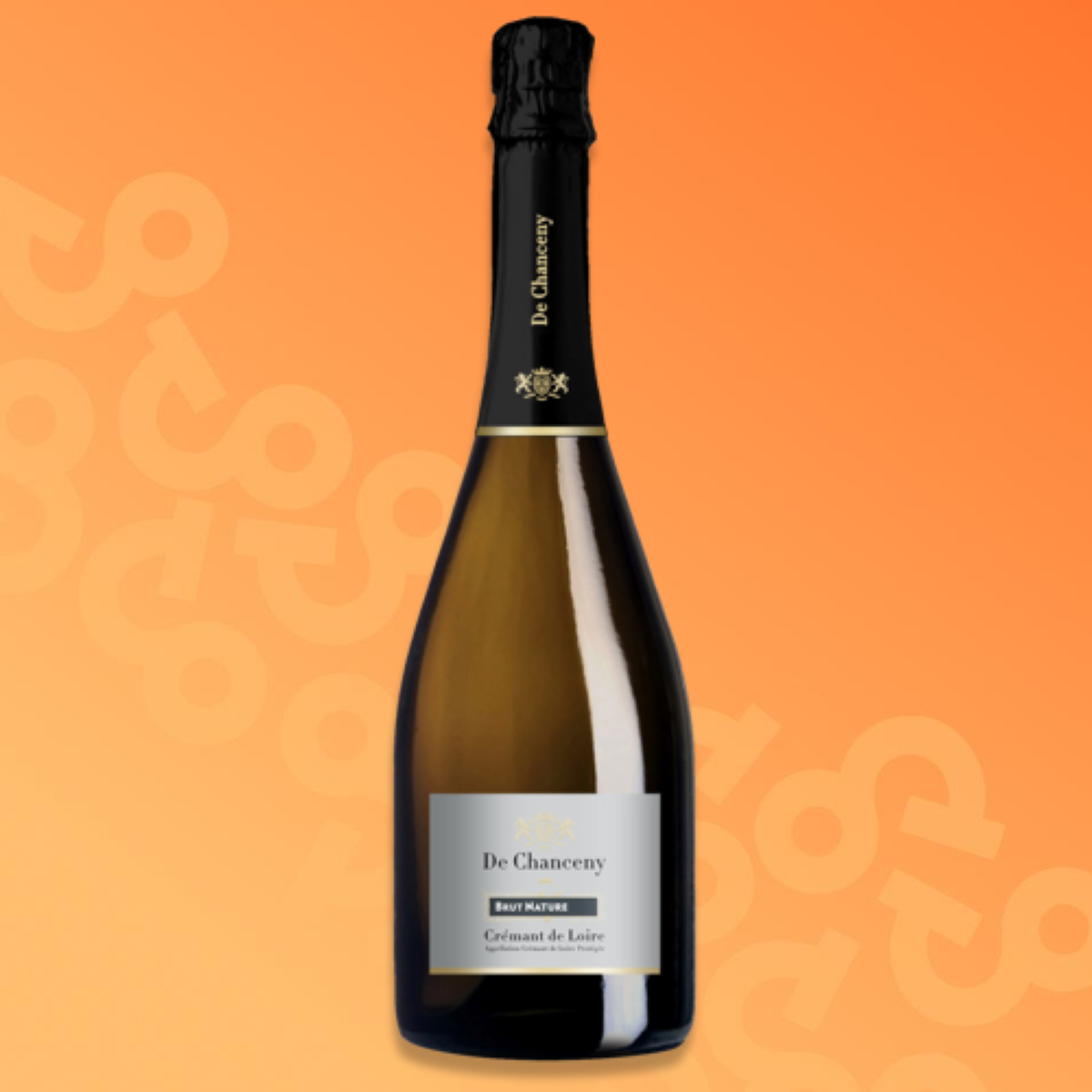
Prices as of November 6, 2026, as provided by Gall & Gall. You can see the current price and availability at Gall & Gall. Glazen.nl receives a small commission if you buy something through these links; you pay nothing extra. No 18, no alcohol.


