



Filters
47 products

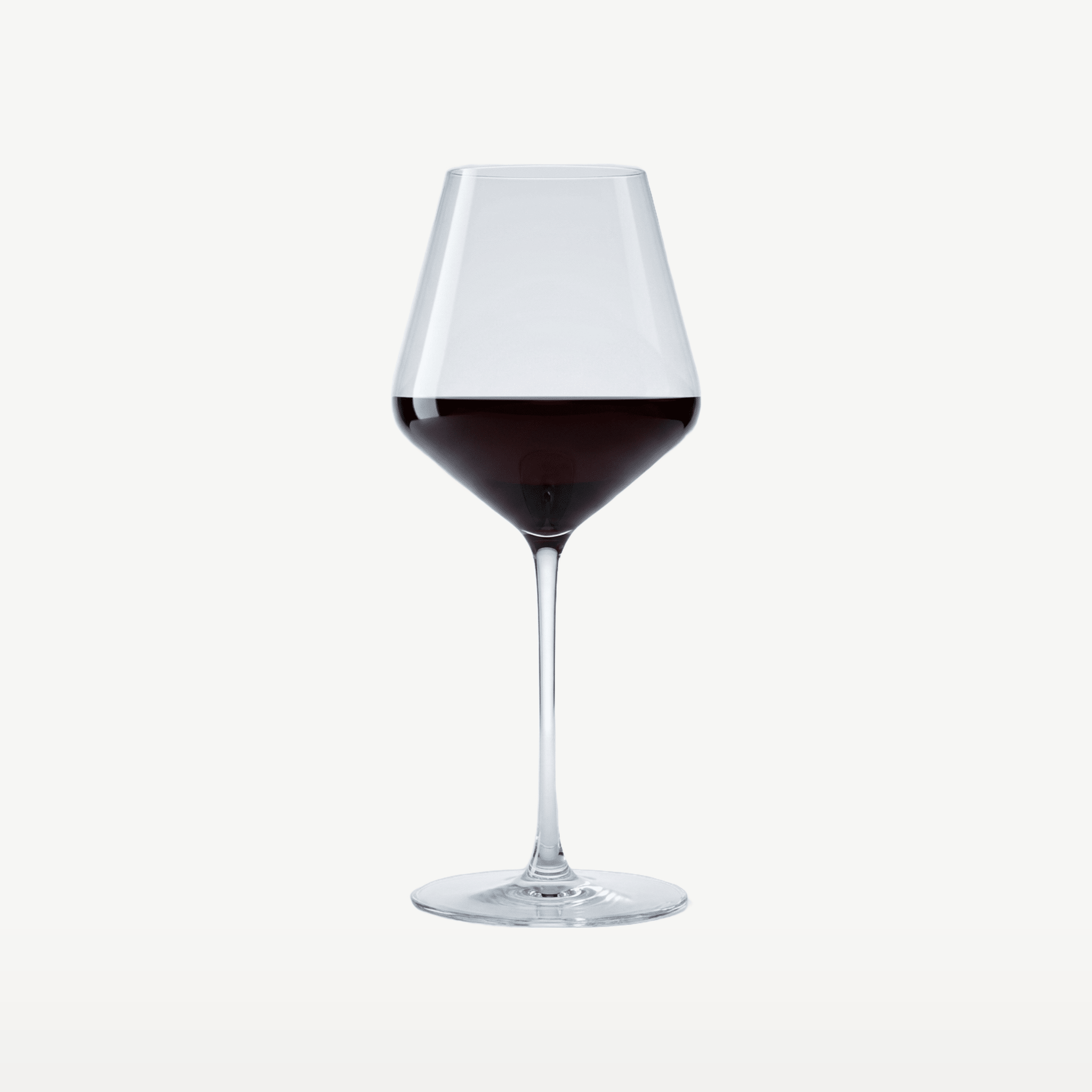
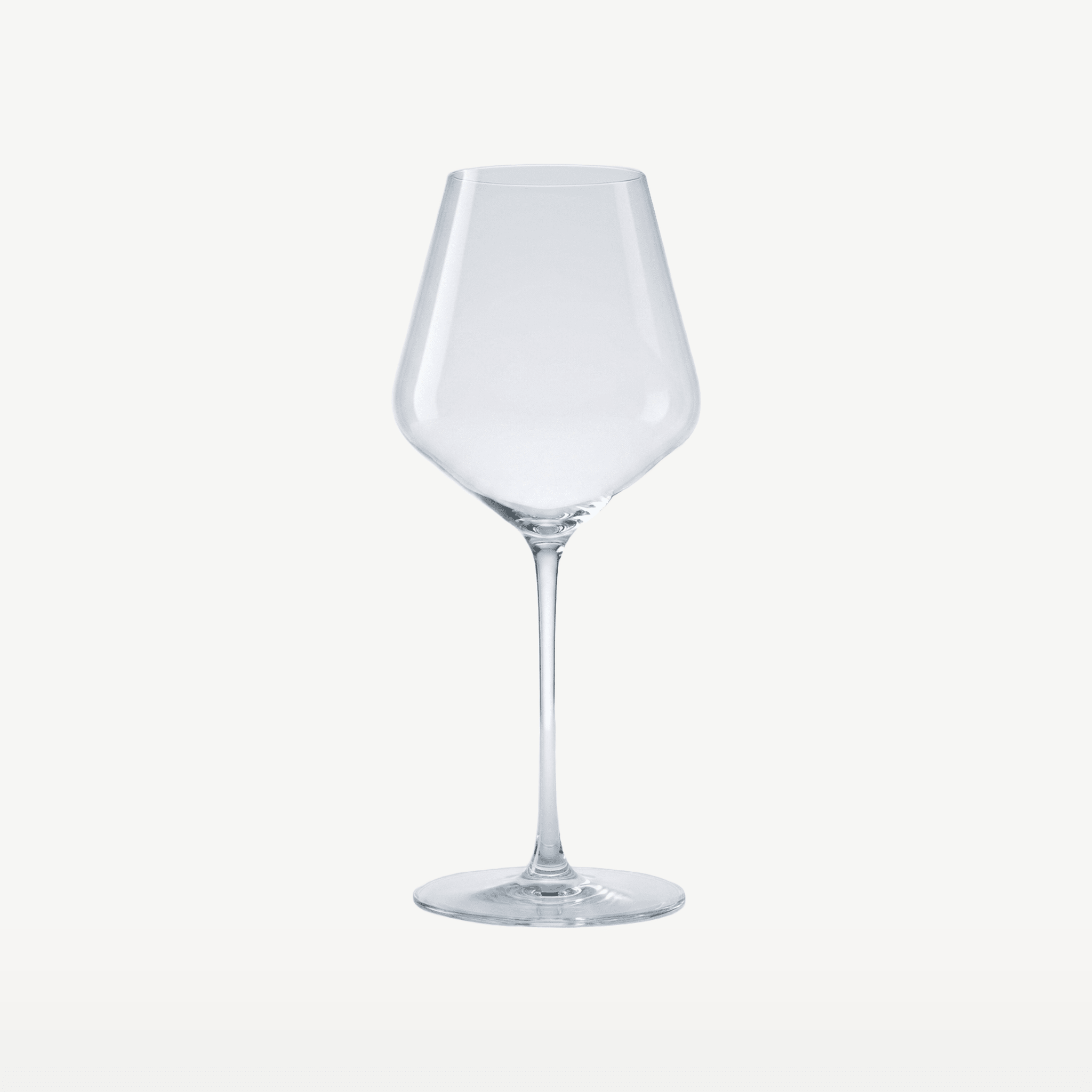
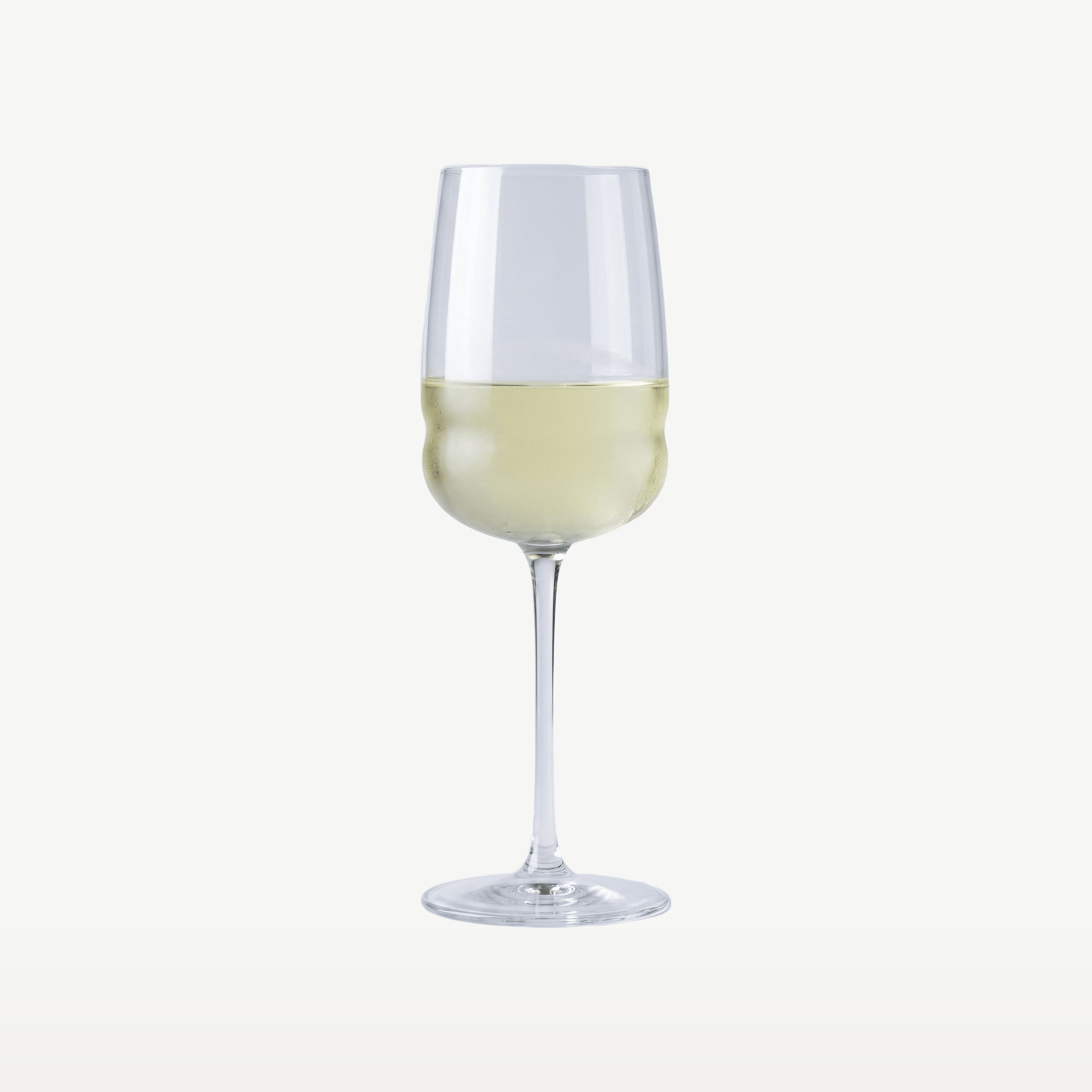
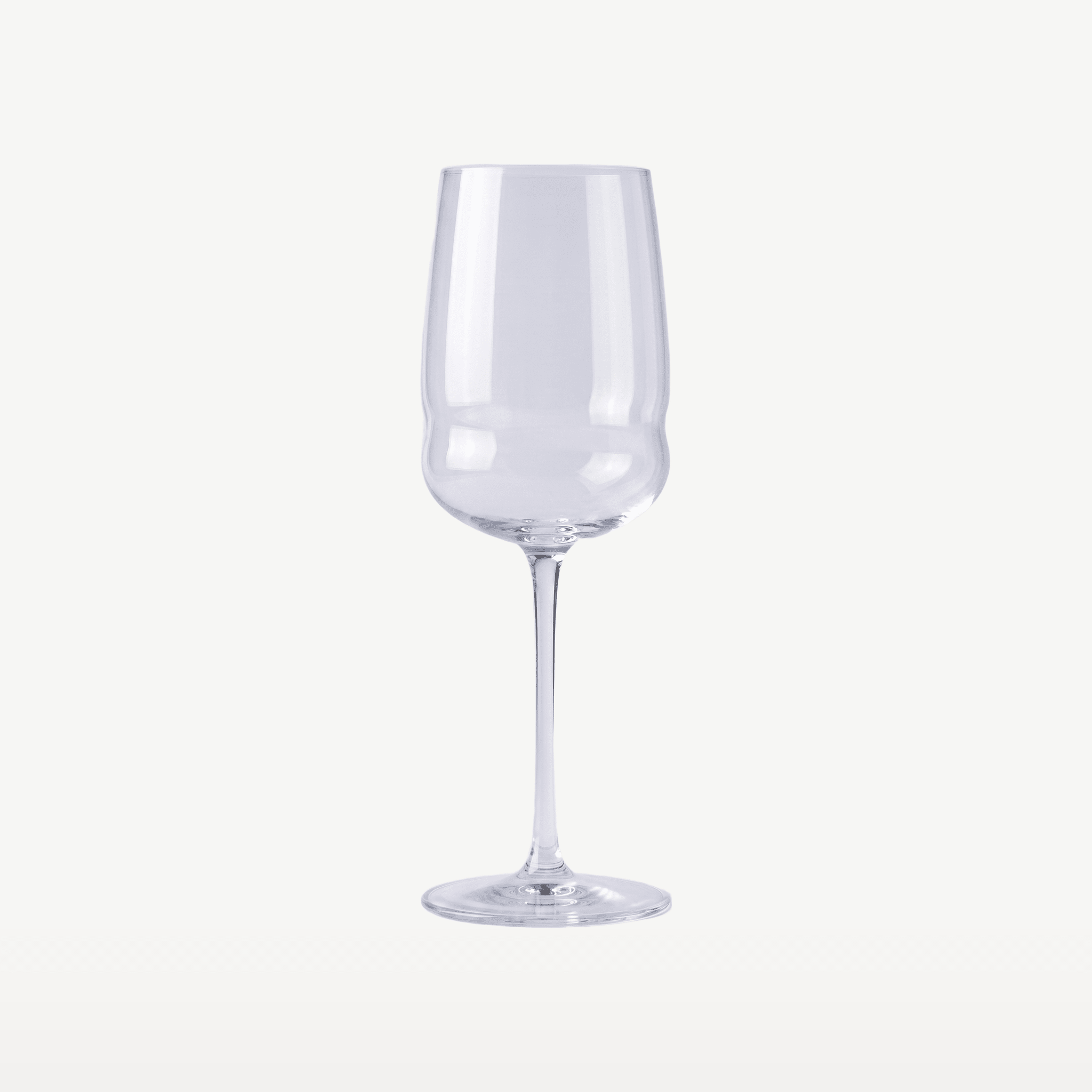
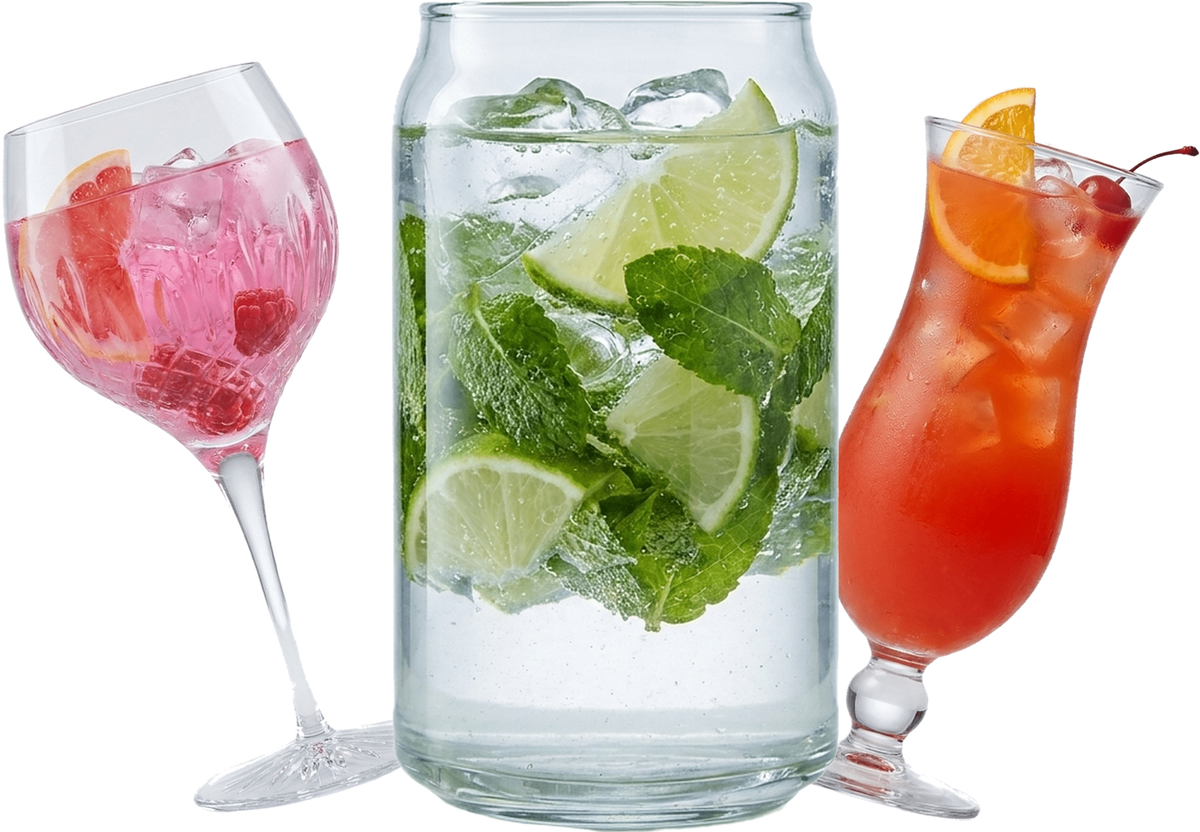
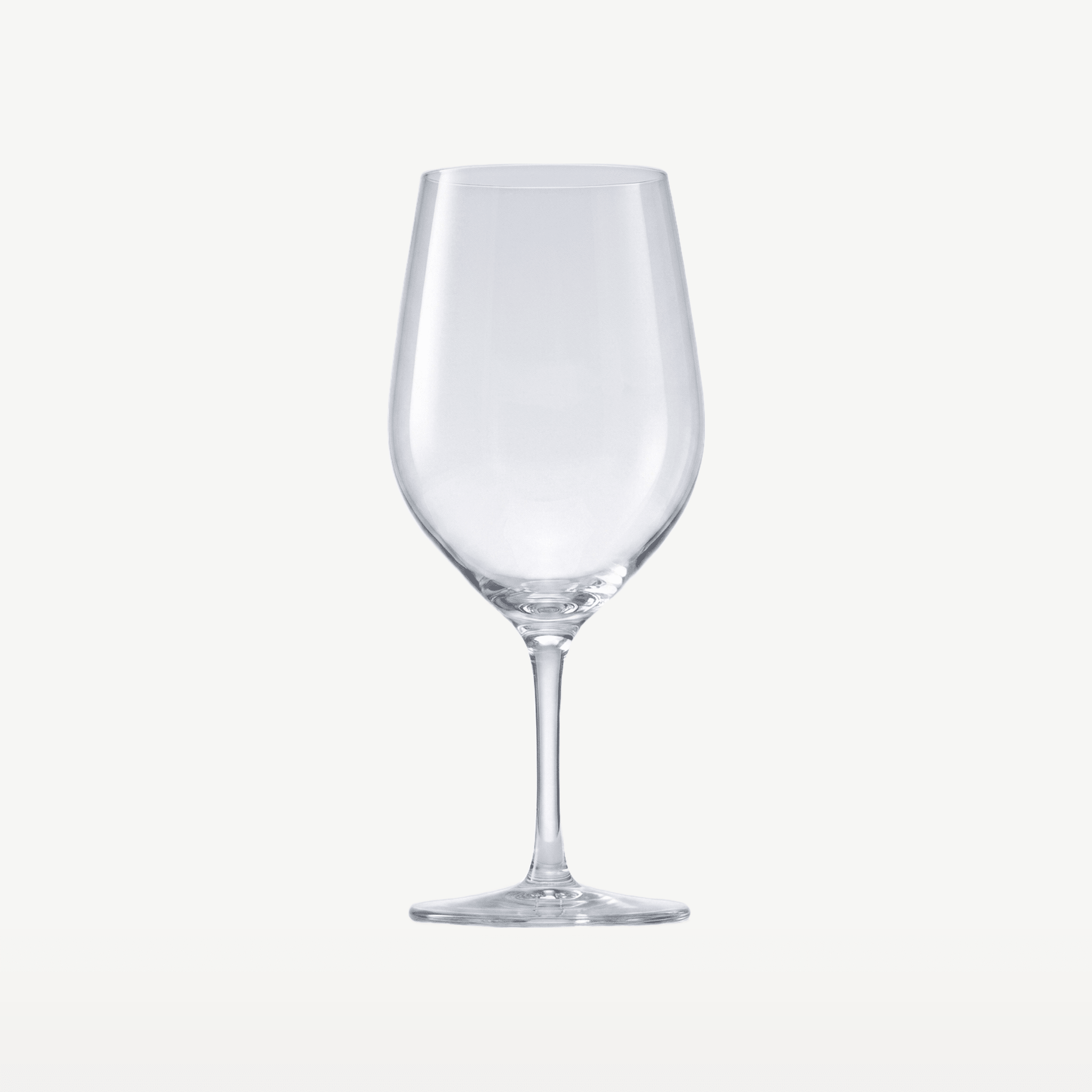
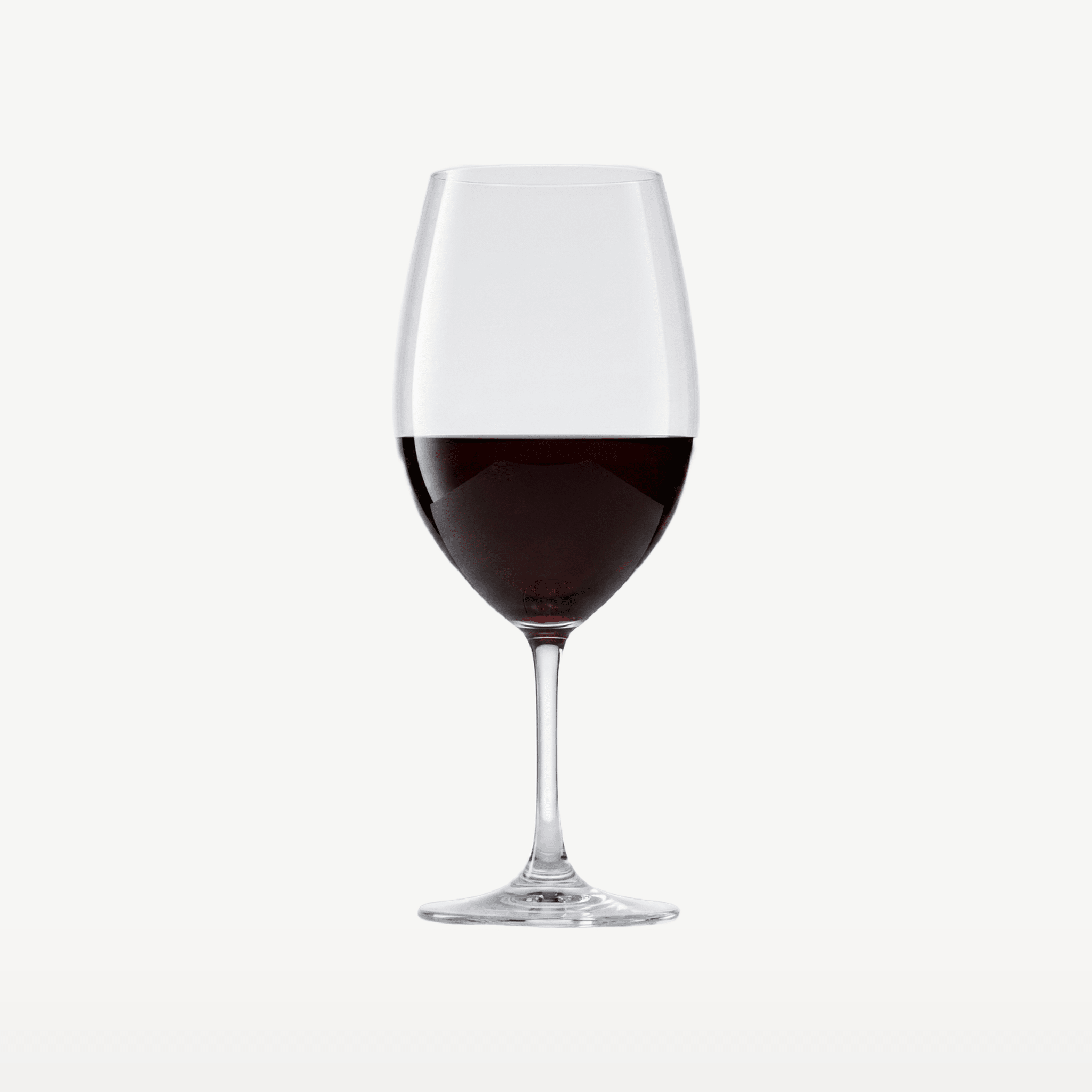
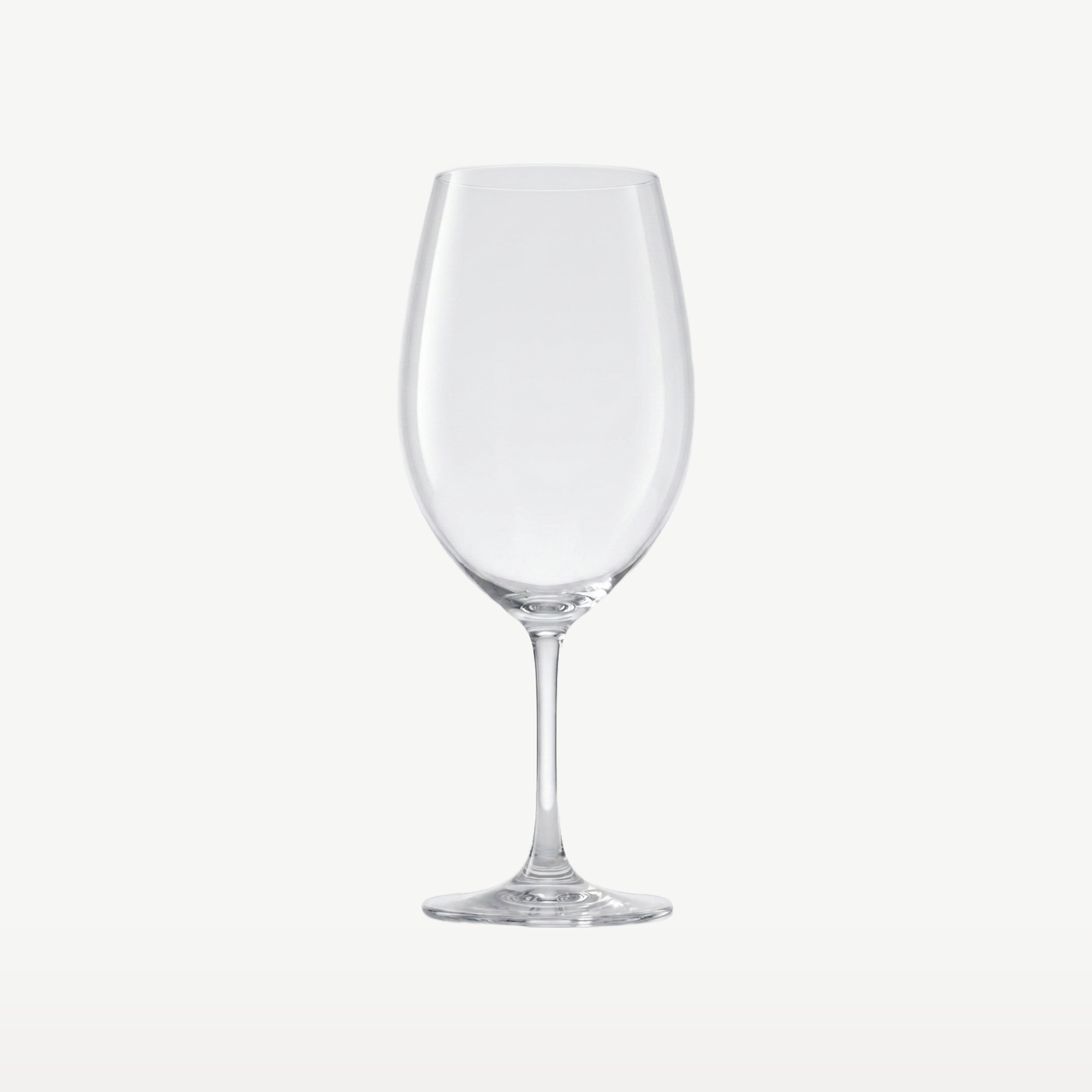
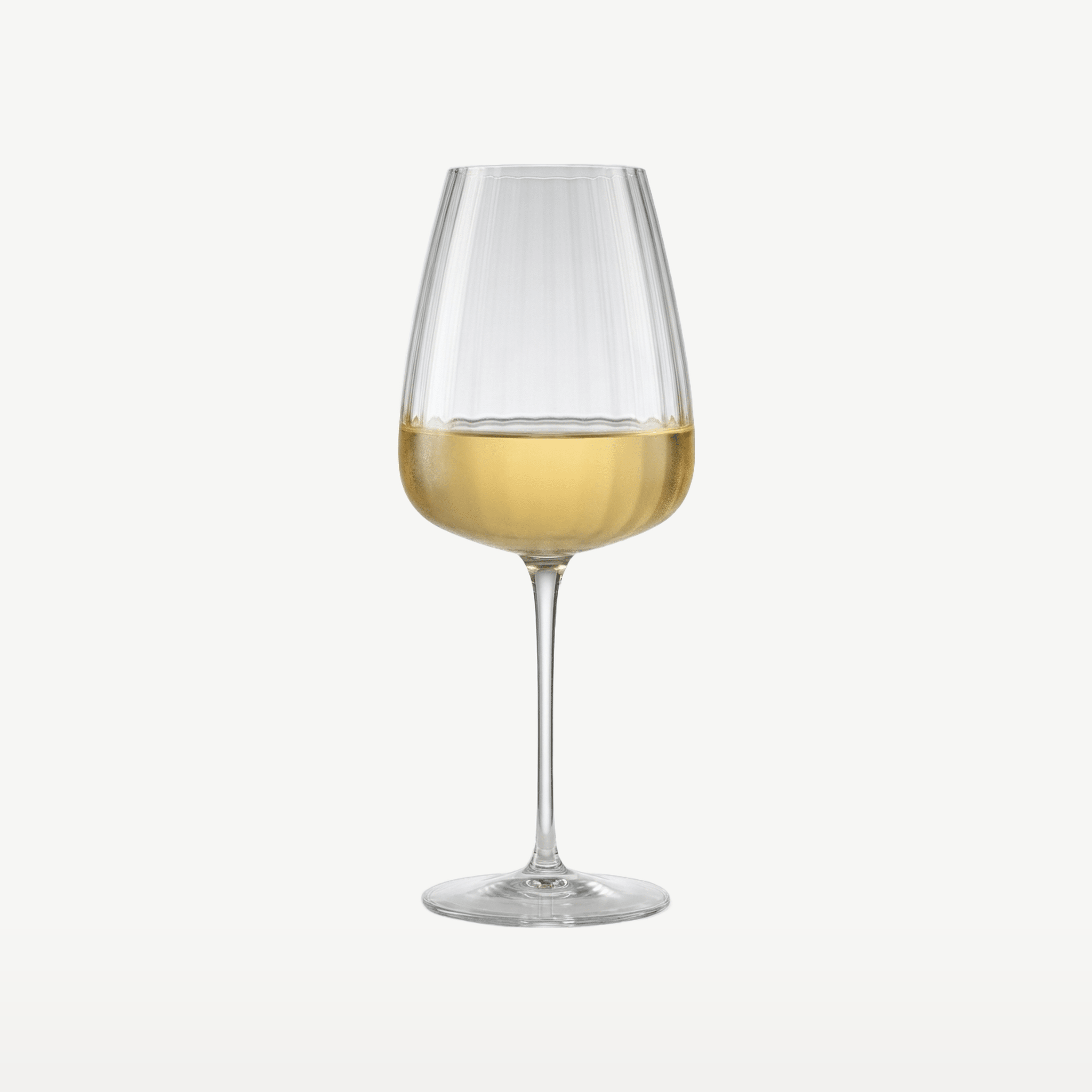
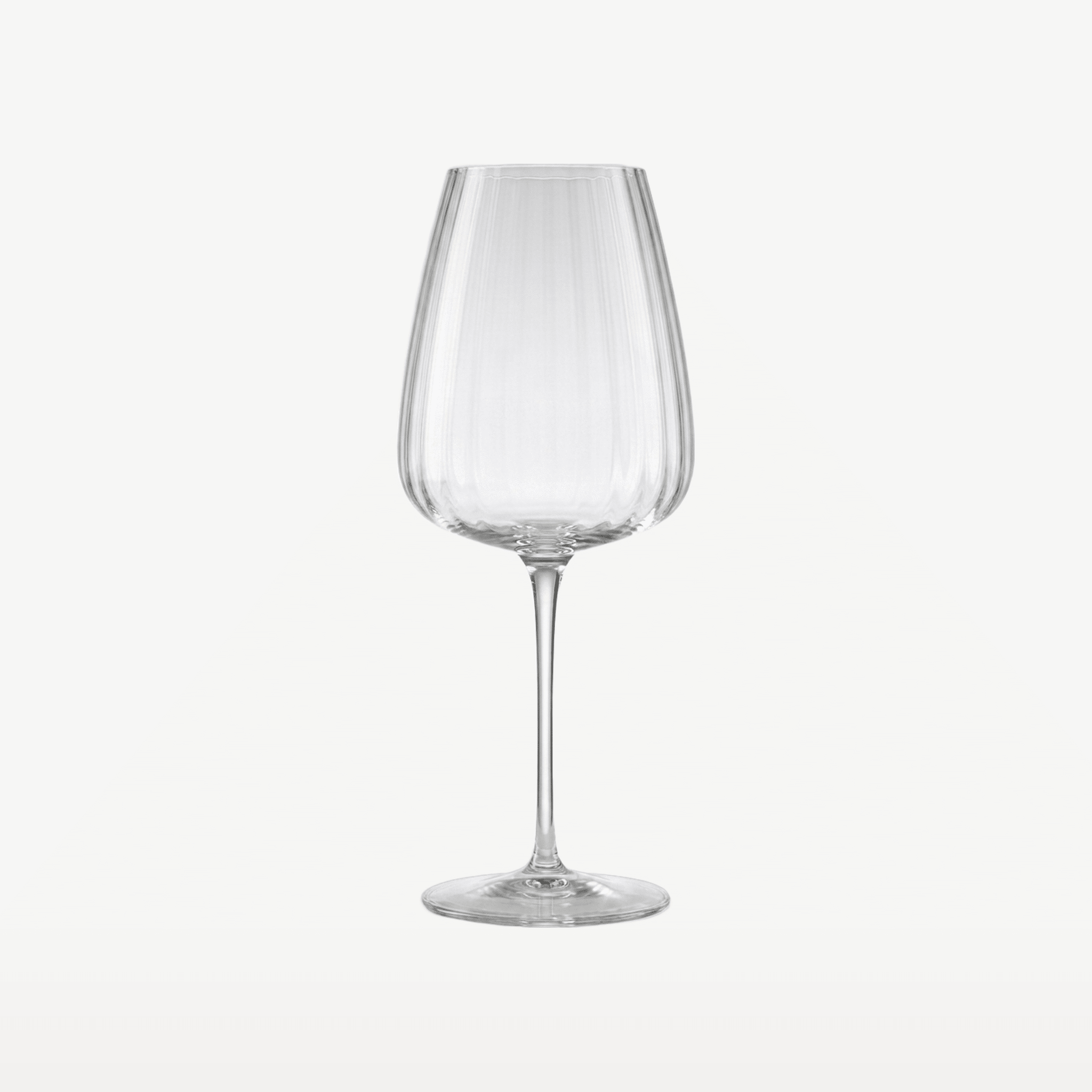
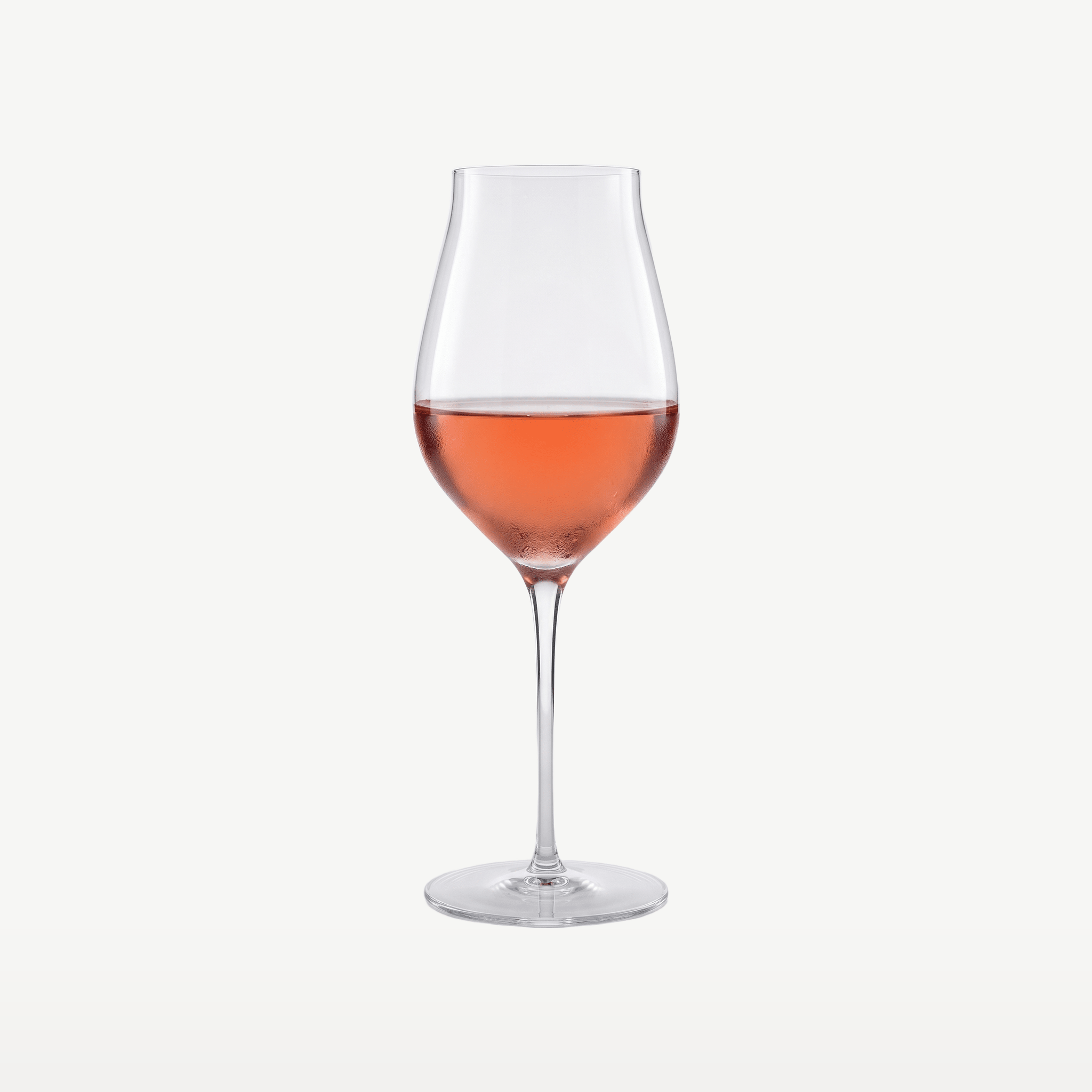
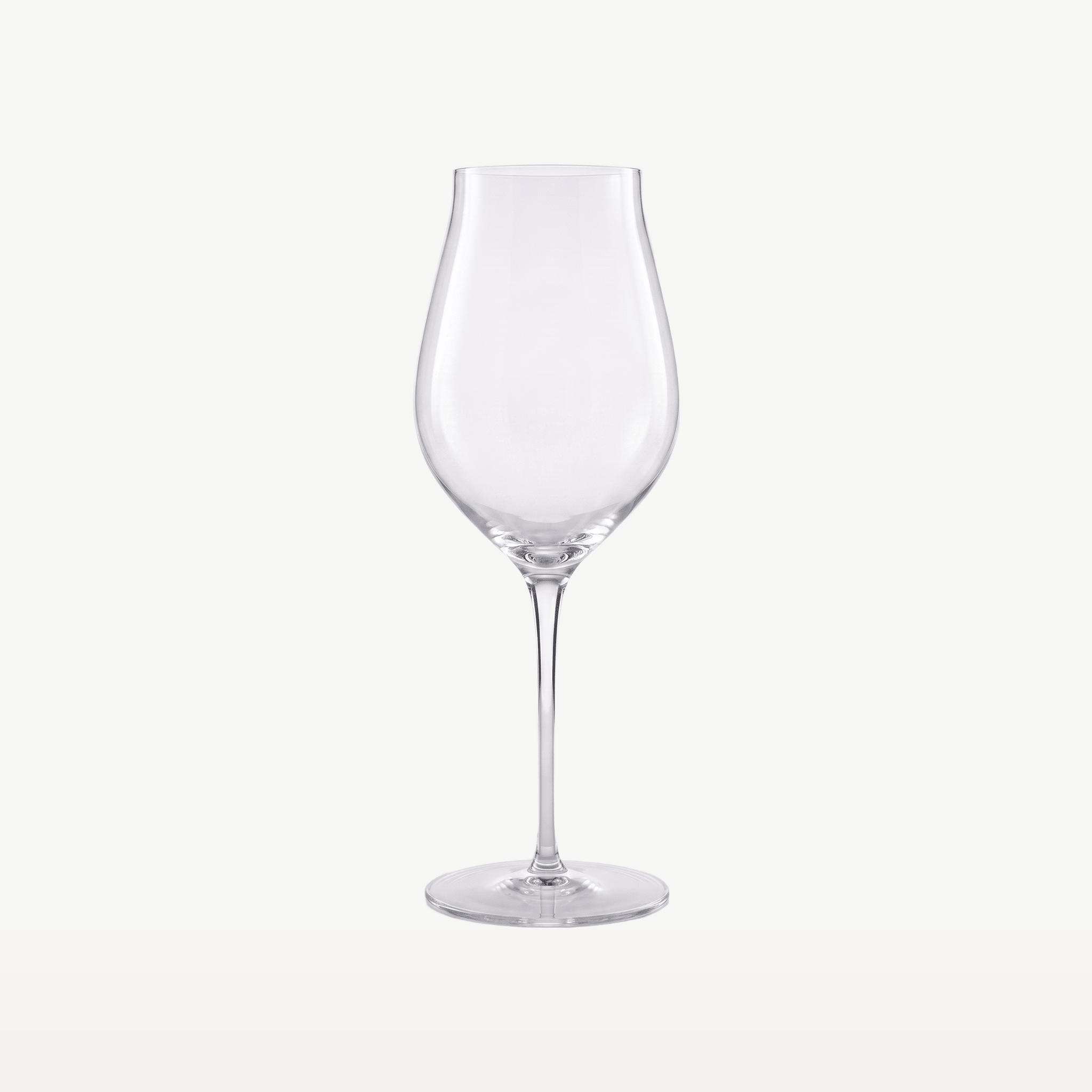
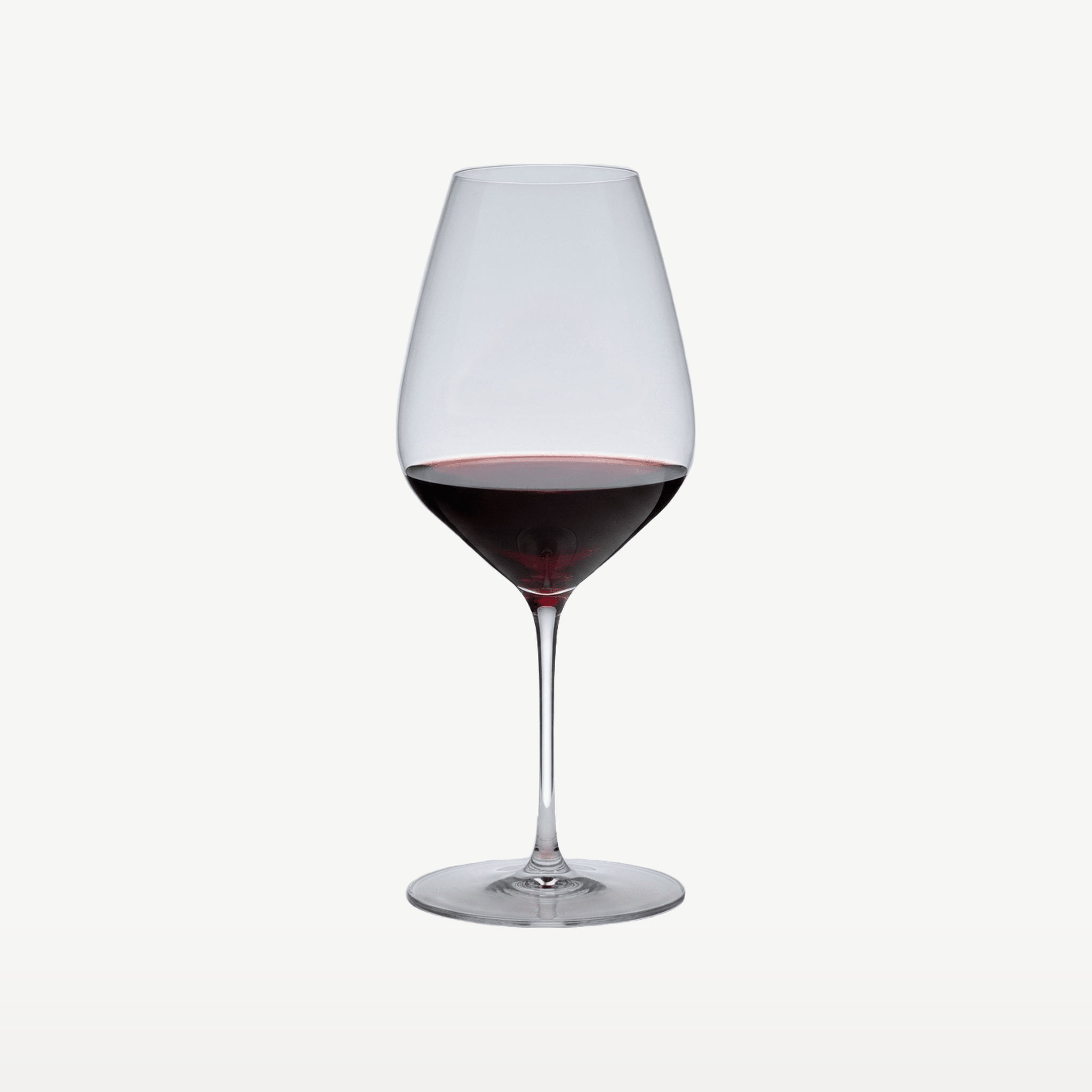
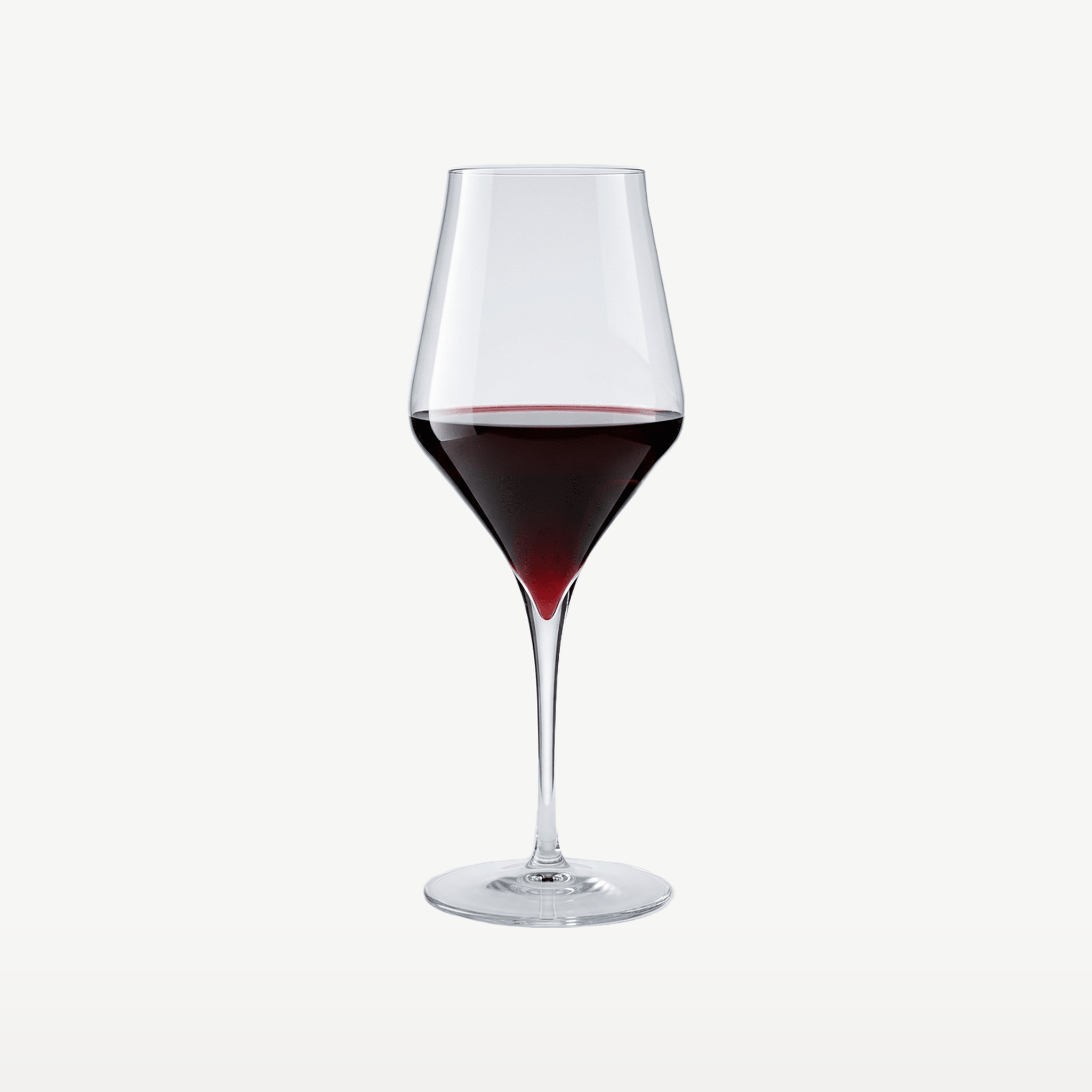
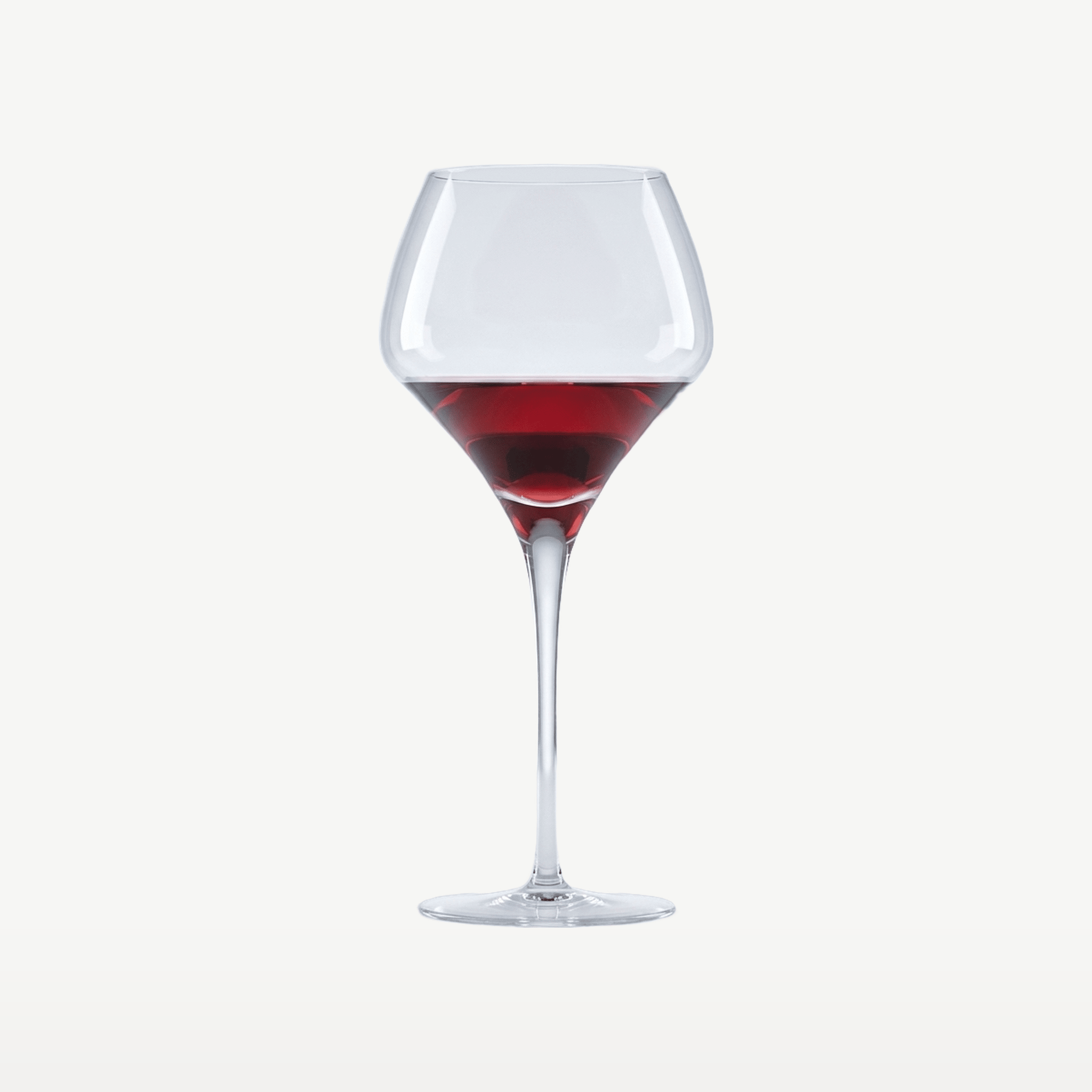
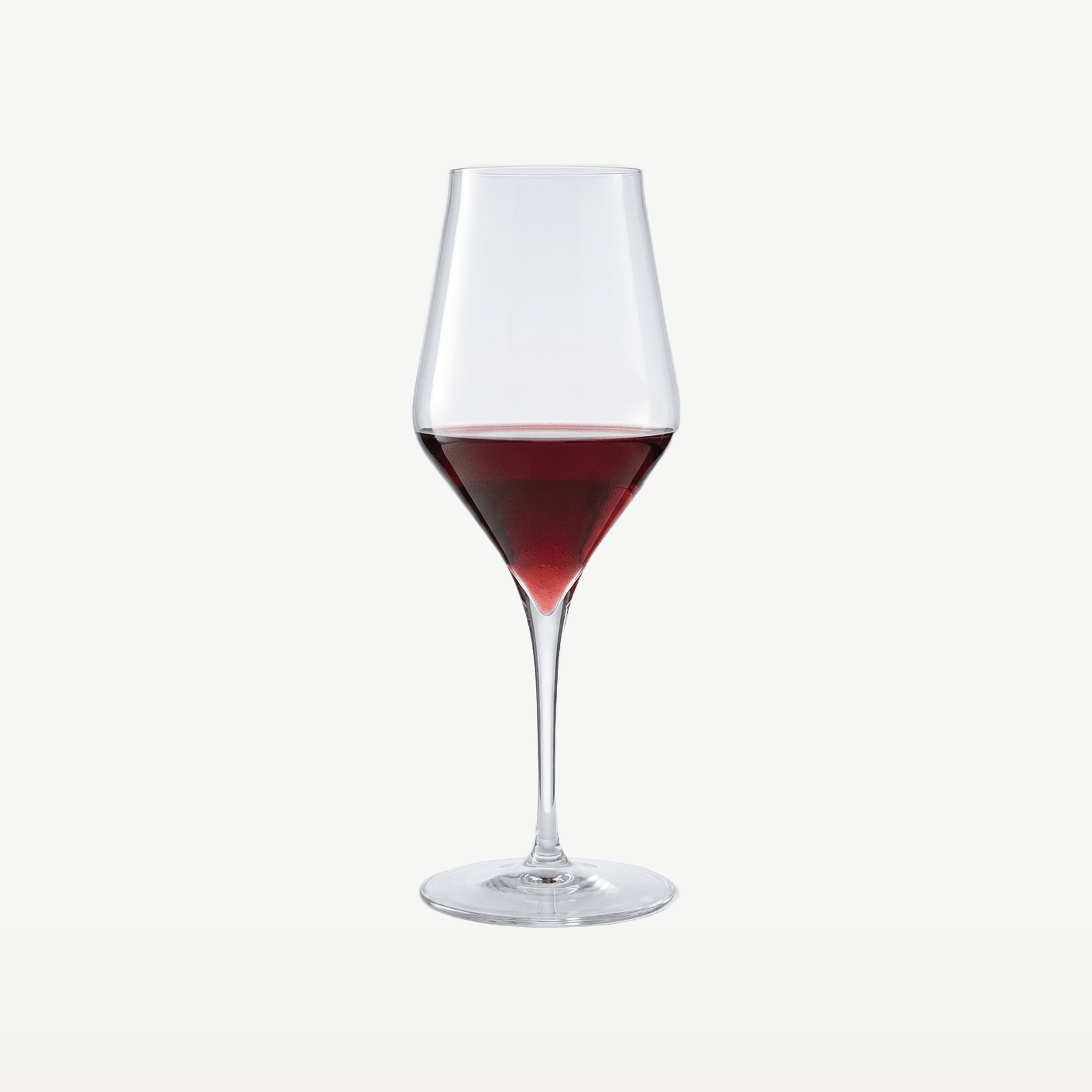
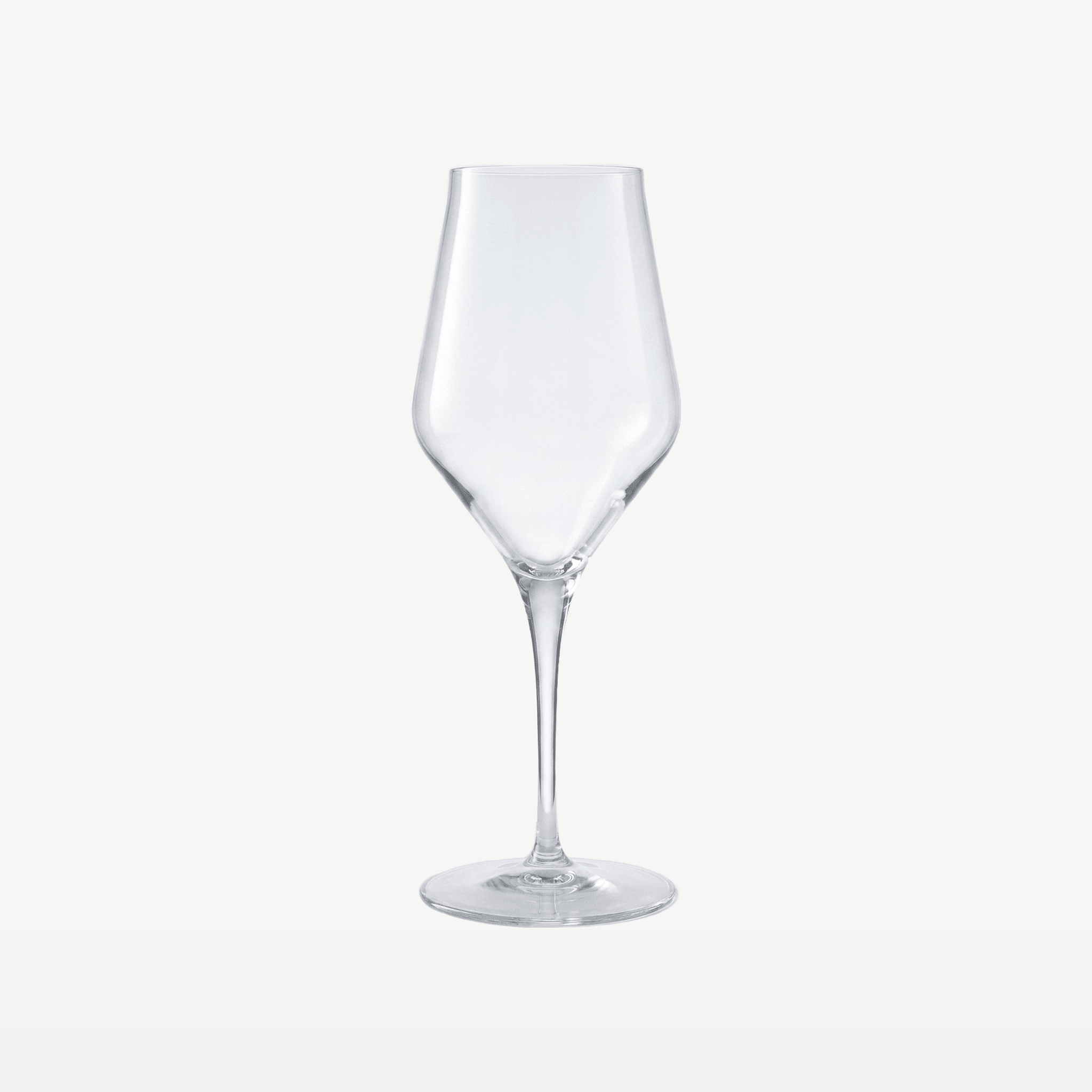
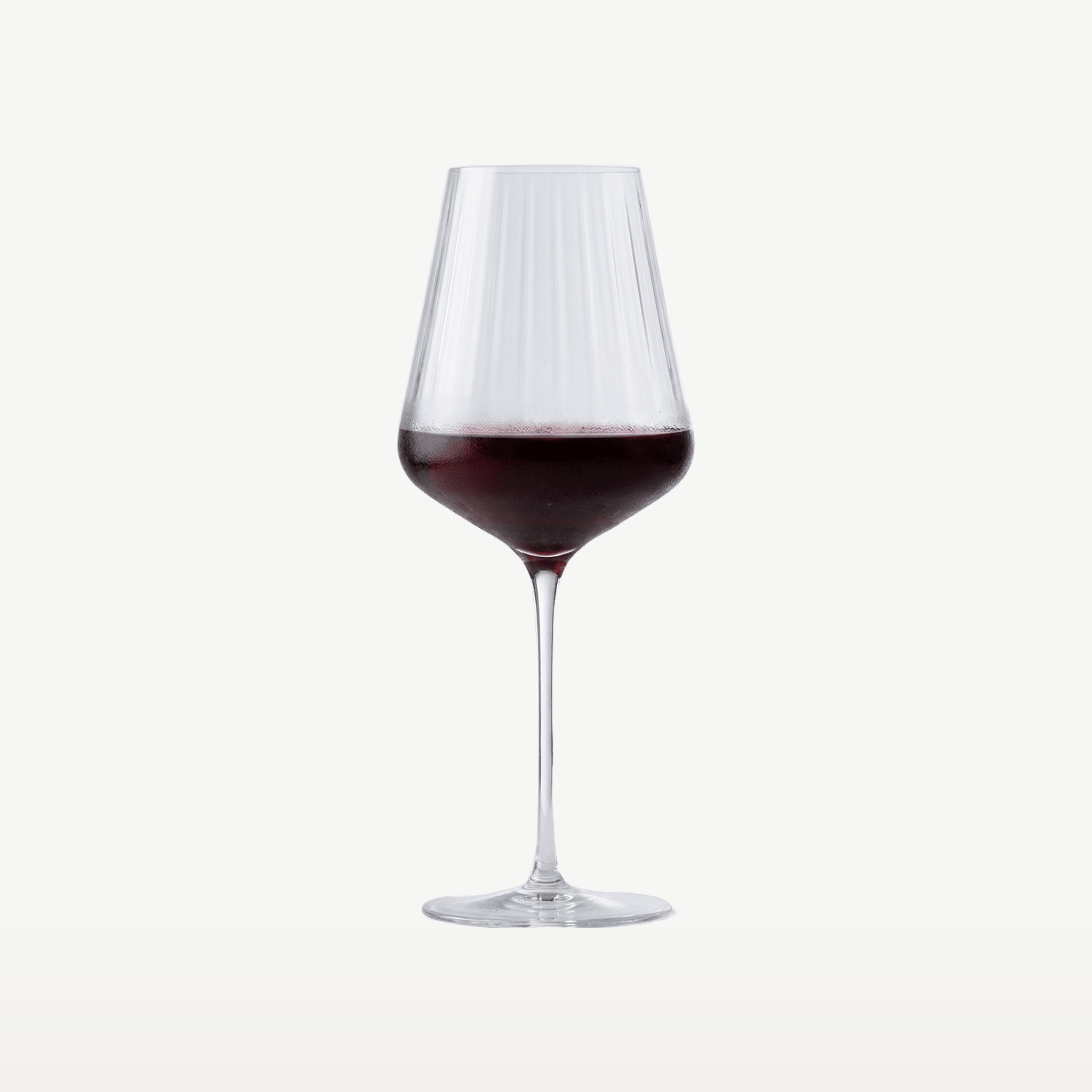
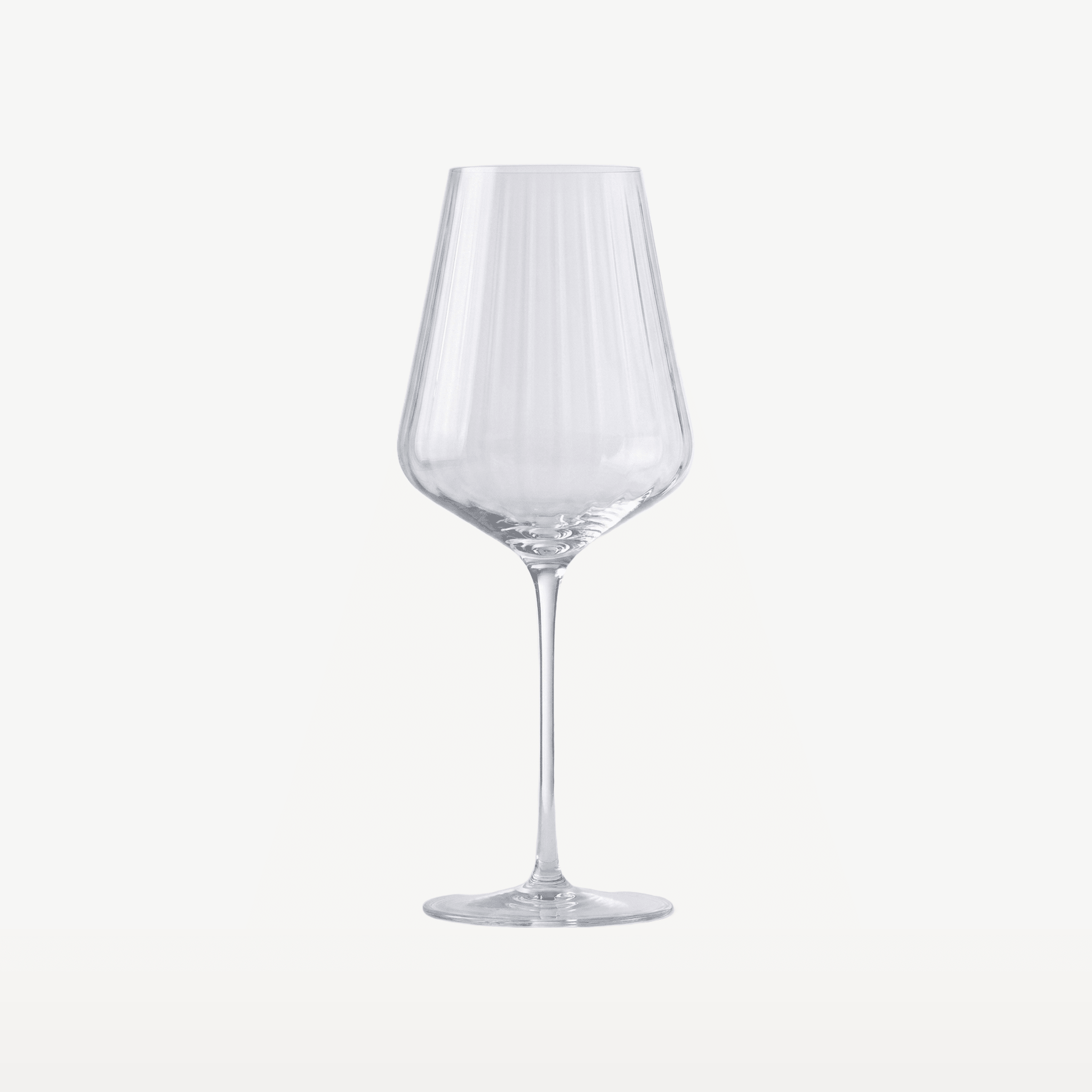
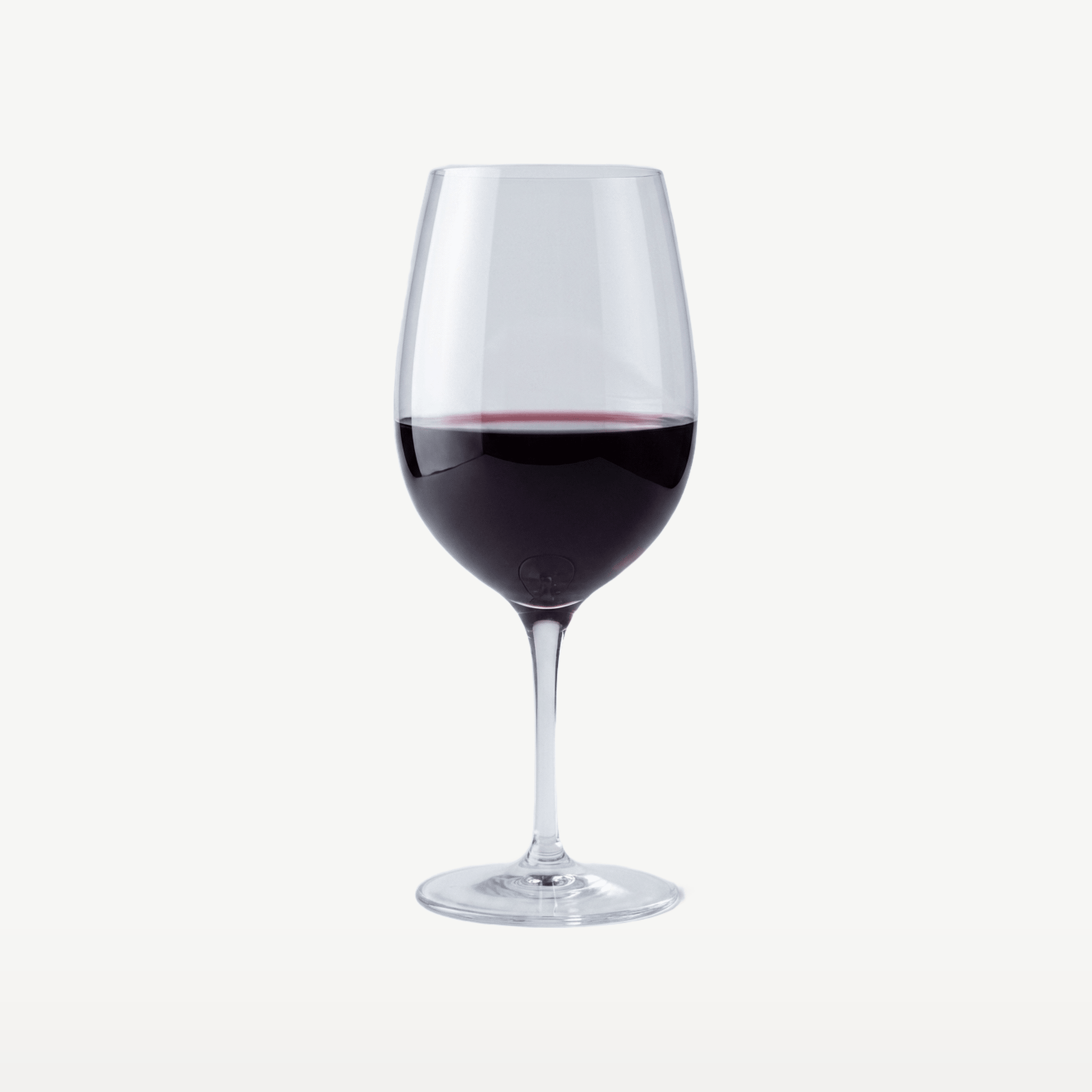
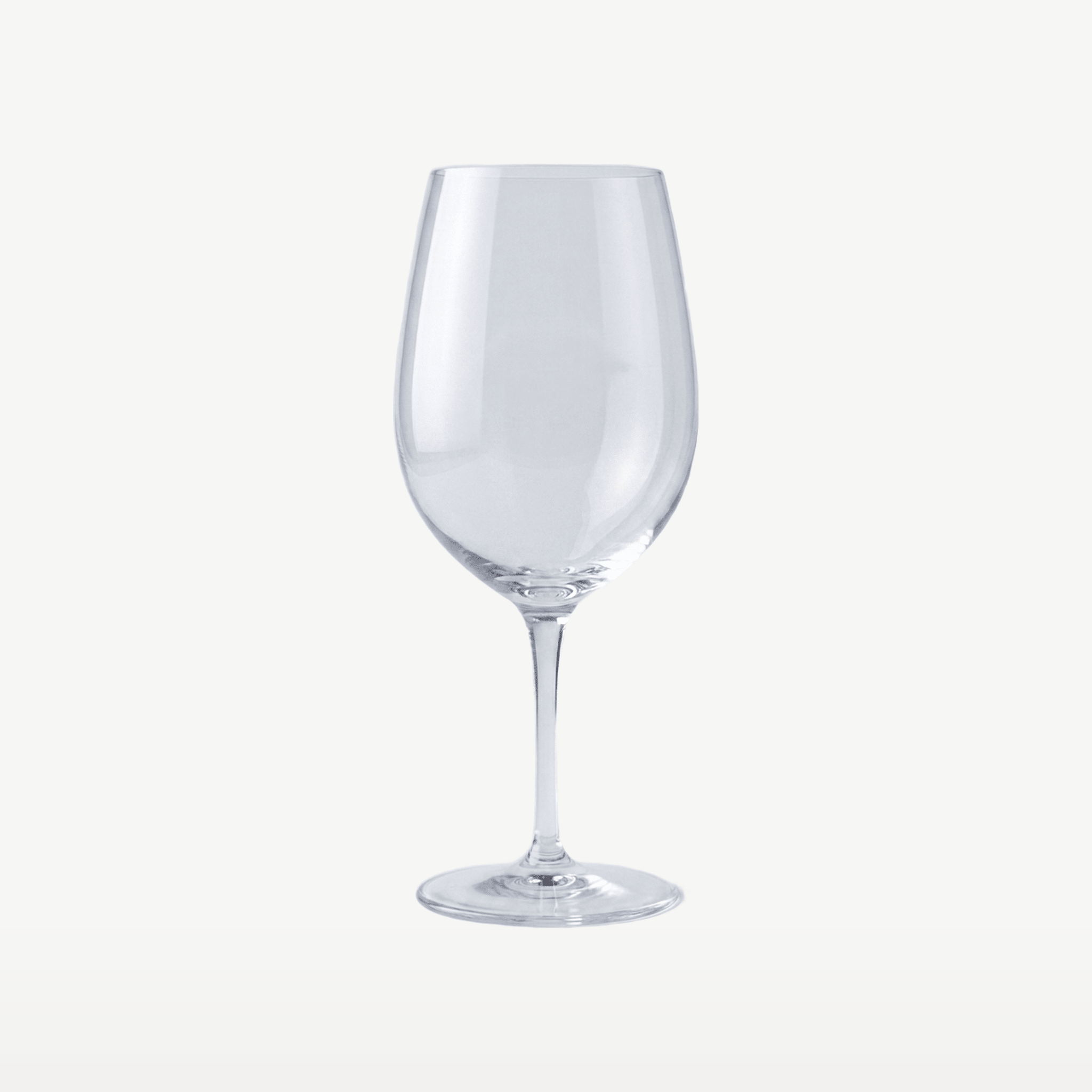
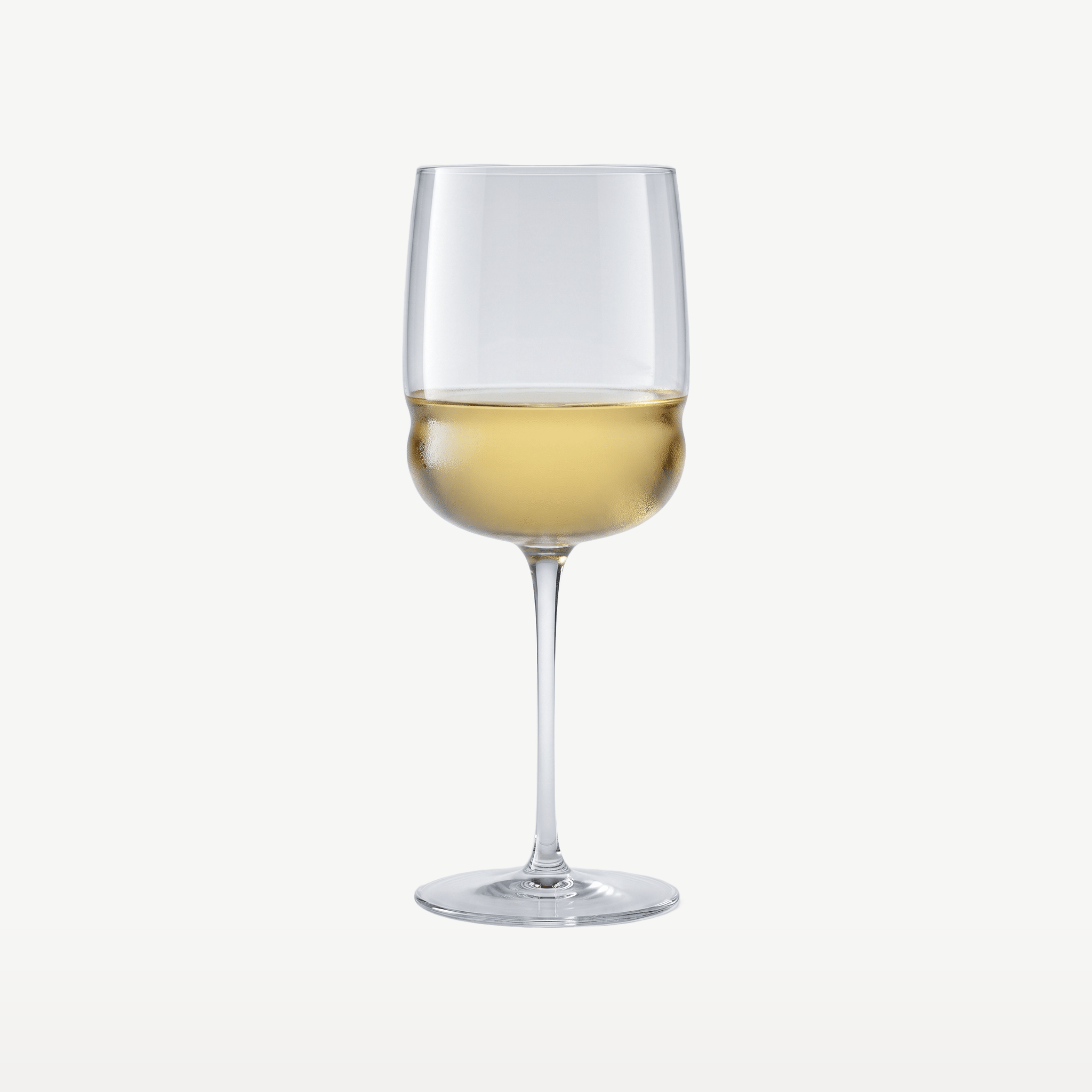
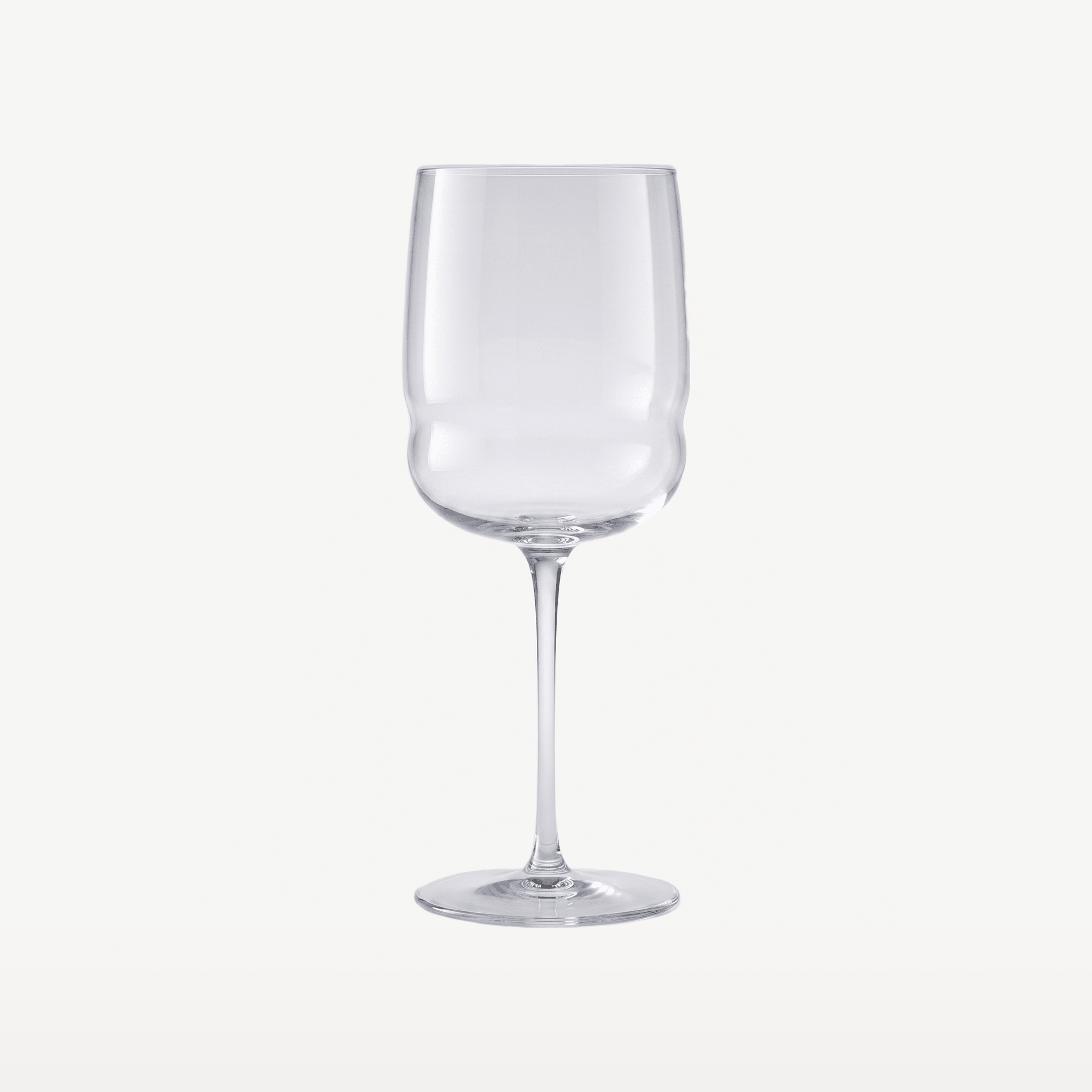
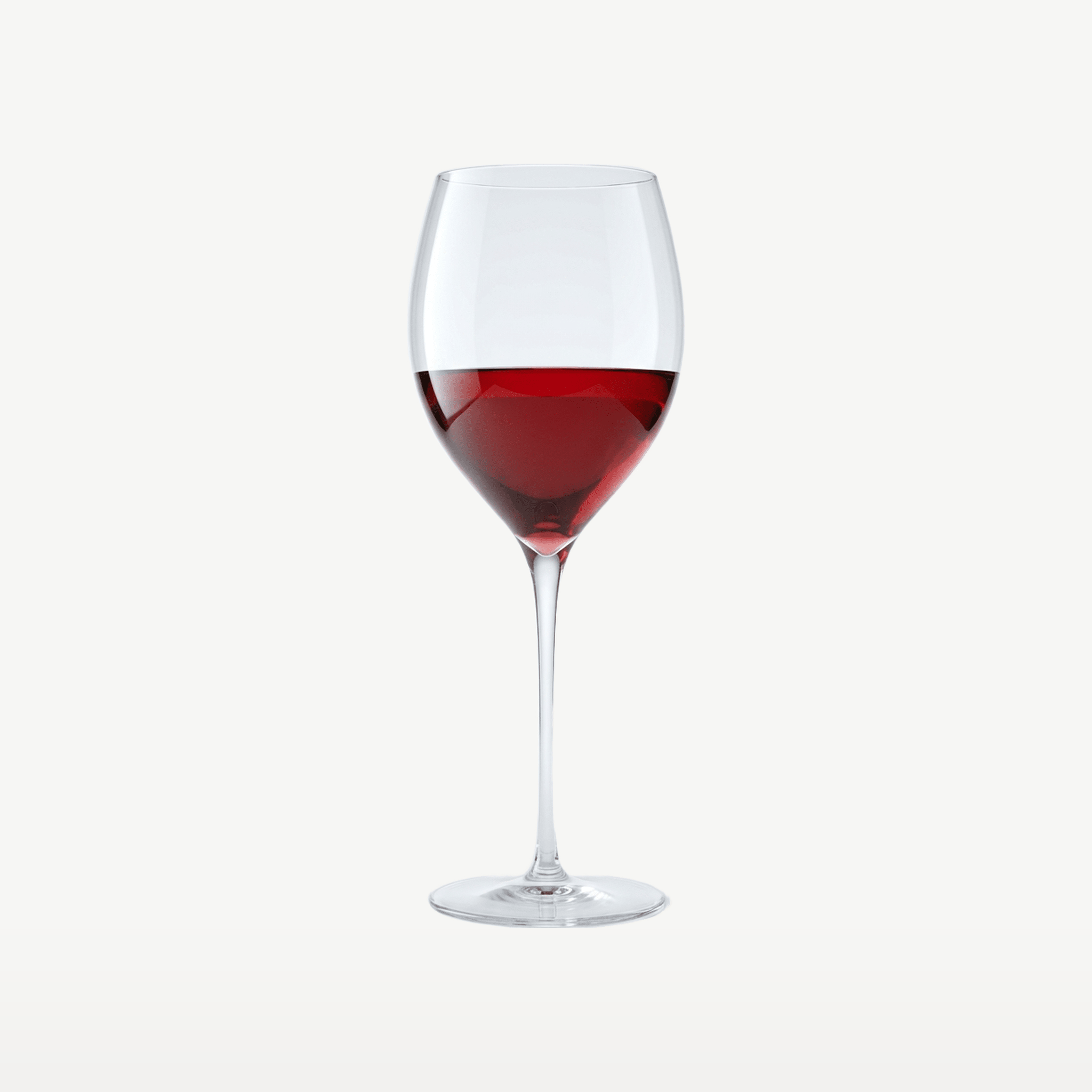
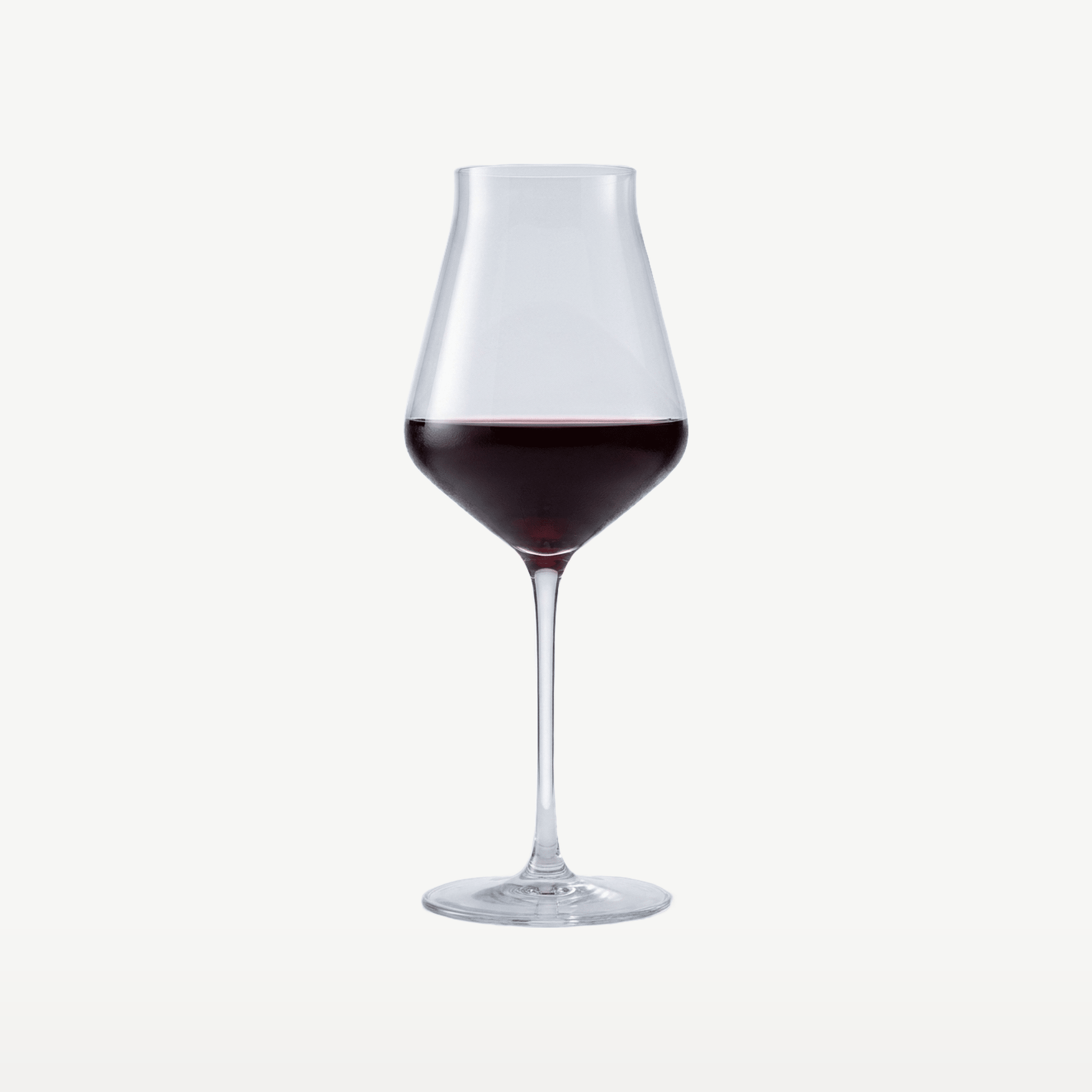
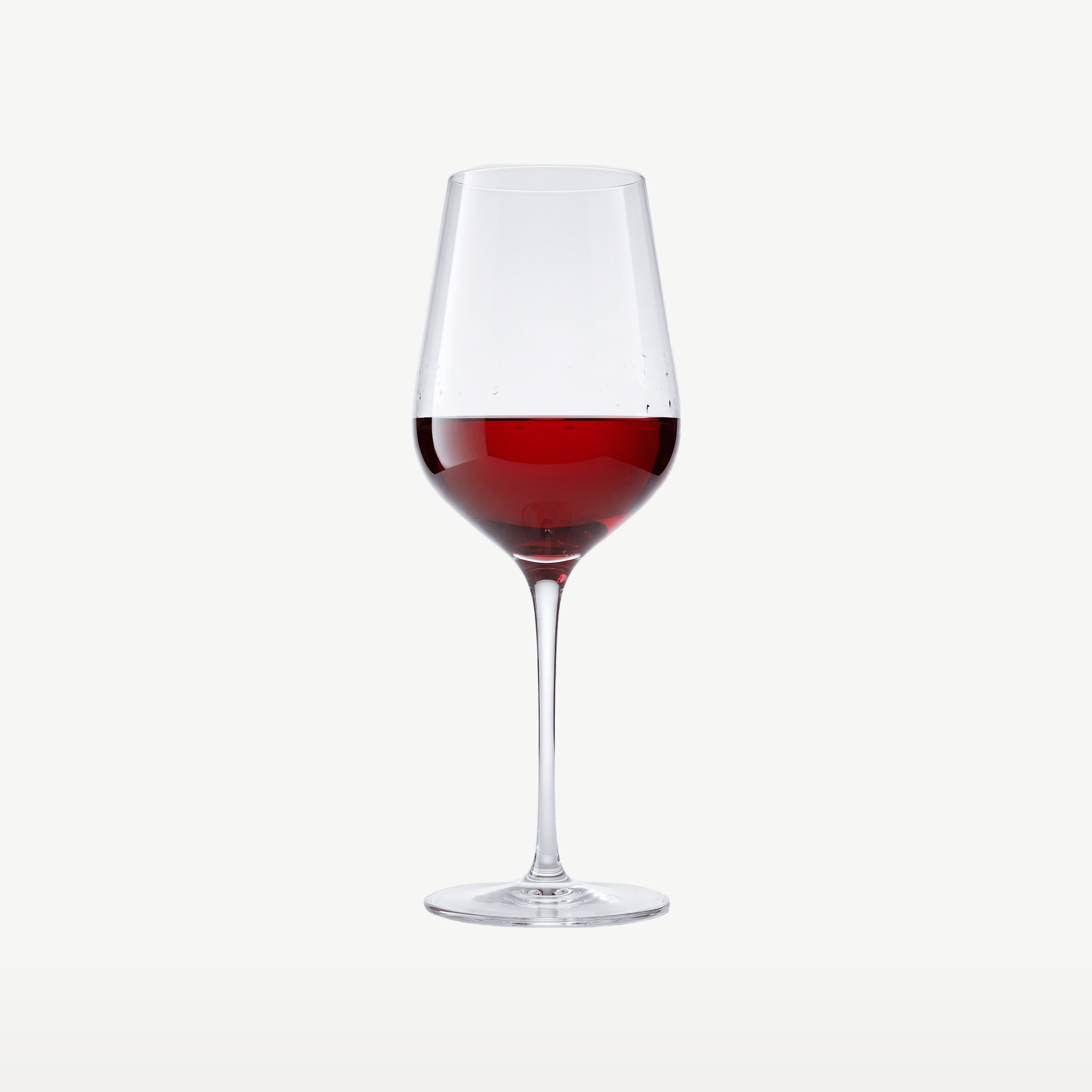
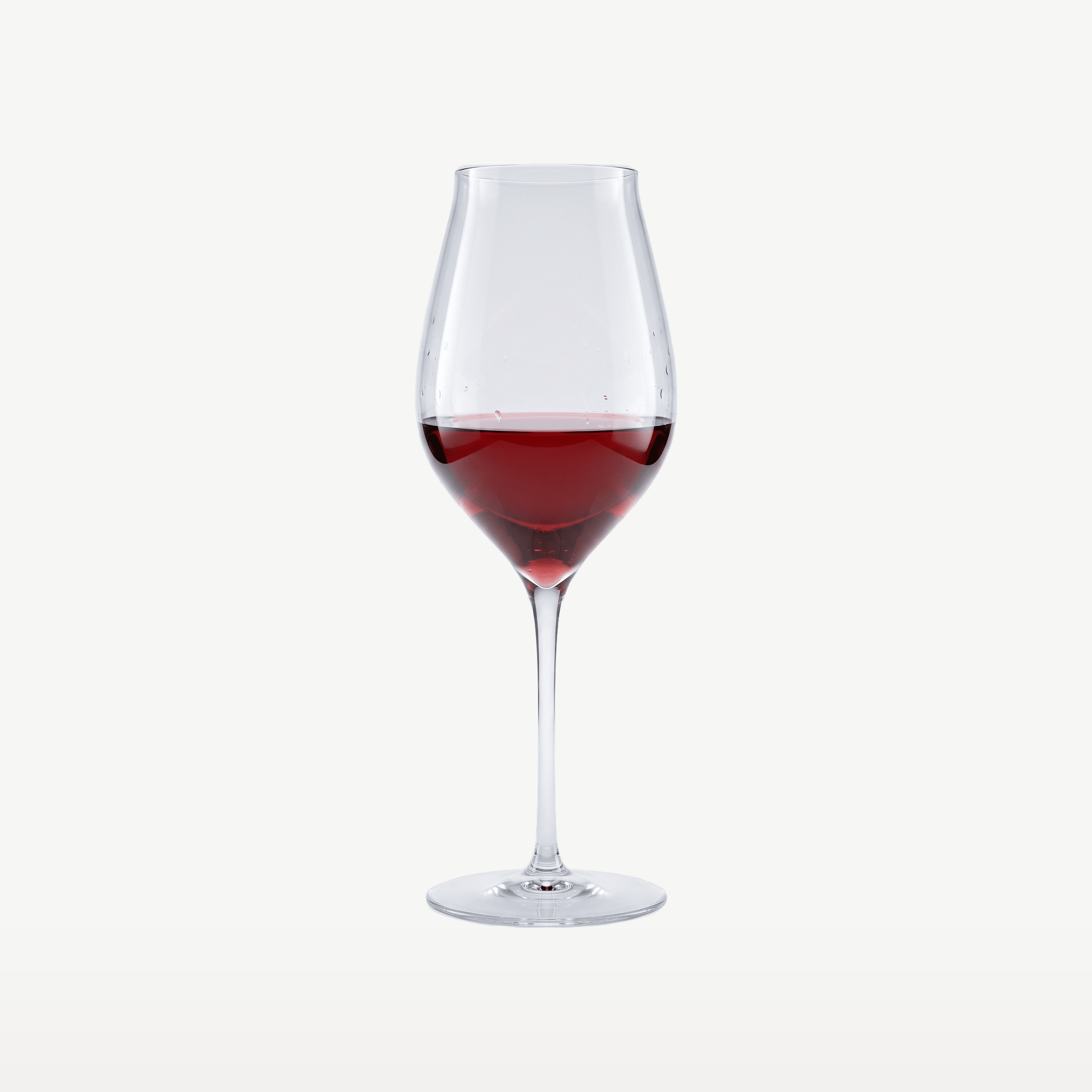
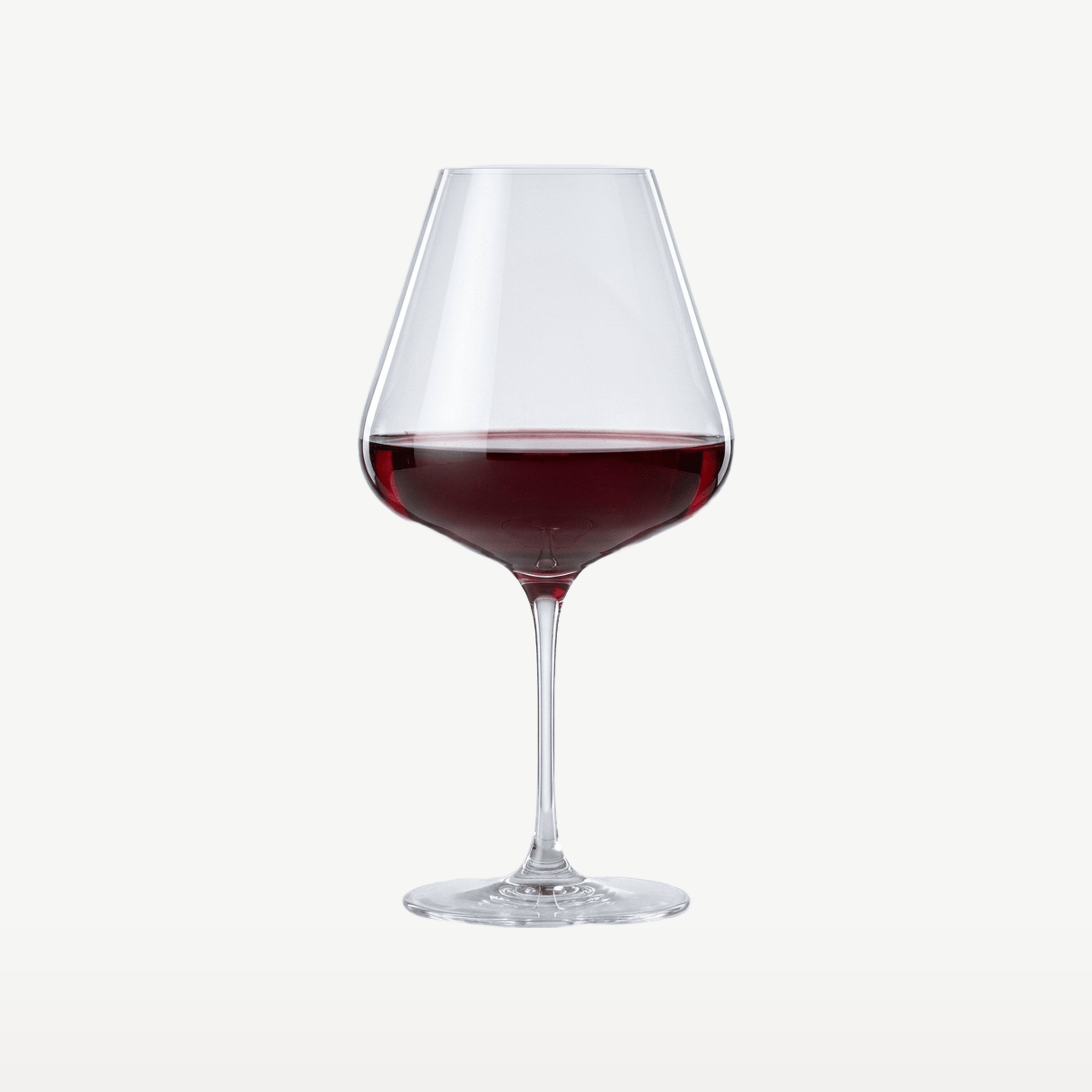
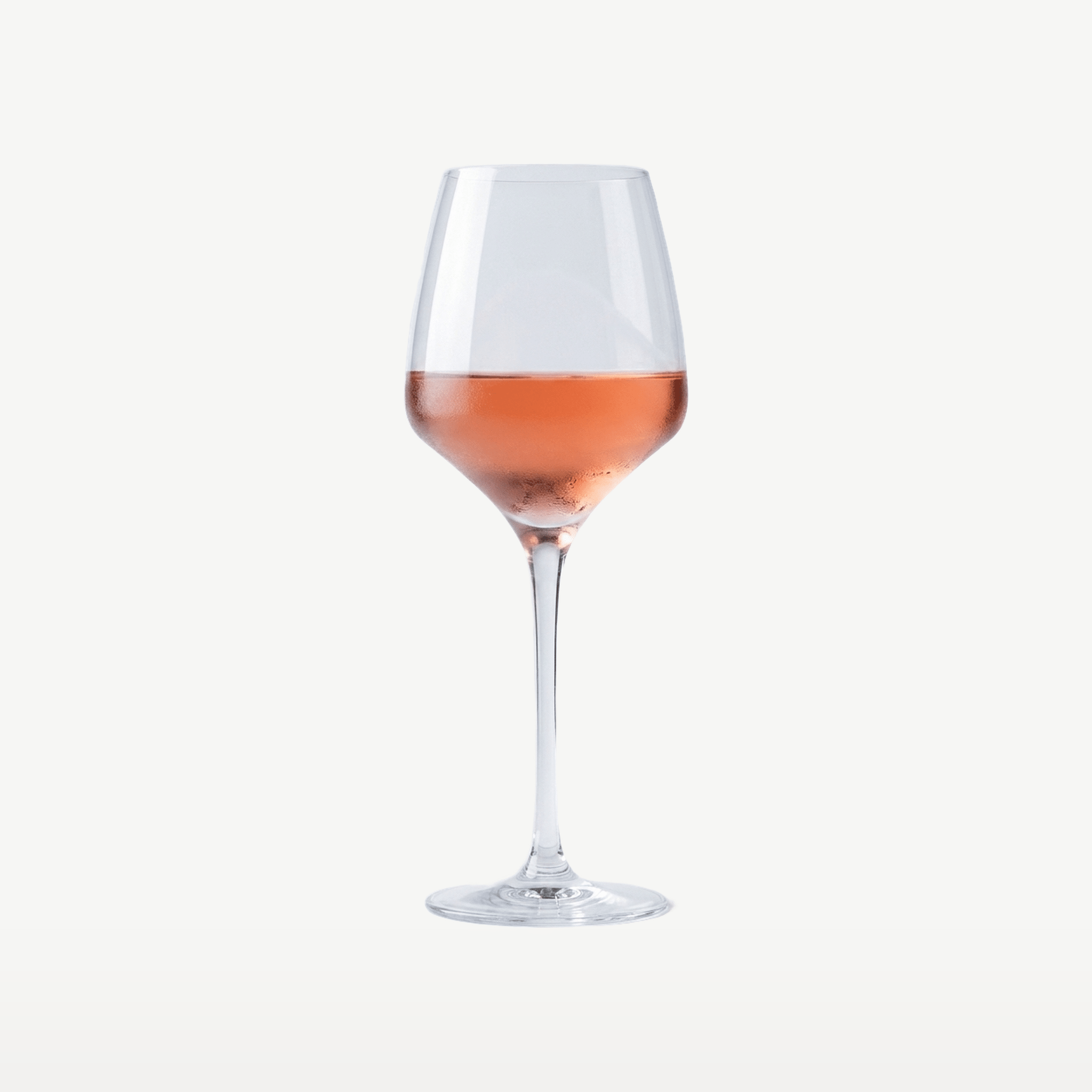
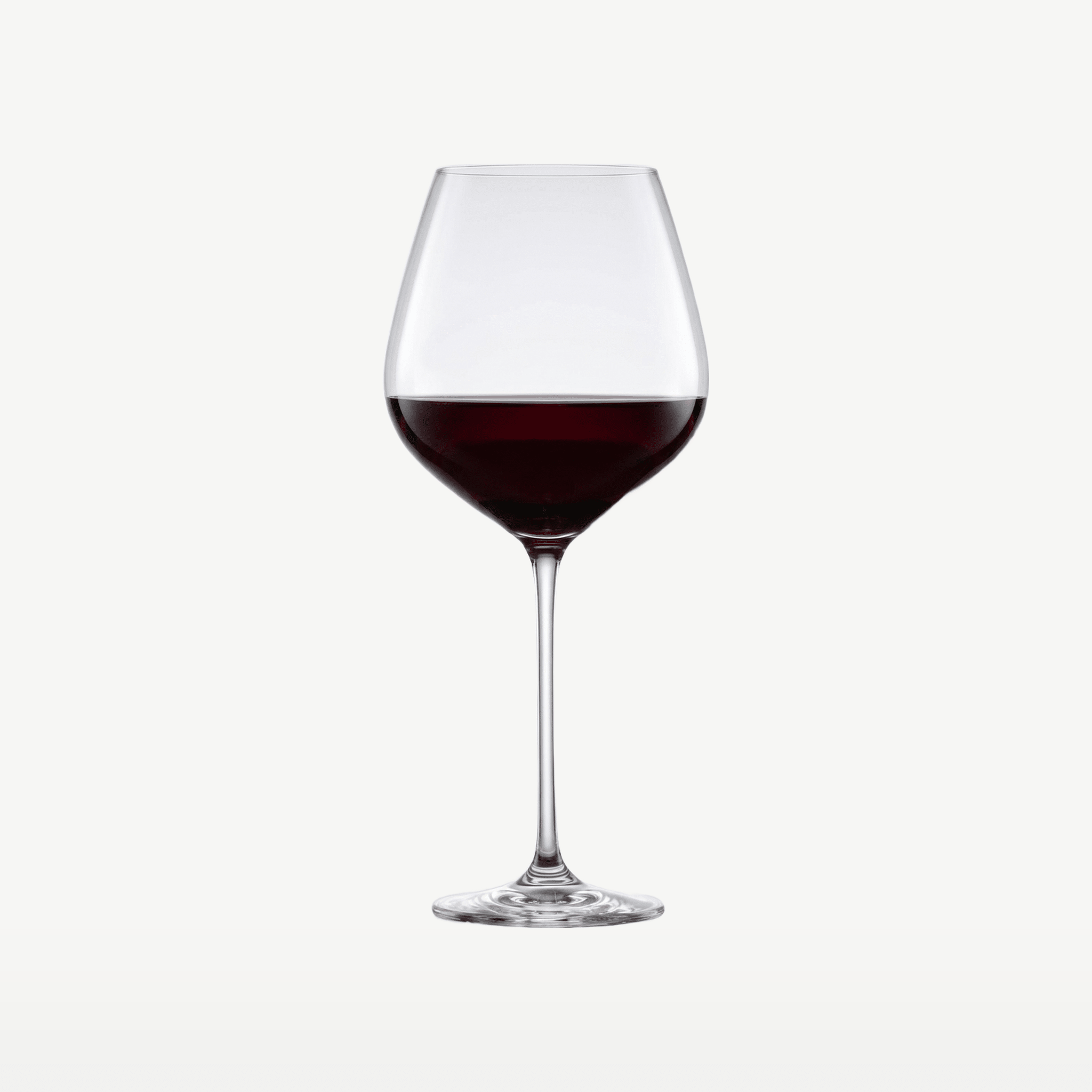
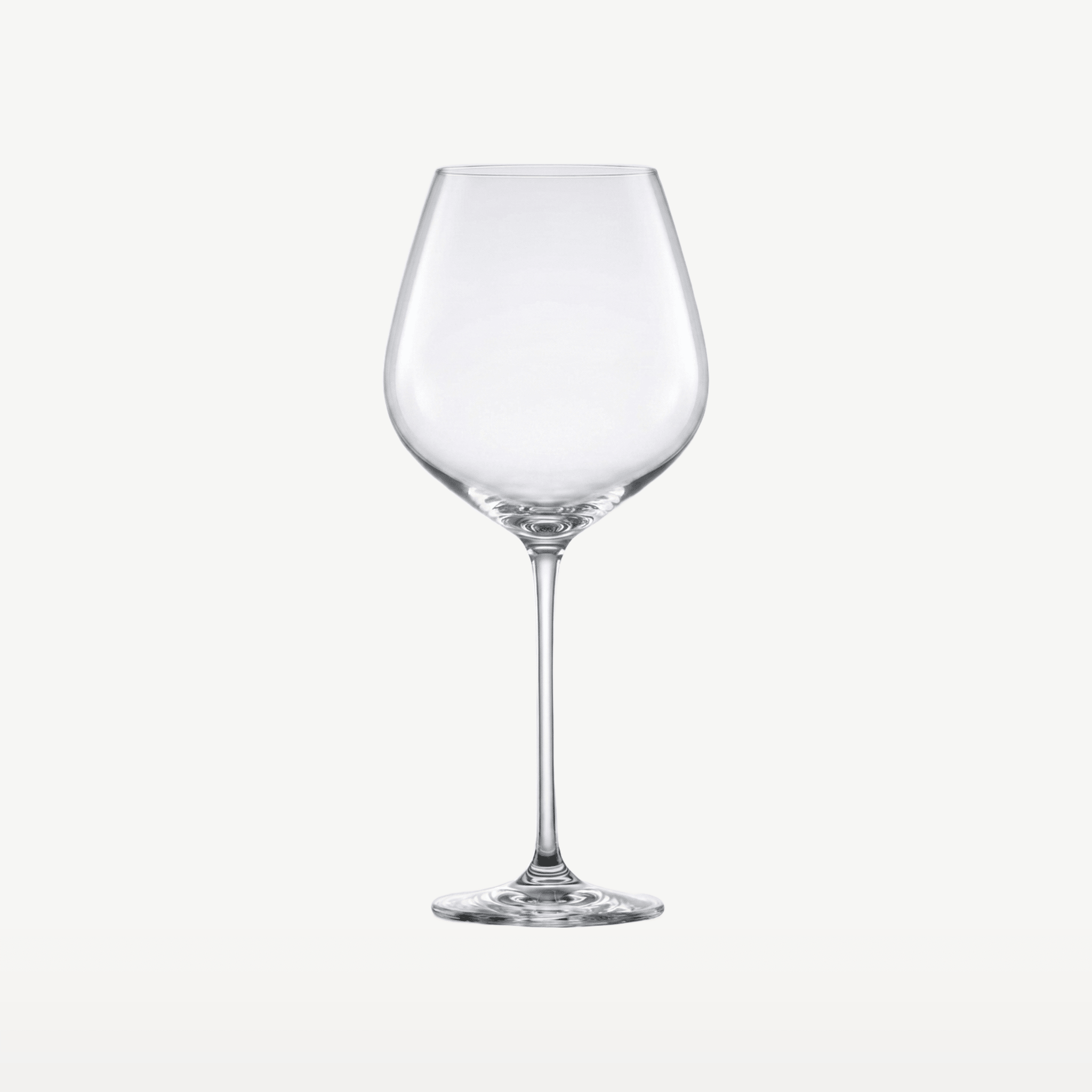
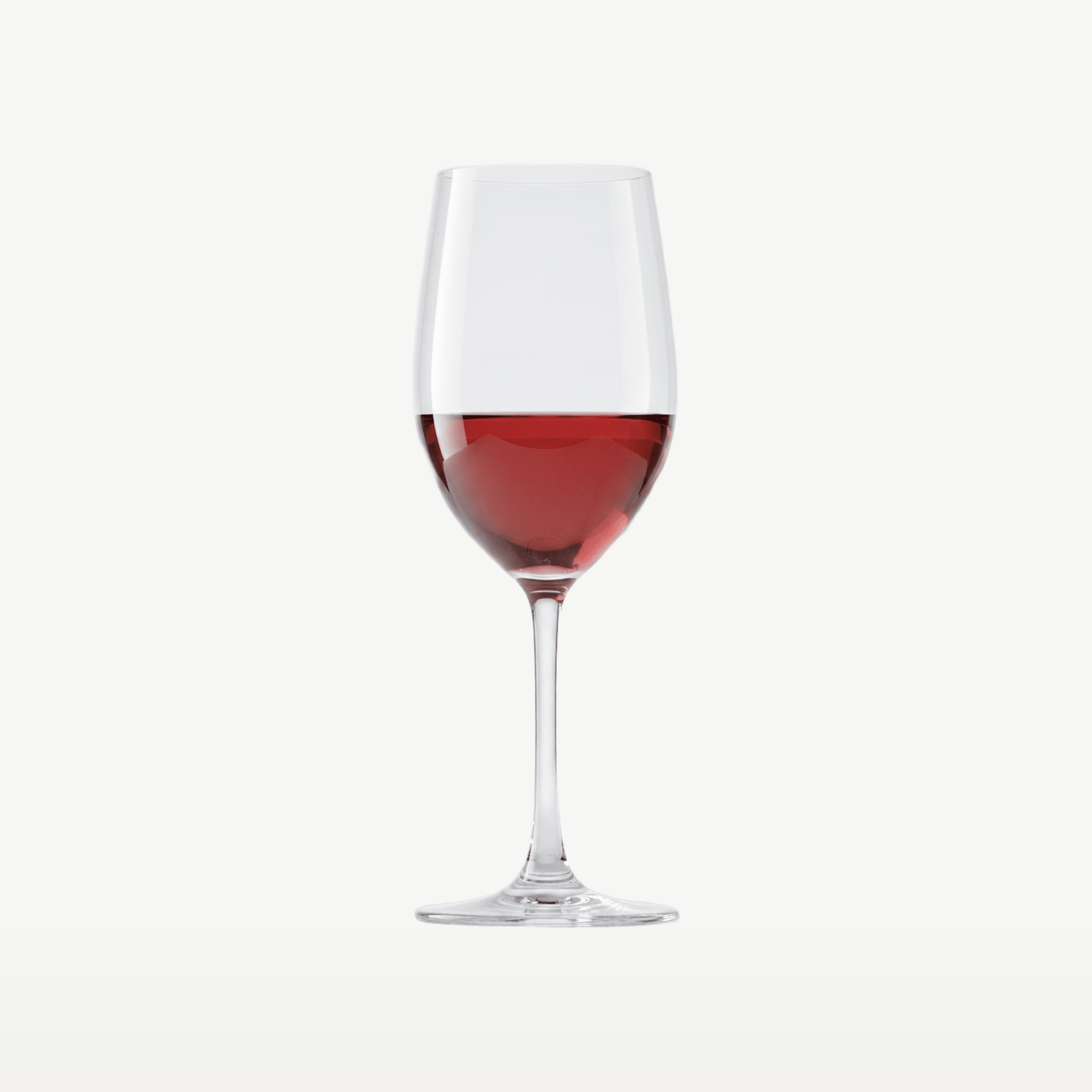
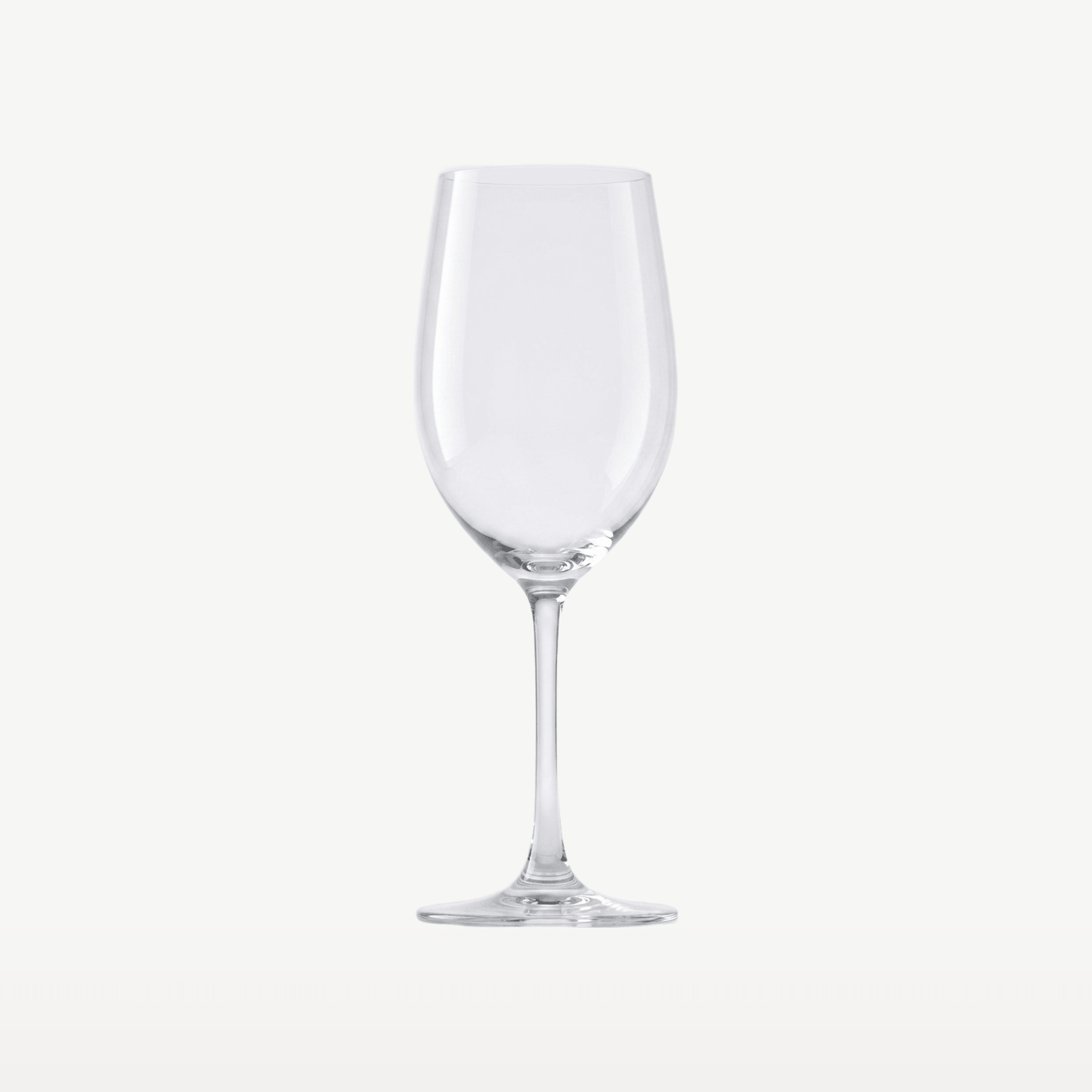
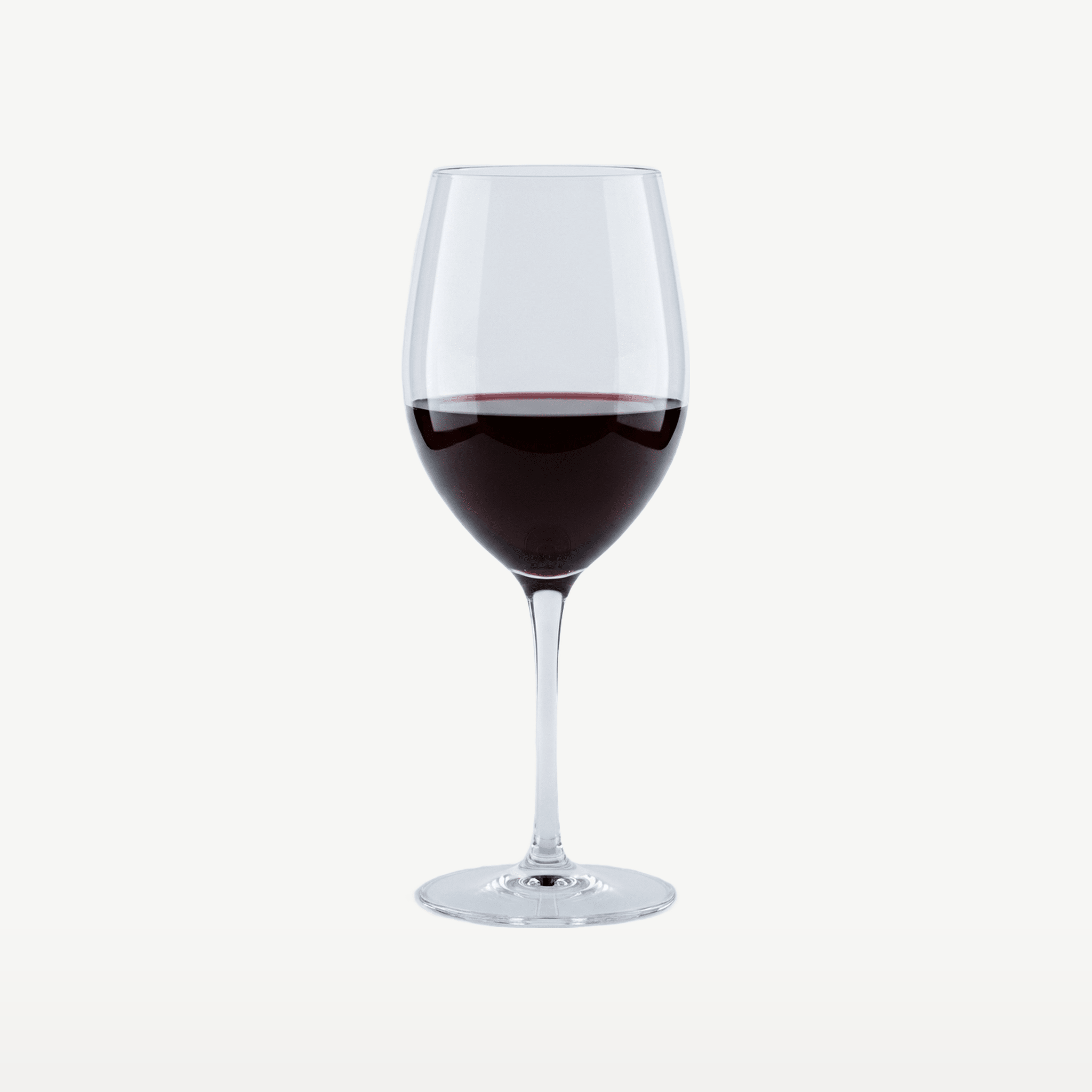
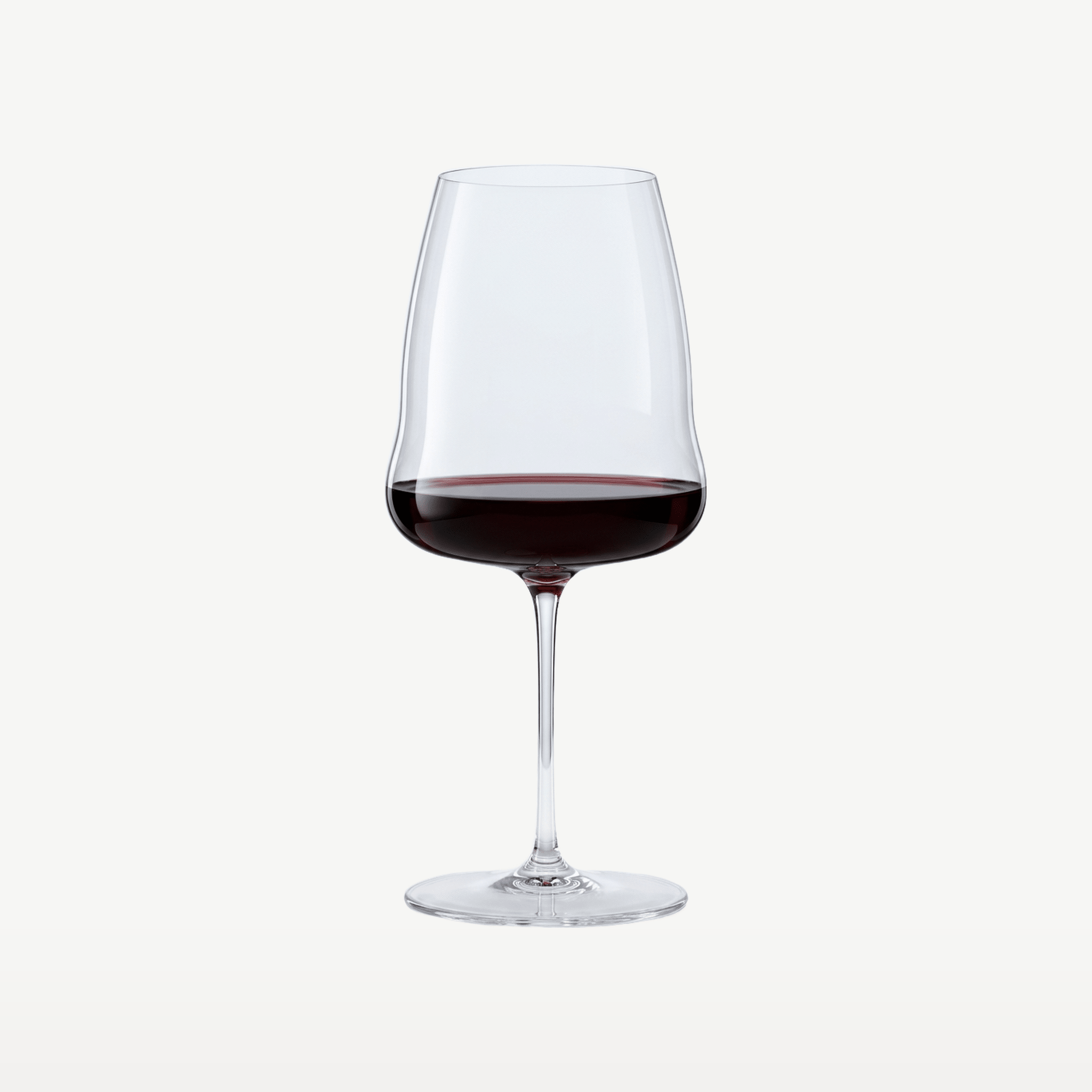
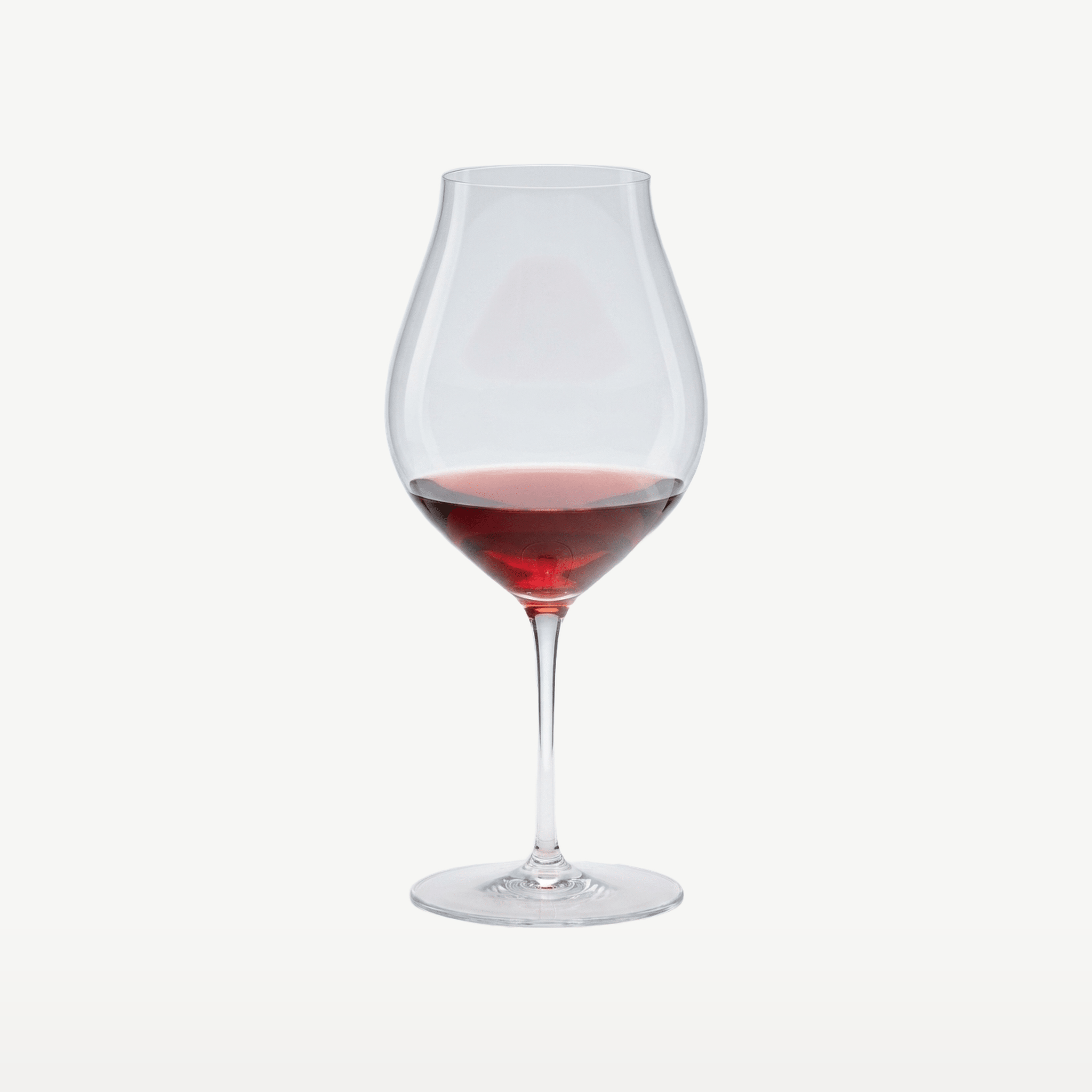
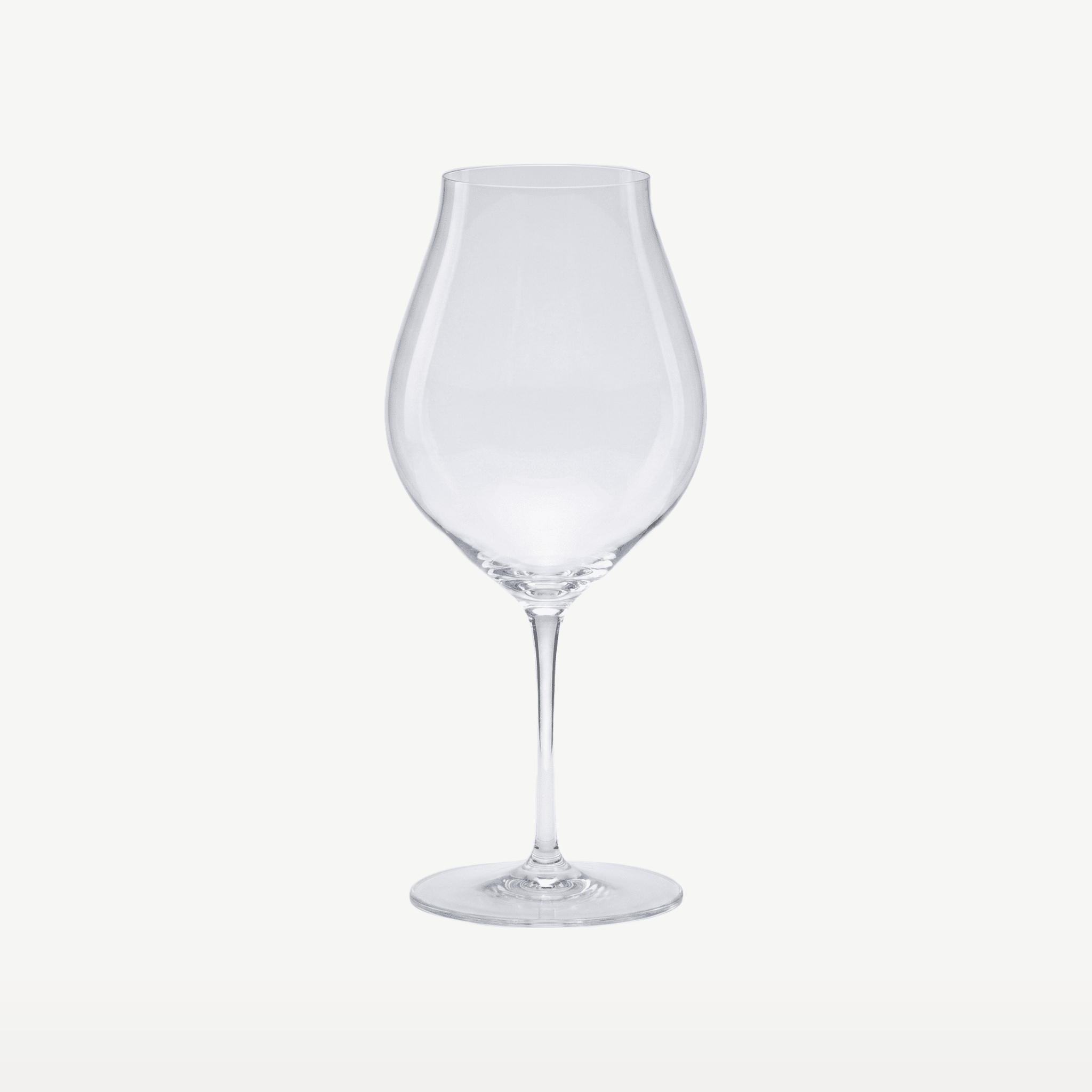
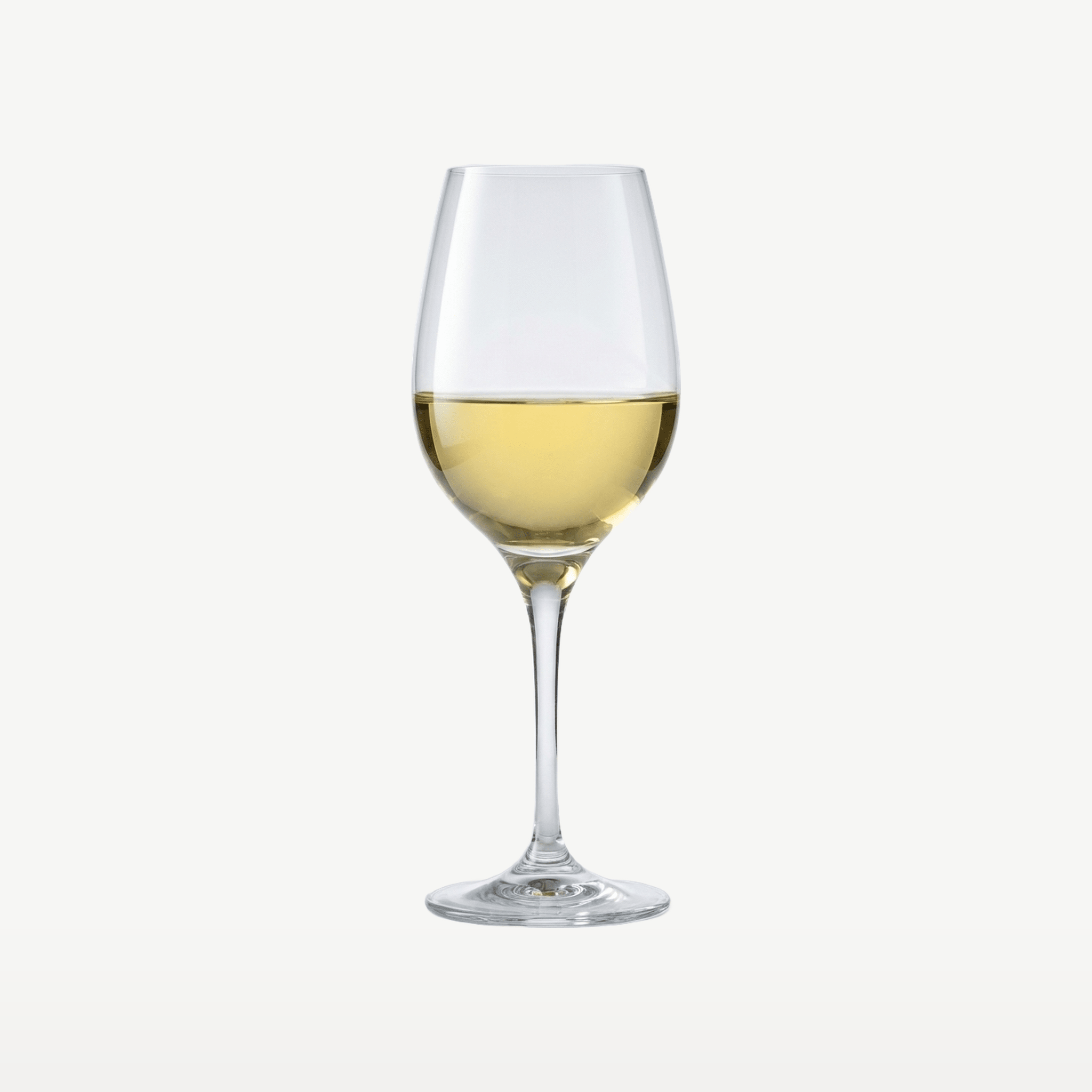
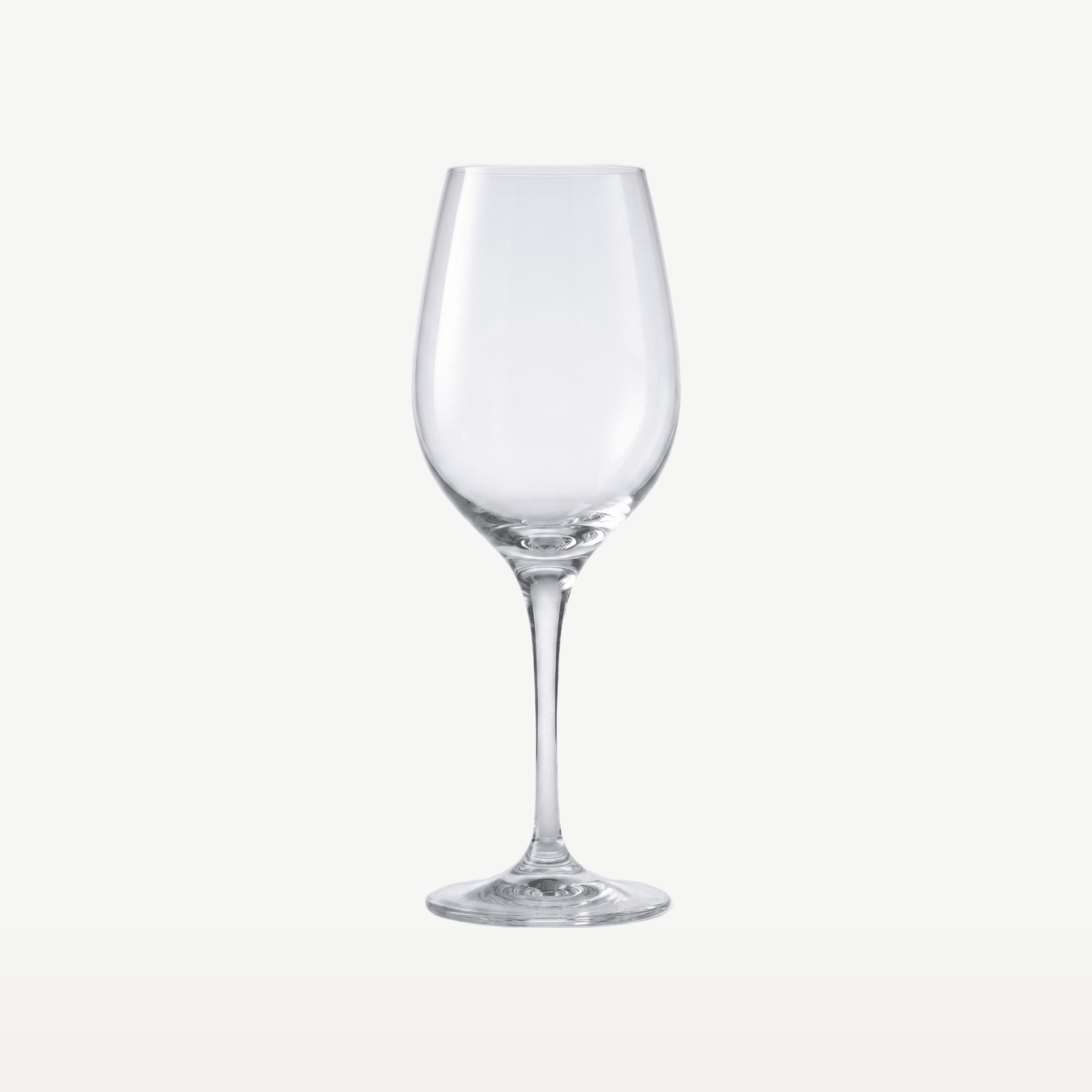
Recepten voor dit glas
Niet zeker welk glas je nodig hebt? Deze cocktails schenk je hierin.
 SangriaRed wine & fruit · Easy
 Aperol SpritzAperol & prosecco · Easy
 AmaroneRed wine · Wine
 Bordeaux wineBordeaux blend · Wine
 MalbecRed wine · Wine
 NebbioloIn a Burgundy glass · Wine
 Orange wineWhite grapes fermented on the skins · Wine
 Ribera del DueroRed wine · Wine
 Pornstar MartiniVodka & passievrucht · Gemiddeld
 Espresso MartiniVodka & espresso · Gemiddeld
107 recepten, elk met het glas dat erbij hoort.
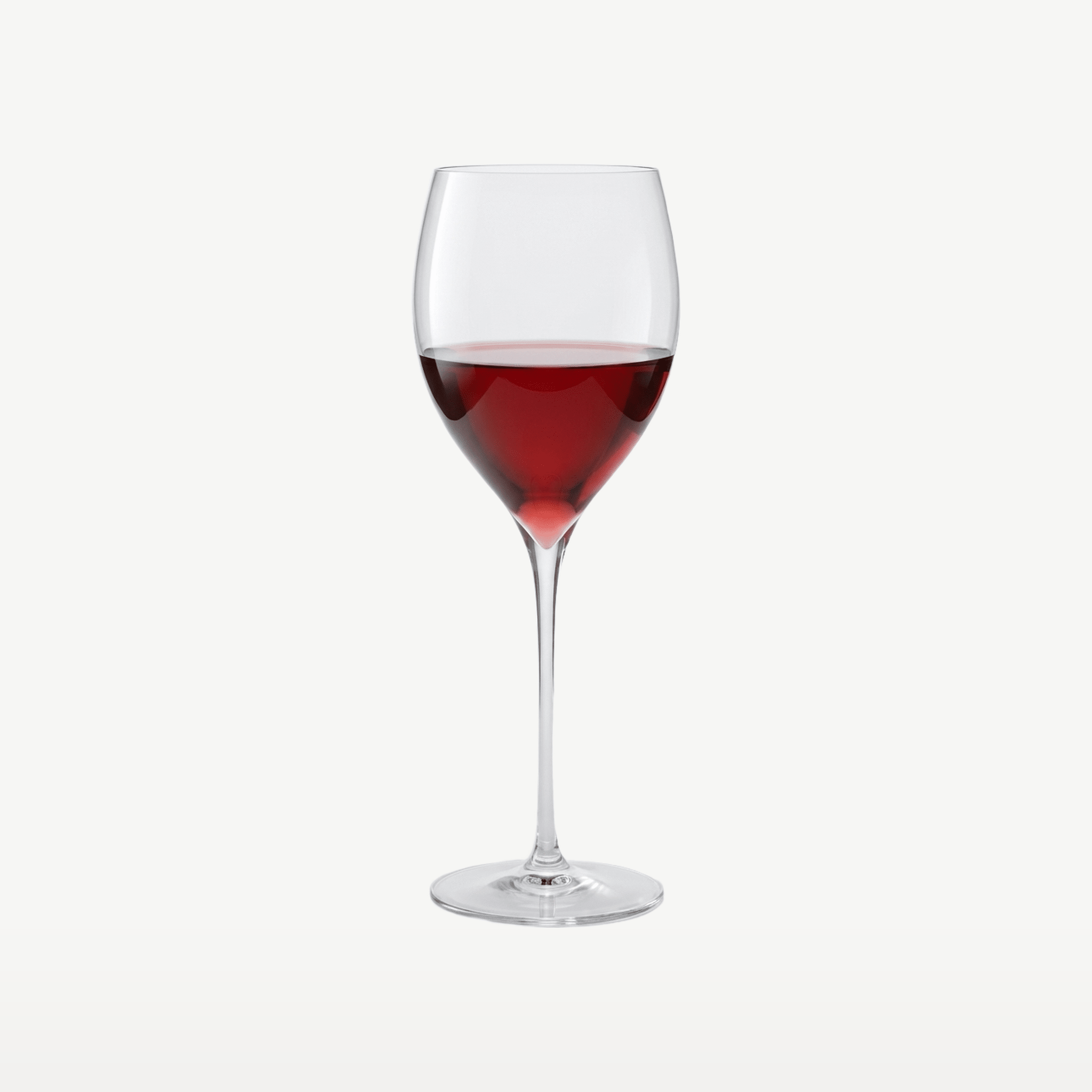
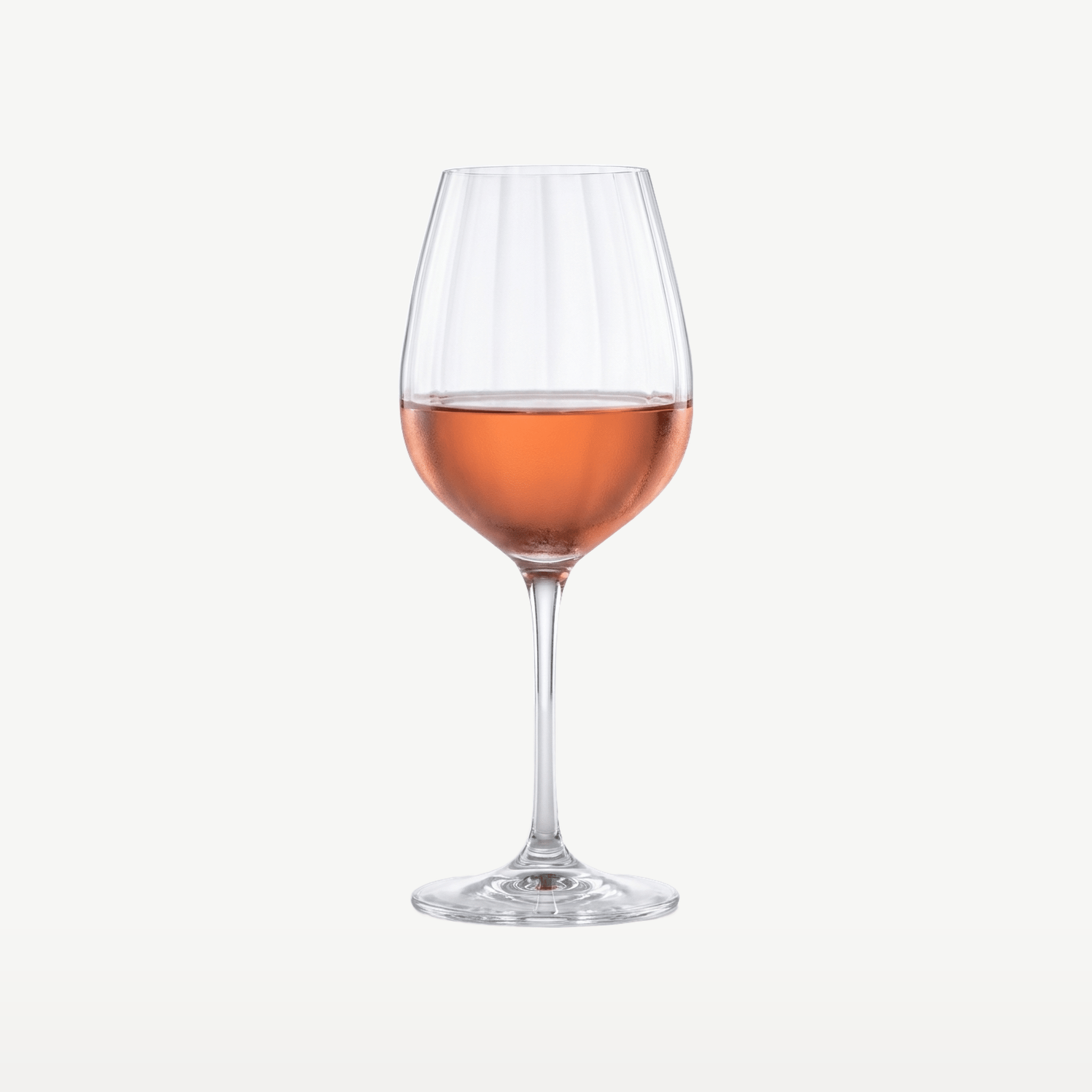
The size at which a wine glass counts as large
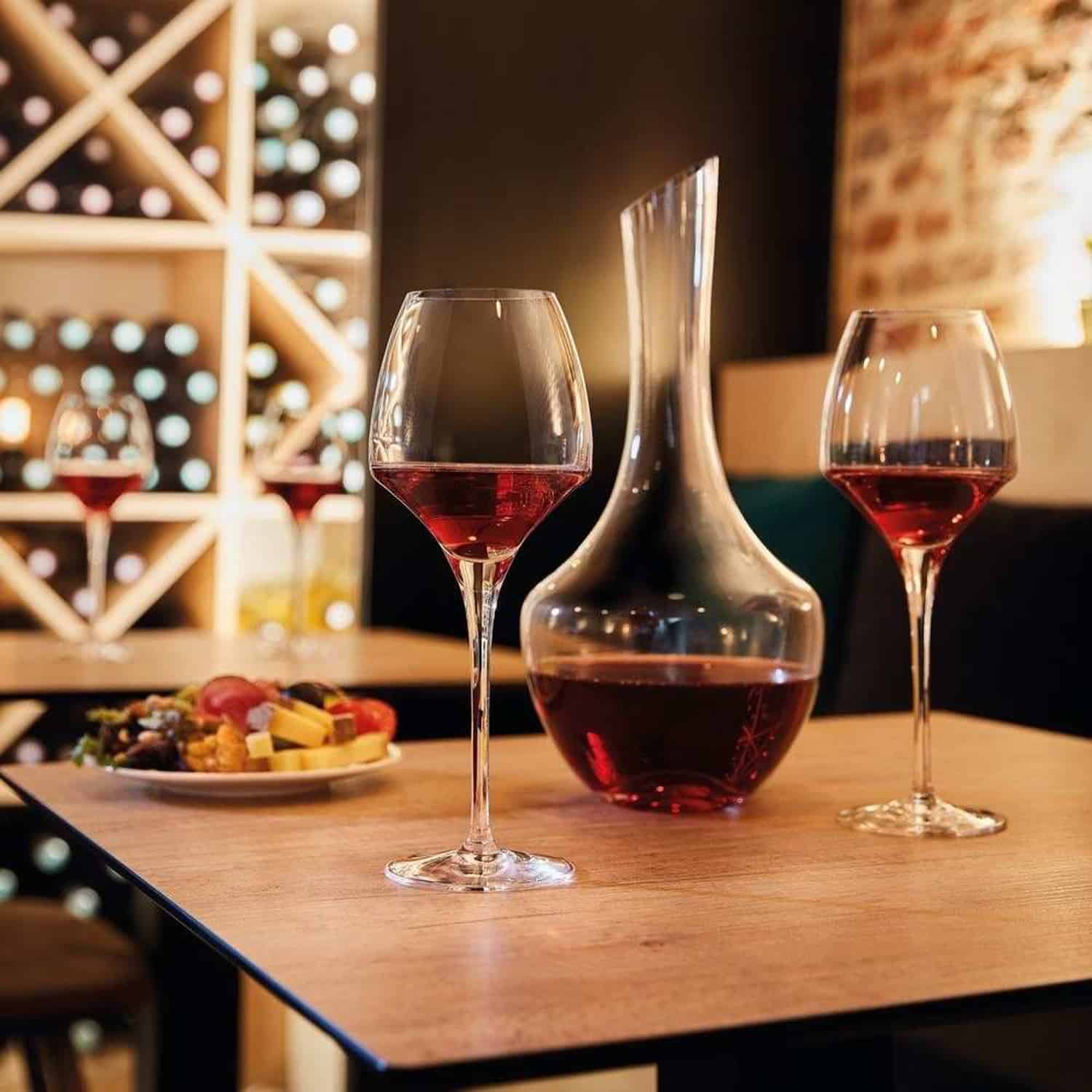
Filling to a third, and why that is right

Strong glass with a thin rim

Looking further along the shelf
€50
Free shipping from
Free in the Netherlands from €50 and in Belgium from €75. All glasses and series count together.
40%
Business advantage
For hospitality businesses and companies, up to 40% standard discount with a business account.
Business ordering
100+
8.5 out of 350+ reviews
What do customers say about us?
A selection of our recent reviews on Feedback Company. Read all reviews for the complete picture.
Rob Vermeulen
Received the glasses in perfect condition
Received the glasses in perfect condition. Ordering was easy. I checked the background beforehand, and fortunately, everything was in order.
C.
Totally happy
The ordering process was easy and delivery was fast. The product was of very high quality, so I am completely satisfied.
Bianca
Shipped well packaged
Clear communication, good service, and everything shipped well packaged!
From how many cl does a wine glass count as large?
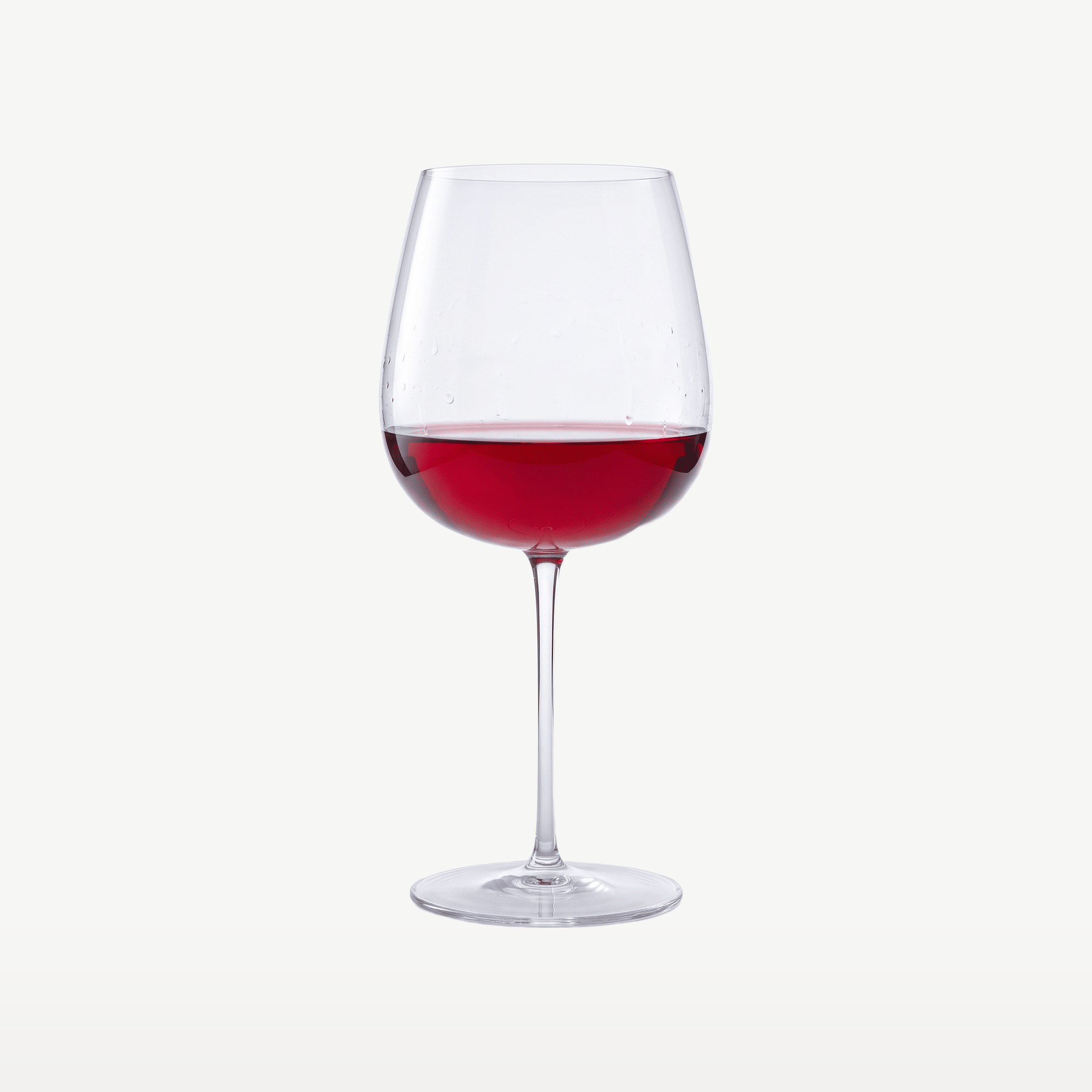
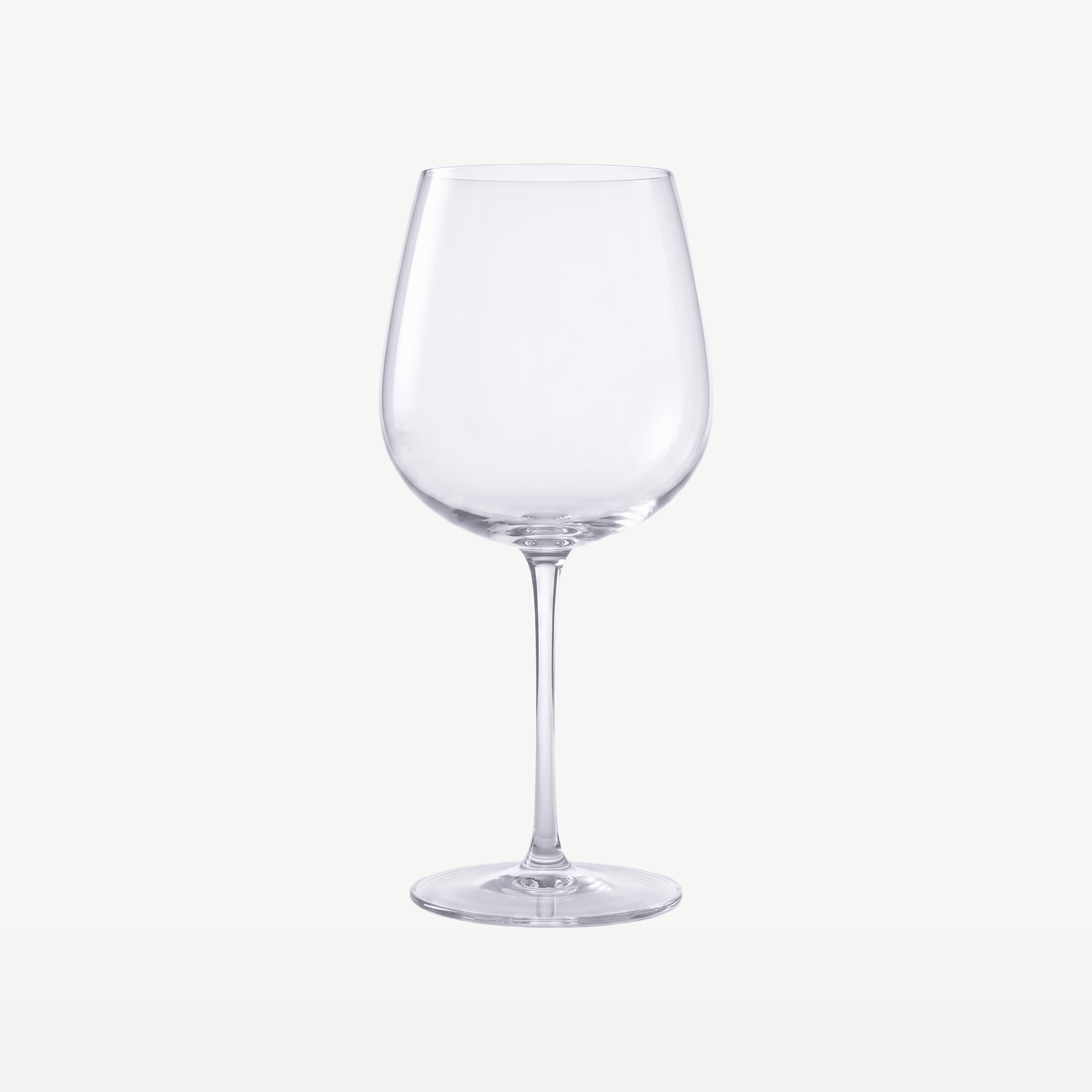
A standard wine glass sits at around 35 to 40 cl. Anything from roughly 45 cl counts as large, and the roomiest Burgundy bowls run up to 96 cl. Those you only fill to a third, though.
How full do you pour a large wine glass?
To the widest point of the bowl, about a third. In a 65 cl glass that is twenty centilitres. Fill it higher and you can no longer swirl, so the aroma never gets released.
Which large wine glasses are the strongest?
Machine-pressed hospitality glass with a short, thick stem and a reinforced stem join lasts longest. Ranges from Chef & Sommelier and Stölzle Lausitz are built for this; thin crystal is more fragile.
Which glass goes with Burgundy and which with Bordeaux?
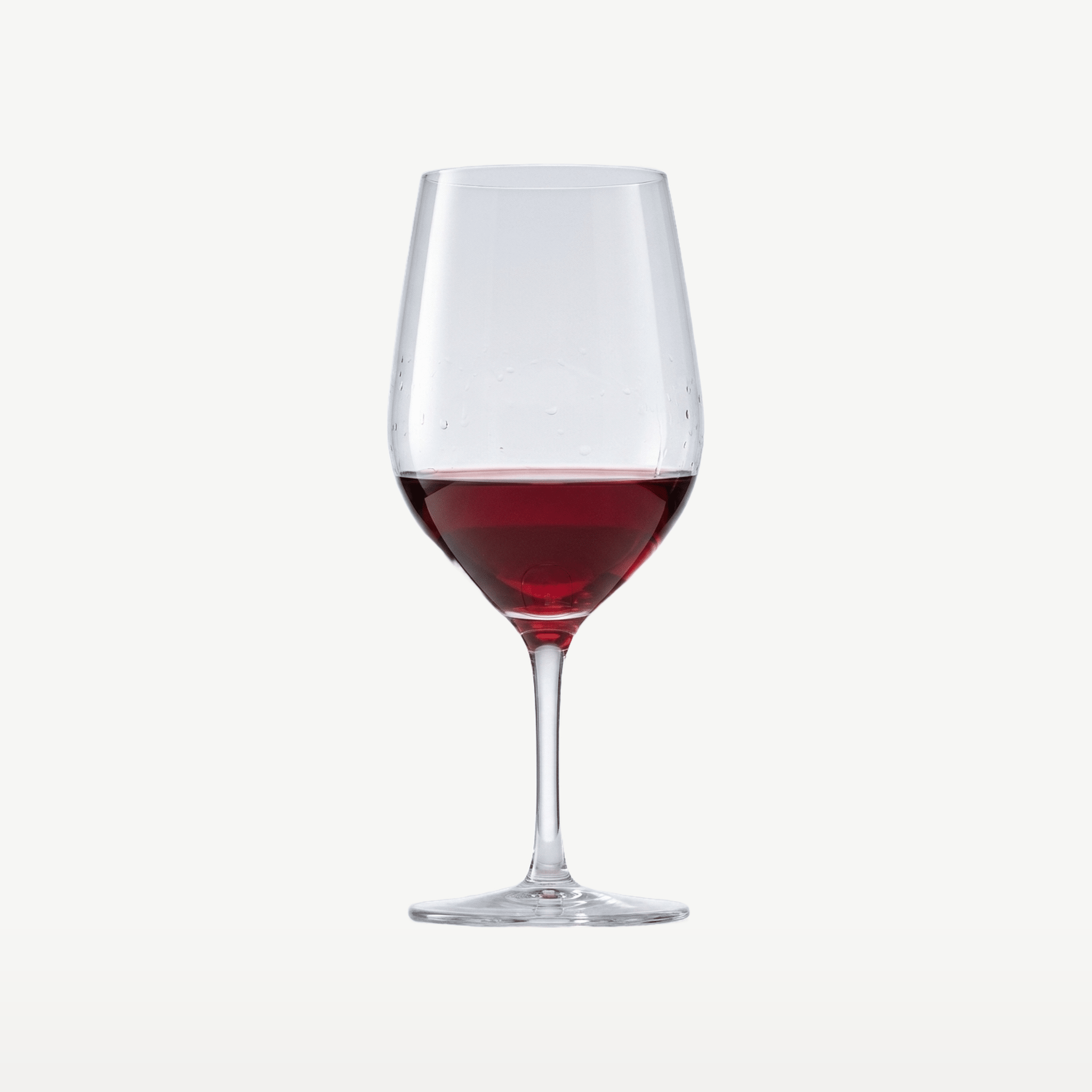
Burgundy and pinot noir want a wide, rounded bowl that tapers towards the rim, from around 80 cl. Bordeaux, cabernet and syrah suit a taller, narrower bowl of 55 to 65 cl.
Do large wine glasses fit in the dishwasher?
Often only if you fold away a row of basket prongs and set the glasses at an angle with the bowl clear. Choose a short programme at fifty to sixty degrees and make sure the bowls never touch.