

Chardonnay
Chardonnay is dry. Very little residual sugar remains in the wine after fermentation. What people often mistake for sweetness is the vanilla and butter from oak aging, and those don't come from sugar.


Wine by type and region
Four pages that are closely related to Chardonnay. The shelf it sits on, the region it comes from, the sparkling wine it goes into, and the grape it resembles.
White wine
The entire white wine selection together, from bone dry to as sweet as dessert wine. For each grape, read what you'll find in your glass.
About white wine →Burgundy
This is where the Chardonnay grape comes from, and it is still one of the most important white varieties there.
About Burgundy →
Champagne
Chardonnay is one of the three grapes permitted in Champagne. Blanc de blancs is made only from Chardonnay.
About Champagne →
Sauvignon blanc
An unoaked Chardonnay tastes similar, though Chardonnay is a little fruitier and softer.
About Sauvignon Blanc →A grape from Burgundy, not a region or a champagne
Chardonnay is a grape variety. It’s not Champagne or a wine region. The grape originally comes from Burgundy in France and is still considered one of the most important white grape varieties there. Think of famous white Burgundies such as Meursault, Pouilly-Fuissé and Chablis. Because the grape is hardy, easy to grow and not prone to disease, it’s now grown all over the world. Germany, Italy, the United States, South Africa—almost every wine-producing country makes Chardonnay. You can recognize it by its pale yellow color and aromas of tropical fruit, citrus, vanilla and toasted nuts.
Is Chardonnay dry or sweet? Dry. There's very little residual sugar left after fermentation, so the wine is on the dry side. It's a medium- to full-bodied white wine. Oak-aged Chardonnay has fairly low acidity, while unoaked Chardonnay has medium acidity. People often say Chardonnay tastes sweet because of how it's aged. Chardonnay aged in oak is full of warm flavors like vanilla, butter and even caramel. This makes the wine fuller and creamier, without adding any sweetness. Especially when combined with the ripe tropical fruit the grape already has.
In brief
Six bottles, from steel to oak
The biggest difference between these wines comes down to how they’re aged. Chardonnay aged in steel tanks comes from cooler regions and stays fresh. Most oak-aged Chardonnay comes from warm wine regions and is full-bodied and creamy.

Chablis la Pierrelée
The fresh side of Burgundy. Chablis is known for its minerality, with lemon, green apple and white blossom. No oak here, and you can taste that in the crisp acidity.

Brocard Burgundy
A white Burgundy from outside Chablis. Fresh, with citrus and pear, and creamy on the palate. At 14 percent, the boldest bottle in this selection.

La Palma Chardonnay
One hundred percent Chardonnay, with tropical fruit such as pineapple and banana and a hint of lime. Also peach, yellow apple and toasted hazelnut. Rich, full-bodied and creamy, yet at 12 percent, the lightest bottle here.

Tokara Chardonnay
Ripe yellow fruit, apricot and peach, with a fresh flavor and finish. There's a touch of oak aging that adds to it without taking over. That puts it right between stainless steel and oak.

Penfolds Koonunga Hill
Ripe and round, with distinct oak flavors. The wine spent a few months in small French oak barrels, gaining depth and a creamy flavor.
La Capitana Barrel Reserve
Half of this full, rich wine spends six months in oak barrels. You can taste the vanilla, butter and toffee, alongside pineapple, papaya, peach and lemon.
Chardonnay from a stainless steel tank is similar to a crisp sauvignon blanc, only a little fruitier and softer.
Dry from sugar, full from oak
Tropical fruit & citrus
You can smell and taste tropical fruit, citrus, vanilla and toasted nuts in chardonnay. The color is pale yellow. In the full-bodied, oaked style, it turns a warm dark yellow.
Dry and medium- to full-bodied
A medium- to full-bodied white wine with very little residual sugar after fermentation. That's why it stays on the dry side. Oak-aged bottles have fairly low acidity. Without oak, the acidity is medium.
Vanilla, butter and caramel
Oak-aged chardonnay is full of warm flavors like vanilla, butter and even caramel. Many people perceive these as sweet, but there's no sugar behind them. Oak makes chardonnay fuller and creamier, not sweeter.
Flavor profile of a typical chardonnay. A stainless-steel-aged bottle like Chablis scores higher on freshness, while an oak-aged one scores higher on richness; sweetness stays about the same.
How to pour chardonnay
Chardonnay is best served chilled. How cold depends on the style in the bottle.
Chardonnay temperature, 8 to 12 degrees
Chardonnay is usually best enjoyed between 8 and 12 degrees. A crisp chardonnay like Chablis can be served a little colder than a full-bodied, oaked one. So a stainless-steel-aged wine is best at around eight degrees, and an oak-aged one at around twelve.
From stainless steel to oak →In a generously sized white wine glass
A generously sized white wine glass is best, and hold it by the stem. That way, your hand won't warm the wine. Pour white wine to just above the widest part of the bowl. We usually get six glasses from a bottle.
To the glasses →At the table and beyond
Chardonnay can vary widely in flavor and texture. A light Chardonnay like Chablis pairs well with shellfish thanks to its fresh acidity. Fish and poultry with a light, creamy sauce work well with a rounded, full-bodied Chardonnay like Mâcon Villages, as do smoked foods. Store an opened bottle sealed in the refrigerator.
More about storage →Cocktails with Chardonnay
Chardonnay itself isn’t used in cocktails. You simply drink it from a glass. But the grape is one of the three permitted in Champagne, which makes these four sparkling cocktails the closest match.

Kir Royal
Crème de cassis in the glass, gently topped up with a dry sparkling wine.
Mimosa
Half orange juice, half bubbles, and nothing else needed.
Bellini
Peach purée in the bottom of the glass, topped with sparkling wine.
French 75
Gin, lemon juice and syrup shaken together, then topped with sparkling wine.The right glass for Chardonnay
The aromas come through better in a generous white wine glass. A slimmer glass keeps a crisp bottle cool for longer. These are the glasses we recommend ourselves.


Everything you still wanted to know about Chardonnay
Can’t find your question here? Browse our cocktail recipes or get in touch.
Go to the cocktail recipes →Is Chardonnay dry or sweet?
What is the difference between Chardonnay aged in steel and oak?
Is Chardonnay the same as Champagne?
What is the difference between Chablis and Chardonnay?
At what temperature should you serve Chardonnay?
What percentage of alcohol is in Chardonnay?
How do you store a bottle of Chardonnay?
Buy Chardonnay
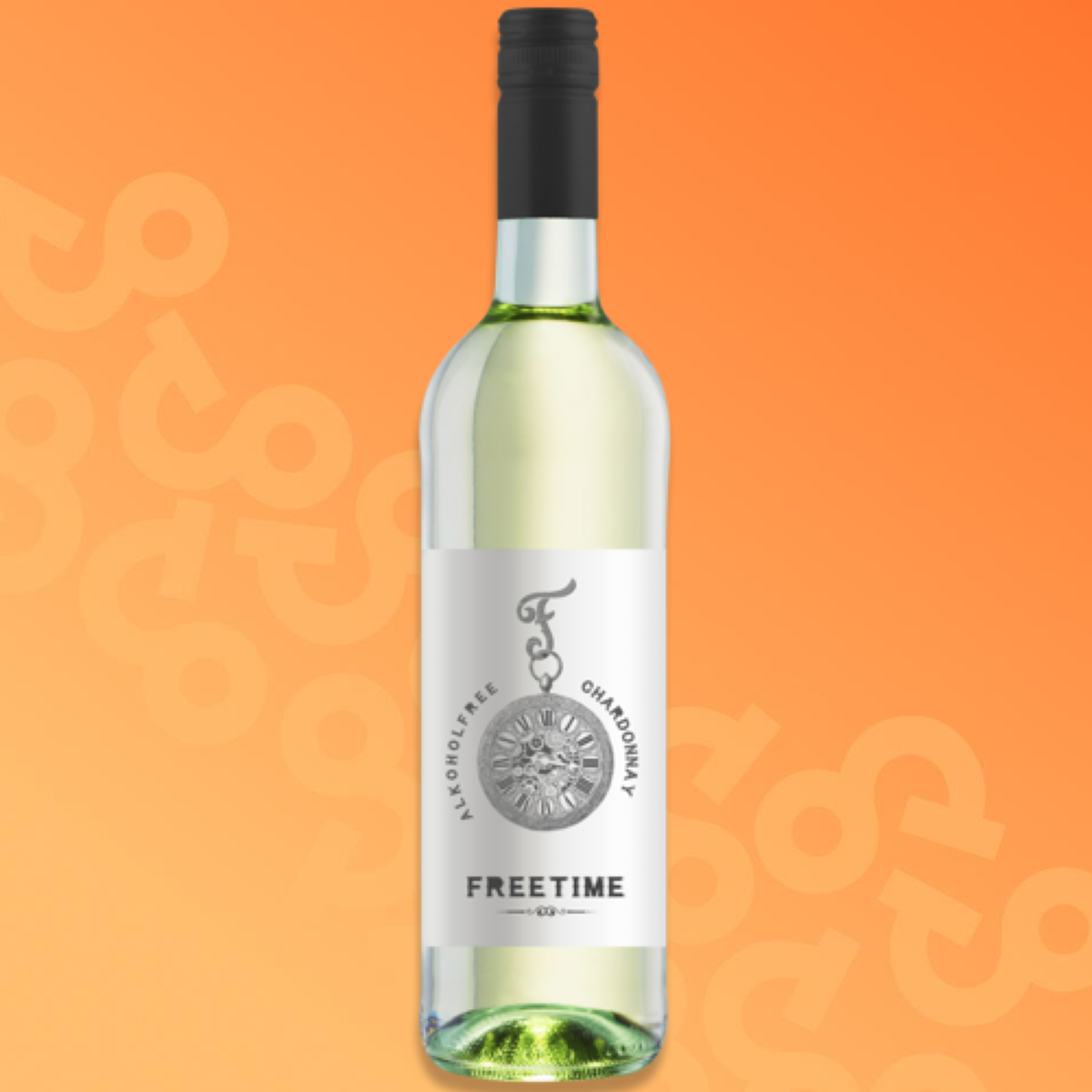
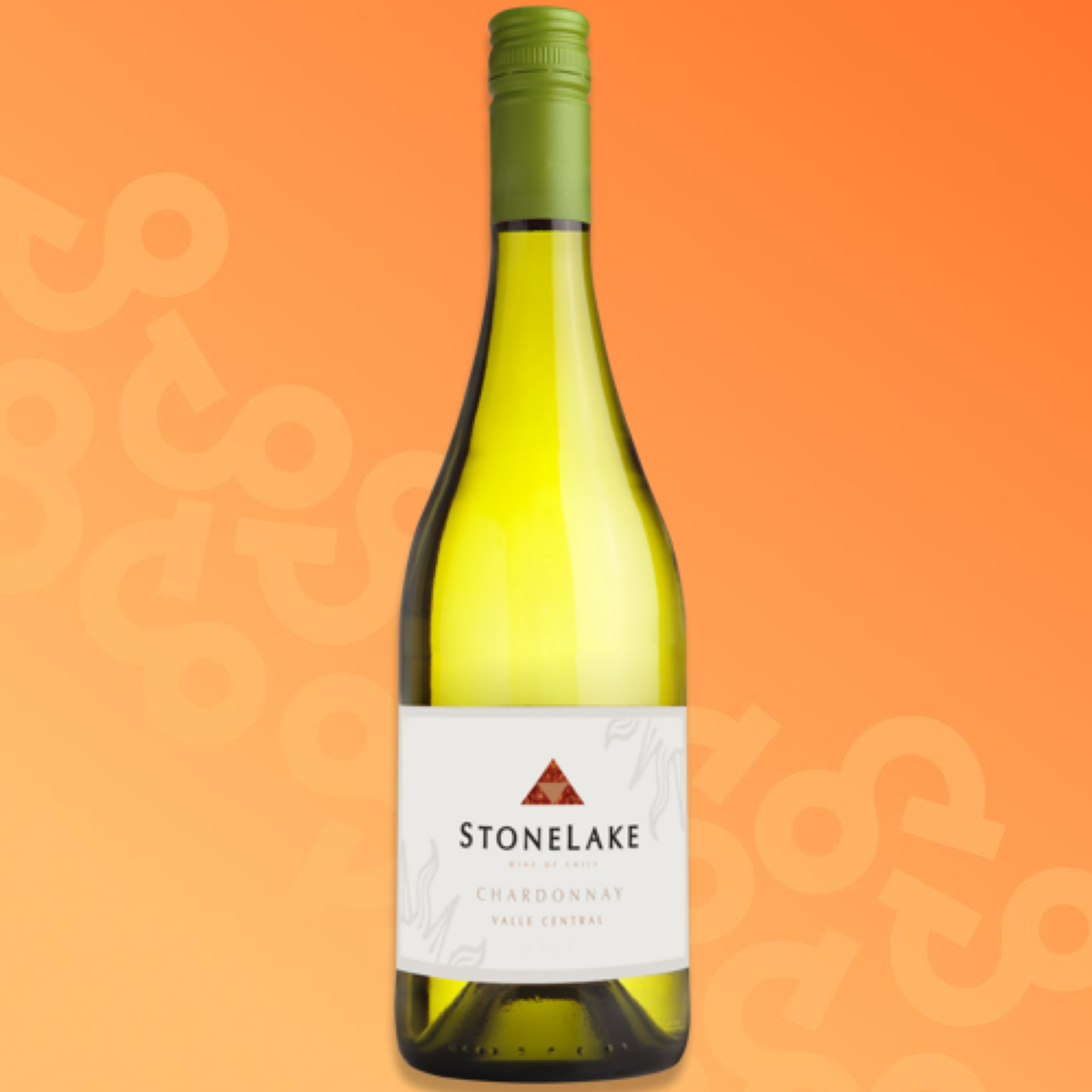
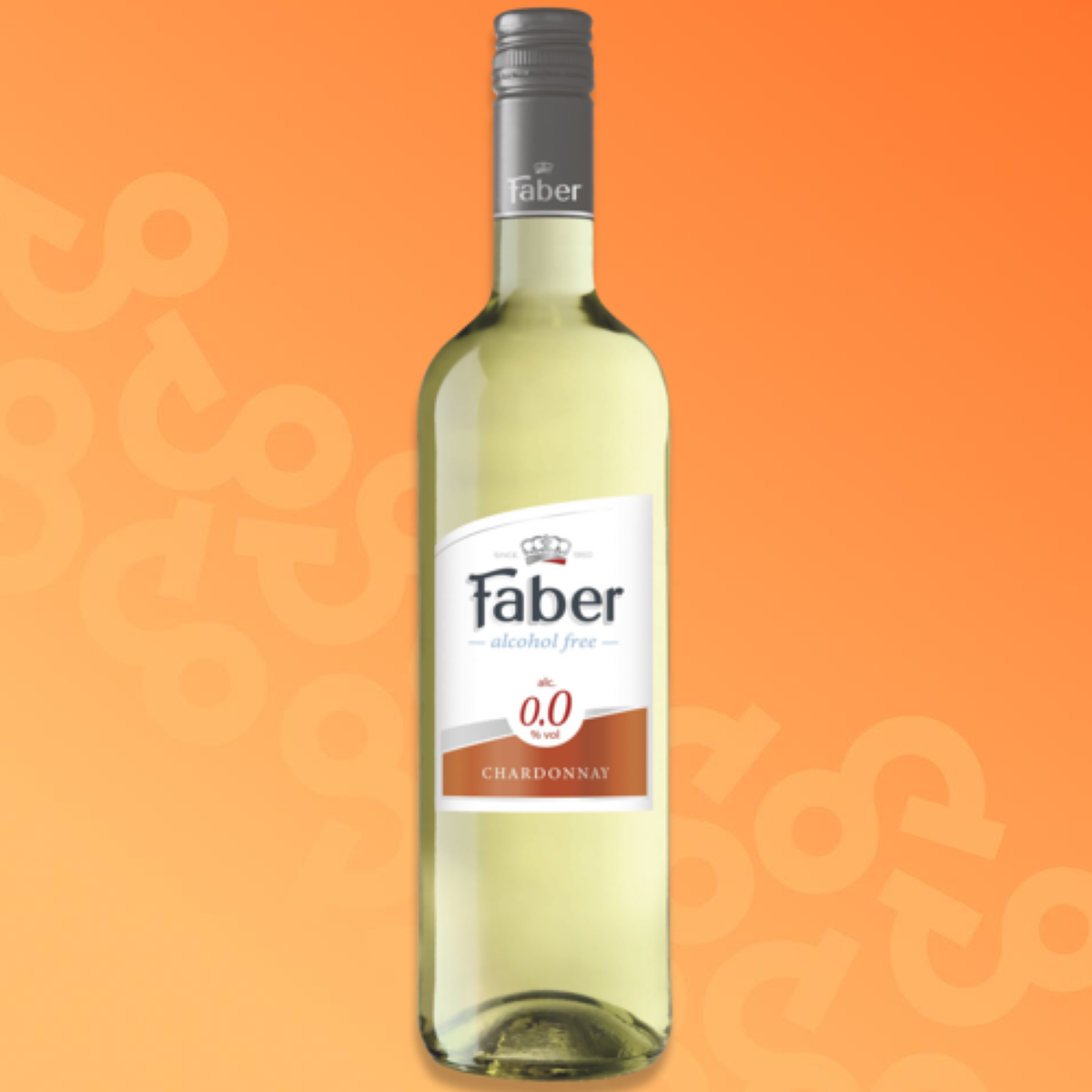
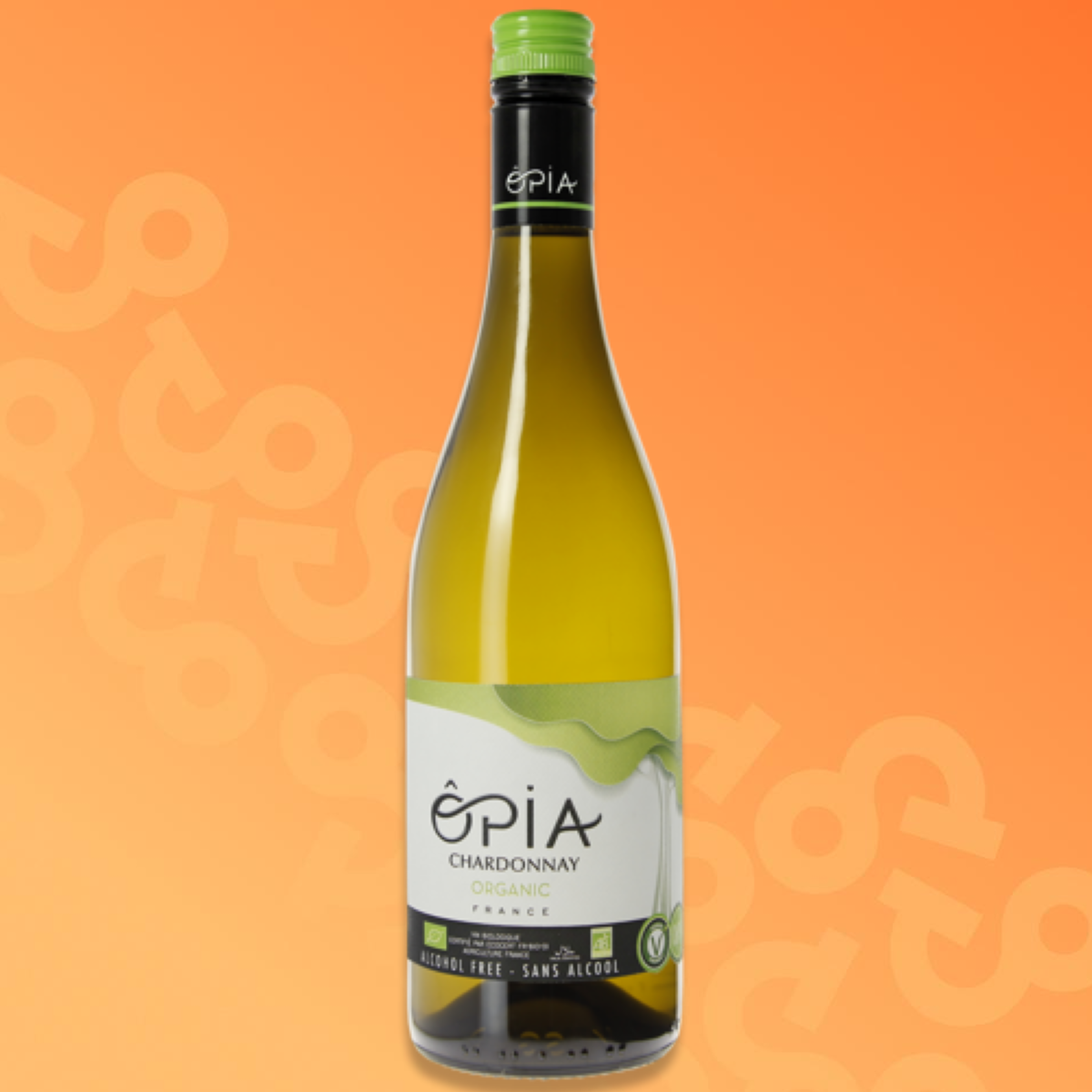
Want the bottle delivered straight to your home? Order Chardonnay online from Gall & Gall. Gall & Gall has 117 in stock.
Prices as of November 6, 2026, as provided by Gall & Gall. You can see the current price and stock at Gall & Gall. Glazen.nl receives a small commission if you buy something through these links; you pay nothing extra. No 18, no alcohol.


