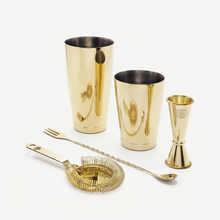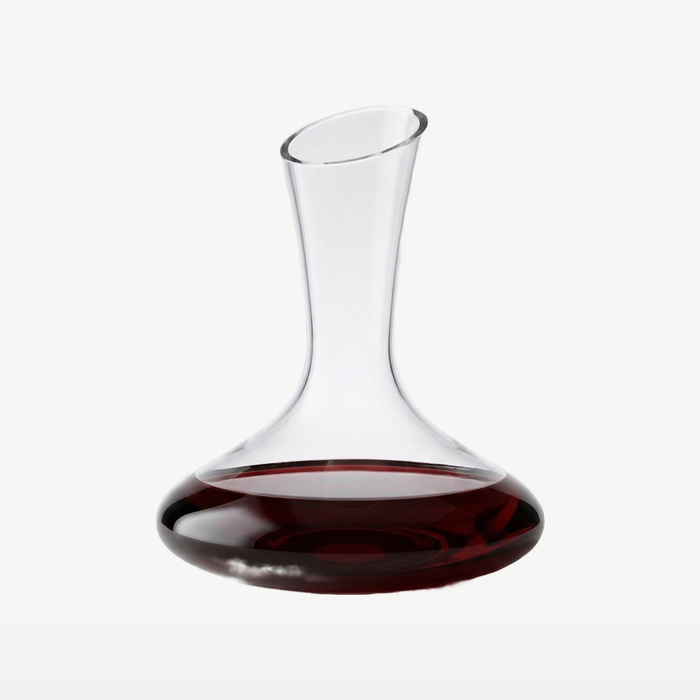
Bar Professional Glass Decanter
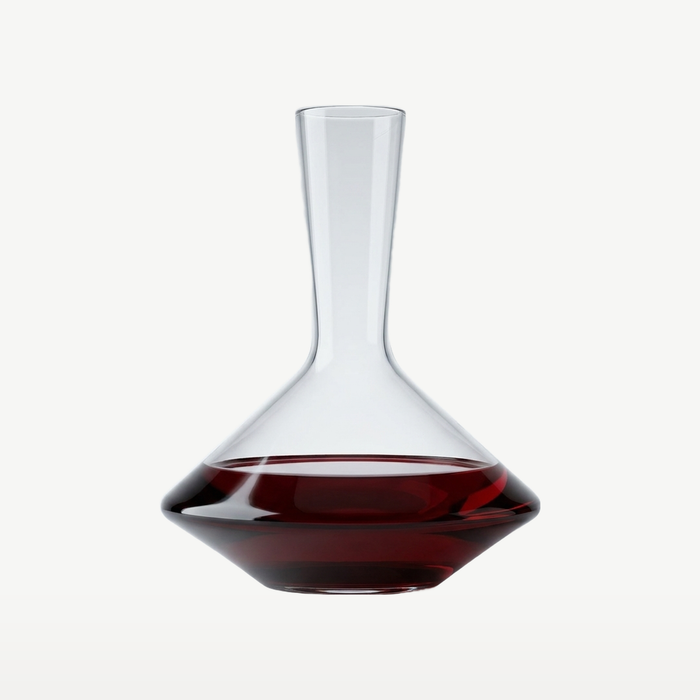
Zwiesel Glas Belfesta Red Wine Decanter 75 Cl
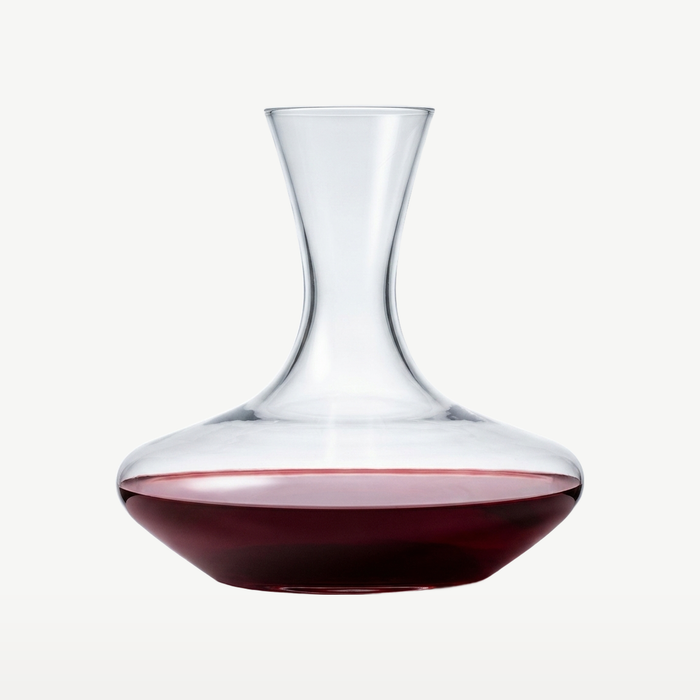
Zwiesel Glas Pollux Decanter 100 Cl

Decanting wine
Step by step
First, ask yourself why you're doing it. Is it to leave the sediment in an old bottle? Stand it upright a day beforehand, or for at least two hours, so the sediment settles to the bottom. Want to aerate a young, full-bodied wine? It doesn't matter whether you stand it upright, so you can start right away.
For an old bottle, pull the cork out slowly without tilting or shaking the bottle. Old corks often crumble. A two-lever corkscrew or a two-pronged cork puller helps keep cork crumbs out of the wine. Then wipe the neck clean.
If you want to leave the sediment in the bottle, pour slowly and without stopping. Place a candle or small lamp behind the neck so you can see when the first dark streak starts to flow. Stop there, leaving the last bit in the bottle. Hold the decanter at an angle against the neck. This keeps the wine from sloshing and lets in almost no air.
To aerate the wine, pour it with a splashing stream into the middle of a wide decanter. The wine splashes against the glass and absorbs as much oxygen as possible. Then fill the glass about one-third full, leaving room to swirl.
What did you think of this explanation?
Just click a star once. If you’d like to add a comment, we’ll review it before it appears here.
Save this page
Send this page to your own email so you have the explanation handy when it’s time to pour. You’ll also get a € 5 discount code on purchases of € 50 or more, for the glasses that go with it.
The story
Decanting and aerating wine are often confused because both involve pouring wine from a bottle into a glass vessel. The difference is why you do it. Decanting literally means pouring off. You separate the clear wine from the sediment that has formed in the bottle over the years. This only works if you pour slowly and in one go. When aerating wine, you want to expose it to oxygen. Air makes a young, tannic wine rounder and more open, so you deliberately let it splash around. You pour in precisely the opposite way, which is why it’s useful to distinguish between the two.
The right glass
To aerate wine, choose a decanter with a wide, flat body. The larger the wine’s surface area, the more oxygen it absorbs. For an older wine, you want the opposite: a narrow shape with little surface area, preferably with a stopper. You’ll find both extremes among the decanters. For a simple pitcher without a spout, see the carafes. We don’t carry a decanter specifically sold as a sediment decanter. Choice 02 below, with its straight sides and airtight stopper, comes closest. However, the product description mainly recommends it for spirits and pre-mixed cocktails.

RCR Invino 200 cl Decanter

Luigi Bormioli Mixology 75 cl Decanter with Airtight Stopper
Both sets together € 59,90.
The right tools
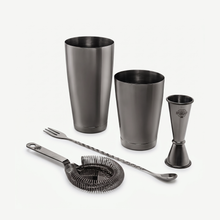
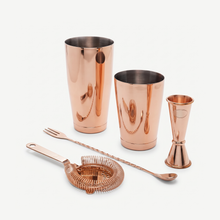
For a wine decanter, besides a glass, you'll mainly need a corkscrew that keeps an old cork intact, and a brush and drying rack for cleaning, from the wine accessories collection. The bar tools below come in handy only when using the decanter for sangria or a spritz: a bar spoon for stirring the pitcher and a jigger for measuring. These are the bar tools we use ourselves; find them all in our bar tools & cocktail sets.


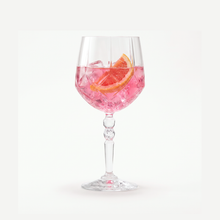
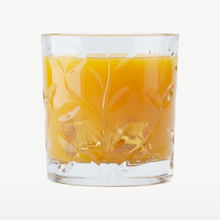
Glassware set (our pick 01) + 2 bar tools together € 63,85.
Which wine goes with this?
Not every bottle benefits from a decanter. Below, you'll find out for each type whether decanting helps, whether it's best to leave the sediment behind, or whether you should leave the bottle undisturbed. On each drinks page, you can read about the alcohol percentage, how it tastes, which cocktails it goes with and which glass you need.


Variations & twists
Swirling your wine glass does some of the same work, but not all of it. In a glass, you're dealing with a small amount of wine and just a few minutes. In a wide decanter, a whole bottle has much more surface area exposed to the air. So a decanter works much better for a young, full-bodied wine, while swirling is enough for a glass that's just been poured. An old wine, on the other hand, can fade quickly in a decanter. Sometimes it's at its best after twenty minutes and flat an hour later. Want to read more? See all drinks and brands.
Serving tip
Put the decanter on the table and pour from it. That way, you can see how the wine changes over the course of the evening. Empty the decanter immediately afterward and rinse it with lukewarm water, without soap. You’ll keep smelling soap residue. If you can’t reach inside with a brush, leave it full of warm water overnight. Then leave it upside down to drain on a drying rack or a tea towel. If moisture remains inside, it will start to smell musty.
Good to know
The difference between decanting and aerating
Decanting means pouring off. You pour the clear wine away from the sediment, leaving the last bit in the bottle. You do this with old wine, unfiltered wine and vintage port. Aerating means giving wine oxygen. You deliberately pour it with a splash into a wide decanter so the wine picks up air, and you do this with young wines with lots of tannin. With one, you want as little air as possible; with the other, as much as possible. In everyday speech, we call both decanting, but they’re exact opposites.
Which wines benefit
Decanting into a carafe helps with young red wines with firm tannins and full-bodied white wines that still smell a little closed. Decanting to remove sediment helps with old red wines, vintage port and unfiltered wines, because they contain actual sediment. Leave sparkling wine alone. The bubbles will be gone within minutes in a carafe. Light white wine, rosé and fresh, light red wine usually don’t benefit. They mainly get too warm in a carafe.
How long to let it stand
You usually leave a young, robust wine in a wide decanter for half an hour to two hours. Taste it as you go. That’s the only way to know when it’s just where you want it. With an old wine, it’s the other way around. Decant it and serve it shortly afterward. A bottle like that may be at its best after twenty minutes, then become flat just as quickly.
Why an old wine fades quickly
A wine that has spent years in the bottle has had almost no oxygen all that time. If it suddenly gets a lot of air, its aging quickly picks up where it left off in the bottle. This can turn out beautifully, but it can also go too far. So pour an old bottle slowly into a narrow decanter with little surface area, and don’t leave it out for hours beforehand.
How to clean and dry a decanter
Rinse it with lukewarm water immediately after use, without soap. Soap lingers in the smell, and you’ll taste it next time. If there’s red residue inside, leave the decanter full of warm water overnight. You can add a handful of rice or cleaning beads made for this purpose, then swirl them around. Use a long, flexible brush to reach the body. A straight brush won’t do the job. Leave the decanter upside down on a drying rack to drain, because moisture at the bottom will start to smell musty.
Frequently asked questions
What’s the difference between decanting and aerating wine?
Decanting means pouring off the clear wine so the sediment stays in the bottle. You do this with old wine, gently and with as little air as possible. Aerating in a decanter means exposing the wine to oxygen so a young, tannic wine becomes rounder. For that, you pour it vigorously into a wide decanter. In everyday speech, both are called decanting, but they do the opposite.
Which wines should you decant?
Decanting off the sediment is necessary for old red wine, vintage port, and unfiltered wine. Aerating in a decanter helps young red wine with firm tannins, and sometimes a full-bodied white that still smells closed. Don’t put sparkling wine in a decanter, or it will lose its bubbles. Light white wine and rosé usually don’t benefit from it.
How long should wine stay in a decanter?
A young, full-bodied wine usually spends half an hour to two hours in a wide decanter. Taste it as you go, and you’ll know when it’s ready. Pour an old wine off its sediment and serve it quickly, because it can go from lovely to flat in under an hour. There’s no set time that works for every bottle.
Does swirling wine in a glass do the same thing as decanting?
To some extent. Swirling also brings air into the wine. But in a glass, it’s just a small amount of wine exposed to air for a few minutes, while in a decanter, a whole bottle has much more surface area exposed to air. Swirling is enough for a glass that’s just been poured. If a young bottle really needs to open up, a decanter works much better.
Also delicious
Everything for your bar,
at one address
Restaurant-quality glasses, sold as a set. Order today and they’ll arrive quickly.
Shop the glassware →