Barista tools & portafilter holders

Two shots made with the same beans, the same grinder, and the same machine can turn out quite differently. That difference rarely originates in the machine and almost always comes from the steps in between: how the coffee lands in the filter basket, how evenly it is distributed, and whether anyone weighed what went in.

The tools in this category fill that exact gap. A WDT tool, a dosing cup, a scale with a timer, a blind filter, and a few brushes take up little space together, but they make the difference between an espresso you can repeat and one that happened to taste good.

Filters

Sort by:

13 products

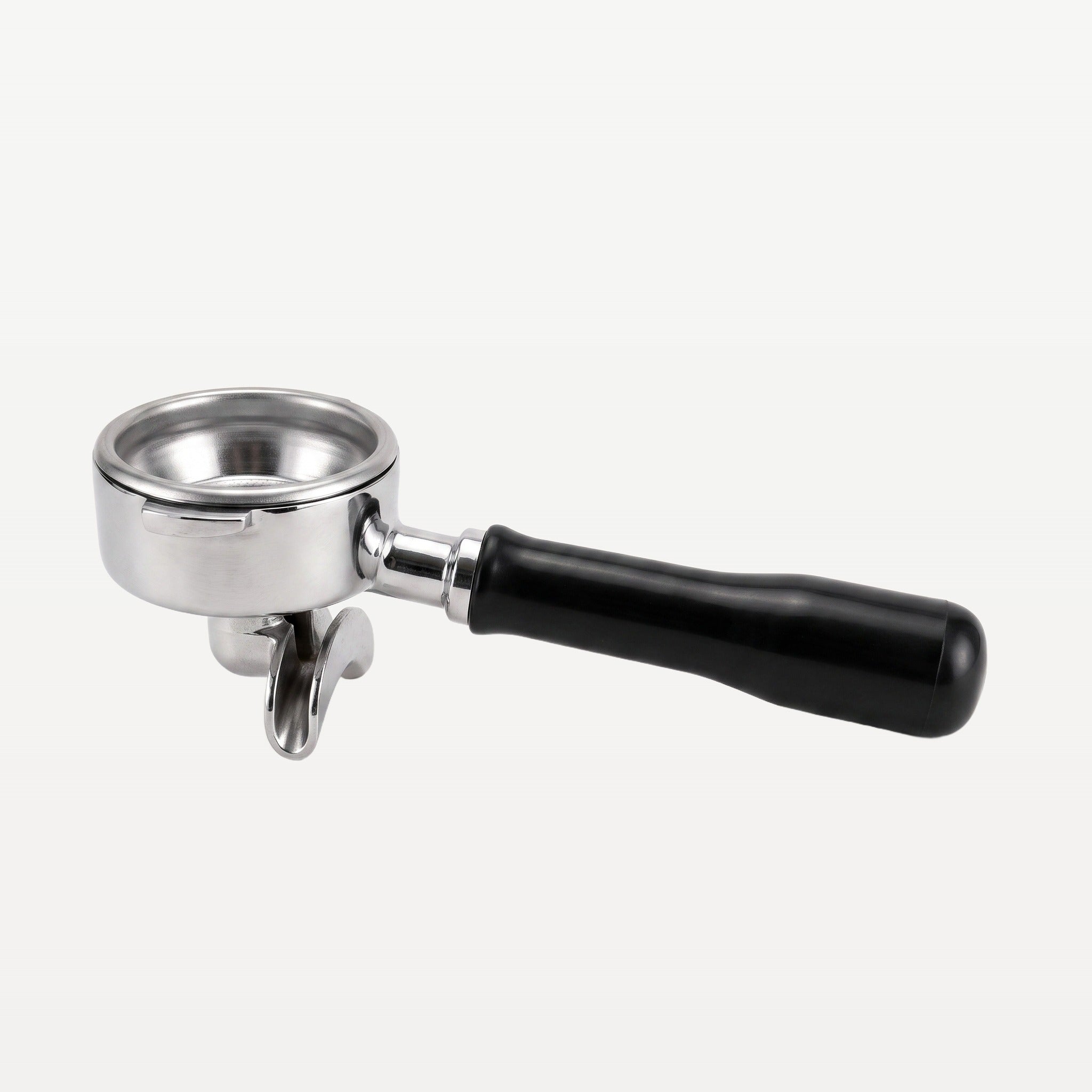
Bar Professional Filterdrager Dubbel 58 mm E61 RVS
Sold out
Zwiesel Glas Air Sense Cleaning Brush
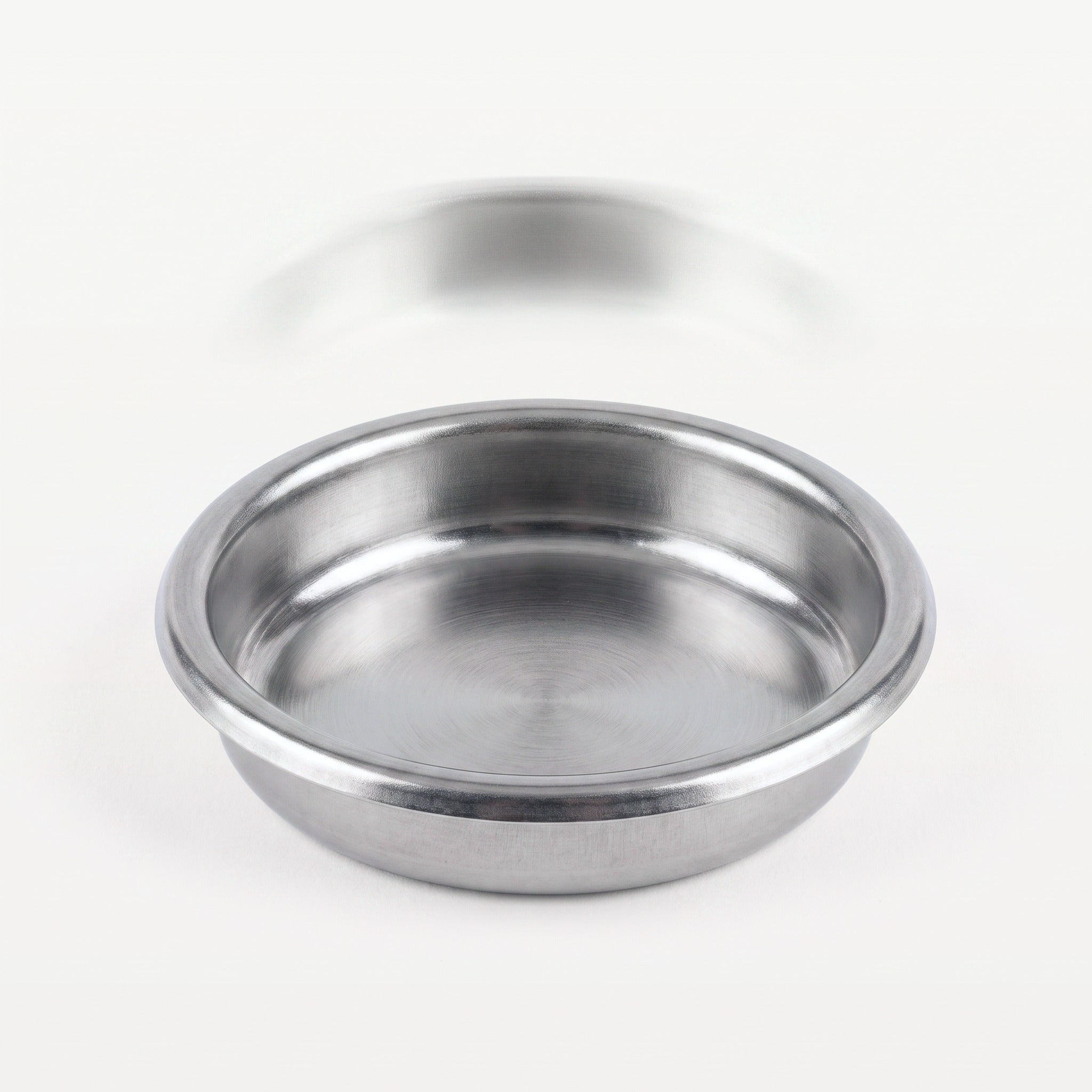
Bar Professional Blindfilter RVS 58 mm
Bar Professional Melkkan Identificatieclip Lactosevrij
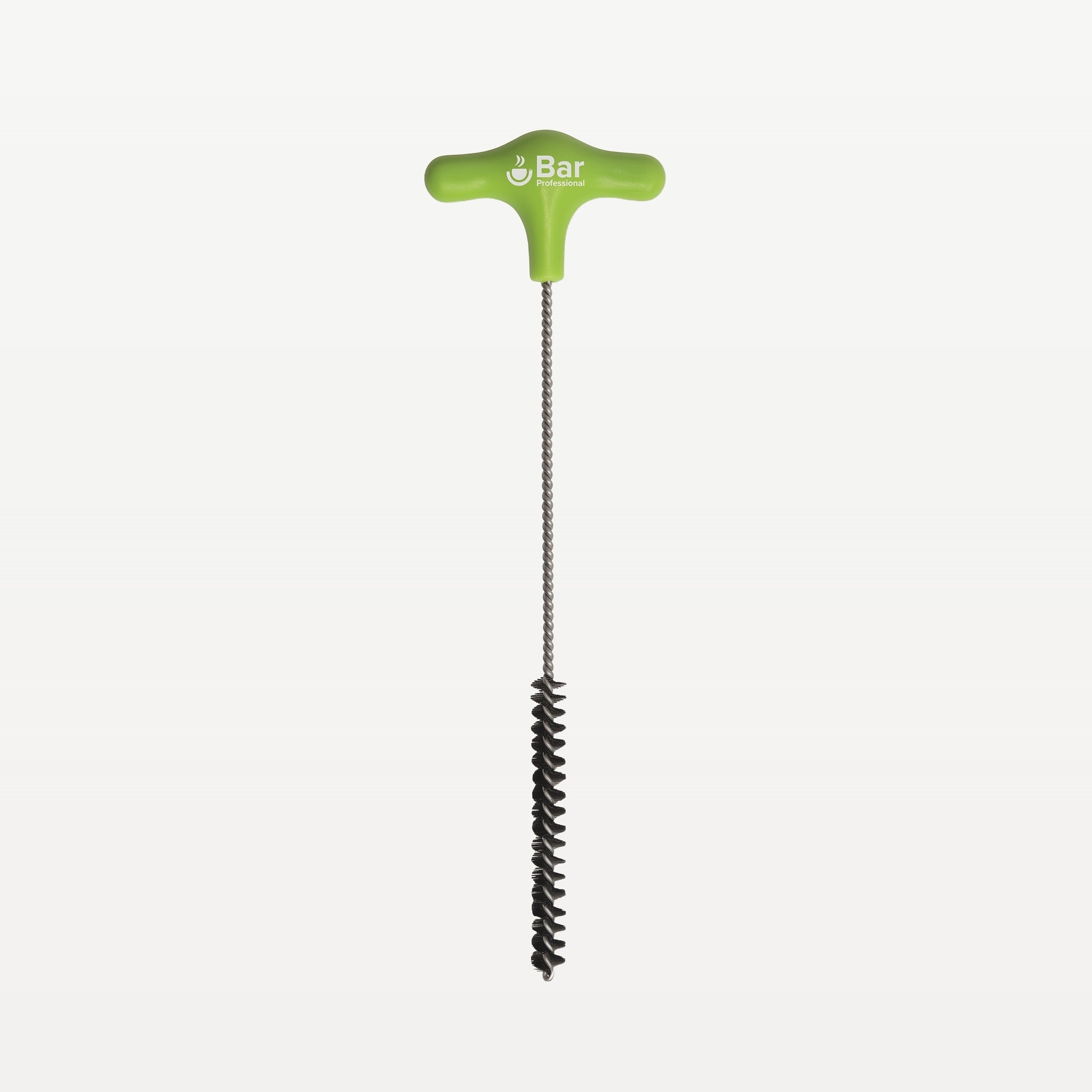
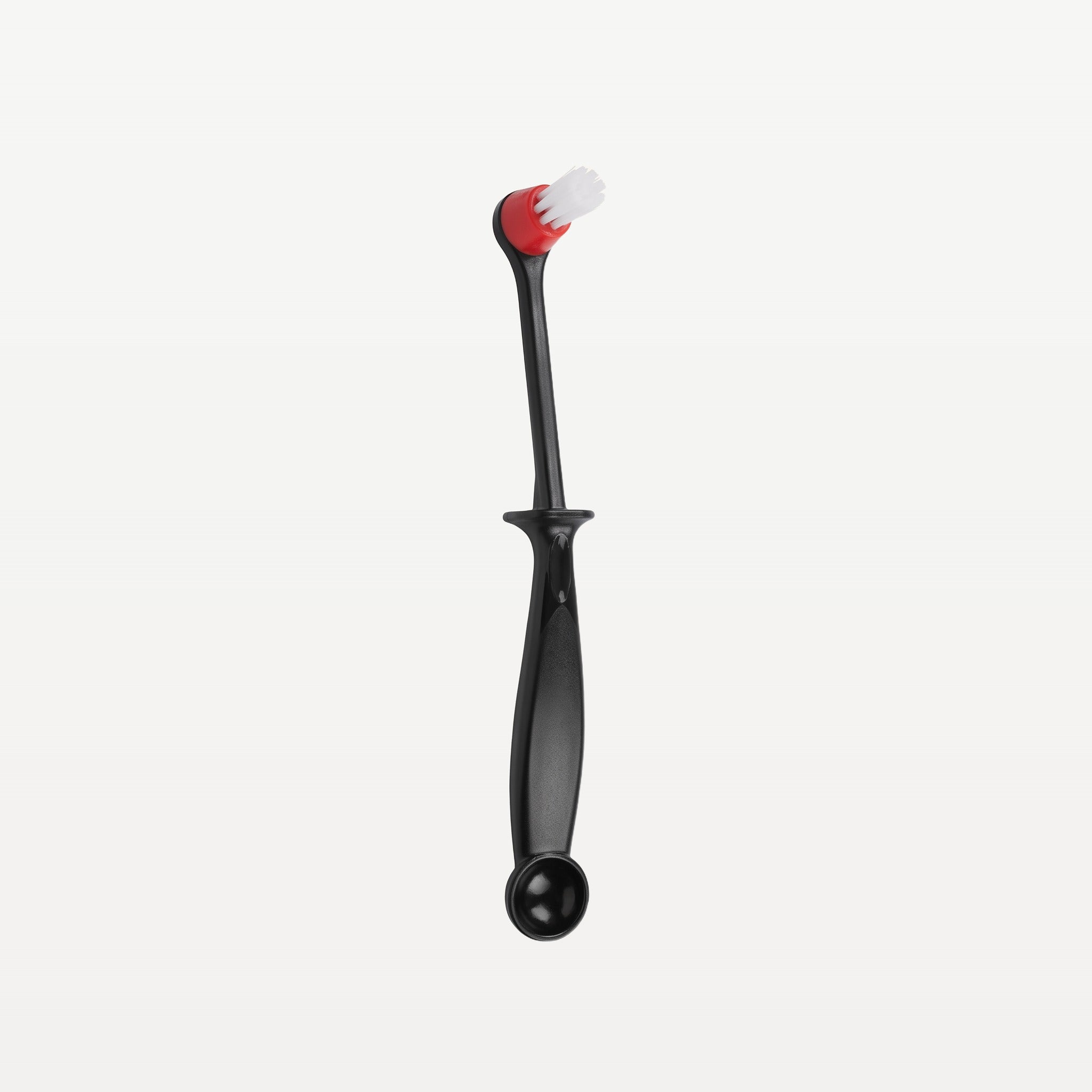
Bar Professional Pällo Steamy Wanda Stoompijpborstel
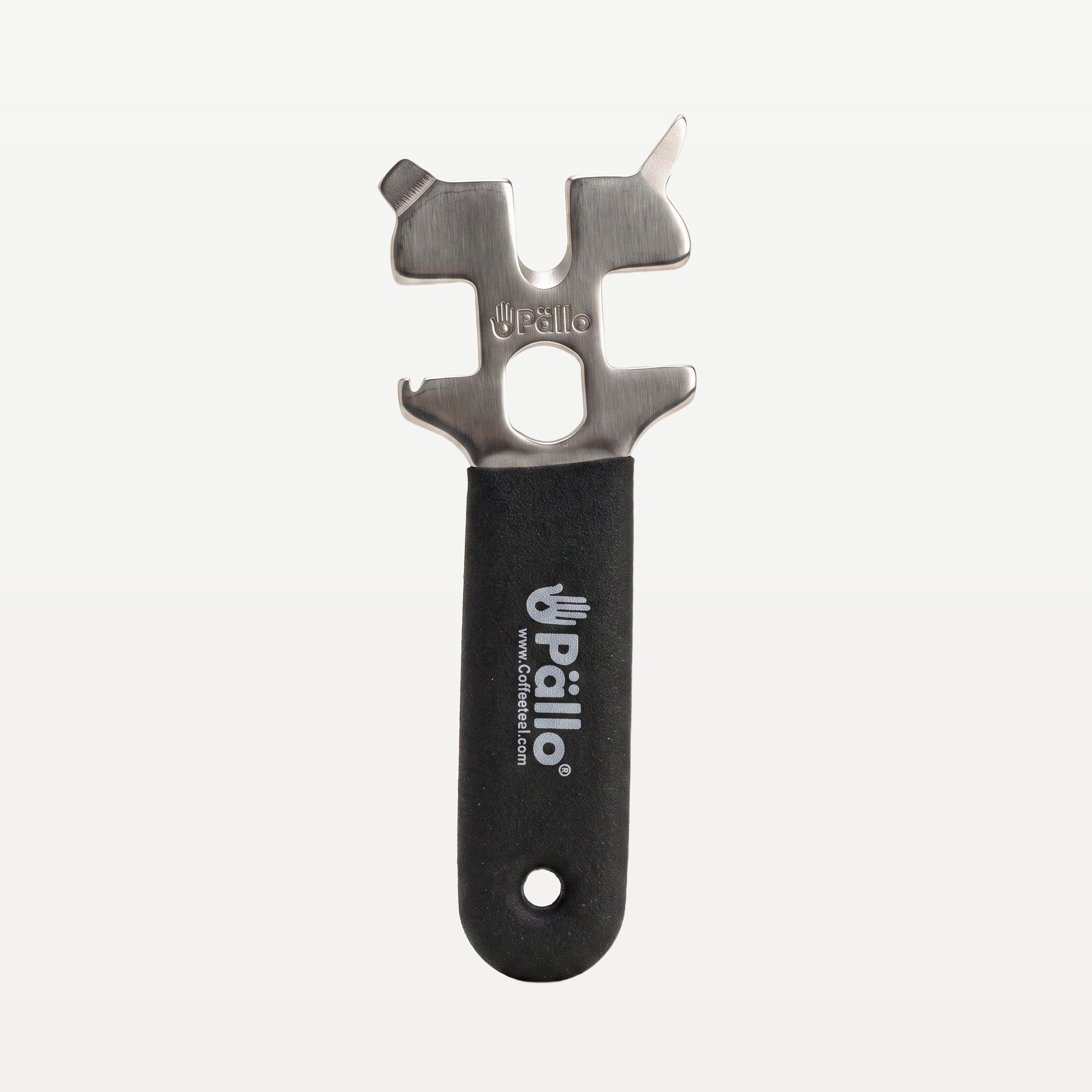
Bar Professional Pällo Barista Multitool Zwart
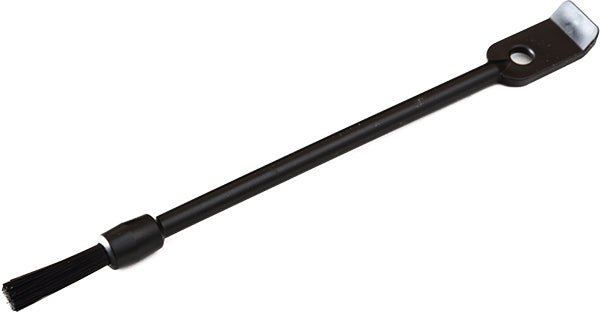
Bar Professional Groepborstel Espressomachine Zwart
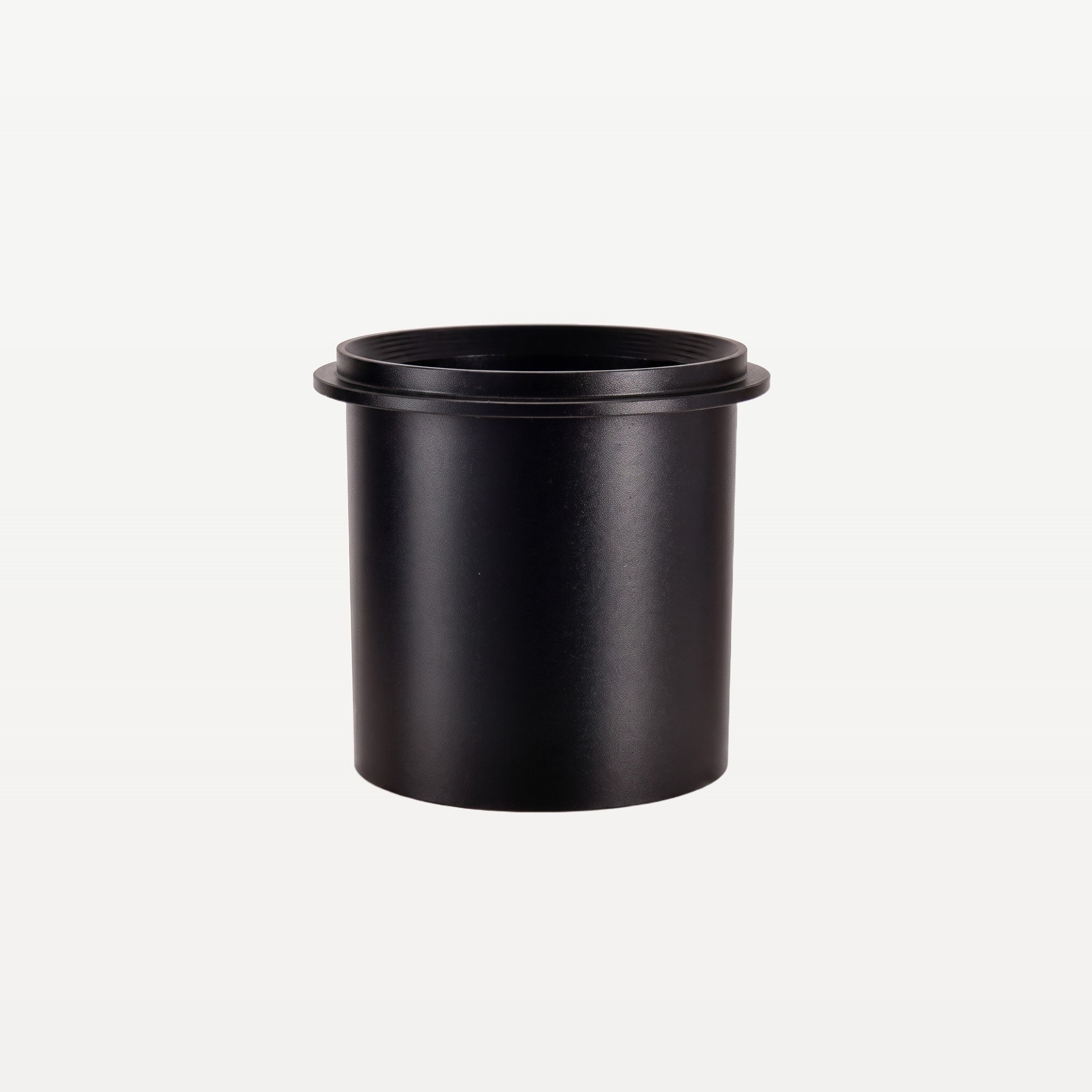
Bar Professional Doseerbeker 58 mm Zwart
Bar Professional Filterdragerreiniger Elektrisch
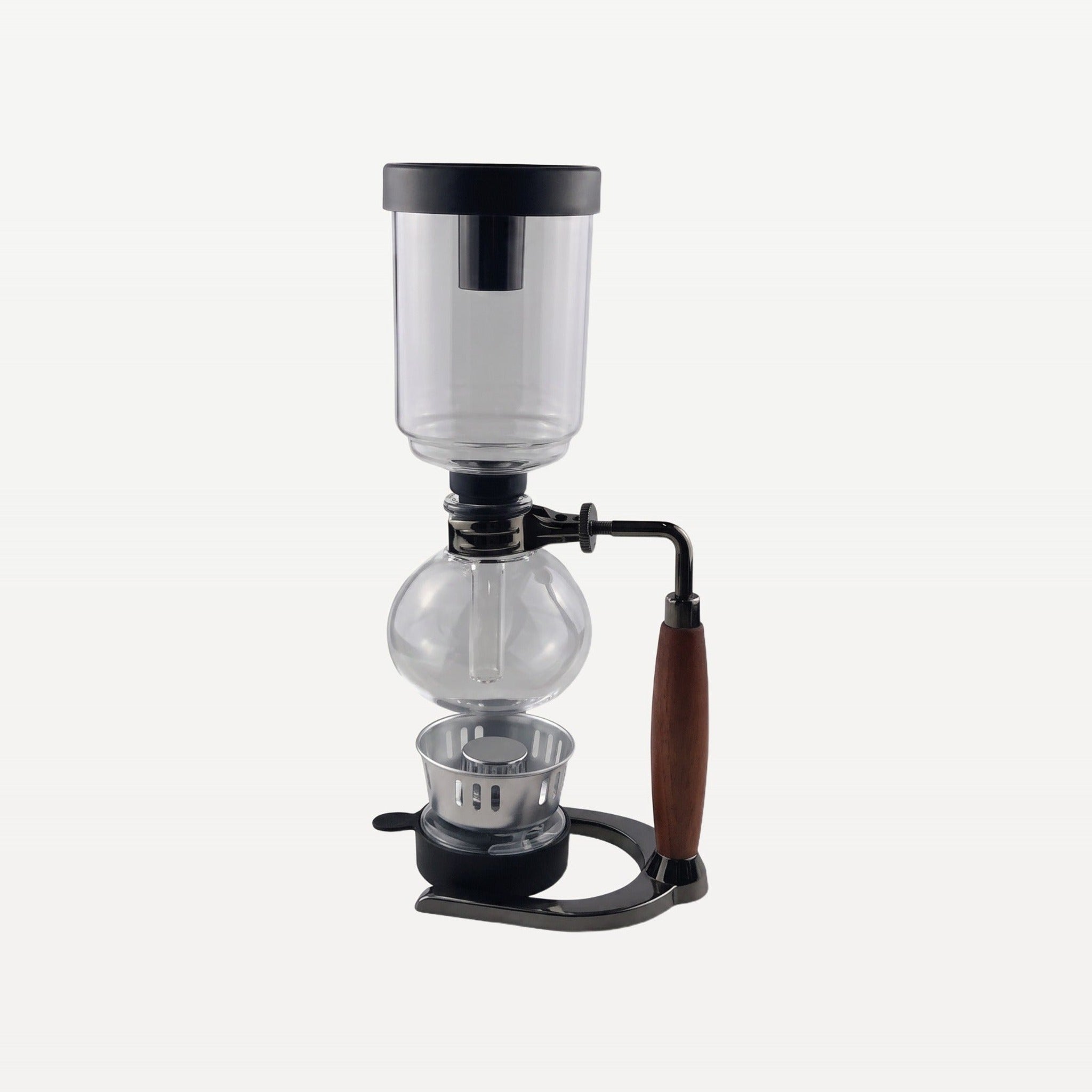
Bar Professional Koffiesyphon Glas
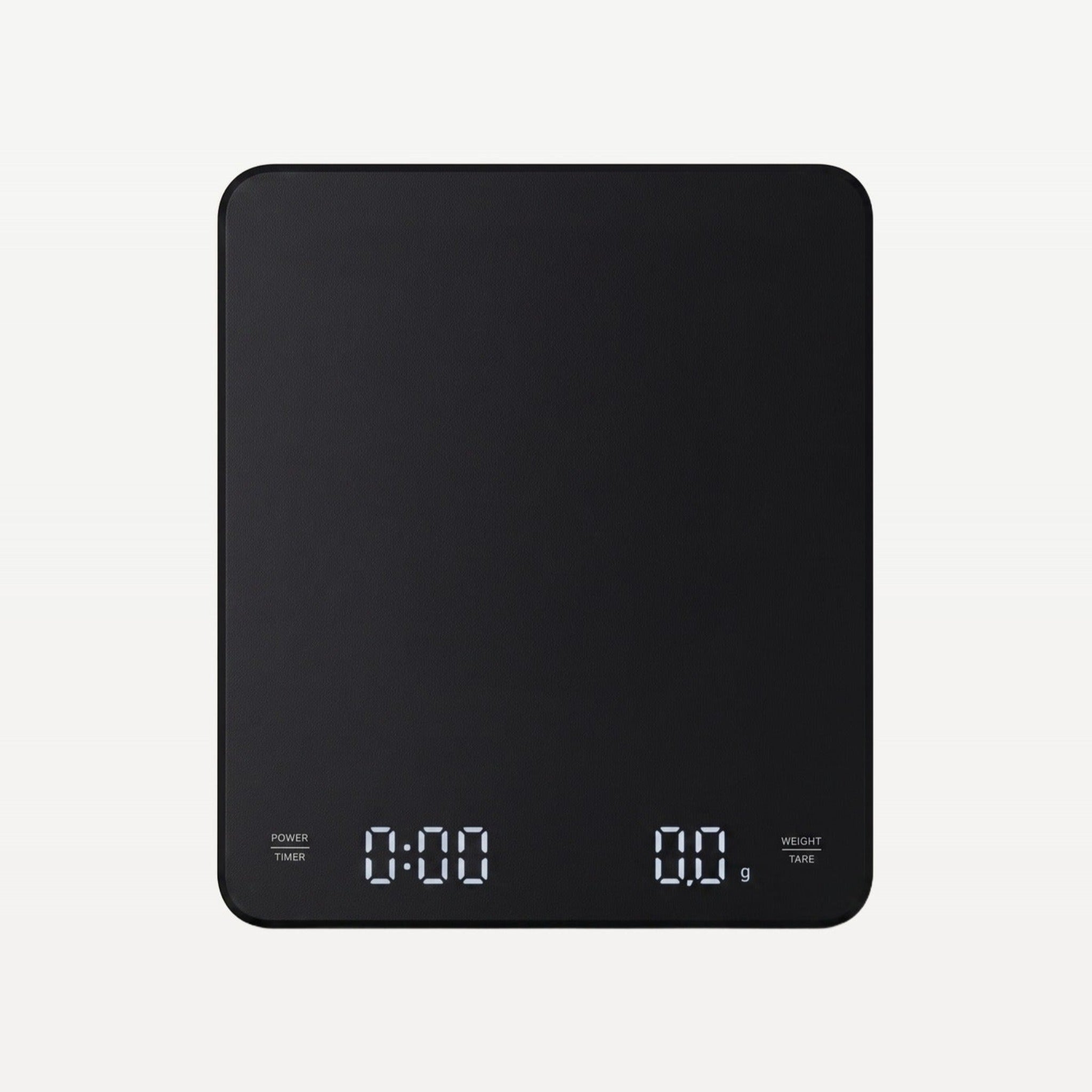
Bar Professional Koffieweegschaal met TimerBar Professional Koffieweegschaal met Timer detail
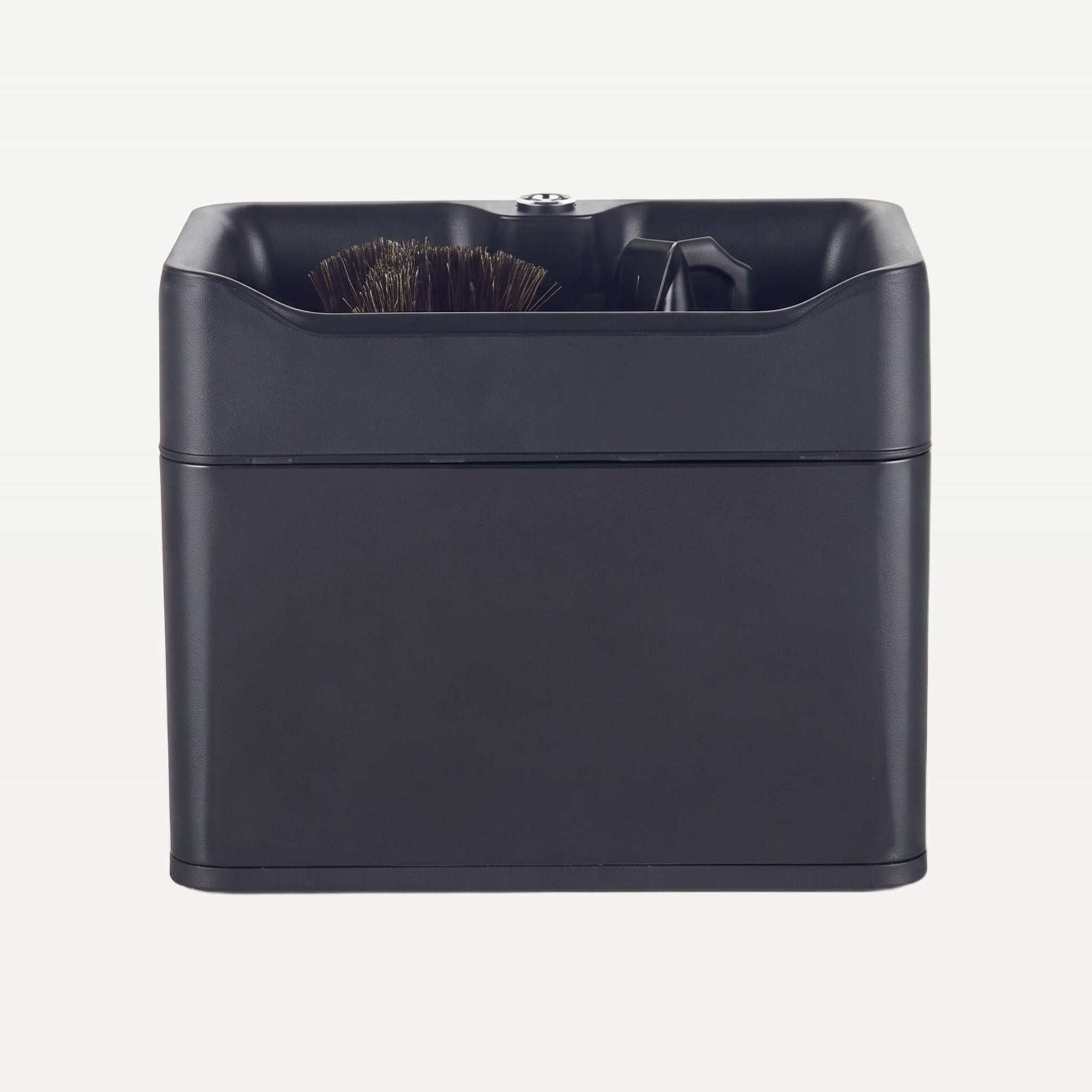
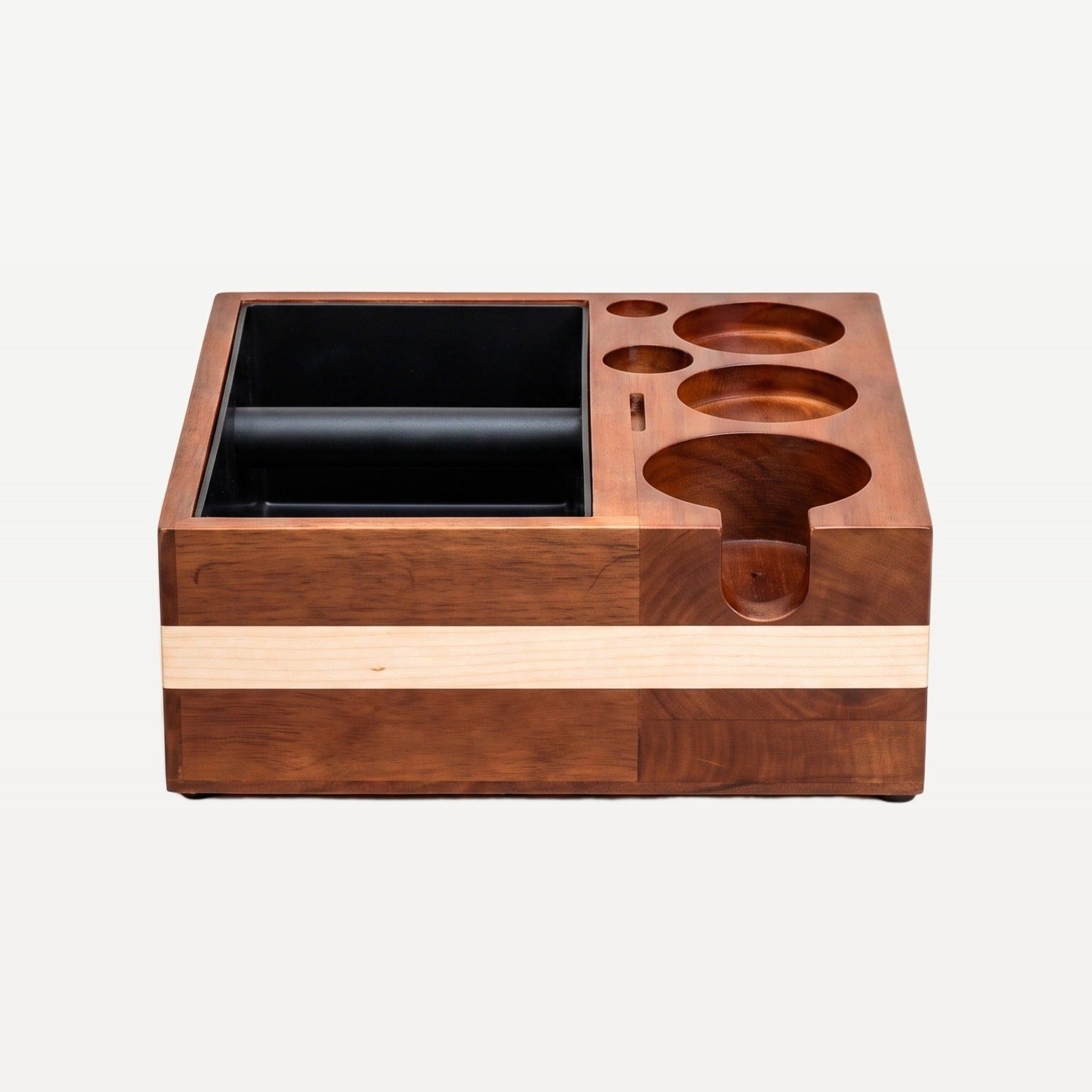
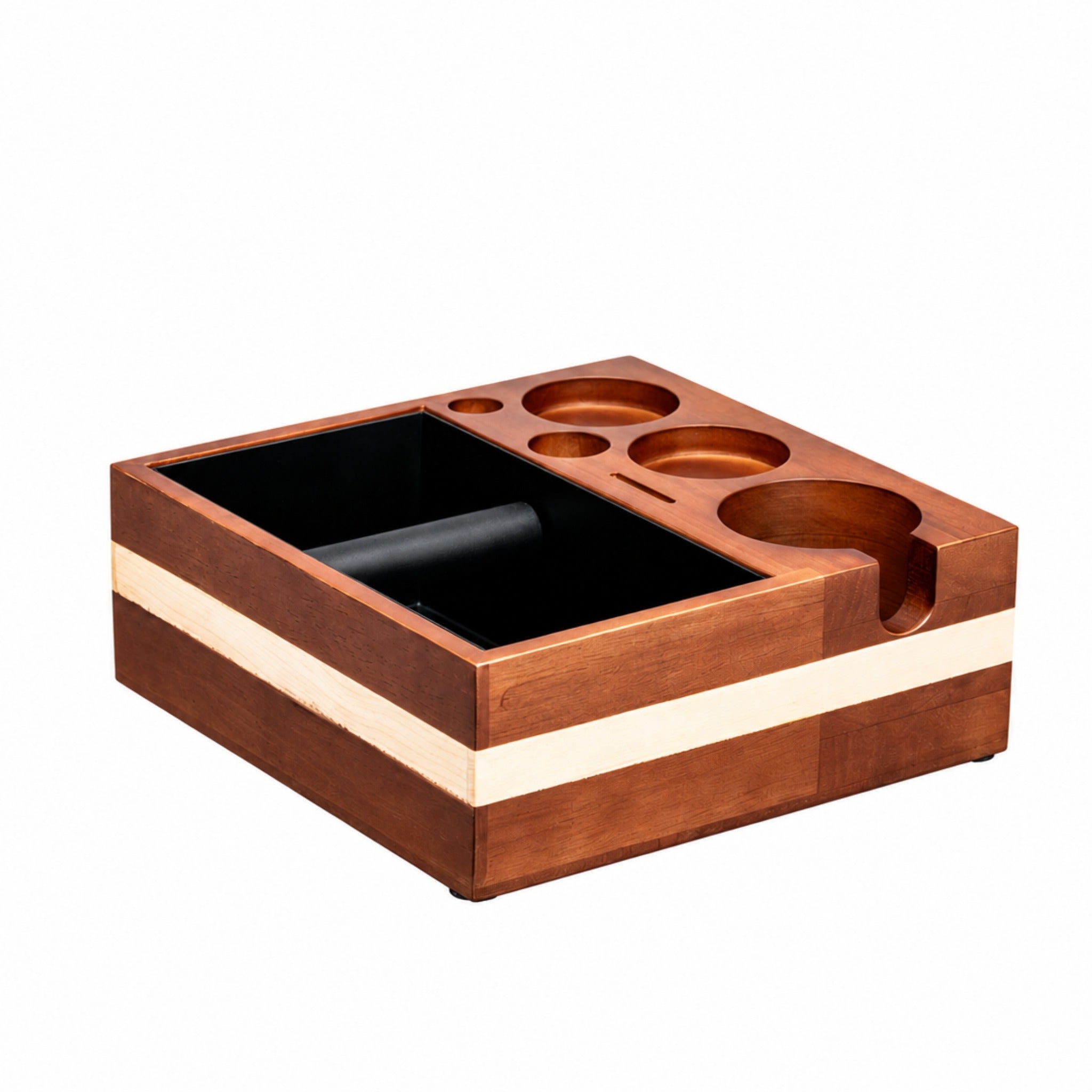
Bar Professional Baristastation HoutBar Professional Baristastation Hout in gebruik
Bar Professional WDT KoffietoolBar Professional WDT Koffietool in gebruik
100% breakage-free, or we’ll send you a new one | Free returns with store credit | Shipping from €6.95
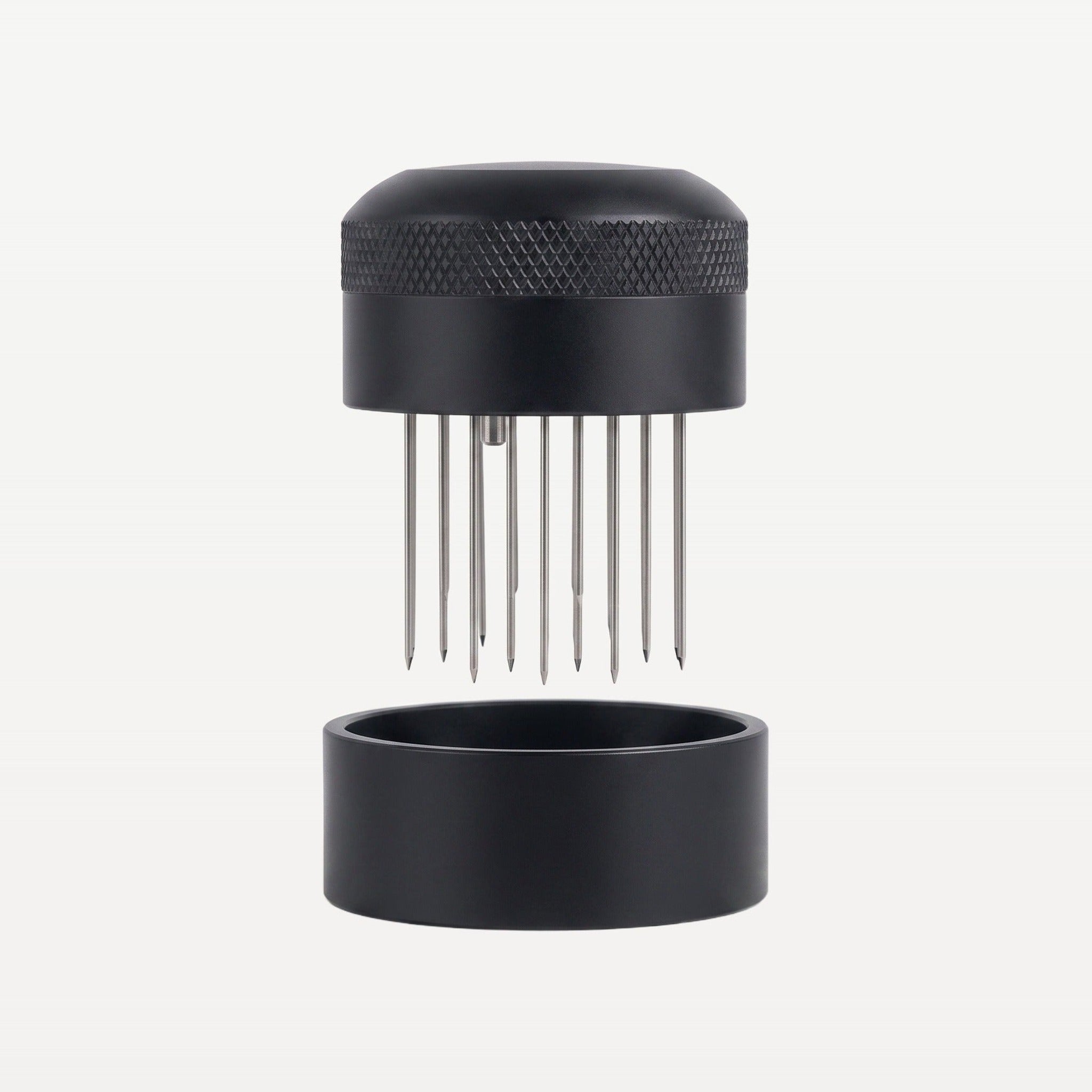
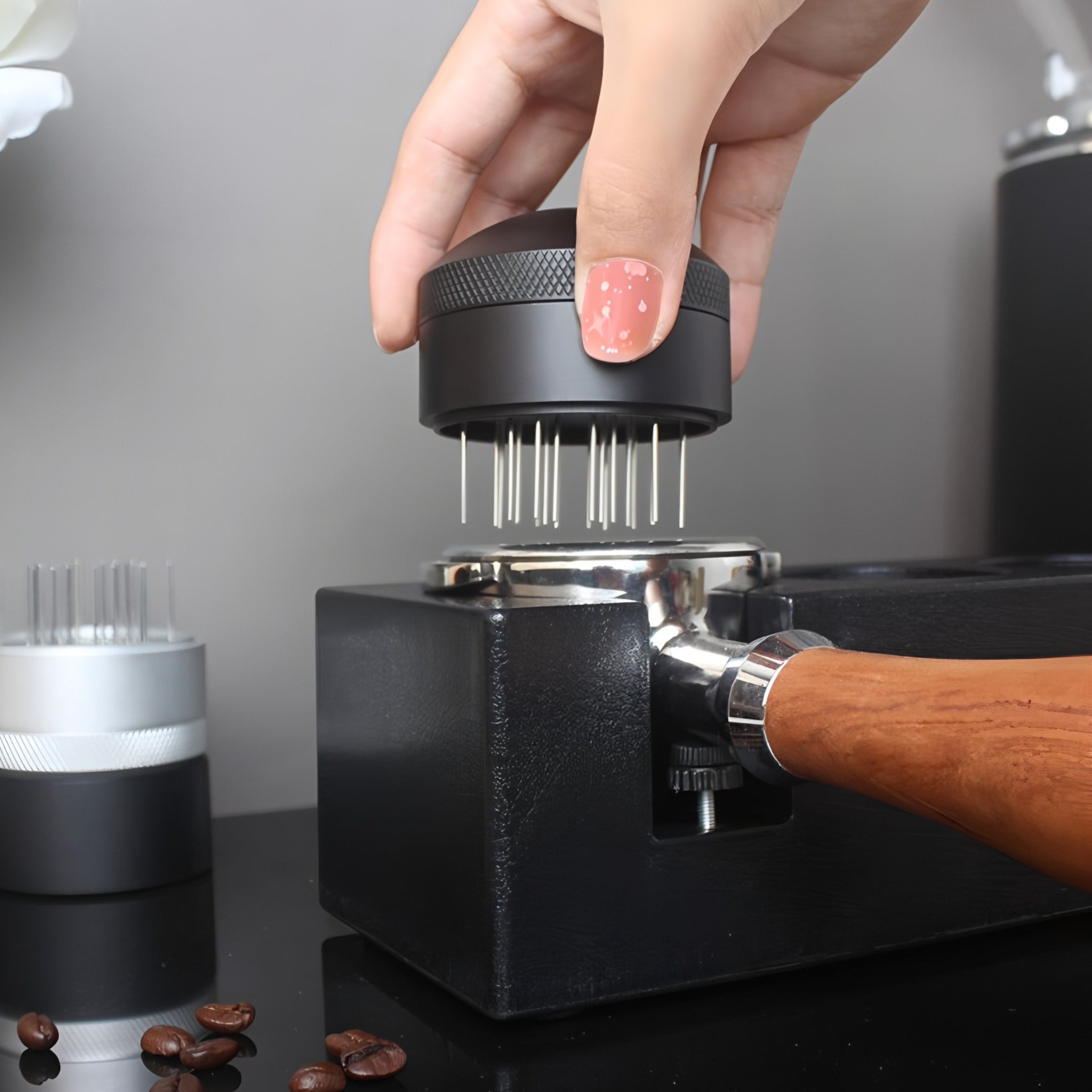
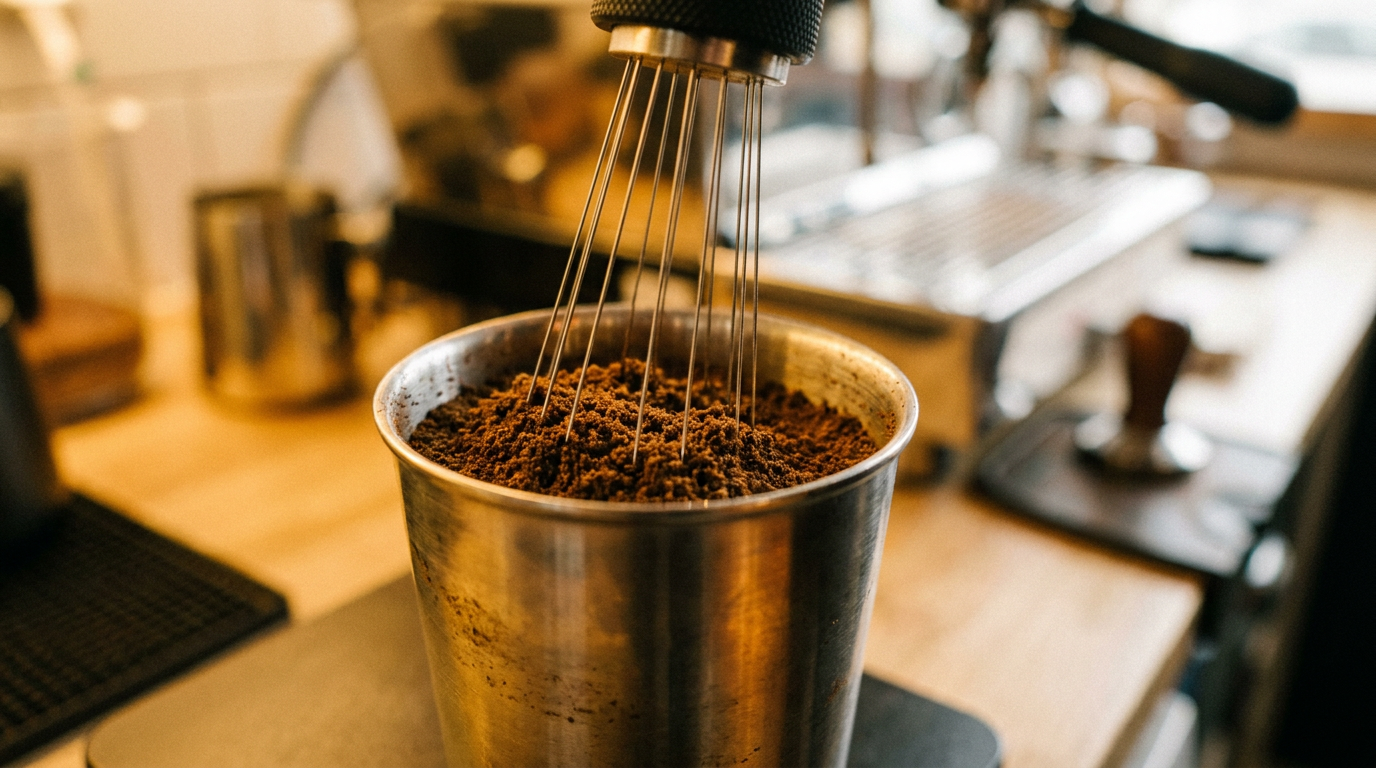
WDT-tool met dunne naalden breekt klontjes gemalen koffie in een doseerbeker

What you need and in which size

Start with the size of your portafilter. Almost all professional machines and most better home machines use 58 mm, and the dosing cups, blind filters and separate portafilters here are built for that. If your machine has a different size, measure the inner diameter of the basket first.

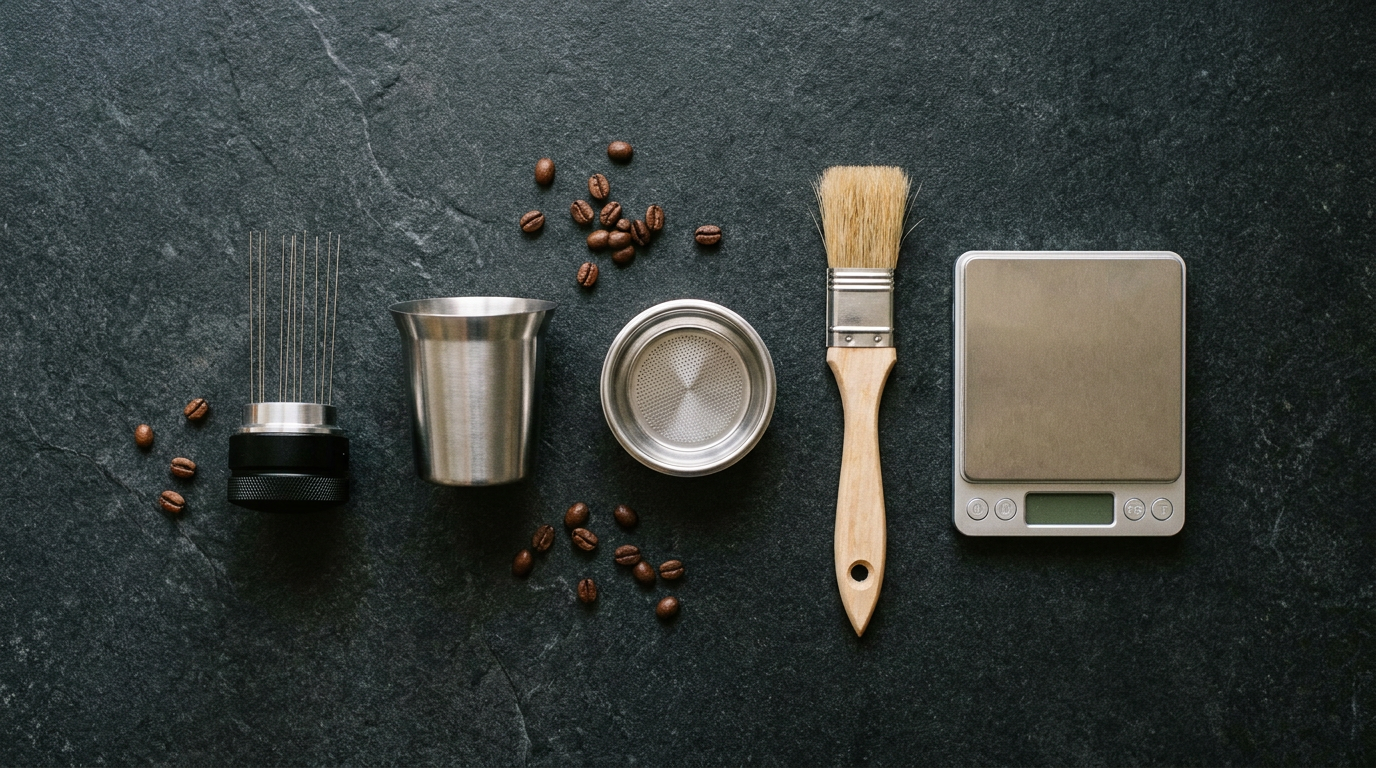
After that you look at what you are missing, in the order of brewing. A WDT tool with thin needles breaks up the clumps that freshly ground coffee forms through static charge. A dosing cup catches the grounds so nothing falls beside the basket. A scale with a timer records how much goes in and comes out. A blind filter is a basket without holes and you need it for cleaning. A second portafilter is not a luxury but time gained: while one runs, you fill the other. For tamping itself, look at the tampers.

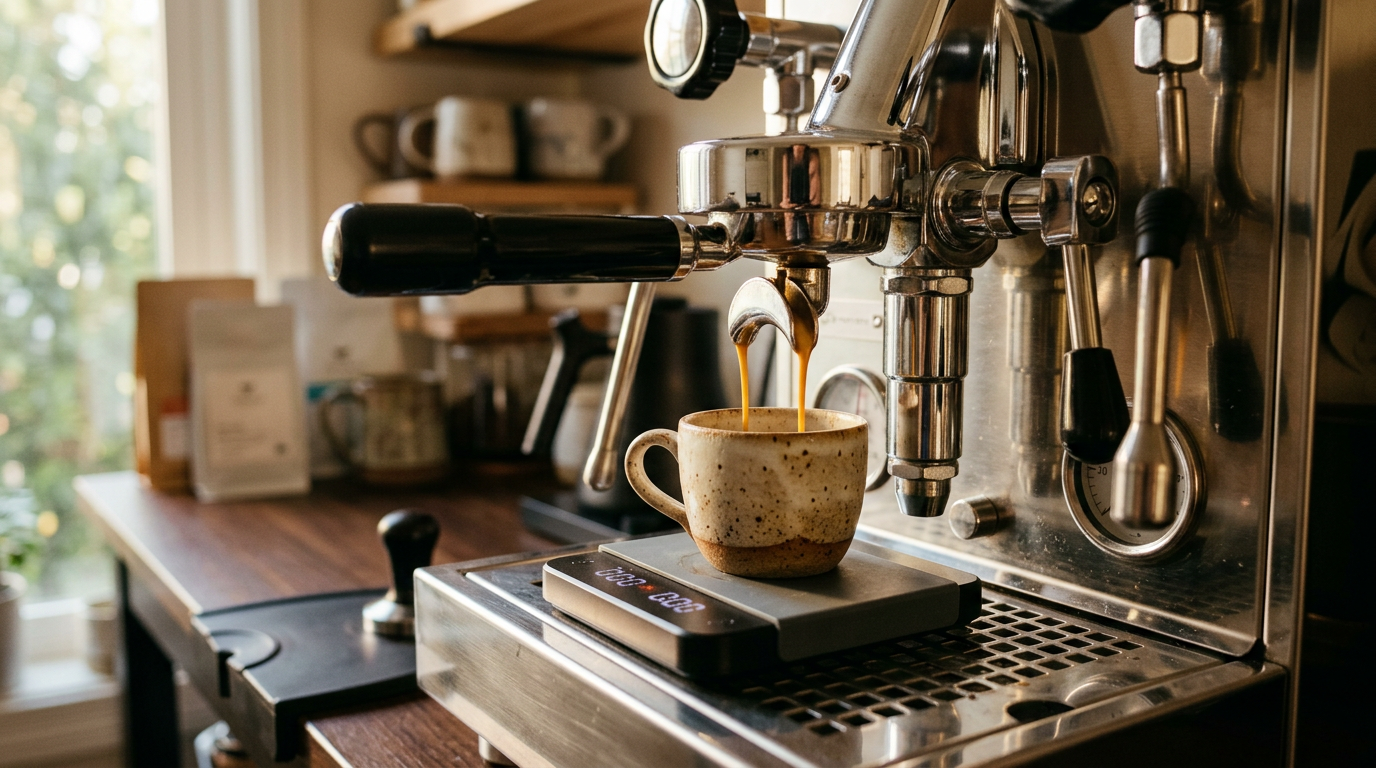
Koffieweegschaal met timer onder de filterdrager terwijl de espresso in het kopje loopt

From grind to cup

Catch the grounds in the dosing cup, work through them for ten seconds with the WDT tool until there are no clumps left, then tap the cup out into the basket. Level the surface and only then tamp. A tilted or lumpy coffee bed lets the water run through the weakest spot, which makes the shot taste thin while the rest of the coffee is still full.

Weighing then gives you something to hold on to. Eighteen grams in, thirty-six grams out, in twenty-five to thirty seconds, is the usual starting point from which you adjust. If it runs through too fast, grind finer. For the milk side look at the milk jugs, and if you want to turn your espresso into a cocktail, the ratio is on the espresso martini page.

Barista tools op een rij: WDT-tool, doseerbeker, blindfilter, groepborstel en weegschaal

Cleaning is something you taste

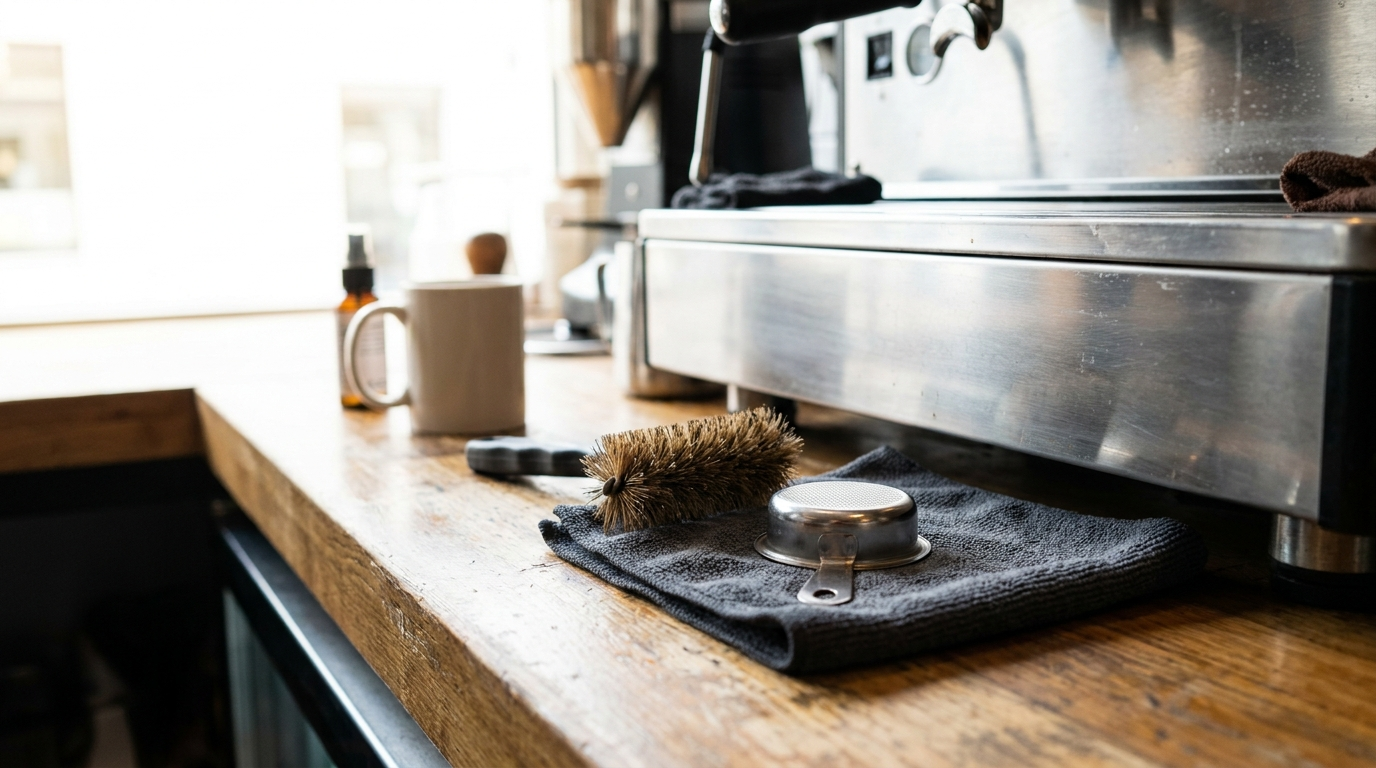
Coffee oils go rancid, and that is a matter of days rather than weeks. With a blind filter you run a backflush: the machine pumps the water back through the group and flushes the residue out. Do that at the end of every service and within a week you will taste the difference in the first shot of the day.

A group brush takes the grit out from under the shower screen, a steam wand brush keeps milk residue out of the wand. Milk that dries inside the wand gives a burnt taste to the next cappuccino. So wipe the wand with a cloth straight after every use and purge it. The knock box for the used puck is with the knock boxes.

Groepborstel en blindfilter op de bar naast een espressomachine voor de dagelijkse backflush

Further into the coffee station

With the tools in place and the glassware still to find, the single- and double-walled models are with the coffee glasses. If you mainly serve milk drinks, the latte macchiato glasses are the logical step, with the height that keeps the layers visible. And if you would rather work with cold coffee than with milk, that starts with the espresso tonic.