



Spätlese
Spätlese is German for late harvest. On a German wine label, it means that the grapes were picked later and riper, with more sugar and more flavour. It usually refers to riesling from the Moselle, and the style ranges from lightly sweet with little alcohol to dry and powerful.

Spätlese and related wines
Spätlese is a level on the German quality scale and is almost always riesling. We have a dedicated page about the grape, the country and the sweeter wines.
Riesling
The grape behind almost every Spätlese, with high acidity that balances the sweetness.
About Riesling →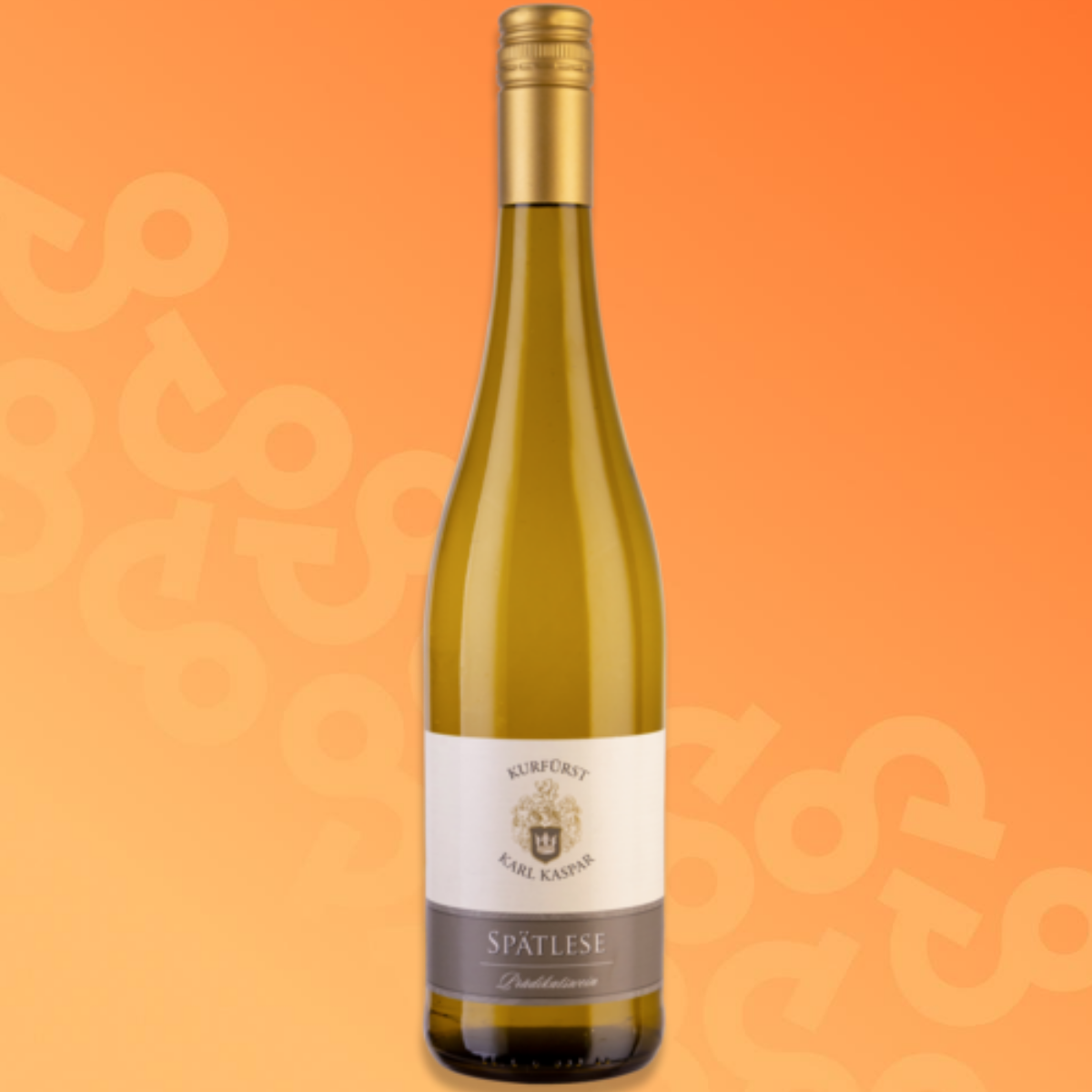
German wine
An overview of Germany’s wine regions and how to read a German label.
About German wine →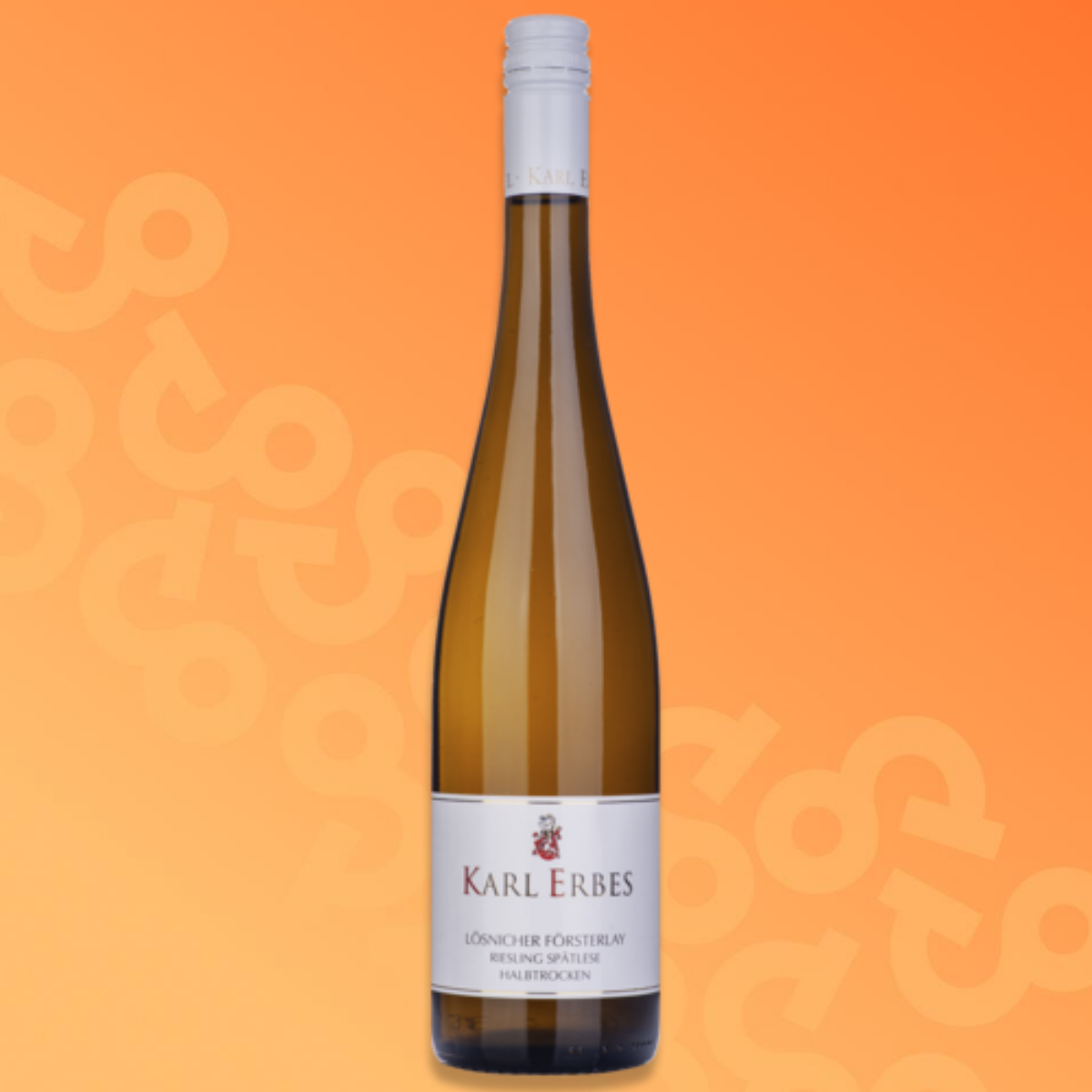
Sweet white wine
From lightly sweet Spätlese to dessert wine: how to recognise sweeter white wines.
About sweet white wine →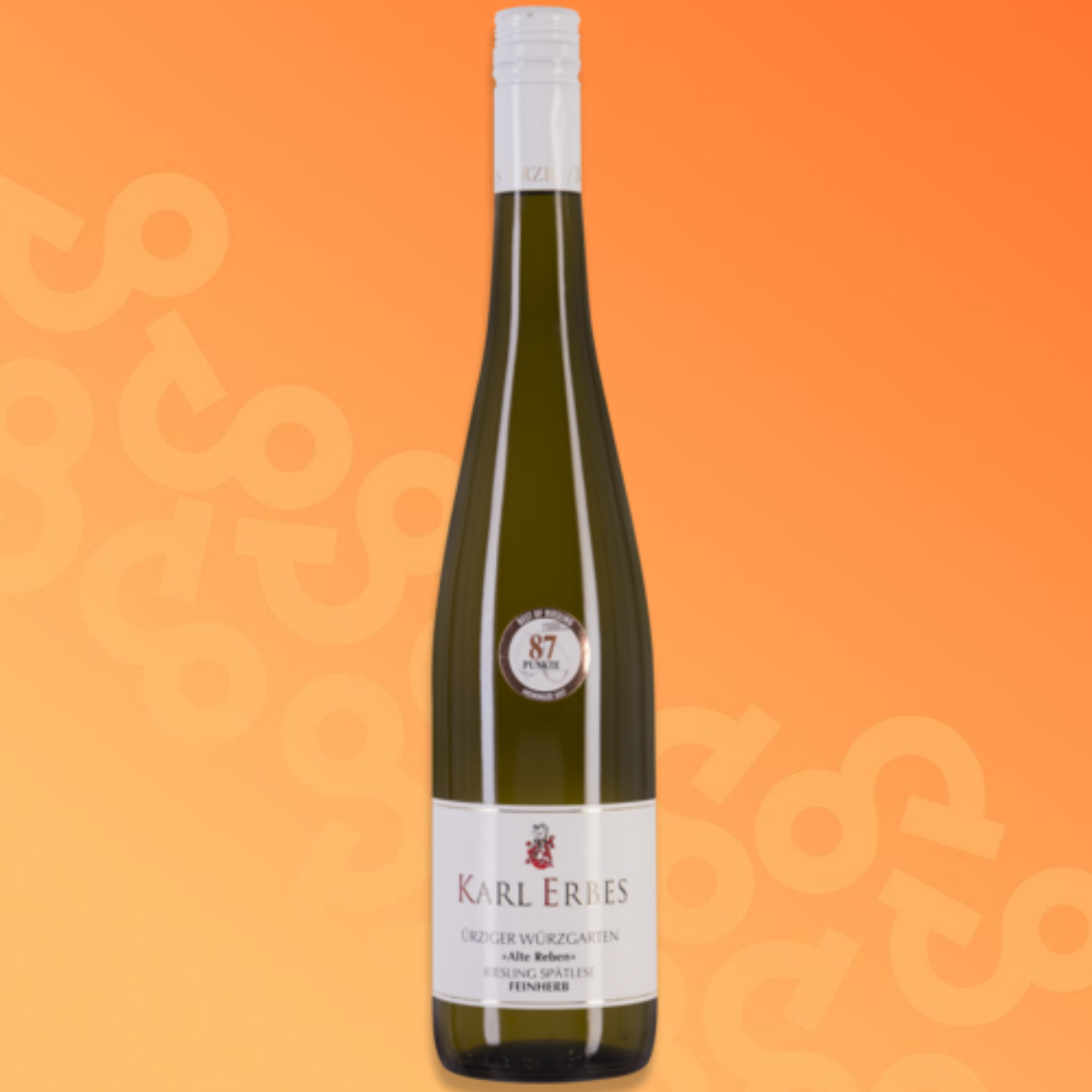
A level on the German ripeness scale
German quality wine is classified according to how ripe the grapes were at harvest. That ripeness is measured by the sugar content of the grape juice, known as the must weight, expressed in degrees Oechsle. The Prädikatswein scale runs from Kabinett through Spätlese and Auslese to Beerenauslese, Trockenbeerenauslese and Eiswein. Spätlese is the second level. The grapes remain on the vine longer than those used for Kabinett, ripen further and develop more sugar and flavour. The minimum sugar content required in the juice varies by region and grape variety.
According to tradition, Spätlese originated in 1775 at Schloss Johannisberg in the Rheingau. The courier who had to bring permission for the harvest arrived weeks late. By then, the grapes were overripe, and the wine turned out to be exceptionally good. Important to know: Spätlese refers to the grapes’ ripeness at harvest. The winemaker determines how sweet the wine is in the bottle. If they stop fermentation before all the sugar has been converted, you get a lightly sweet wine with little alcohol, such as the classic 7.5% Spätlese. If they let everything ferment, the label says trocken and you have a dry, powerful wine of around 12%. Halbtrocken and feinherb fall somewhere in between.
In brief
Six bottles, from lightly sweet to trocken
Gall & Gall has six Spätlesen, almost all Riesling from the Moselle. Pay attention to the word next to Spätlese: it tells you how sweet the wine is. If there is no word, it is usually lightly sweet.
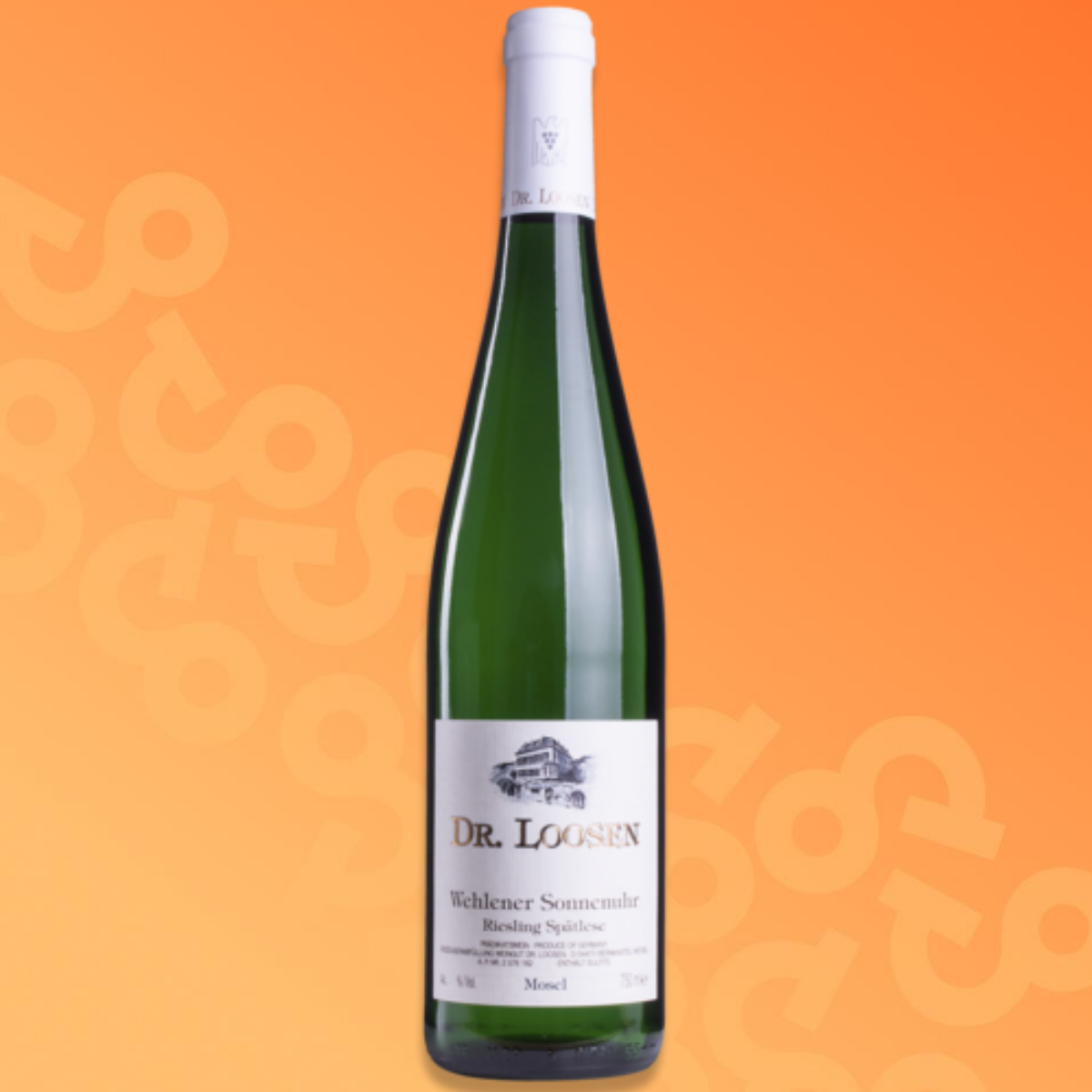
Dr. Loosen Wehlener Sonnenuhr Riesling Spätlese
Late-harvest Riesling from the Wehlener Sonnenuhr in the Middle Moselle, a steep vineyard with a large sundial. Rich and aromatic, with low alcohol.
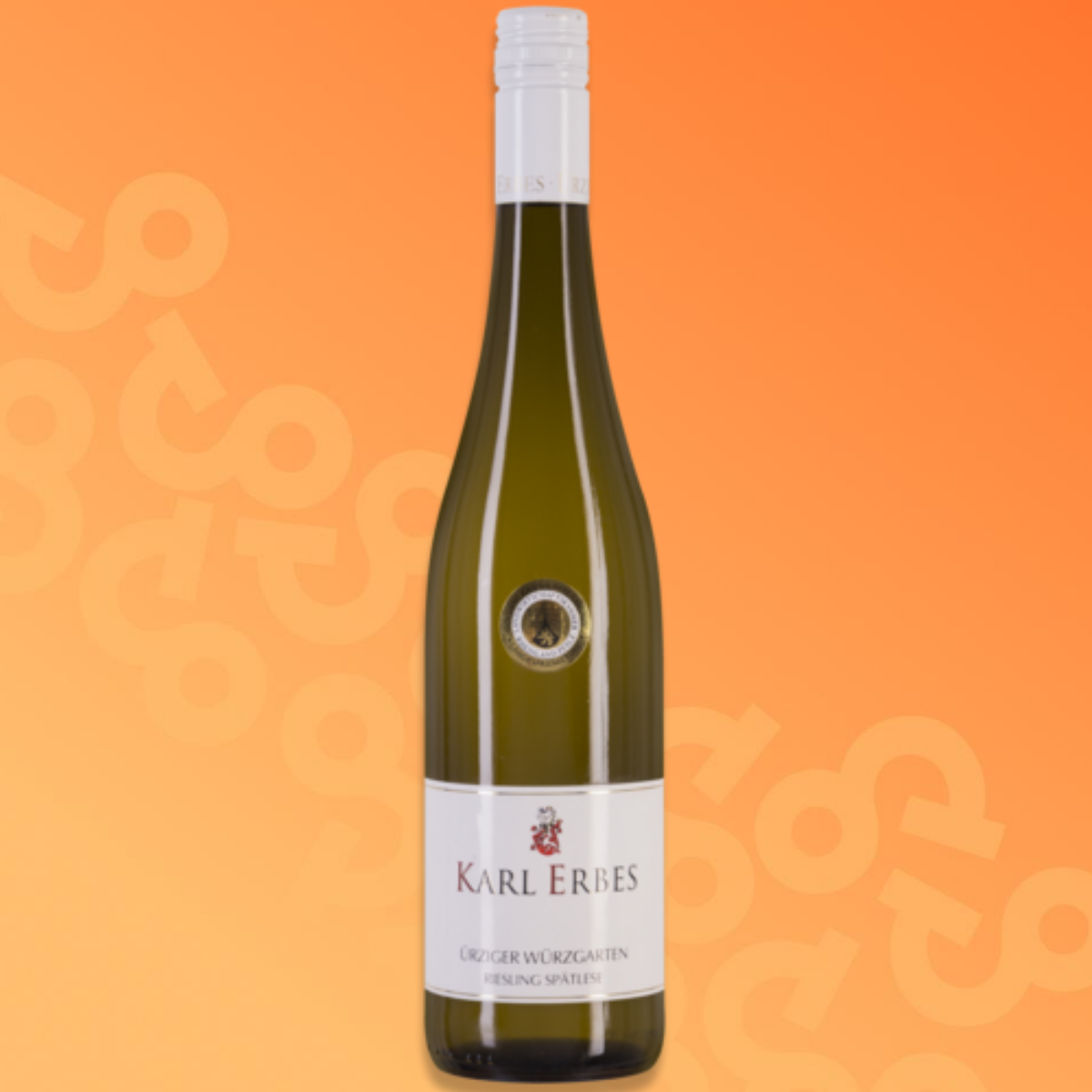
Karl Erbes Riesling Spätlese
A typical Spätlese made from late-harvest Riesling from the Ürziger Würzgarten, with plenty of residual sugar and low alcohol.
Karl Kaspar Spätlese
A soft, approachable Spätlese. The grapes stayed on the vines longer and dried out slightly, and not all the sugar was converted into alcohol.
Karl Erbes Riesling Spätlese Feinherb
From old Riesling vines in the Ürziger Würzgarten. Feinherb means a hint of sweetness, with fresh acidity keeping the wine balanced.
Karl Erbes Erdener Treppchen Spätlese Halbtrocken
Riesling from slate soils along the Moselle, giving the wine a mineral character. Off-dry: some sugar remains.
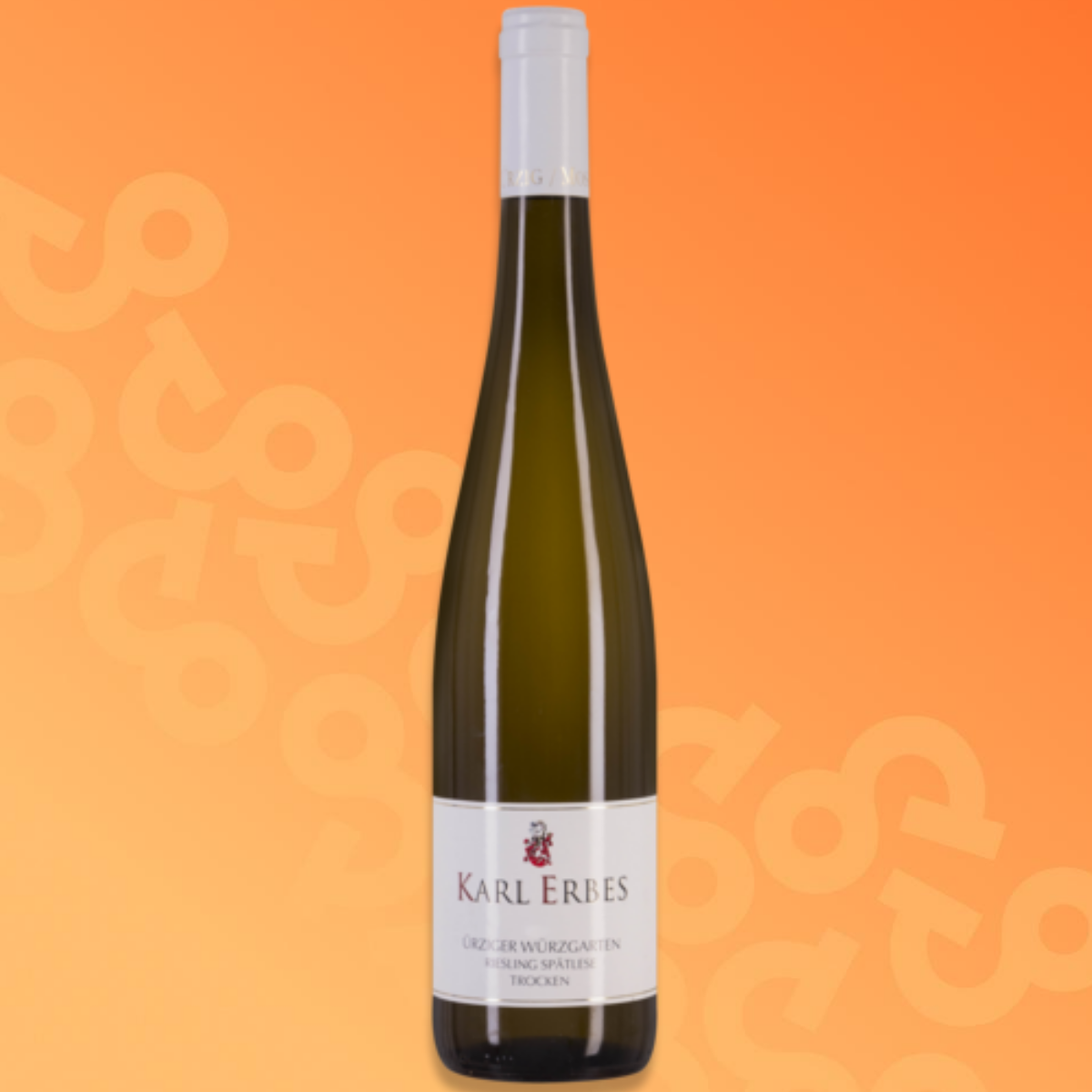
Karl Erbes Riesling Spätlese Trocken
Fully fermented and therefore dry, with the power of late harvest. Apple, apricot, peach and pear.
Almost every Spätlese is made from Riesling. On our Riesling page, you can read where this grape grows and what it tastes like, from dry to sweet.
Ripe fruit, fresh acidity and low alcohol
Peach & apricot
Ripe peach, apricot, apple, and citrus, sometimes with honey or flowers. An older bottle often develops a hint of petrol, typical of aged Riesling.
Sweet and fresh at the same time
A lightly sweet Spätlese is never cloying: Riesling's high acidity keeps the wine fresh. A trocken feels fuller and more powerful than an ordinary dry Riesling.
Long and mineral
The fruit and acidity linger for a long time, often with a slightly stony note characteristic of the Moselle's slate.
Flavor profile of a classic, lightly sweet Spätlese. A trocken scores 1 for sweetness and higher for body.
How to serve Spätlese
Cold, in a white wine glass, and perfectly suitable with food.
At 8 to 10 degrees
Serve Spätlese chilled. A lightly sweet bottle can be served at around 8 degrees, while a trocken should be slightly warmer, around 10 degrees, so you can taste its fullness. Take the bottle out of the refrigerator fifteen minutes before serving.
More about wine temperature →Read the label
If the label only says Spätlese, the wine is usually lightly sweet. Trocken means dry, while halbtrocken and feinherb fall somewhere in between. A low alcohol percentage, around 7.5 to 9%, also indicates that some sugar has remained in the wine.
To the bottles →Can age for years
Thanks to its sugar and acidity, a good Spätlese can age for years. It then tastes less sweet and becomes more complex. An opened bottle stays good for a few days with a stopper in the refrigerator.
Spätlese at the table
Because of its combination of sweetness and acidity, Spätlese is one of the easiest wines to pair with foods that other wines struggle with, such as spicy dishes.
Spicy Asian food
Thai, Indian, or Indonesian food with some heat. The sweetness softens the heat, while the acidity keeps it fresh.
Dessert and cheese
Apple pie, peaches, or a fruit salad, and blue cheese or a creamy cheese.
Fish and poultry
Salmon, trout, chicken, or duck with a fruity sauce.
Asparagus and white meat
Asparagus, pork tenderloin, veal, or oven-baked fish.
The right glass for Spätlese
Pour Spätlese into a white wine glass with a slightly smaller bowl. It keeps the wine cool and concentrates the fruit aromas. These are the glasses we recommend ourselves.


Everything you still wanted to know about Spätlese
Can't find your question here? Read more about Riesling, or get in touch.
To Riesling →What is Spätlese (spatlese)?
Is Spätlese sweet?
What is the difference between Kabinett, Spätlese and Auslese?
How much alcohol does Spätlese contain?
Which glass and temperature are right for Spätlese?
What do you eat with Spätlese?
Buy Spätlese
Want the bottle at home right away? Order Spätlese online from Gall & Gall. Gall & Gall has 6 in stock.
Prices as of October 9, 2026, as provided by Gall & Gall. You can see the current price and stock at Gall & Gall. Glazen.nl receives a small commission if you buy something through these links; you pay nothing extra. No 18, no alcohol.