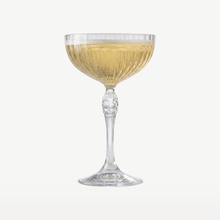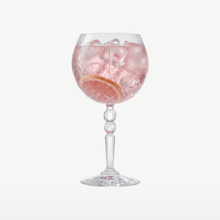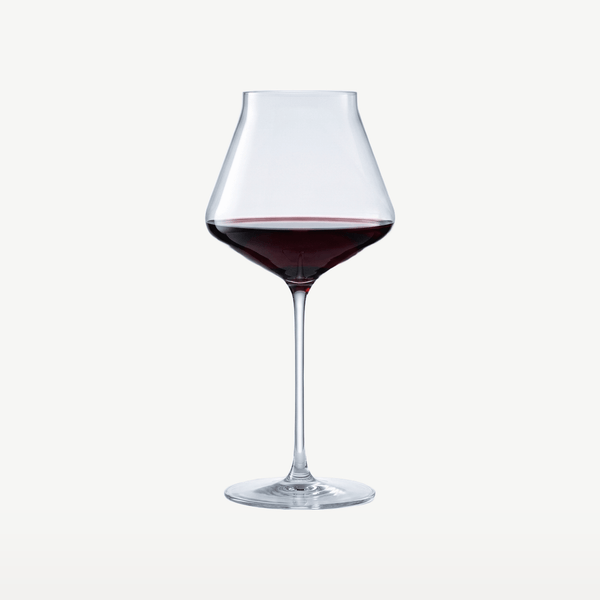
Chef & Sommelier Reveal Up Intense Wine Glass 55 Cl - 6 Pieces
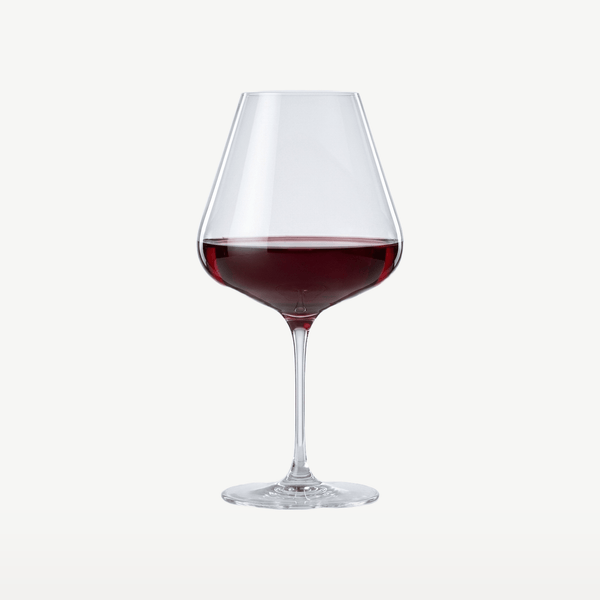
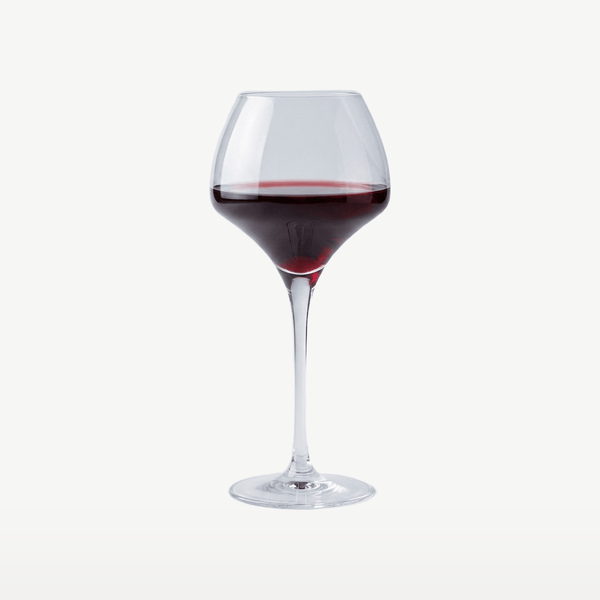

Chef & Sommelier Open Up Tannic Wine Glass 55 Cl - 6 Pieces
German wine
German wine comes from a cool-climate wine country, with vineyards along rivers such as the Rhine and Moselle. Riesling is the main grape, ranging from bone-dry to sweet. Germany is also producing more and more good Spätburgunder, the German name for Pinot Noir.


German wine, by grape
German wine is chosen mainly by grape. We have a dedicated page on the key grapes, as well as on alcohol-free wine, an area in which German producers excel.

Riesling
From bone-dry to sweet, with citrus, peach and a crisp acidity that can age for years.
About Riesling →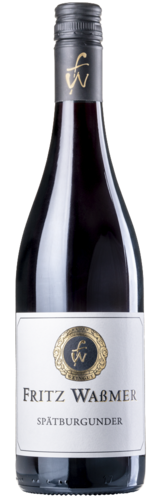
Pinot noir
The blue grape from Burgundy, which produces elegant red wine in Baden, the Palatinate and the Ahr.
About Pinot Noir →
Pinot blanc
A soft, rounded white wine with pear and nut flavors. Delicious with asparagus and quiche.
About Pinot Blanc →
Alcohol-free wine
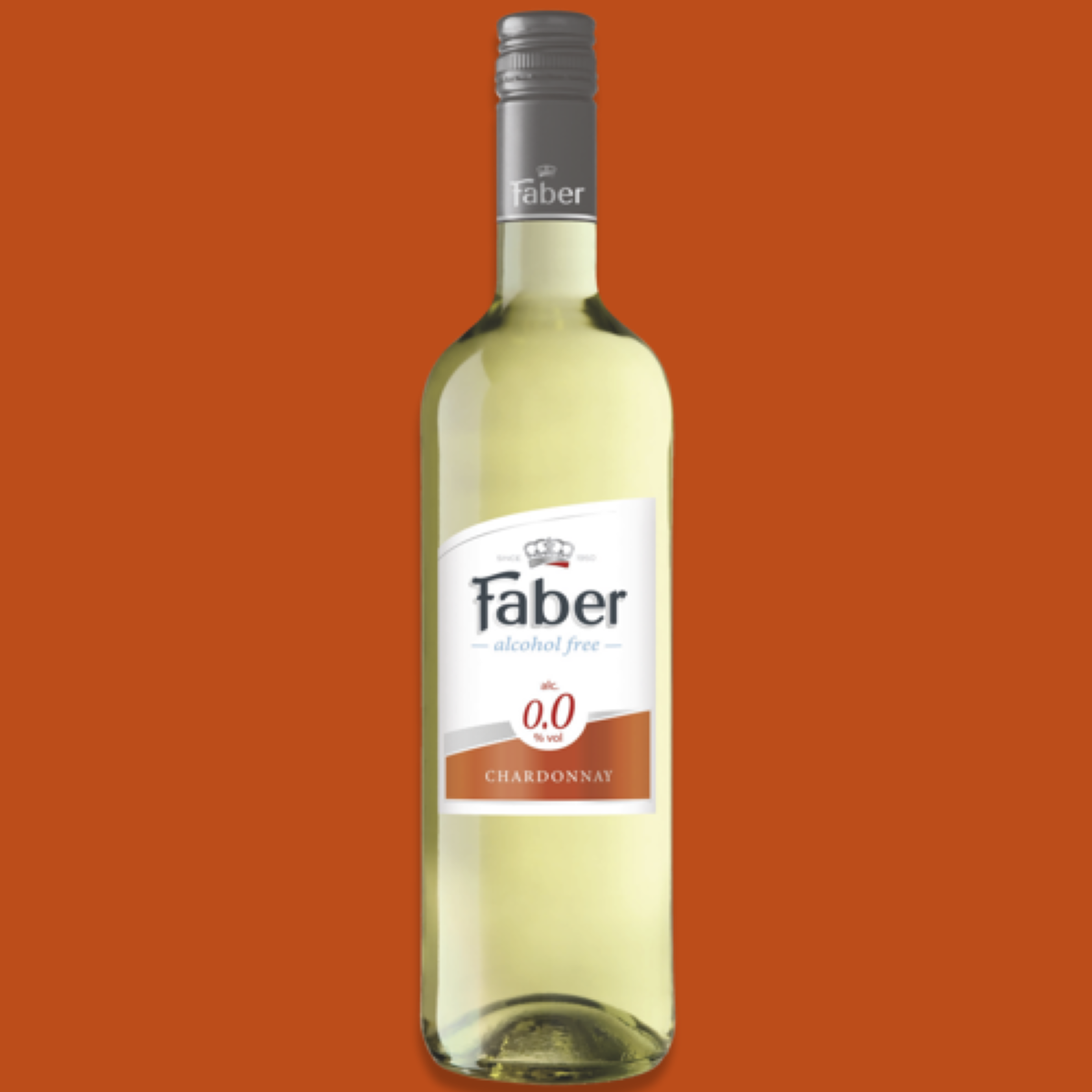
German wineries are among the best-known makers of wine from which the alcohol has been removed.
About alcohol-free wine →Cool-climate vineyards along the river
Germany lies at the northern limit of where grapes can ripen well. That’s why the best vineyards are often on steep slopes along rivers, facing the sun. The water and stony soil retain heat. The country has thirteen wine regions. The Mosel is famous for Riesling from steep slate slopes. The Rheingau and Nahe also mainly produce Riesling. Rheinhessen is the largest region, with a wide variety of grapes. The Palatinate and Baden, in the south, are warmer and known for Spätburgunder and the white Burgundy grapes. In Franconia, people drink Silvaner from the region’s distinctive, flat, round bottle.
Riesling is Germany’s most important grape. It produces wines with plenty of fresh acidity and aroma, available dry, lightly sweet and sweet. On the label, you can tell from words such as trocken (dry), halbtrocken or feinherb (off-dry), and lieblich (sweet). Sometimes you’ll also see classifications such as Kabinett, Spätlese and Auslese. These indicate how ripe the grapes were at harvest: Kabinett is the lightest, while Auslese is riper and often sweet. Above these are rare sweet wines such as Beerenauslese, Trockenbeerenauslese and Eiswein, made from grapes picked frozen from the vine. Spätburgunder is the most important red wine grape, while Dornfelder produces soft, dark red wine.
In brief
Seven bottles, from dry Riesling to Auslese
Three Rieslings show just how versatile the grape is: dry from the Mosel, lightly sweet as Kabinett, and full-bodied from the Rheingau. Then there’s a Spätburgunder, a Weissburgunder, a sweet Auslese and an alcohol-free Riesling.
Dr. Loosen Blauschiefer Riesling
Dry Riesling from vineyards with blue slate along the Mosel. Crisp and fresh, with citrus, green apple and a mineral note.

Dr. Loosen Wehlener Sonnenuhr Riesling Kabinett
A classic Mosel Kabinett from the famous Wehlener Sonnenuhr vineyard. Low in alcohol, with pear, white flowers and herbs, and lively acidity.

August Kesseler Rüdesheim Riesling
Riesling from old vines around the town of Rüdesheim on the Rhine. Rich and full-bodied, with ripe apple, white pear, and stone fruit, and fresh acidity.

Fritz Wassmer Spätburgunder Alte Reben
Spätburgunder, the German Pinot Noir, from vines over 45 years old in Baden. Elegant, with red cherries and a soft, fine structure.
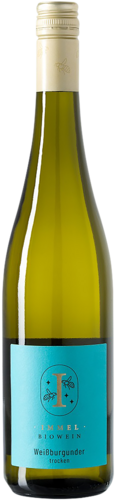
Immel Weissburgunder
Dry Weissburgunder, or Pinot Blanc. Ripe fruit, a touch of mandarin, and herbs, with a rounded structure and a nutty finish.

Karl Kaspar Auslese
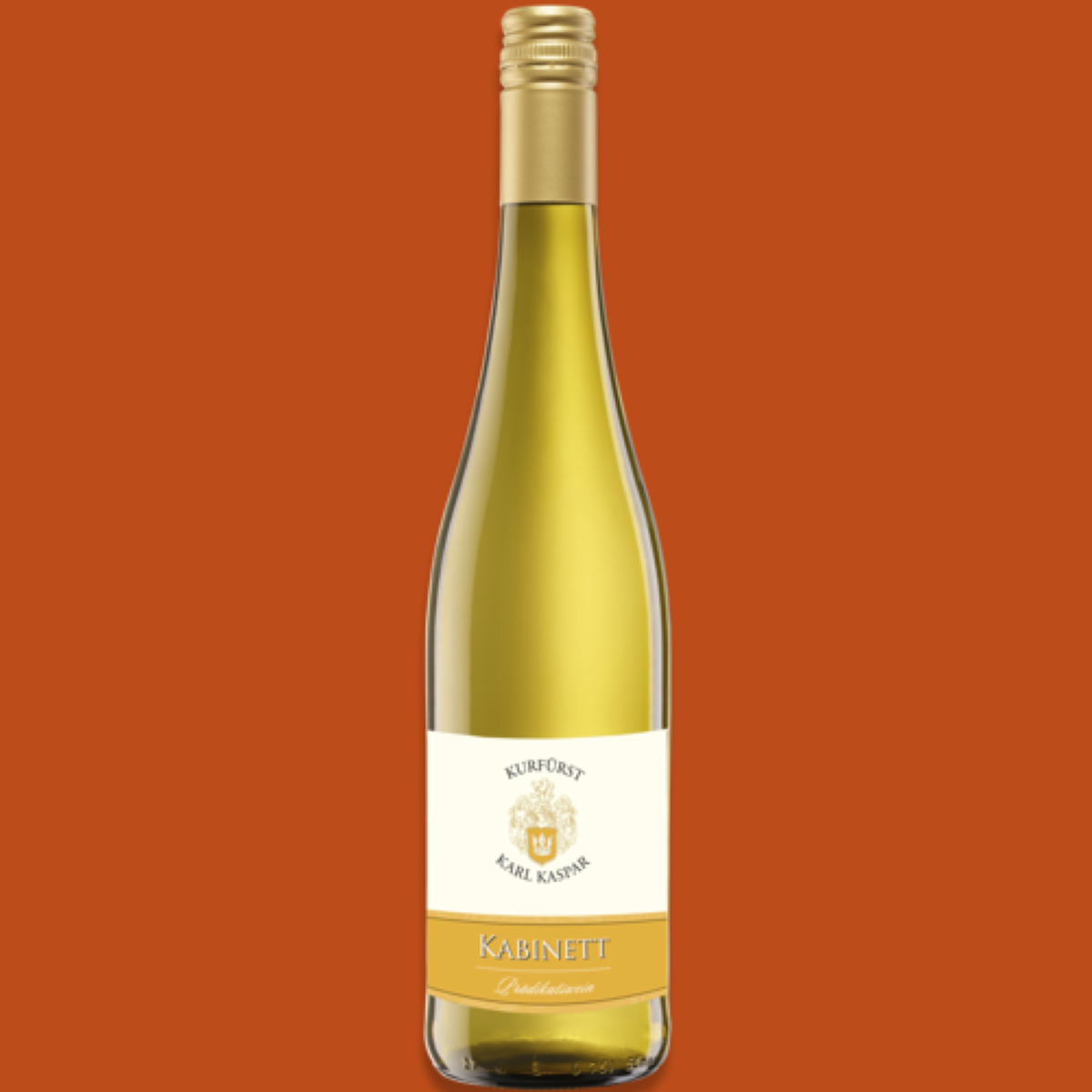
Sweet wine made from carefully selected, ripe grapes. Tropical fruit, orange marmalade, and honey, yet still fresh.

Leitz Motiv Riesling
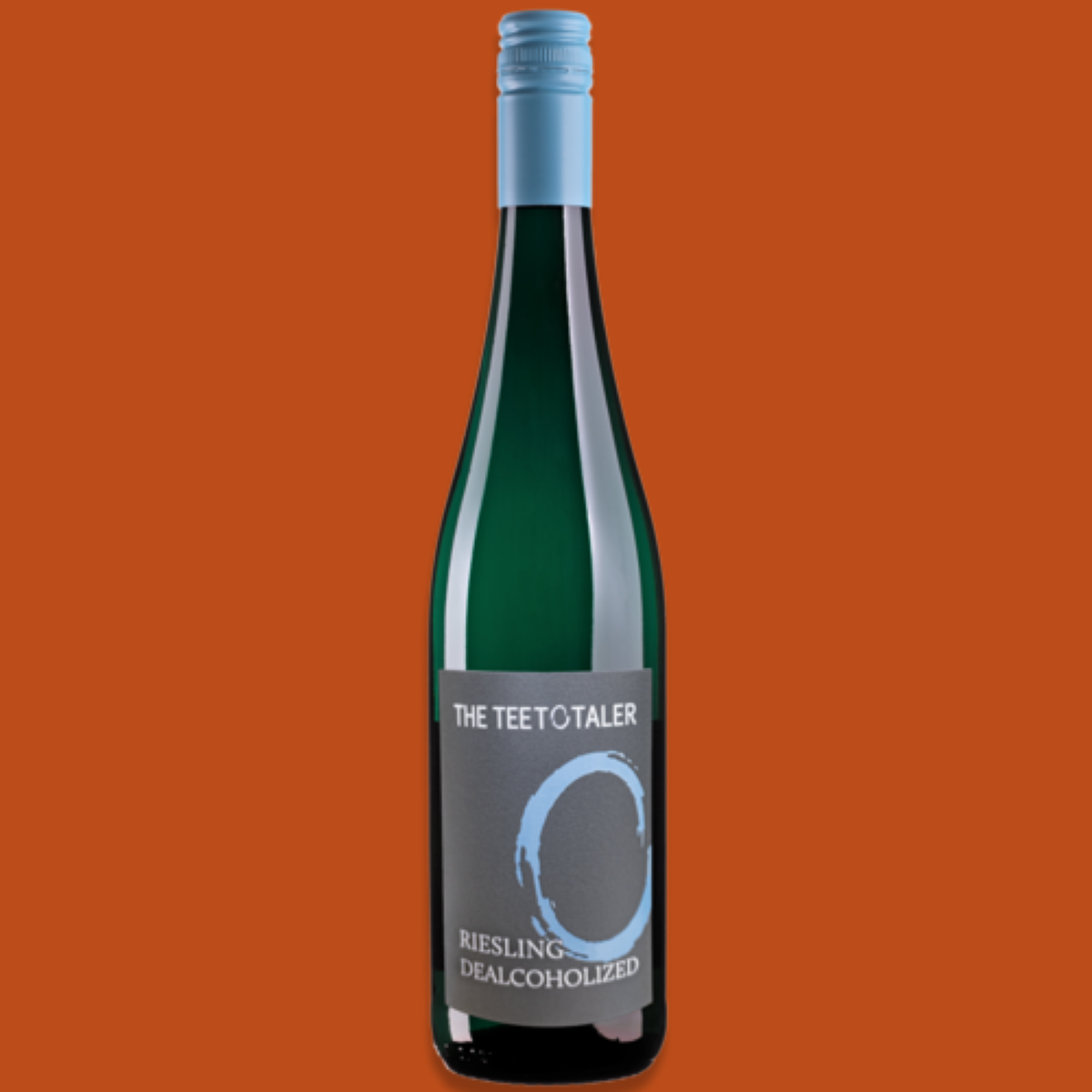
Riesling from which the alcohol has been carefully removed after production. Lime, lemon, and red apple. For those who want the taste of wine without the alcohol.
How can you tell whether a Riesling is dry or sweet, and why does an old Riesling sometimes smell of petrol? Find out on our Riesling page.
Fresh, aromatic, and often light
Citrus, peach & blossom
Riesling smells of lemon, lime, green apple, peach, and white flowers. After a few years, notes of honey and sometimes petrol develop. Spätburgunder smells of red cherries and strawberries.
Bright acidity
German white wine has plenty of fresh acidity. In off-dry wine, that acidity balances the sweetness, so the wine doesn't taste cloying. Many wines are low in alcohol.
Fresh and mineral
A good Riesling finishes long and fresh, often with a mineral, somewhat stony note from the slate soil. Spätburgunder finishes soft and fruity.
Flavor profile of a typical Mosel Riesling. A trocken scores lower on sweetness, while an Auslese scores much higher. Spätburgunder scores lower on freshness and slightly higher on body.
How to serve German wine
White and sweet wines well chilled, Spätburgunder lightly chilled.
Spätburgunder at 14 to 16 degrees
German Pinot Noir is light and fresh, and is best enjoyed lightly chilled. Put the bottle in the refrigerator half an hour before serving. This keeps the fruit fresh and prevents the alcohol from standing out.
More about wine temperature →Extra-chilled sweet wine
Serve an Auslese or another sweet wine at 6 to 8 degrees, in a small glass. The chill keeps the sweetness fresh. An opened bottle of sweet wine will keep for a few days in the refrigerator with a stopper.
More about dessert wine →Riesling at 8 to 10 degrees
Dry and off-dry Riesling, Weissburgunder and other white wines should be served at 8 to 10 degrees. A full-bodied Riesling from the Rheingau or an oak-aged Chardonnay can be served a little warmer, around 10 to 12 degrees.
More about decanting →German wine at the table
With its refreshing acidity, German wine is an easy match for food. An off-dry Riesling is also one of the best wines to pair with spicy Asian food.
Fish and shellfish
Fried or steamed fish, sushi, oysters and mussels. A dry Riesling also goes well with German classics like sauerkraut and pork.
Spicy Asian food
Thai curry, Indian dishes and sushi with wasabi. A touch of sweetness tempers the heat, while the acidity keeps it fresh.
Asparagus and quiche
A dry Weissburgunder is a popular choice during asparagus season. It also goes well with quiche, chicken and creamy pasta.
Duck and dessert
Spätburgunder pairs well with duck, game birds and mushrooms. Serve an Auslese with pâté, blue cheese or a fruit dessert.
The right glass for German wine
Pour Riesling into a slightly smaller white wine glass to keep the aromas of citrus and blossom together and the wine cool. Spätburgunder calls for a larger red wine glass. Serve a sweet Auslese in a small glass. These are the glasses we recommend ourselves.


Everything you still wanted to know about German wine
Can’t find your question here? Read more about wine and food, or get in touch.
To wine and food →What is German wine?
What do Kabinett, Spätlese, and Auslese mean?
What does trocken mean?
What is Spätburgunder?
How much alcohol is in German wine?
What should you eat with Riesling?
Buy German wine
Want the bottle delivered straight to your door? Order German wine online from Gall & Gall. Gall & Gall has 56, including 2 on sale.
Prices as of November 22, 2026, as provided by Gall & Gall. You can check the current price and stock at Gall & Gall. Glazen.nl receives a small commission if you buy something through these links; it costs you nothing extra. No 18, no alcohol.