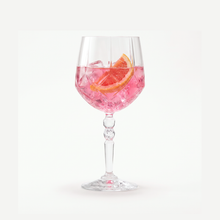
Royal Leerdam Carre Wine Glass 28 Cl - 6 Pieces
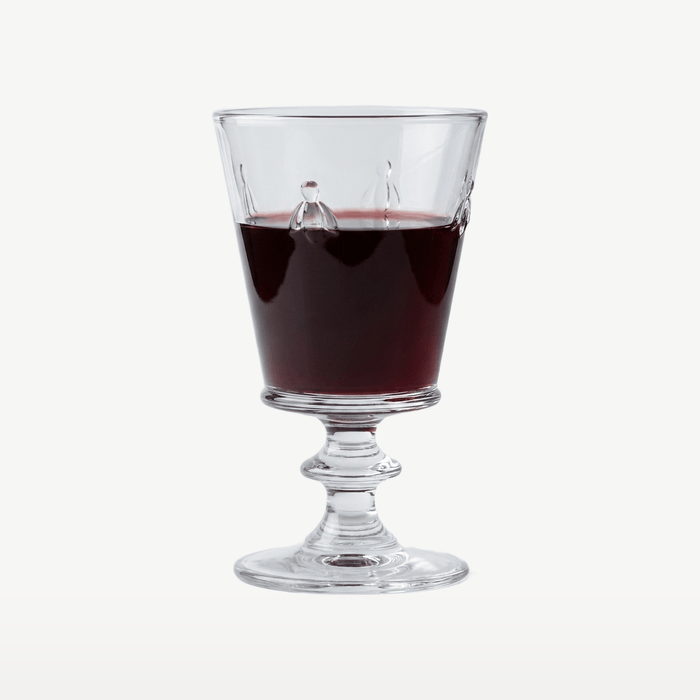
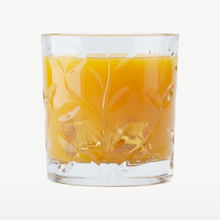
La Rochère Abeille Wine Glass 24 cl - 6 Pieces
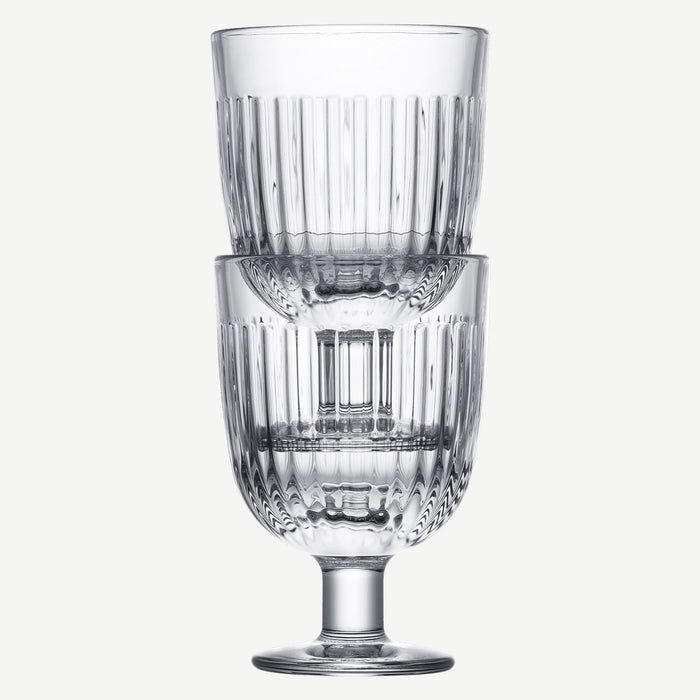
La Rochère Ouessant Stackable Wine Glass 22 Cl - 6 Pieces
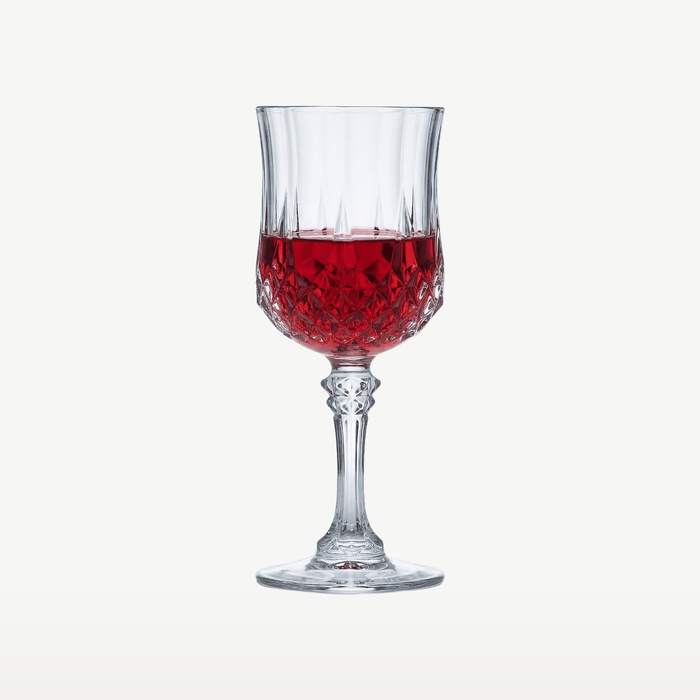
Eclat Longchamp Wine Glass 25 Cl - 6 Pieces

How to pour
a Gewürztraminer in
Put the bottle in the fridge for about two hours, so the wine reaches 10 to 12 degrees. That’s intentionally less cold than most white wines: serve your Gewürztraminer ice-cold, and the aroma you bought it for will disappear.
Alsatian bottles are tall and slender and usually have a cork; bottles from other regions often have a screw cap. Cut around the capsule below the ridge on the neck, center the corkscrew spiral on the cork, and turn it straight down.
Aerating isn’t necessary. Gewürztraminer’s aroma needs no help, and the wine has little acidity to absorb air. Just put the bottle back in the fridge between pours, because it quickly becomes heavy and sweet at room temperature.
Pour until the glass is about one-third full. The space above lets the aroma gather, and that’s half the story with this wine. Hold the glass by the stem so your hand doesn’t warm the wine.
What did you think of this guide?
Just click a star once. If you’d like to add a comment, we’ll review it before it appears here.
Save this page
Send this page to your own email so you have the information handy when it’s time to pour. You’ll also get a € 5 discount code on purchases of € 50 or more, for the glasses that go with it.
The story
The name suggests where it comes from: gewürz means spice in German, and Tramin is a village in South Tyrol. That is the generally accepted explanation. Its home today is above all Alsace, where it is a staple on wine labels, and the wines range from dry to distinctly sweet. It is also found in Germany, in Alto Adige around that same Tramin and, much farther away, in New Zealand. The grape itself is striking: its skin is reddish-pink, yet it produces a white wine.
The right glass
The traditional Alsatian wine glass with the green stem isn’t part of our range, and a glass with Gewürztraminer on the box doesn’t exist anyway. What is available are bowls made for aromatic white wine, and these come closest. You’re looking for a generous bowl that gives the aroma room to develop, with an opening that still concentrates it, because aroma is the main thing with this wine. See the sizes in our white wine glasses; keep the bottle cool in between with a wine cooler.

Stölzle Lausitz Quatrophil White Wine Glass 40.5 cl (6 pieces)

Luigi Bormioli Supremo Chardonnay White Wine Glass 35 cl (6 pieces)
Both sets together € 94,90.
The right tool
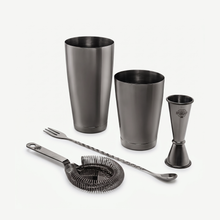
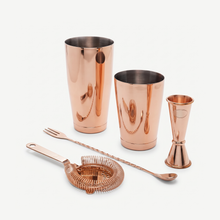
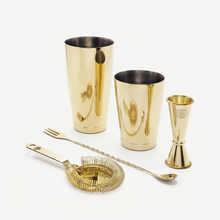
For Gewürztraminer, besides a wine glass, you’ll mainly need a corkscrew, since Alsatian bottles usually have a cork, and a wine cooler to keep the bottle chilled between pours. The bar tools below come in handy when the wine goes into a spritz or a punch: a zester for a strip of zest and a jigger for measuring. These are the bar tools we use ourselves; find them all in our bar tools & cocktail sets.


Glass set (our pick 01) + 2 bar tools for € 85,85.
What to serve alongside?
Gewürztraminer is a wine with a distinctive character, which means there’s often something else on the table alongside it. These are the wines to enjoy before, alongside, or after it, from a glass of crémant beforehand to a moscato with dessert. On each drink page, you’ll find the alcohol percentage, tasting notes, cocktail pairings, and the glass you’ll need.


Variations & twists
In Alsace, Gewürztraminer ranges from dry to very sweet. Late-harvest wines are labeled vendange tardive, while the sweetest wines, made from grapes picked berry by berry, are labeled sélection de grains nobles. Dry versions are also available, though its full, oily mouthfeel makes the wine taste sweeter than it is. Outside Alsace, in Germany and Alto Adige, the wines are more often dry and slightly lower in alcohol. Want to read more? Browse all drinks and brands.
Serving tip
Serve at 10 to 12 degrees, not from the coldest corner of the fridge. Gewürztraminer is the wine for spicy Asian food: its residual sweetness tames the heat of chili, and its spicy aromas complement ginger, coconut, and curry. That’s why it often works better with Thai and Indian food than red wine. The classic pairing from its home region is Munster cheese, whose pungent aroma it can stand up to.
Good to know
Where the name comes from
Gewürz means spice in German, and Tramin is a village in South Tyrol; together, that’s the usual explanation for the name. The grape is also known as traminer, without the first part. In Alsace, it usually appears in full on the label because the grape name is the most important designation on the bottle.
Lychee, rose petal, clove, and ginger
Few grapes are as easy to recognize blind. Lychee and rose petal are the two notes almost everyone picks out, followed by clove and ginger. Add a full, almost oily mouthfeel and low acidity, and the wine feels broad and soft on the palate rather than taut and fresh.
Vendange tardive and sélection de grains nobles
These are the two designations for sweeter Alsatian wines. Vendange tardive means late harvest: the grapes stay on the vine longer, and the wine becomes fuller and often sweeter. Sélection de grains nobles goes a step further, using individually selected, dried grapes to produce a distinctly sweet wine. If neither appears on the label, the bottle is dry to off-dry.
Don’t serve it too cold
Gewürztraminer is at its best at 10 to 12 degrees. That’s a few degrees warmer than you’d serve a riesling or pinot grigio. If served ice-cold, its aromas close up, leaving little of the lychee and rose petal notes; too warm, and it becomes heavy and cloying. So put the bottle back in the fridge after pouring, not in an ice bucket.
How much alcohol it contains
Gewürztraminer ripens easily, so its alcohol content tends to be on the high side: around 13 to 14.5 percent is typical. Sweet Alsatian wines are a little different in balance because sugar remains in the wine. The percentage is on the label, and with this grape it also indicates how full the wine feels in the glass.
Frequently asked questions
What does gewürztraminer taste like?
It’s instantly recognizable by its lychee and rose petal notes, with clove and ginger behind them. On the palate, it’s full and almost oily, with low acidity and often some residual sweetness. This makes it feel soft and broad, whereas riesling or sauvignon blanc is taut and fresh.
Is gewürztraminer sweet?
It varies by bottle. In Alsace, the range runs from dry to the late-harvest wines vendange tardive and the even sweeter sélection de grains nobles. Even a dry gewürztraminer tastes sweeter than it really is because of its full mouthfeel and low acidity. Outside Alsace, the wines are more often simply dry.
What temperature and glass should you serve Gewürztraminer at?
Serve between 10 and 12 degrees, a few degrees warmer than most white wines, as the aroma disappears when it's ice-cold. Use a wide-bowled glass that gives the aroma room to develop and directs it toward your nose. Pour to one-third full and return the bottle to the refrigerator between pours.
What should you eat with Gewürztraminer?
Spicy Asian food is the classic choice: with Thai and Indian dishes, the residual sweetness balances the chili, while the spicy notes complement ginger, coconut and curry. From its home region comes the pairing with Munster cheese, a full-bodied cheese that few other wines can stand up to. It also works well with foie gras and spiced sausage.
Also delicious
Buy Gewürztraminer
Want the bottle delivered straight to your door? Order Gewürztraminer online from Gall & Gall. Gall & Gall has 10 in stock.
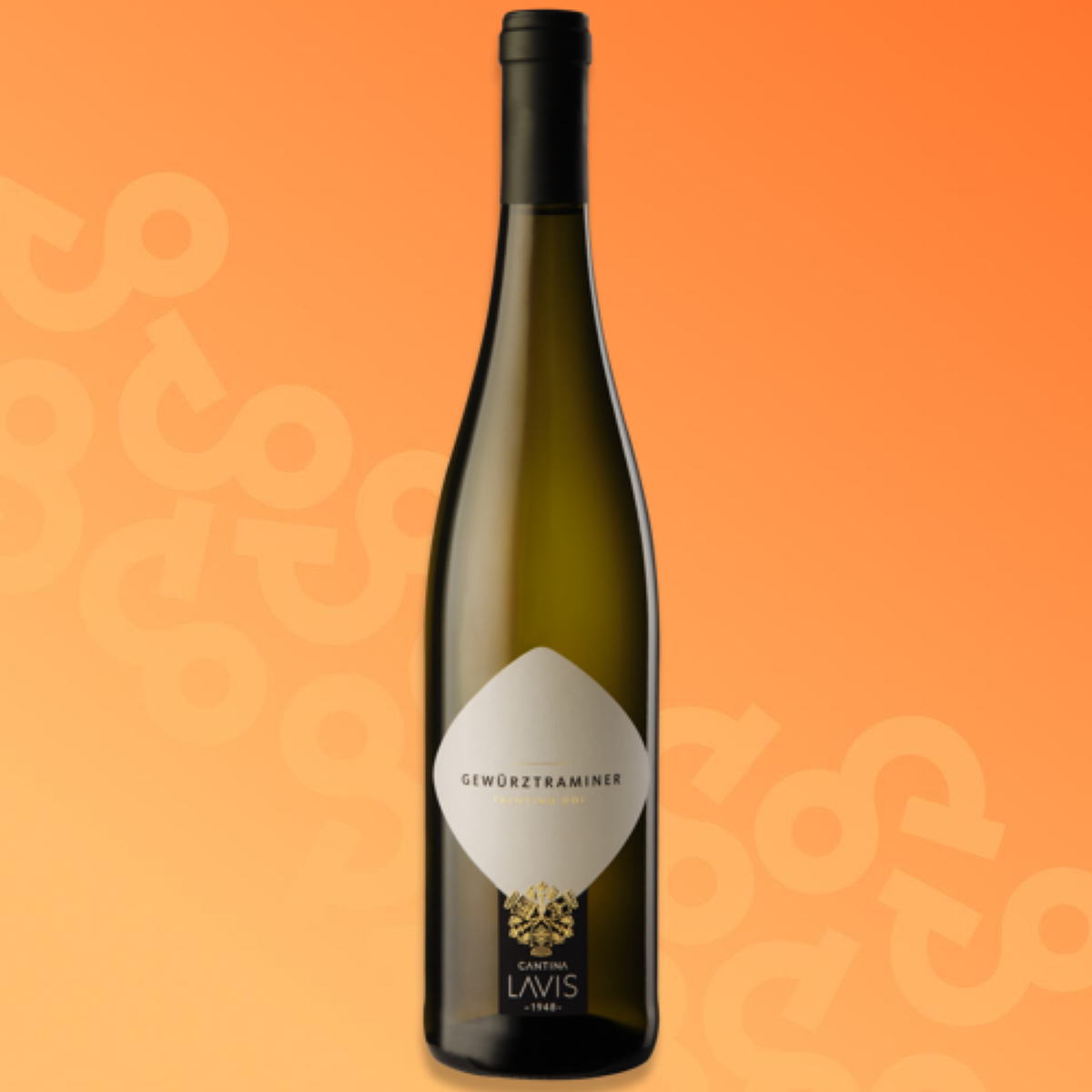
Lavis Classici Gewürztraminer
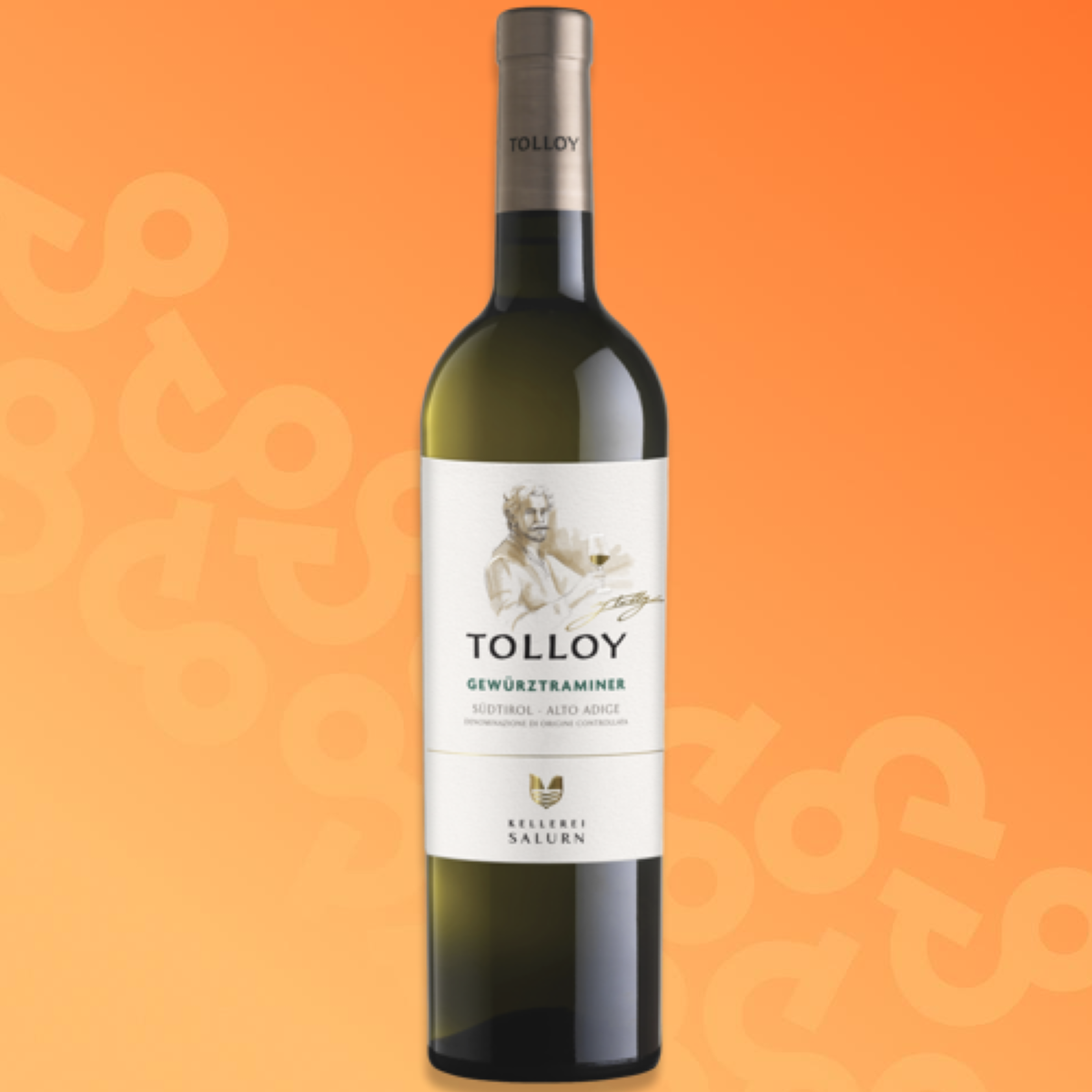
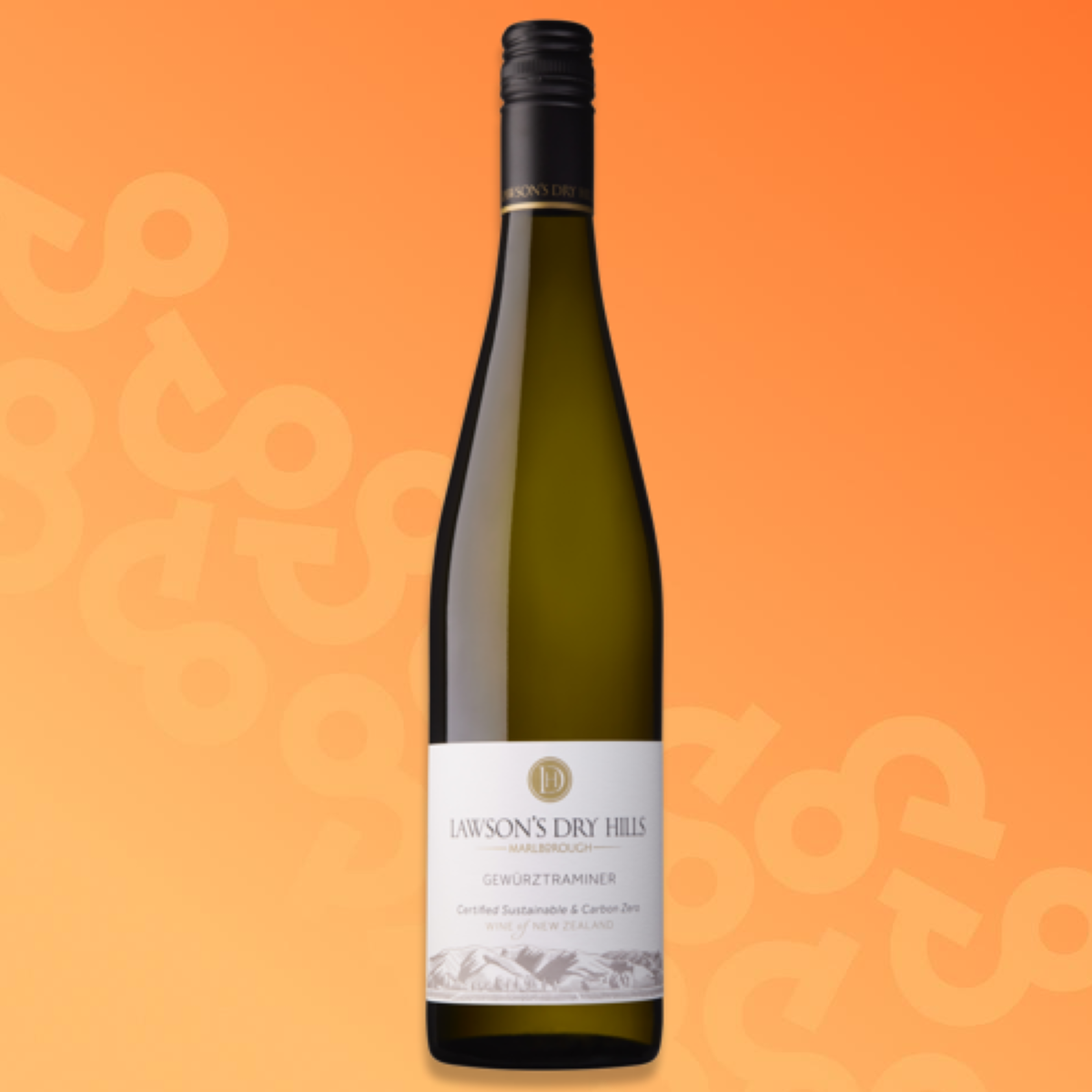
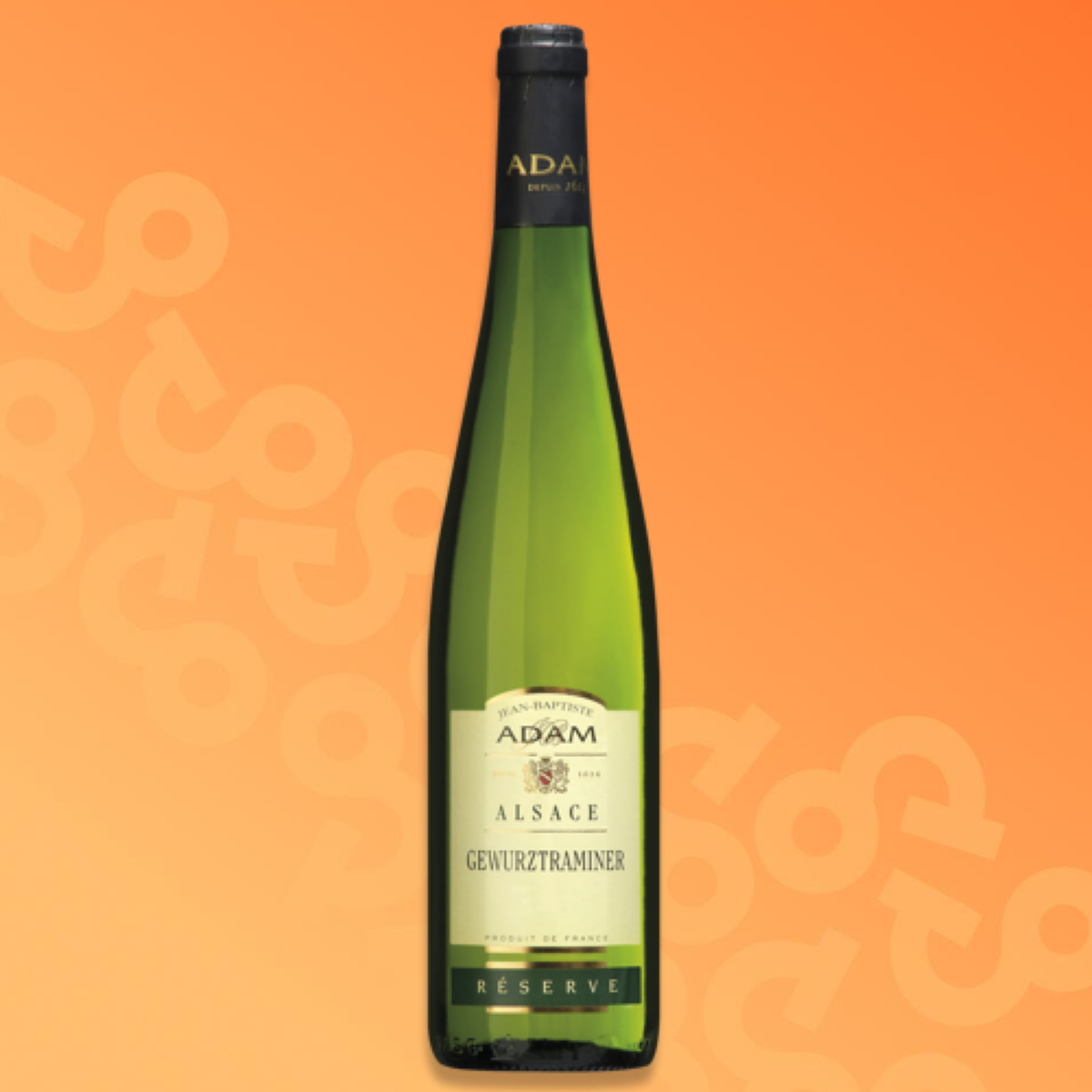
Prices as of November 17, 2026, as provided by Gall & Gall. You can check the current price and stock at Gall & Gall. Glazen.nl receives a small commission if you buy something through these links; it costs you nothing extra. You must be 18 or older. No alcohol.
Everything for your bar,
at one address
Glasses in hospitality-grade quality, sold in sets. Order today, delivered quickly.
Shop for glasses →