Trapiche
Trapiche is one of Argentina's oldest and best-known wineries, based in Mendoza at the foot of the Andes. Malbec takes center stage, from an easy-drinking everyday bottle to wines from a single vineyard. Here you'll learn how the ranges differ and what to eat with them.


Malbec from high in the Andes
Trapiche has been making wine in Mendoza, Argentina's leading wine province, since the late nineteenth century. The vineyards lie at the foot of the Andes, often at high altitudes. It is warm and sunny during the day and cool at night. This produces ripe grapes that still retain their freshness.
The main grape is malbec. It originally comes from Cahors in southwestern France, but in Mendoza it has become Argentina's best-known grape. Trapiche sources its grapes from different parts of the province, such as Luján de Cuyo just south of the city of Mendoza and the higher-altitude Uco Valley. The range is structured like a ladder: the standard and Reserve wines for everyday drinking, followed by Medalla and Gran Medalla, and at the top, the Terroir Series, where each wine comes from a single vineyard. With the Costa y Pampa range, Trapiche also makes fresher wine from vineyards on the Atlantic coast.
In brief
Seven bottles, from malbec to pinot noir
The higher up the ladder, the more oak aging and the more precise the origin. Malbec runs like a red thread through the range, alongside cabernet, pinot noir and chardonnay.

Trapiche Malbec
The entry-level malbec from Mendoza. Powerful and juicy, with dark berries, blackberries and cherries.
Medalla Malbec
Malbec from Luján de Cuyo, the area just south of the city of Mendoza. Fuller and more robust than regular malbec.

Gran Medalla Malbec
Malbec from the best vineyards in the Uco Valley. The Gran Medalla range was created to mark the winery's 125th anniversary. Full-bodied and robust.

Terroir Series Finca Las Piedras
One grape from one vineyard. Finca Las Piedras means plot of land with stones. A bold malbec that shows where it comes from.

Medalla Cabernet Sauvignon
Cabernet sauvignon from Luján de Cuyo, aged for eighteen months in new French oak. More structured and spicier than malbec.
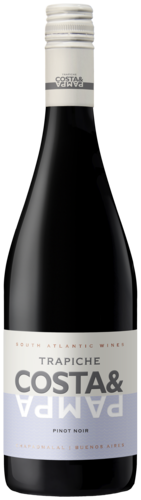
Costa y Pampa Pinot Noir
Pinot noir from the Argentine coast, aged in oak for over six months. Raspberry, cherry and some spices. Delicious lightly chilled.

Reserve Chardonnay
Chardonnay from sunny Mendoza, with some oak aging. Tropical fruit, butter and vanilla.
Why does Argentine malbec taste so different from French malbec? Find out on our malbec page.
Blackberries, plums and soft tannins
Blackberries & violets
Malbec smells of blackberries, plums and black cherries, often with a floral hint of violets. Oak-aged Medalla and Gran Medalla also offer notes of vanilla, chocolate and spices.
Full-bodied and smooth
Ripe and full-bodied, with soft, rounded tannins. This makes Argentine malbec enjoyable even when young. Cabernet sauvignon is more structured and has more grip.
Rounded and warm
The finish is rounded, with dark fruit and a warm note of alcohol. The top wines linger on the palate.
Flavor profile of a Medalla Malbec. The regular Malbec is lighter, the Terroir Series more powerful; Costa y Pampa scores higher on freshness.
How to serve Trapiche
Red just below room temperature, Pinot Noir lightly chilled, and white wine cold. Give a Gran Medalla or Terroir Series some air first.
Red at 16 to 18 degrees
Serve a regular Malbec at around 16 degrees. Medalla, Gran Medalla, and the Terroir Series can be served at 18 degrees. These wines have 14 to 14.5% alcohol; serving them too warm brings the alcohol to the forefront. Costa y Pampa Pinot Noir can even be served slightly chilled, at around 14 degrees.
More about wine temperature →Let top wines breathe
A young Gran Medalla or a wine from the Terroir Series is powerful and needs time. Pour it into a decanter half an hour to an hour beforehand. This brings out the fruit and softens the tannins.
Decanters →White wine, chilled
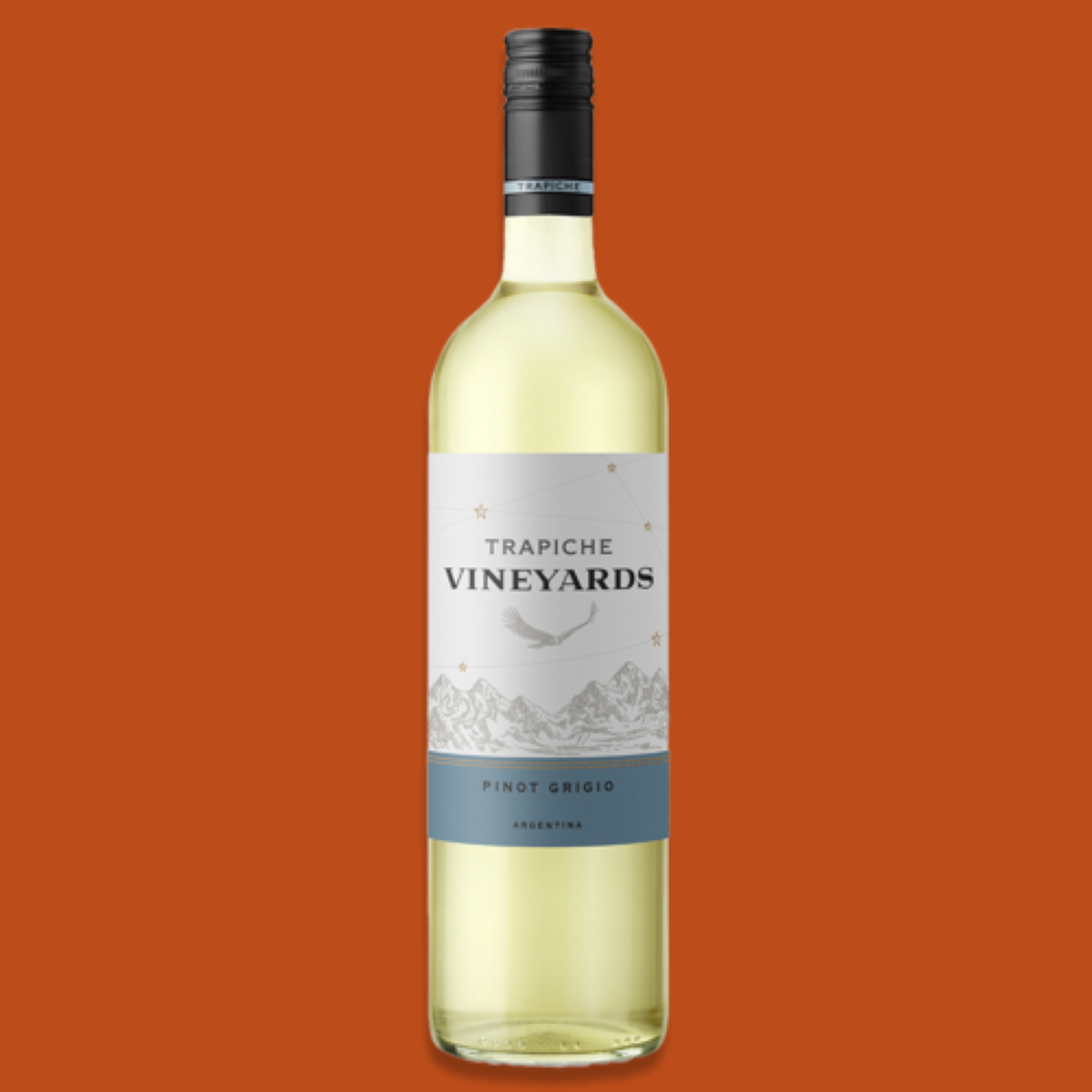
Serve Sauvignon Blanc and Pinot Grigio at 8 to 10 degrees. A full-bodied, oak-aged Chardonnay can be served a little warmer, around 12 degrees, to bring out its creamy flavor.
More about decanting →Trapiche at the table
In Argentina, Malbec is drunk with asado, grilled meat. That's the easiest pairing, but it goes with plenty more.
Grilled meat
Entrecôte, T-bone, burgers, or barbecue ribs. Chimichurri and grilled vegetables also pair well with the ripe fruit.
Lamb and beef stew
Rack of lamb, beef stew, a Moroccan tagine, or game. Its firm tannins need fat and spices.
Poultry and mushrooms
Roast chicken, duck, truffle risotto, or creamy mushroom risotto. Also delicious lightly chilled as an aperitif.
Fish and aperitifs
Sauvignon Blanc with smoked salmon or as an aperitif, Chardonnay with chicken in cream sauce, langoustines, or white fish.
The right glass for Trapiche
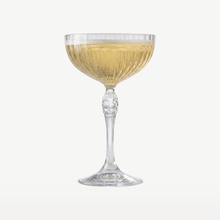
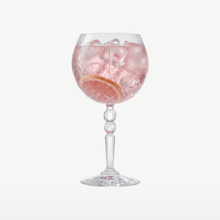
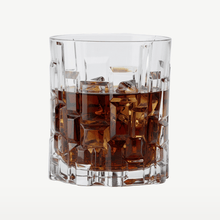
Pour Malbec into a spacious red wine glass to let the dark fruit develop. For Gran Medalla and the Terroir Series, choose a tall, large bowl; for white wine, a smaller glass. These are the glasses we recommend ourselves.


Everything you wanted to know about Trapiche
Can't find your question here? Read more about wine and food, or get in touch.
Go to wine and food pairings →What is Trapiche?
What is the difference between Reserve, Medalla, and Gran Medalla?
What does Trapiche Malbec taste like?
How much alcohol is in Trapiche wine?
What glass should you use for Malbec?
What should you eat with Trapiche Malbec?
Buy Trapiche
Want the bottle delivered straight to your door? Order Trapiche online at Gall & Gall. Gall & Gall has 17 in stock.
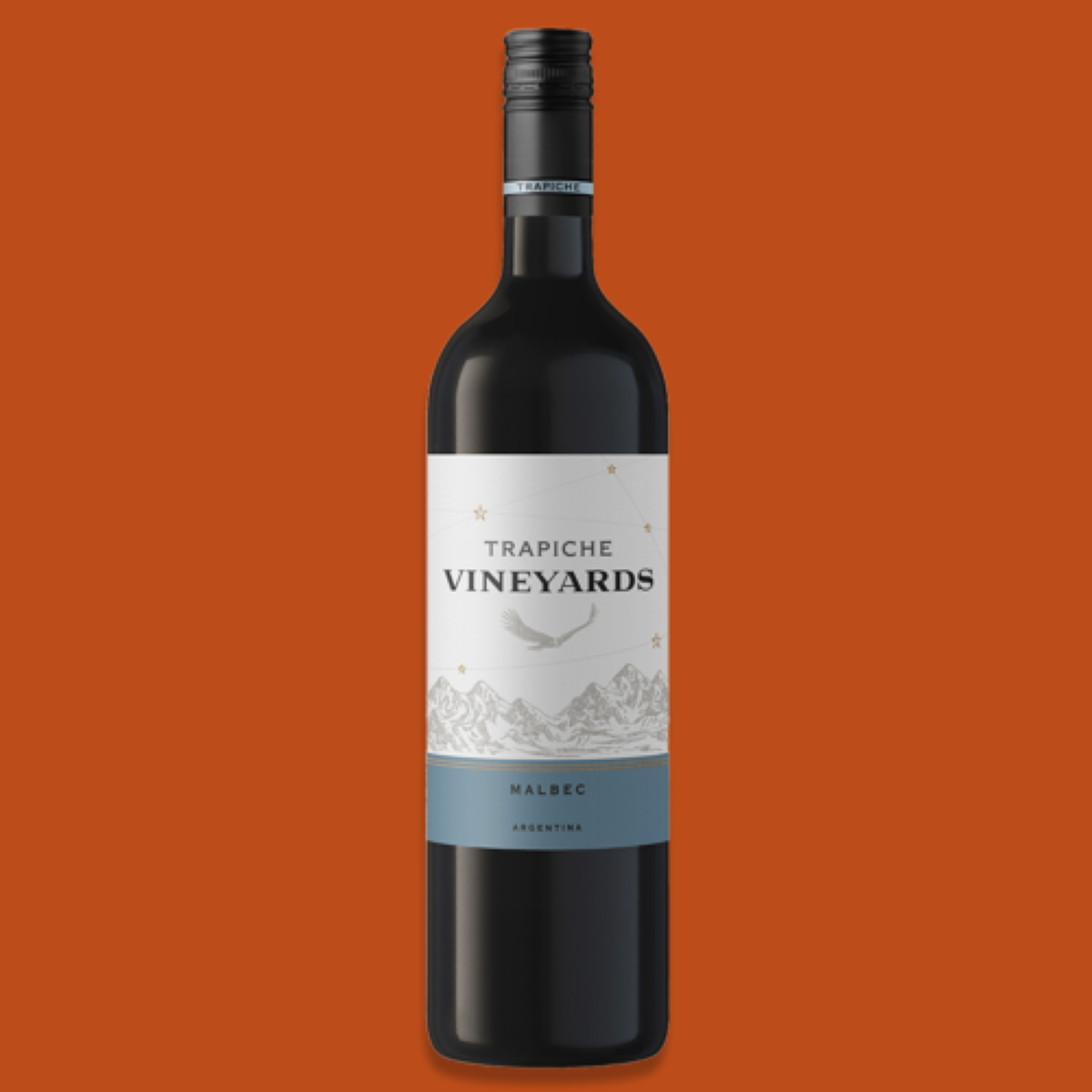
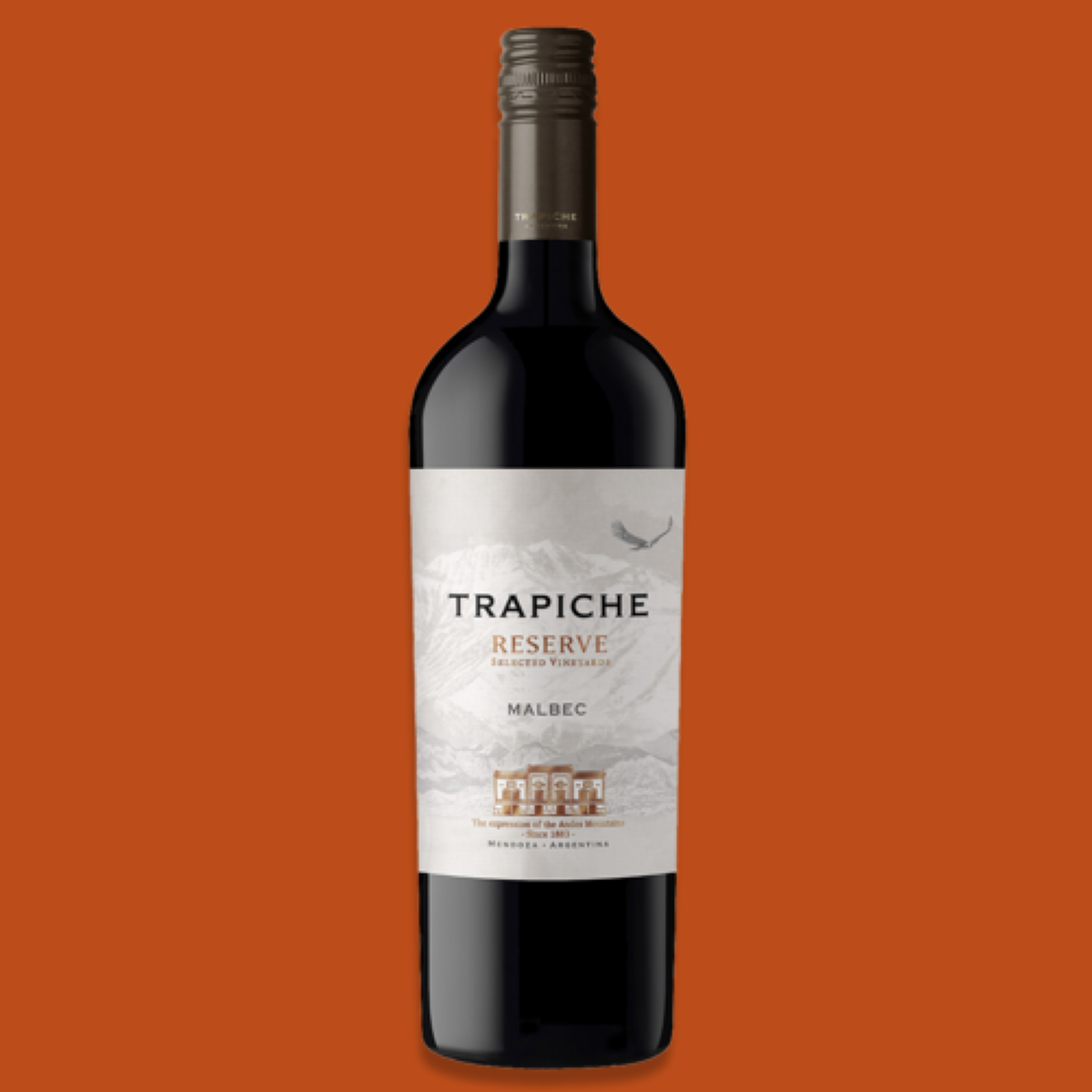
Trapiche Reserve Malbec
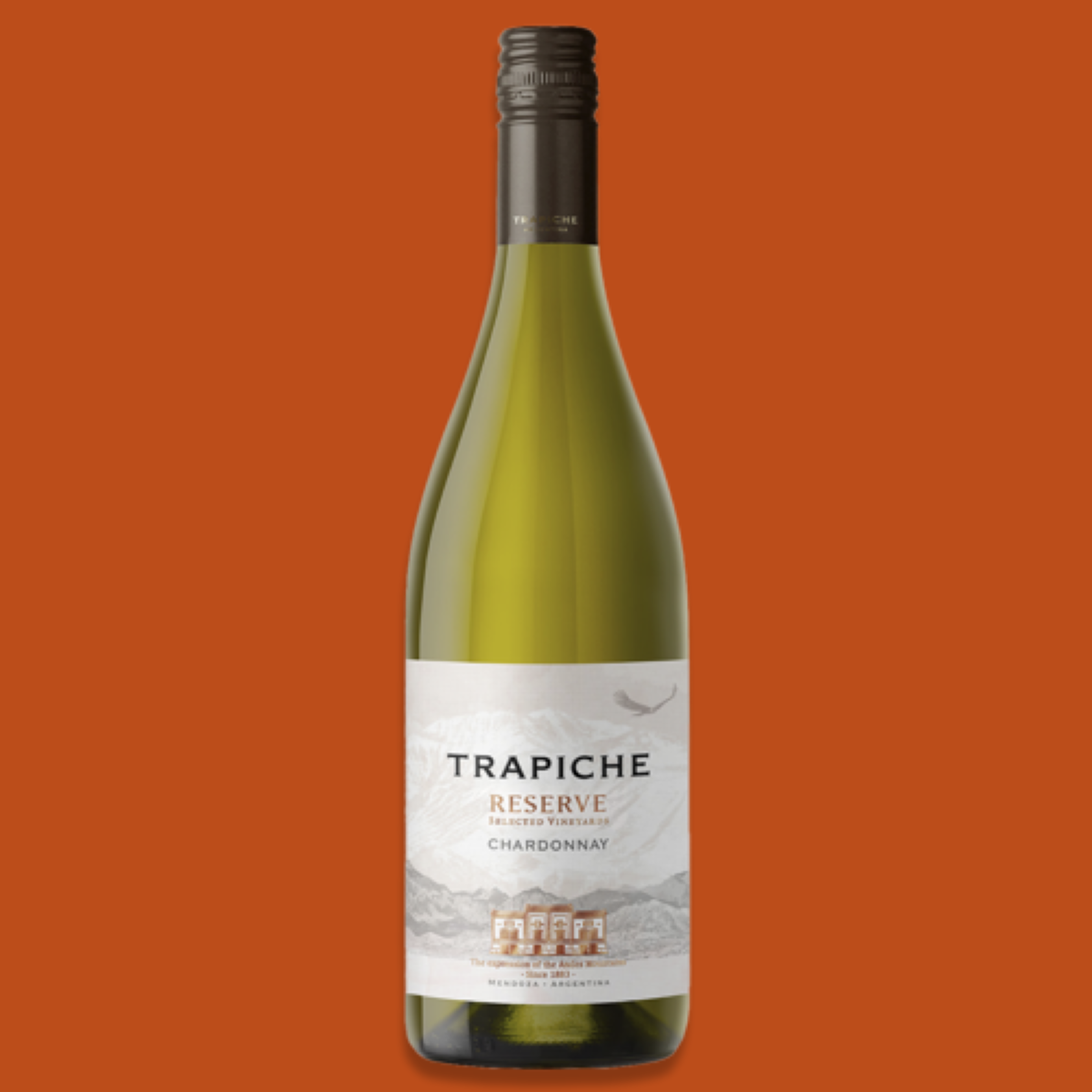
Trapiche Reserve Chardonnay
Prices as of November 21, 2026, as reported by Gall & Gall. You can see the current price and stock at Gall & Gall. Glazen.nl receives a small commission if you buy something through these links; it costs you nothing extra. No 18, no alcohol.