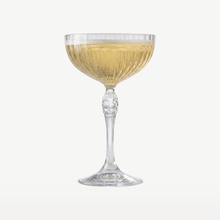
Royal Leerdam Carre Wine Glass 28 Cl - 6 Pieces
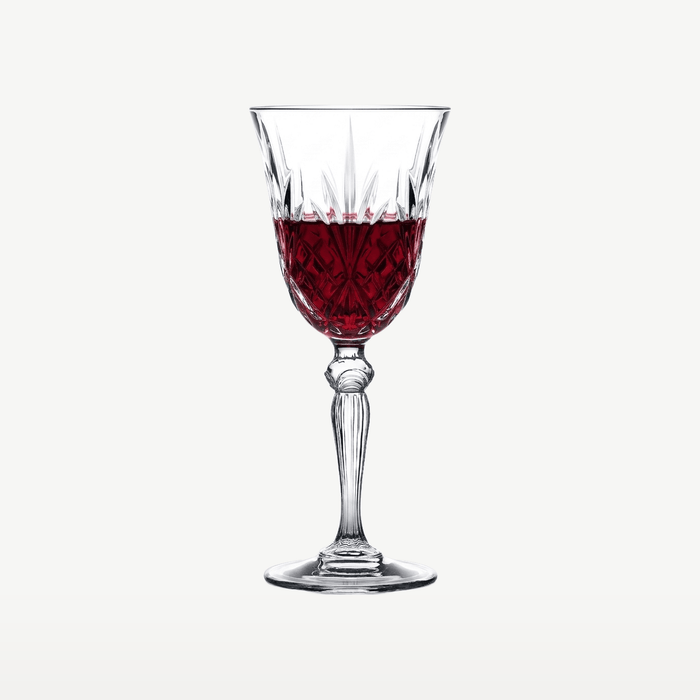
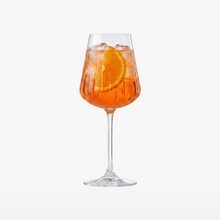
RCR Melodia Wine Glass 21 Cl - 6 Pieces
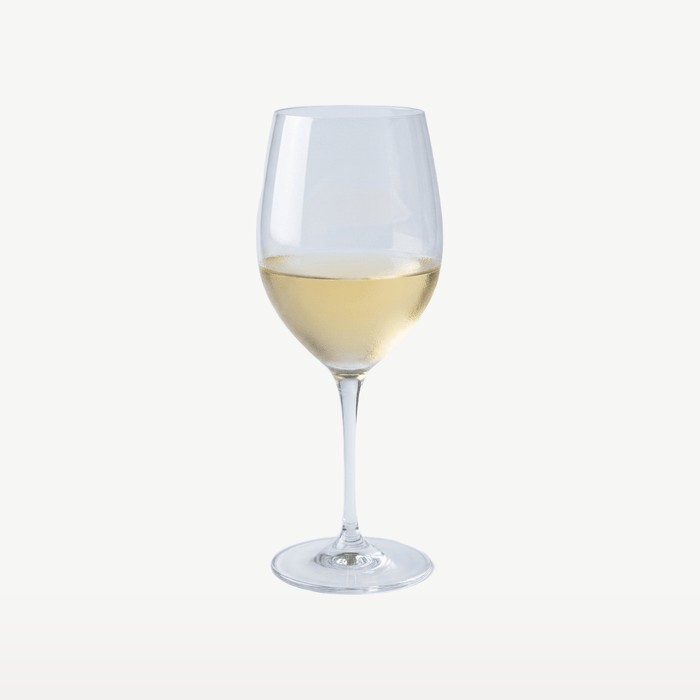
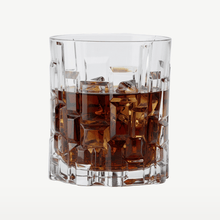
Bormioli Rocco Premium Wine Glass 33 Cl - 6 Pieces
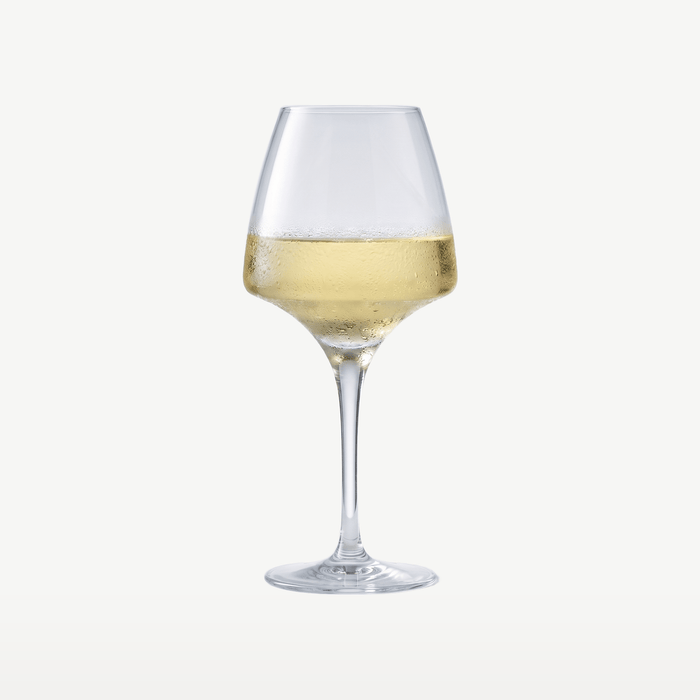
Chef & Sommelier Open Up Pro Tasting Wine Glass 32 Cl - 6 Pieces

How to pour
a pinot blanc in
Put the bottle in the refrigerator for about three hours, until the wine reaches 8 to 10 degrees. Pinot blanc has little acidity, and chilling does for this wine what acidity does for a riesling. Served too warm, it quickly becomes soft and broad.
Many pinot blanc and weissburgunder wines have a screw cap. If it has a cork, cut around the capsule just below the ridge of the neck, place the corkscrew in the center of the cork, and turn it straight down so the cork stays intact.
Decanting isn’t necessary. Pinot blanc is a wine with subtle aromas, which extra air tends to flatten rather than intensify. Place the bottle in a cooler with water and ice beside the table to keep the temperature steady until the last glass.
Pour until the glass is about one-third full. This leaves room above to capture the aromas, and with less wine in the glass, it won’t warm up. Hold the glass by the stem, not the bowl.
What did you think of this guide?
One click on a star is all it takes. If you’d like to add a comment, we’ll review it before it appears here.
Save this page
Send this page to your own email so you have the information handy when you’re ready to pour. You’ll also get a € 5 discount code when you spend € 50, for the glasses to go with it.
The story
Pinot blanc lives in the shadow of its own family. Pinot noir gets the name recognition, pinot gris gets the attention, and pinot blanc is the wine that’s simply there. In Alsace, it’s the everyday glass of wine, and some of the harvest goes into sparkling wine. In Germany, it’s called weissburgunder and is usually made dry; in Northern Italy, where it’s called pinot bianco, it’s light-bodied and neutral. Three countries, three names, always the same role: a wine that doesn’t ask for attention and therefore goes with almost anything.
The right glass
There’s no such thing as a separate pinot blanc glass, and there doesn’t need to be. A medium-sized white wine glass of around 40 cl does the job: large enough to capture the subtle aromas of apple, pear and almond, and small enough to keep the wine cool, since temperature is its main anchor when acidity is low. A wide Burgundy bowl is too much of a good thing. For sizes, see our white wine glasses, and for keeping wine at the right temperature, see our wine coolers.

Zwiesel Glas Pure White Wine Glass 41 cl (2 pieces)

Onis Niveau Wine Glasses 41 cl (6 pieces)
Both sets together € 56,85.
The right tool
For pinot blanc, besides a glass, you'll mainly need a corkscrew, although much pinot blanc comes with a screw cap, and a wine cooler to keep the bottle at the right temperature. The bar tools below come in handy when the wine goes into a spritz or a punch bowl: a jigger for measuring and a citrus juicer for fresh juice. These are the bar tools we use ourselves; find everything in our bar tools & cocktail sets.


Glass set (our pick 01) + 2 bar tools together € 50,80.
What to serve alongside?
Pinot blanc is a wine that can accompany the whole meal, but there's usually more on the table. These are the wines served before, alongside or after it, from a glass of cava beforehand to a moscato with dessert. On each drinks page, you'll find the alcohol percentage, tasting notes, cocktail pairings and the glass you need.


Variations & twists
The same grape, three names: pinot blanc in France, weissburgunder in Germany and Austria, pinot bianco in Italy. It's also used for sparkling wine, where its low acidity and neutral aroma work particularly well. Some winemakers age it in oak, making it fuller and creamier and more similar to chardonnay; most don't, keeping it fresh and crisp. Read more? Explore all drinks and brands.
Serving tip
Serve at 8 to 10 degrees and keep the bottle chilled. Pinot blanc is the wine to put on the table when you don't know what's coming out of the kitchen: it pairs with chicken, white fish, quiche, asparagus, pasta with cream and young cheese, and never overpowers a dish. It also works as an aperitif, precisely because it doesn't demand attention.
Good to know
Weissburgunder and pinot bianco are the same grape
Pinot Blanc is the French name, Weissburgunder the German and Austrian name, and Pinot Bianco the Italian name. In all three cases, it’s the same grape, though the style differs by country: German Weissburgunder is usually dry and somewhat fuller-bodied, while Italian Pinot Bianco is often lean and neutral. If one of these three names is on the label, you know what you’re getting in the glass.
The difference between it and Chardonnay
Chardonnay is fuller and more pronounced, and is much more often aged in oak, resulting in notes of butter, vanilla, and toast. By comparison, Pinot Blanc is lighter, more neutral, and usually unoaked. If both come from the same producer in the same region, Chardonnay is the glass you’ll have an opinion about, while Pinot Blanc is the glass you’ll simply finish.
The difference between it and Pinot Gris
Pinot Gris has more color, more body, and often a hint of ripe yellow fruit or honey, especially in Alsace, where it can be quite full-bodied. As Pinot Grigio from Italy, it’s leaner and more citrusy. Pinot Blanc usually falls somewhere in between in terms of body and is the most restrained of the three aromatically.
Why low acidity isn’t a drawback here
Pinot Blanc naturally has less acidity than Riesling or Sauvignon Blanc. That makes it softer and rounder on the palate, and also explains why it pairs with so many dishes: there’s little that could clash. The downside is that serving temperature matters more, because a glass served too warm quickly tastes broad and heavy.
How much alcohol it contains and how long to keep it
For a dry Pinot Blanc, around 12 to 13.5 percent alcohol is typical; the percentage is listed on the label. Most bottles are made to be drunk young, ideally within a year or two, because freshness is what makes it most appealing. An oak-aged version can keep a little longer.
Frequently asked questions
What does Pinot Blanc taste like?
Soft, rounded, and understated: apple, pear, almond, and sometimes a hint of cream. It has low acidity and a subtle aroma, so it never steals the show. That’s exactly what makes it useful at the table, since there’s little in the wine that could clash with a dish.
What’s the difference between Pinot Blanc and Chardonnay?
Pinot Blanc is lighter, more neutral, and rarely aged in oak. Chardonnay is fuller and more pronounced, and if it has been aged in oak, it develops notes of butter, vanilla, and toast. If you’re looking for a wine that stands out, Chardonnay is the obvious choice; if you want one that blends in, Pinot Blanc.
What is Pinot Blanc called in Germany and Italy?
In Germany and Austria it’s called Weissburgunder, and in Italy Pinot Bianco. It’s the same grape. The style does differ: German Weissburgunder is usually dry and somewhat fuller-bodied, while Italian Pinot Bianco is often lighter and more neutral.
At what temperature and in what glass should you serve Pinot Blanc?
Serve between 8 and 10 degrees in a medium-sized white wine glass of around 40 cl. Since the wine has little acidity, temperature is its most important guide: served too warm, it tastes broad. Fill the glass one-third full and put the bottle back in the fridge or an ice bucket.
Also delicious
Buy Pinot Blanc
Want the bottle delivered straight to your home? Order Pinot Blanc online from Gall & Gall. Gall & Gall has 13 in stock.
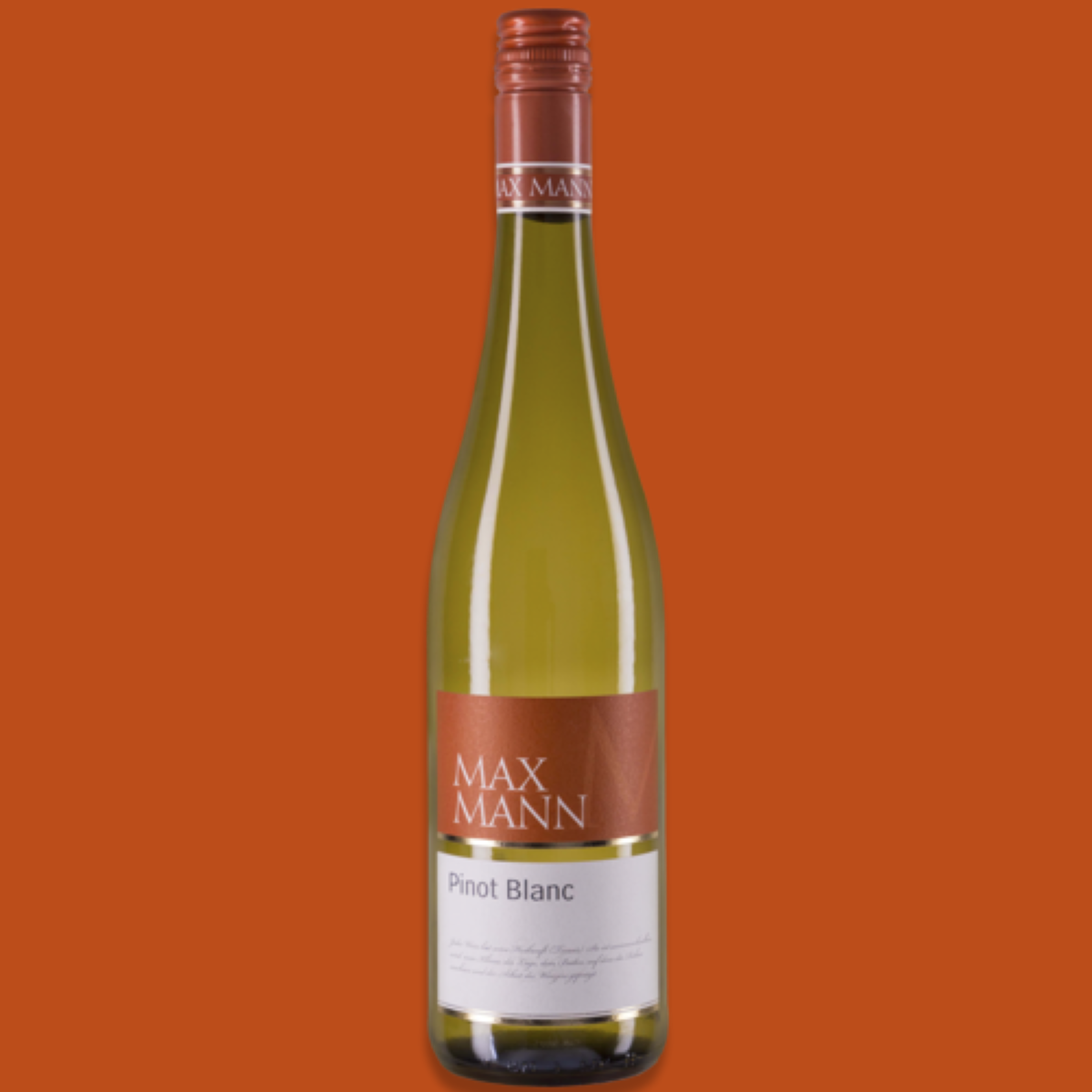
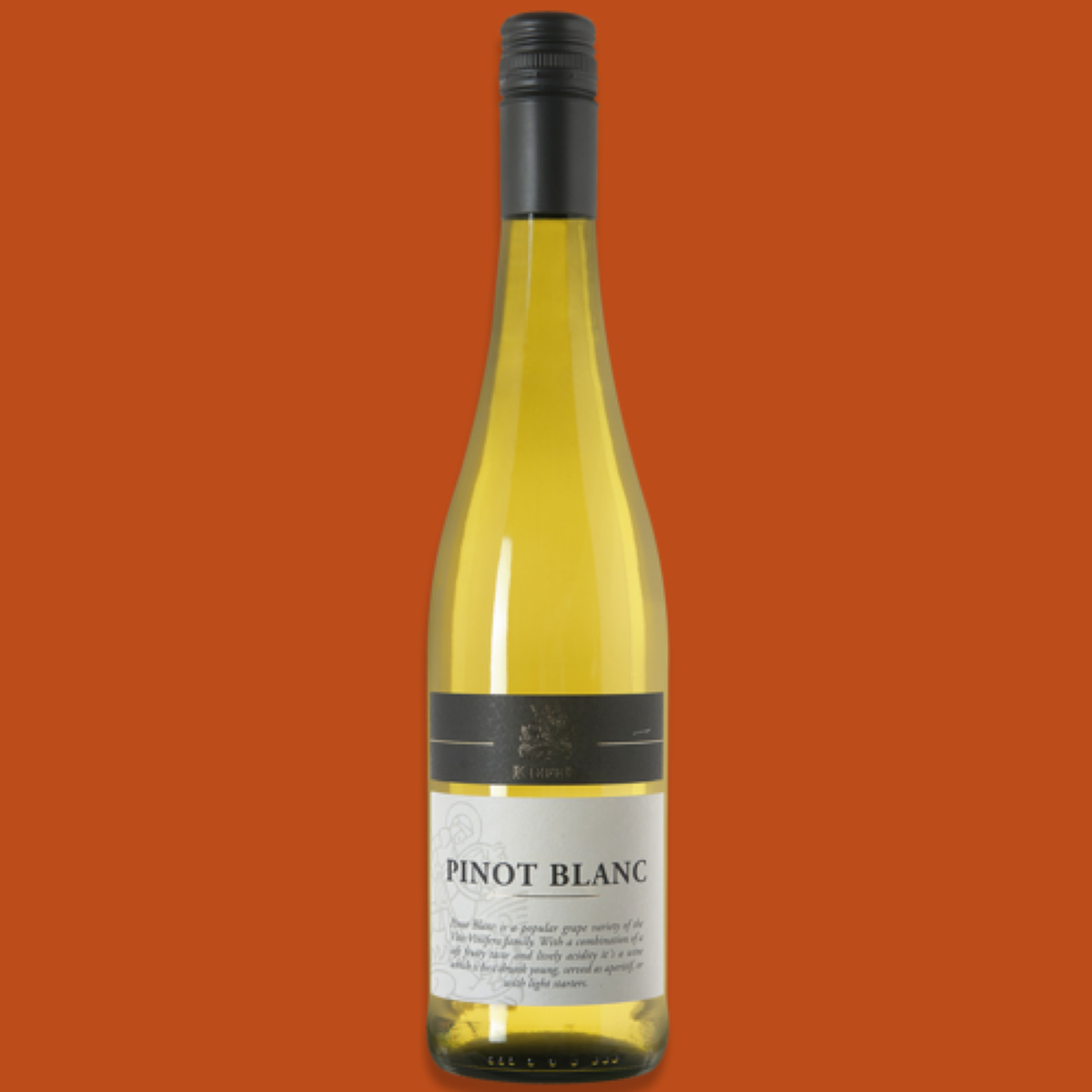
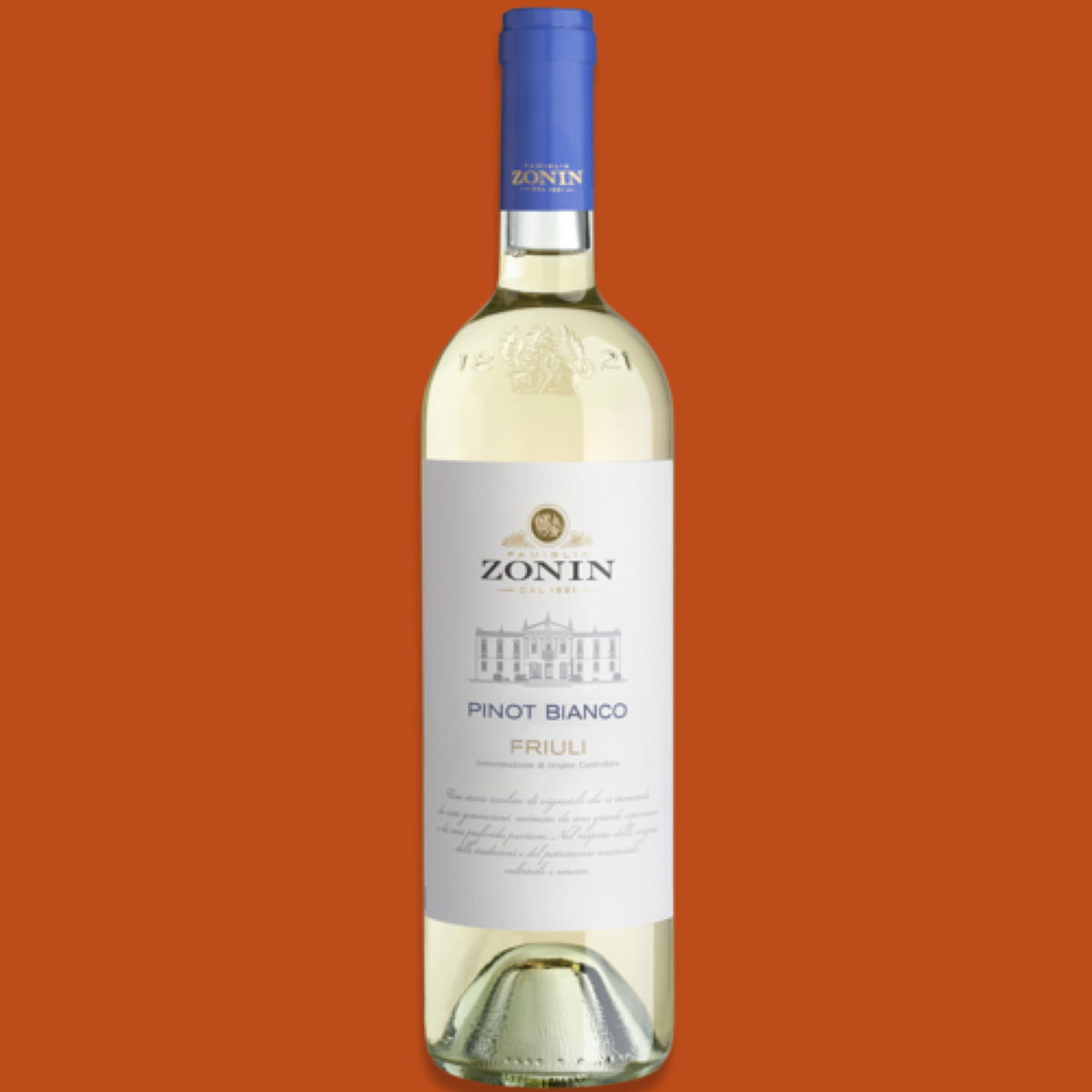
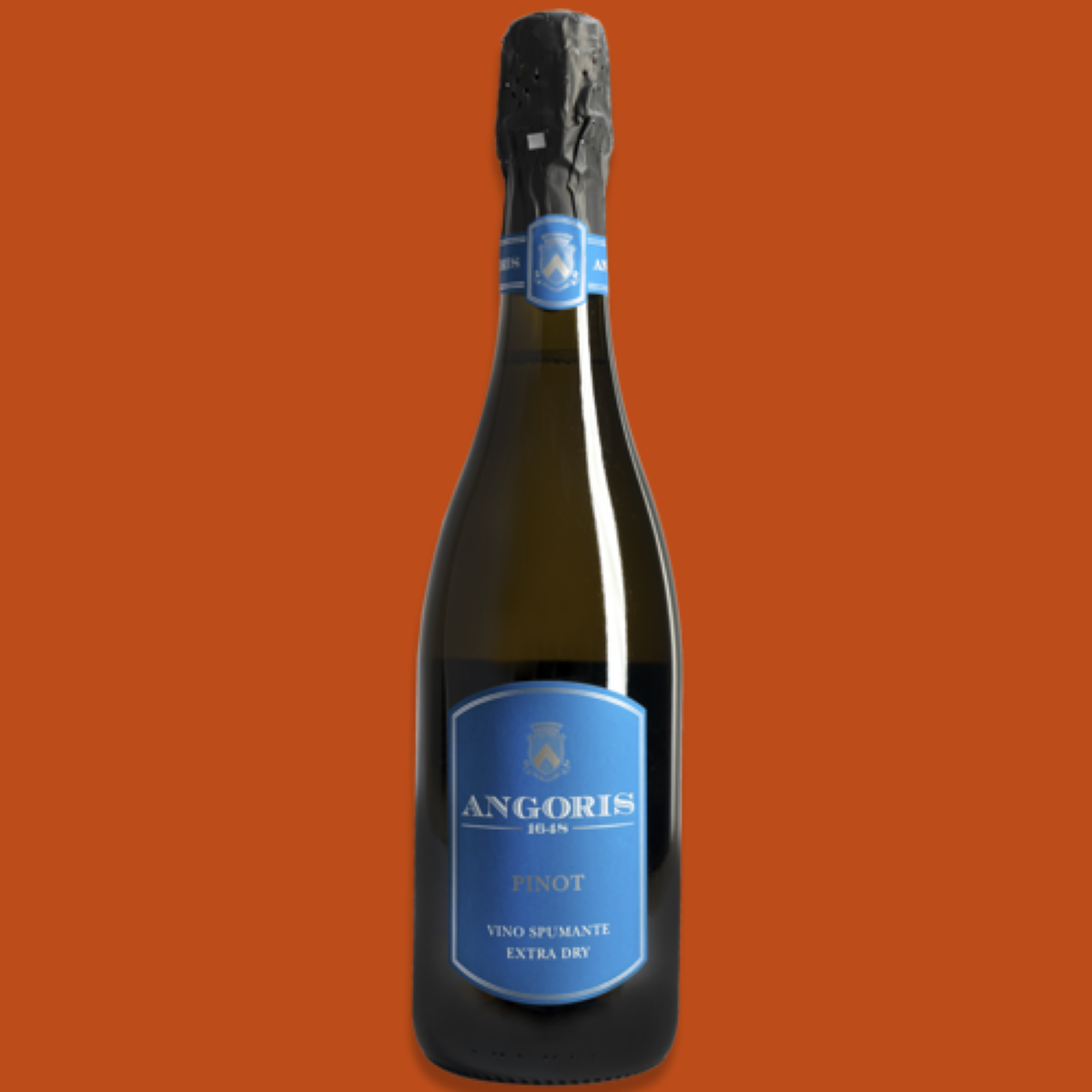
Prices as of November 21, 2026, as reported by Gall & Gall. You can check the current price and stock at Gall & Gall. Glazen.nl receives a small commission if you buy something through these links; it costs you nothing extra. No one under 18; no alcohol.
Everything for your bar,
to one address
Hospitality-quality glasses, sold by the set. Order today, delivered quickly.
Shop glasses →