Royal Leerdam Carre Wine Glass 28 Cl - 6 Pieces
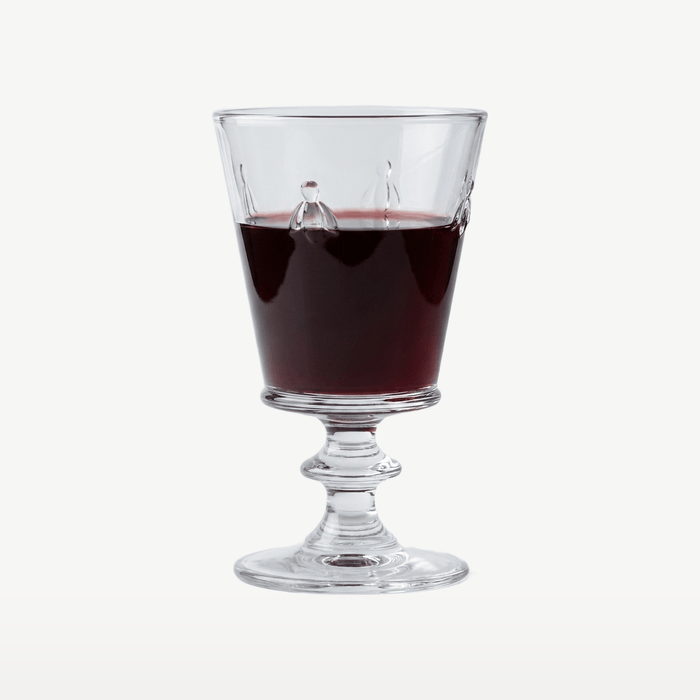
La Rochère Abeille Wine Glass 24 cl - 6 Pieces
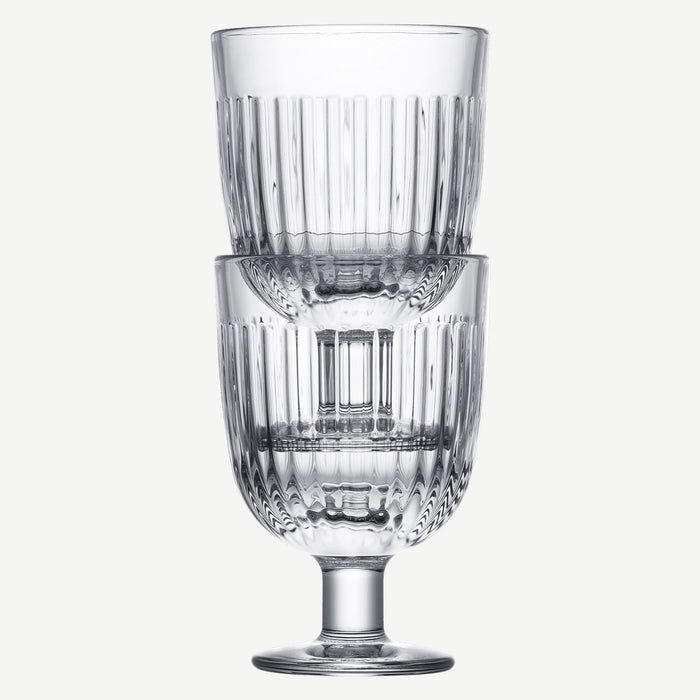
La Rochère Ouessant Stackable Wine Glass 22 Cl - 6 Pieces
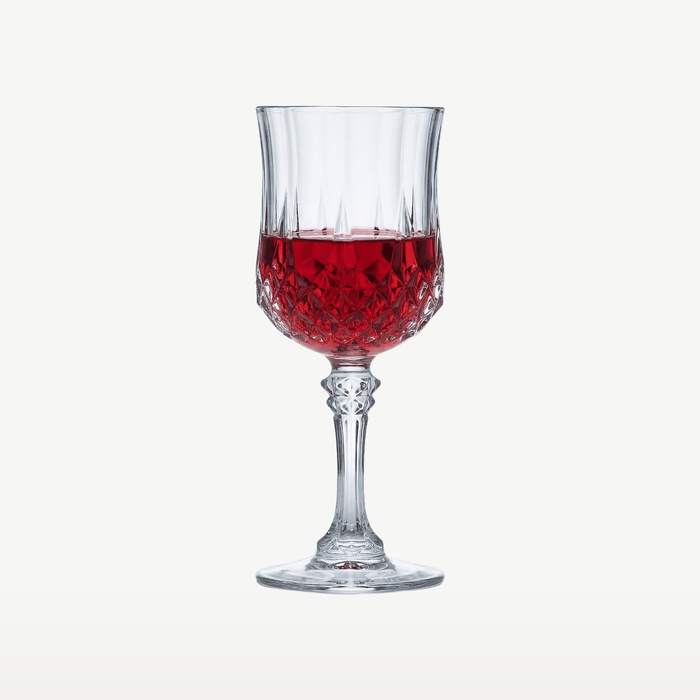
Eclat Longchamp Wine Glass 25 Cl - 6 Pieces

How to pour it
a Sauternes in
Put the bottle in the fridge for three hours and take it out fifteen minutes before serving. Sauternes should be served at 8 to 10 degrees; ice-cold, its aroma disappears and you mostly taste acidity, while too warm, it becomes syrupy sweet. An older bottle can be served at the top of that range.
Cut the capsule all the way around below the raised part of the neck, then wipe the rim clean. Place the corkscrew in the center of the cork and turn it straight down. A cork from a bottle that has been lying down for years is more brittle, so turn it in a little deeper and pull slowly.
Pour 5 to 8 cl, about a third of a small wine glass. Decanting isn't necessary: the wine has no sediment you need to leave behind, and its aroma will open up in the glass. Let the first glass stand for a few minutes to bring out the apricot and honey.
Seal the bottle again immediately and put it back in the refrigerator. Sauternes is not fortified, so its alcohol does not protect it as it does port. Once opened, it’s best to drink the bottle within a few days; its high sugar and acidity help it keep a little longer than a dry white wine.
What did you think of this guide?
Just click a star to rate. If you’d like to add a comment, we’ll review it before it appears here.
Save this page
Send this page to your own email so you have the information handy when you’re ready to pour. You’ll also get a € 5 discount code on orders over € 50, for the glasses that go with it.
The story
Sauternes lies where the cool Ciron flows into the wider, warmer Garonne. In autumn, this difference in temperature brings morning mists that clear as the sun rises. This alternation of damp mornings and dry afternoons is exactly what the Botrytis cinerea fungus needs. It punctures the grape skins, lets moisture evaporate, and leaves behind concentrated juice rich in sugar and acidity. Because it does not affect all the grapes at once, pickers go through the same rows several times, each time gathering the grapes that are ready.
The right glass
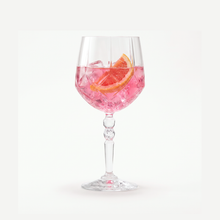
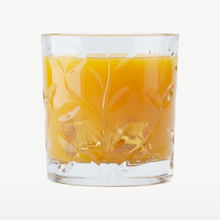
There is no dedicated Sauternes glass in the range. What you need is a small stemmed wine glass of roughly 23 cl, in which a 5 to 8 cl pour sits well below the rim, leaving space above to hold the aroma. The smaller bowls can be found among the white wine glasses and the port glasses. Pick 01 is a compact white wine glass, while pick 02 is a tulip-shaped tasting glass; both are closer to the right size than a regular large wine glass, where such a small pour would sit as a thin layer at the bottom.

RCR Brillante Wine Glass 23 cl (6 pieces)

Schott Zwiesel Siza Port Glass 23 cl (6 pieces)
Both sets together € 104,95.
The right glassware
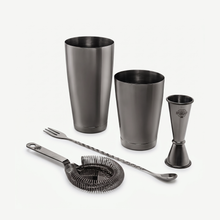
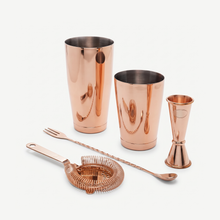
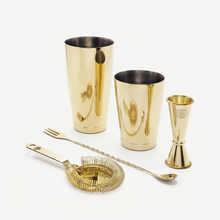
For Sauternes, besides a glass, you mainly need a corkscrew and, since a 37.5 cl bottle is finished over two or three occasions, a wine stopper. The bar tools below only come into play when the wine is used in an aperitif: a jigger to measure out a small amount precisely and a bar spoon for stirring. These are the bar tools we use ourselves; you’ll find everything in our bar tools & cocktail sets.


Glass set (our pick 01) + 2 bar tools together € 55,85.
What to pour alongside?
A bottle of Sauternes is usually served at the beginning or end of a dinner. These are the wines served alongside it during the hours in between, from a glass of champagne beforehand to a Burgundy with the main course. Each drinks page tells you the alcohol percentage, what it tastes like, which cocktails it goes with, and what glass you need.


Variations & twists
Botrytis isn’t limited to one region. Sweet wines are made in the same way in neighboring towns of Sauternes, such as Barsac. Outside France, the same fungus is found in Hungary’s Tokaj and in Germany and Austria, where wines made from affected grapes are sold under their own designations. If you’d like to taste dry wine alongside sweet: Bordeaux also produces dry white wine from the same grapes, Sémillon and Sauvignon Blanc. Want to read more? Explore all drinks and brands.
Serving tip
The classic pairings aren’t with dessert but before and alongside the meal: foie gras and blue cheese are mentioned more often than any dessert. The high acidity cuts through the fat and salt, while the sweetness softens the cheese’s sharpness. If you still want dessert, choose one that’s less sweet than the wine, such as an apricot tart or a piece of aged cheese with nuts.
Good to know
Which grapes are allowed
Sauternes is made from Sémillon, Sauvignon Blanc, and Muscadelle. Sémillon is usually the main grape: its skin is thin, so botrytis takes hold easily, and it gives the wine its full-bodied, waxy character. Sauvignon Blanc brings acidity and freshness that keep the sweetness in check, while Muscadelle is the smallest of the three and adds aroma. The proportions vary by producer.
What the Ciron’s mist does
The Ciron is a small, cool river that flows into the wider, warmer Garonne. This temperature difference lays morning mist over the vineyards in late summer and fall, which then clears in the sun. Damp mornings encourage the fungus to grow, while dry afternoons let moisture evaporate from the berries. Without that alternation, botrytis would simply cause rot, and there would be no harvest.
Why the grapes are picked berry by berry
Botrytis doesn’t strike evenly: in the same bunch, some berries are already completely shriveled while others are untouched. So pickers go through the same row several times, taking only the berries that are ready each time. This takes much more work than harvesting once, and a vineyard also produces far less wine because there’s hardly any moisture left in the berries.
What Sauternes tastes like
Apricot and honey come to the fore, followed by candied orange, often with a spicy note described as saffron. With longer aging, notes of nuts, caramel, and dried fruit develop, and the color deepens to gold. The acidity makes it all balanced: without it, so much sugar would feel cloying, but it keeps the wine fresh on the palate.
How long it can age
A good Sauternes can age for decades. Its high sugar content and acidity both act as preservatives, and over the years the wine shifts from fresh stone fruit toward nuts and caramel. A young bottle isn’t any less good, just different: fruitier and more immediate. Store it on its side in a cool, dark place, and stand an old bottle upright for a while before opening it.
How much alcohol it contains
Sauternes usually has roughly 13 to 14 percent alcohol. That’s higher than you might expect for a sweet wine, and it’s because the concentrated juice contains so much sugar that the yeast can convert quite a lot of it before it stops. The sugar left over is what makes the wine sweet. The exact percentage is on the label.
Frequently asked questions
Which grapes are used to make Sauternes?
From Sémillon, Sauvignon Blanc, and Muscadelle. Sémillon is usually the main grape because its thin skin lets botrytis take hold easily and gives the wine its full-bodied character. Sauvignon Blanc provides the acidity that makes the sweetness balanced, and Muscadelle adds aroma. The proportions of the three vary by producer.
Why is Sauternes expensive?
Because botrytis doesn’t affect all the berries at once, they’re hand-picked in several passes, berry by berry. This takes a lot of work. What’s more, dried berries yield very little juice, so a vineyard produces far less wine than with a regular harvest. That’s also why you’ll find 37.5 cl bottles.
What temperature and glass should you serve Sauternes in?
Serve at 8 to 10 degrees in a small stemmed wine glass of roughly 23 cl. If it’s ice-cold, the aromas disappear and all you taste is acidity; too warm, and the sweetness becomes syrupy. Pour 5 to 8 cl, leaving space above the wine for aromas of apricot, honey and candied orange to gather.
What should you eat with Sauternes?
Foie gras and blue cheese are mentioned more often than dessert itself. The high acidity cuts through fat and salt, while the sweetness balances the sharpness of the cheese. If you do choose a dessert, pick one that’s less sweet than the wine; otherwise, the wine will taste only sour.
Also delicious
Buy Sauternes
Want the bottle delivered straight to your door? Order Sauternes online at Gall & Gall.
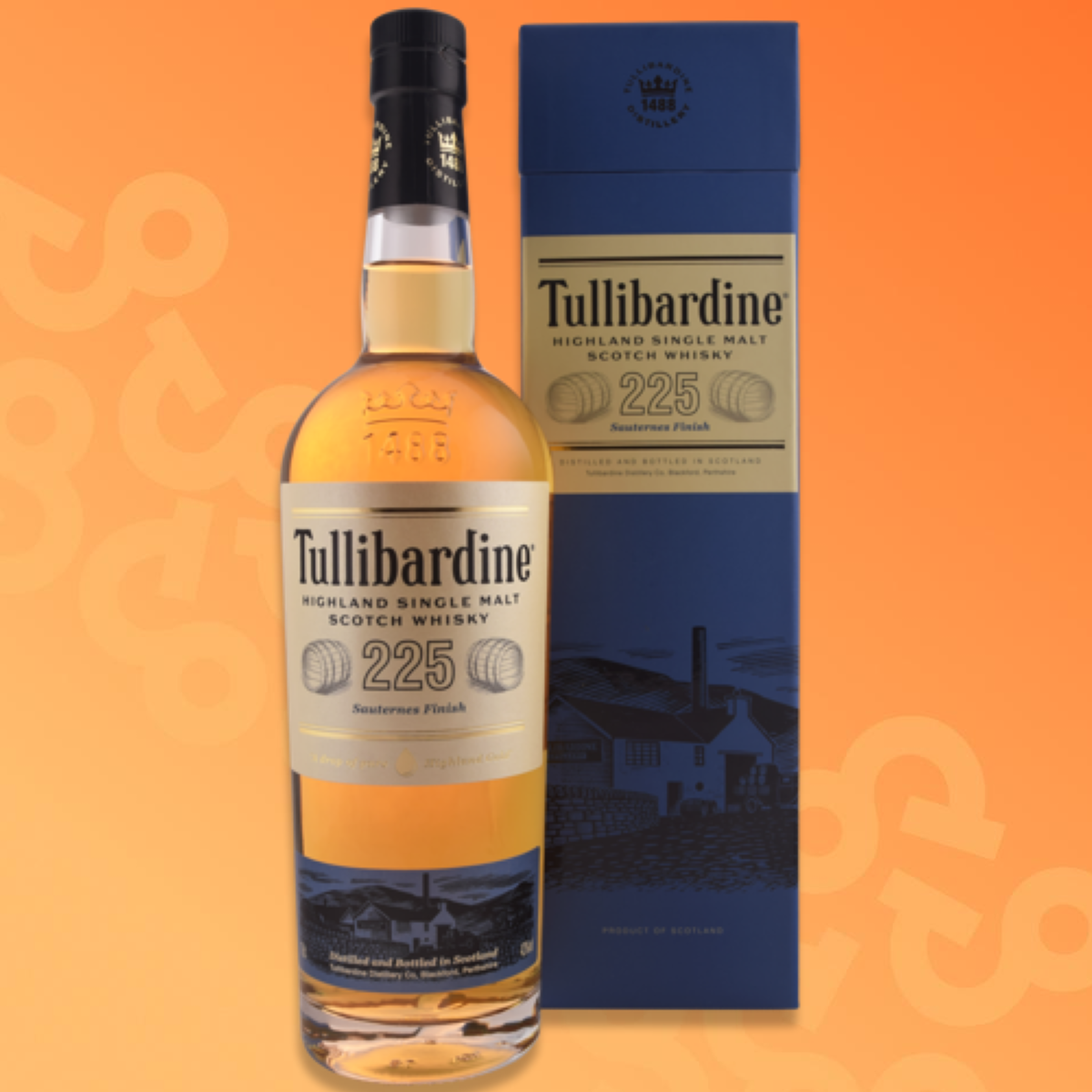
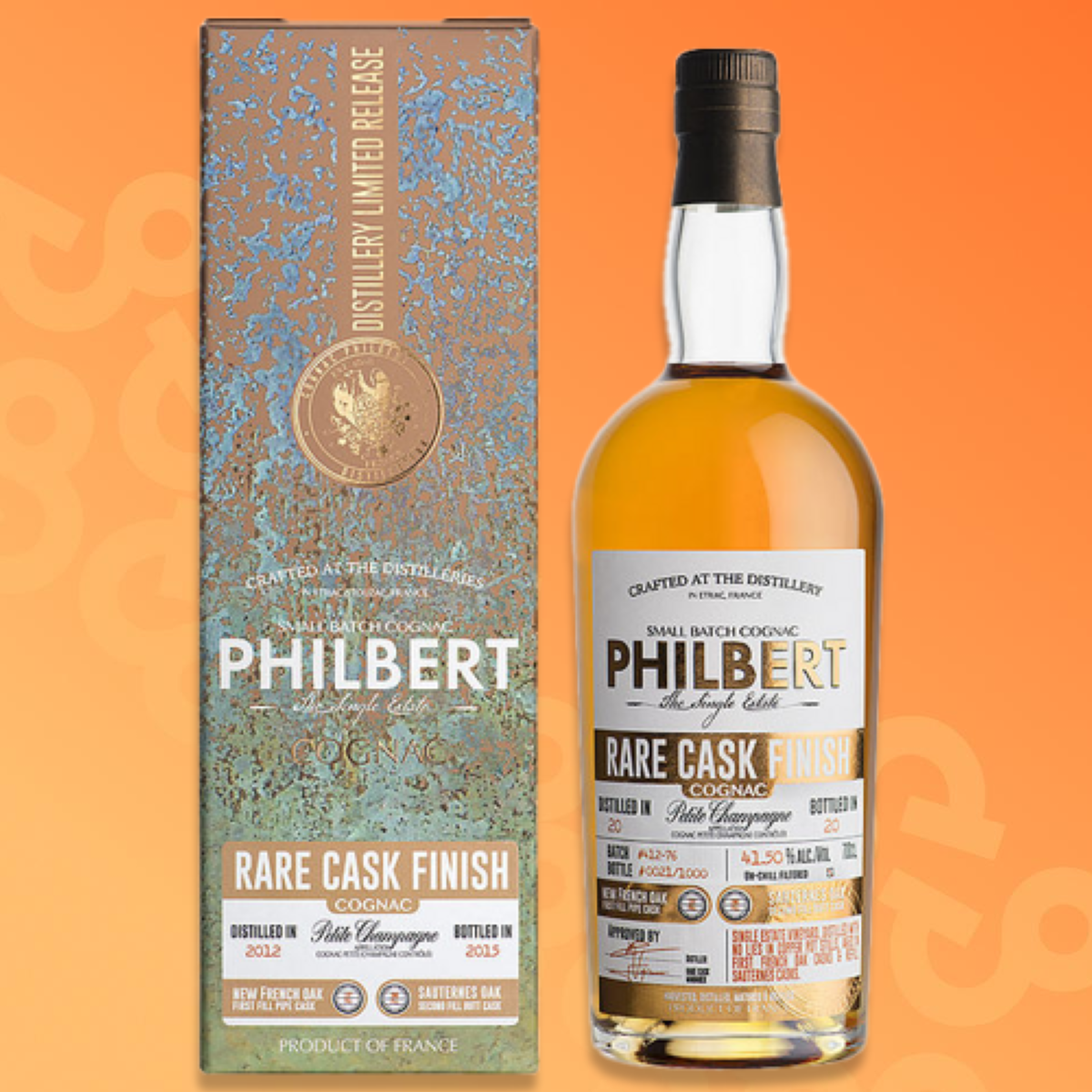
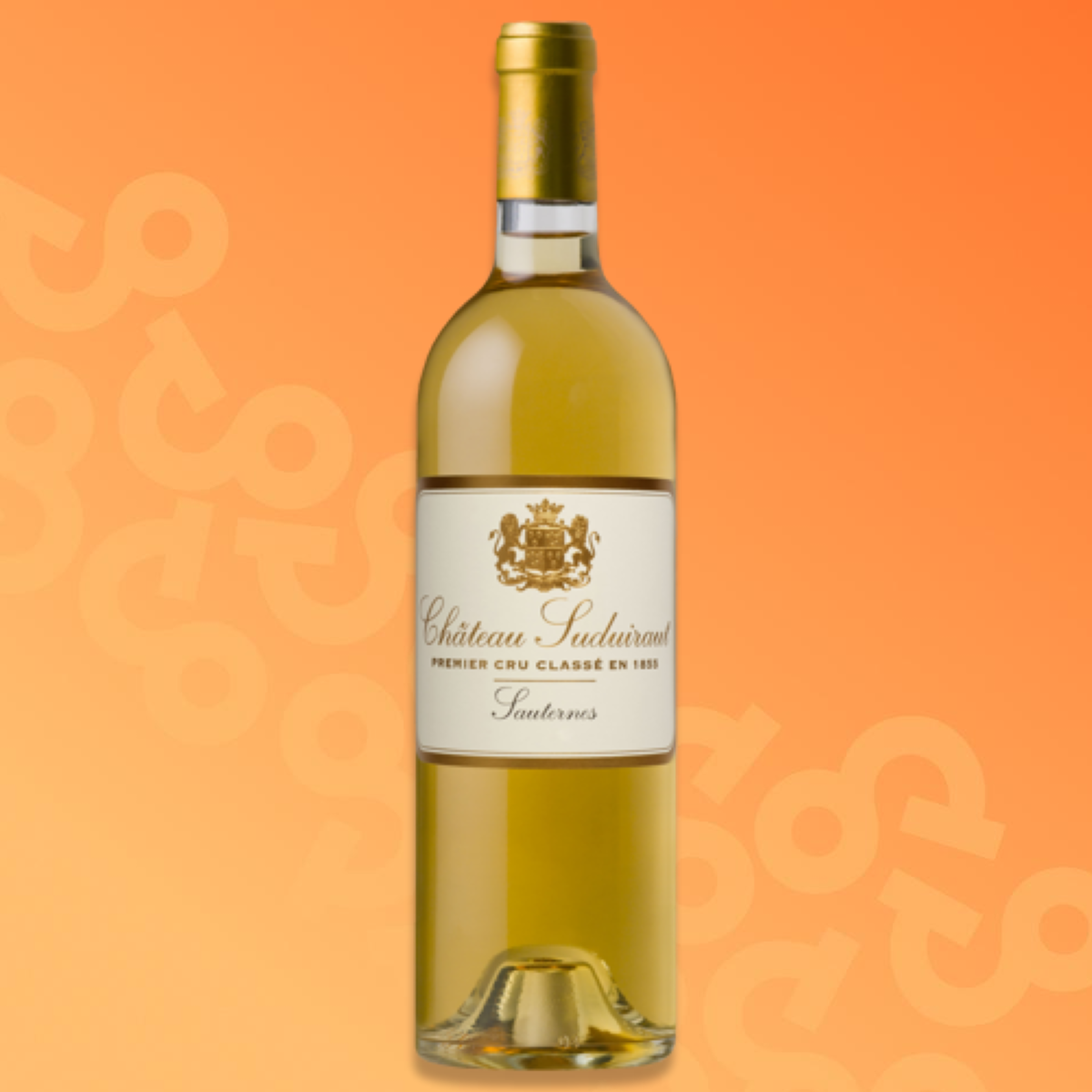
Château Suduiraut Sauternes
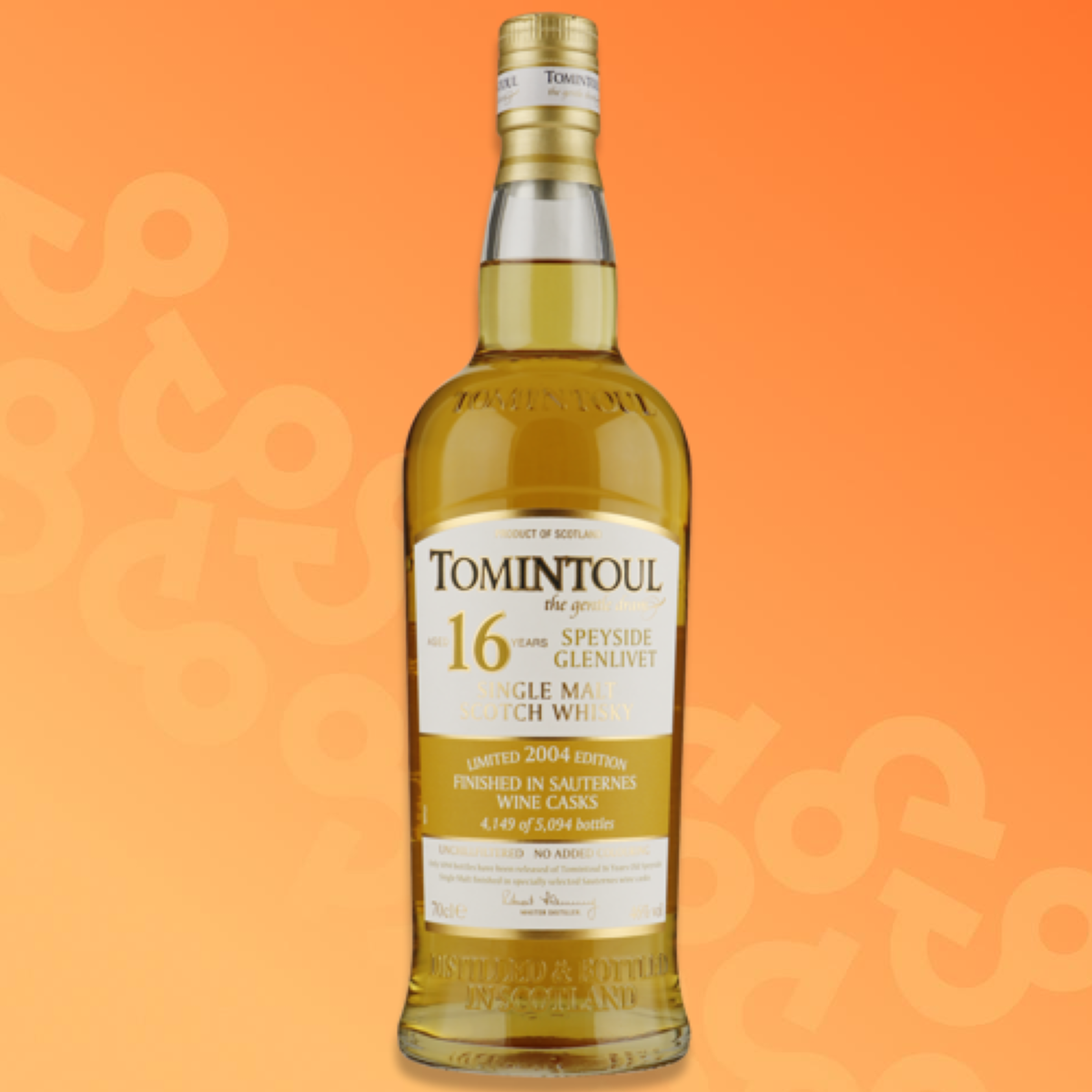
Prices as of November 16, 2026, as provided by Gall & Gall. You can see the current price and stock at Gall & Gall. Glazen.nl receives a small commission if you buy something through these links; it won’t cost you anything extra. No alcohol for anyone under 18.
Everything for your bar,
at one address
Hospitality-quality glasses, sold in sets. Order today and they’ll arrive quickly.
Shop for the glasses →