Champagne sabers & openers

Sabrering is less dangerous than it looks and has nothing to do with sharpness. You do not cut through the glass; you use the pressure already inside the bottle. A champagne bottle is under approximately six bar of pressure, and the weakest point is where the vertical seam in the glass meets the thick ring beneath the cork.

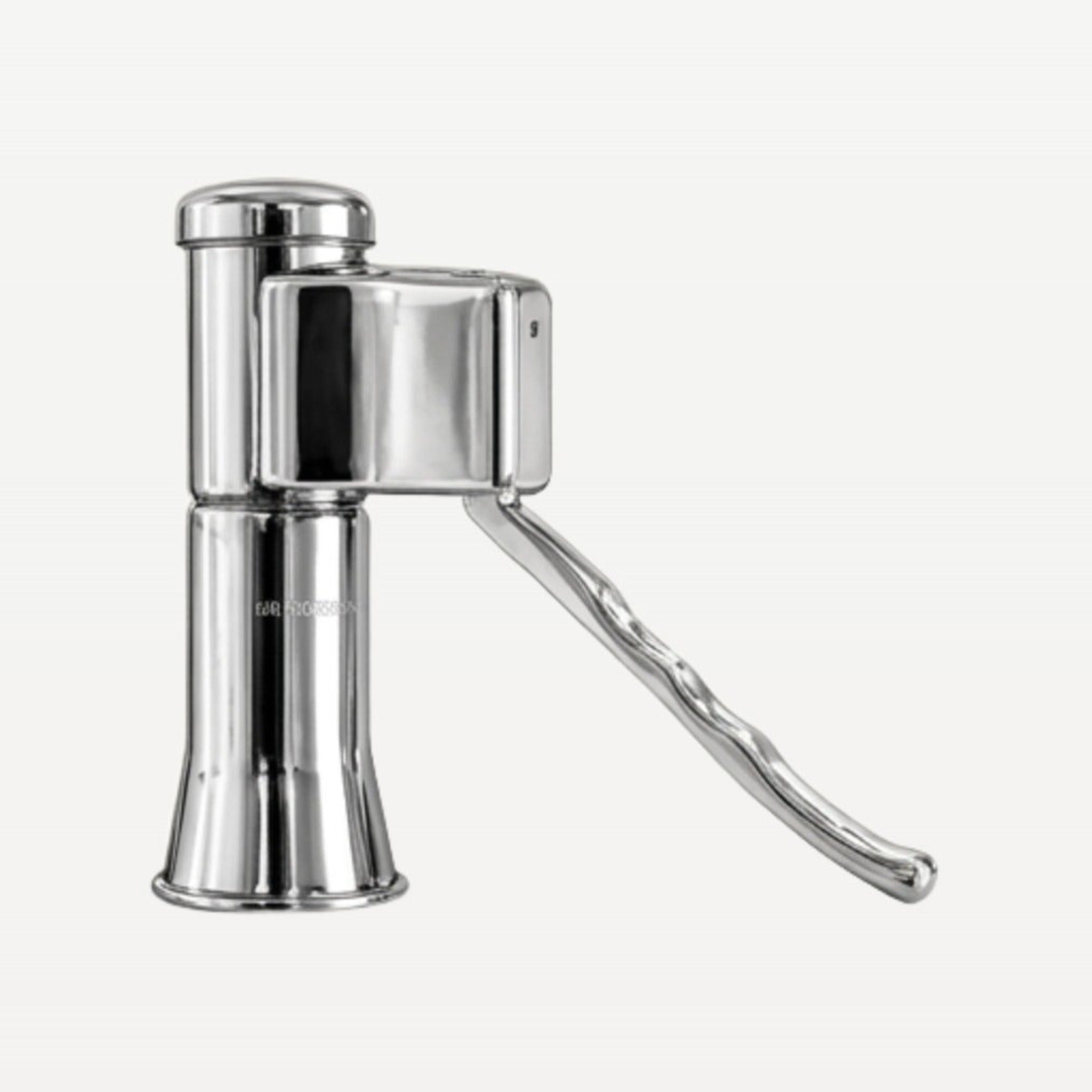
This collection is small and offers two ways to open a bottle. The 57-centimeter stainless steel saber is for a show at the table. The Descorjet does the opposite, opening the bottle in a controlled manner, without a bang and without shards.

Filters

Sort by:

2 products

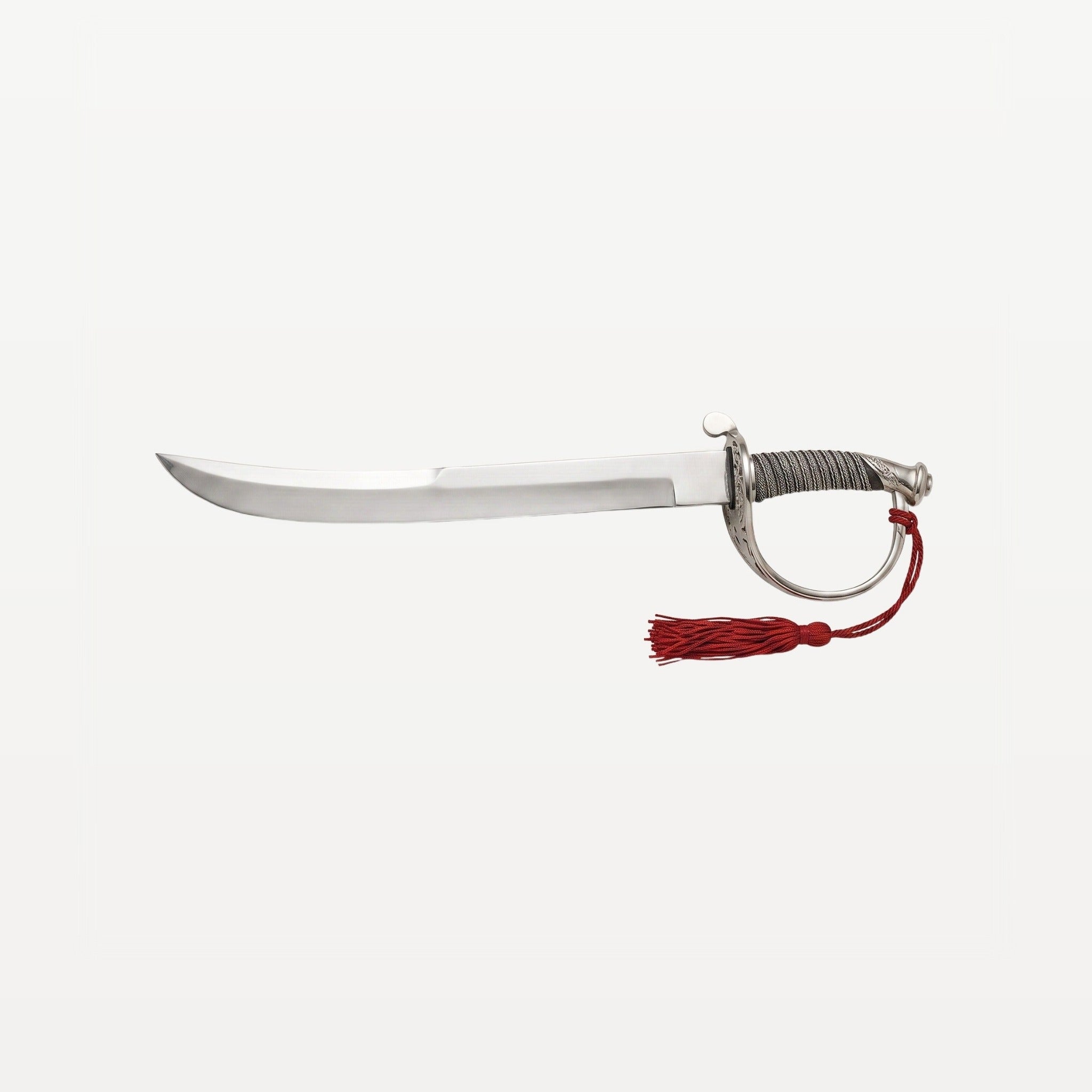
Bar Professional Champagnesabel RVS 57 cm
Bar Professional Descorjet Champagneopener RVS
100% breakage-free, or we’ll send you a new one | Free returns with store credit | Shipping from €6.95
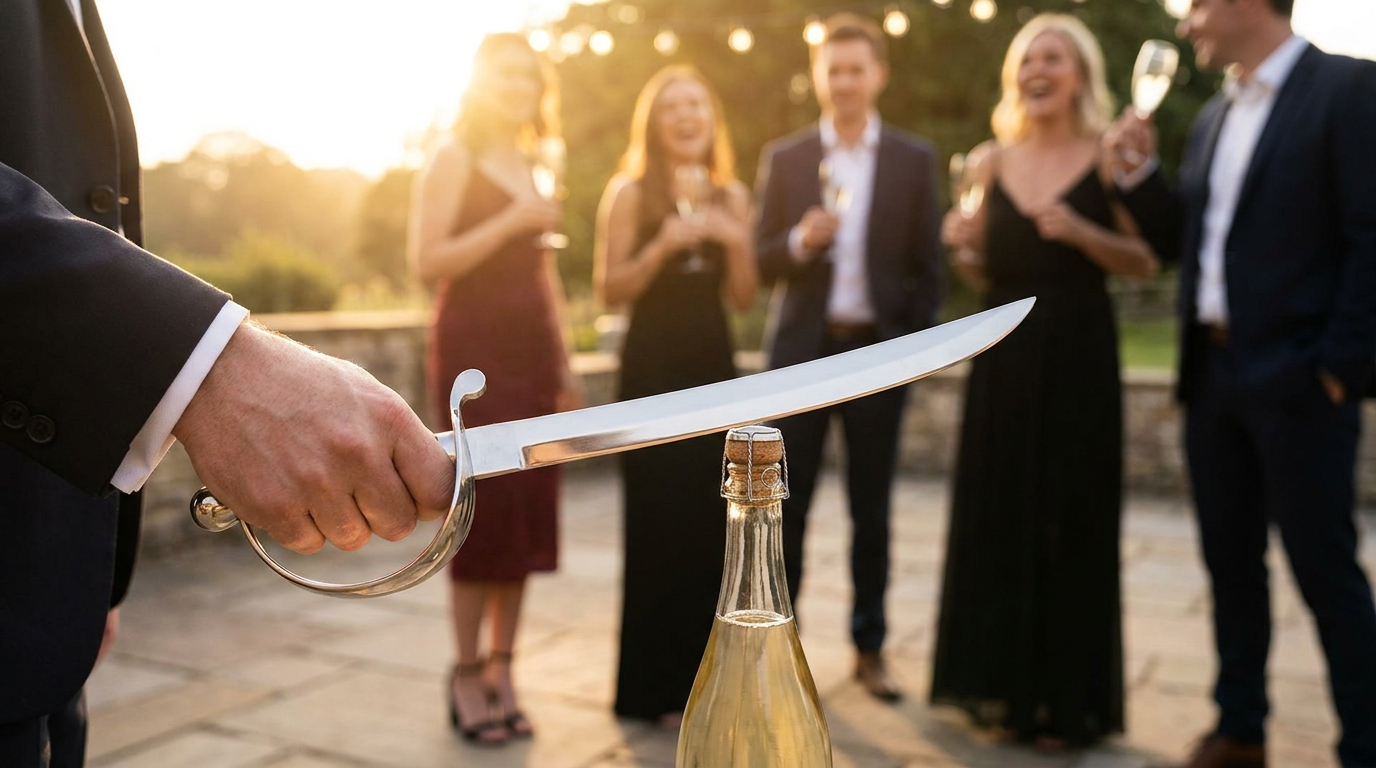
Champagnefles sabreren met een RVS sabel tijdens een feest buiten

Sabre or controlled opener

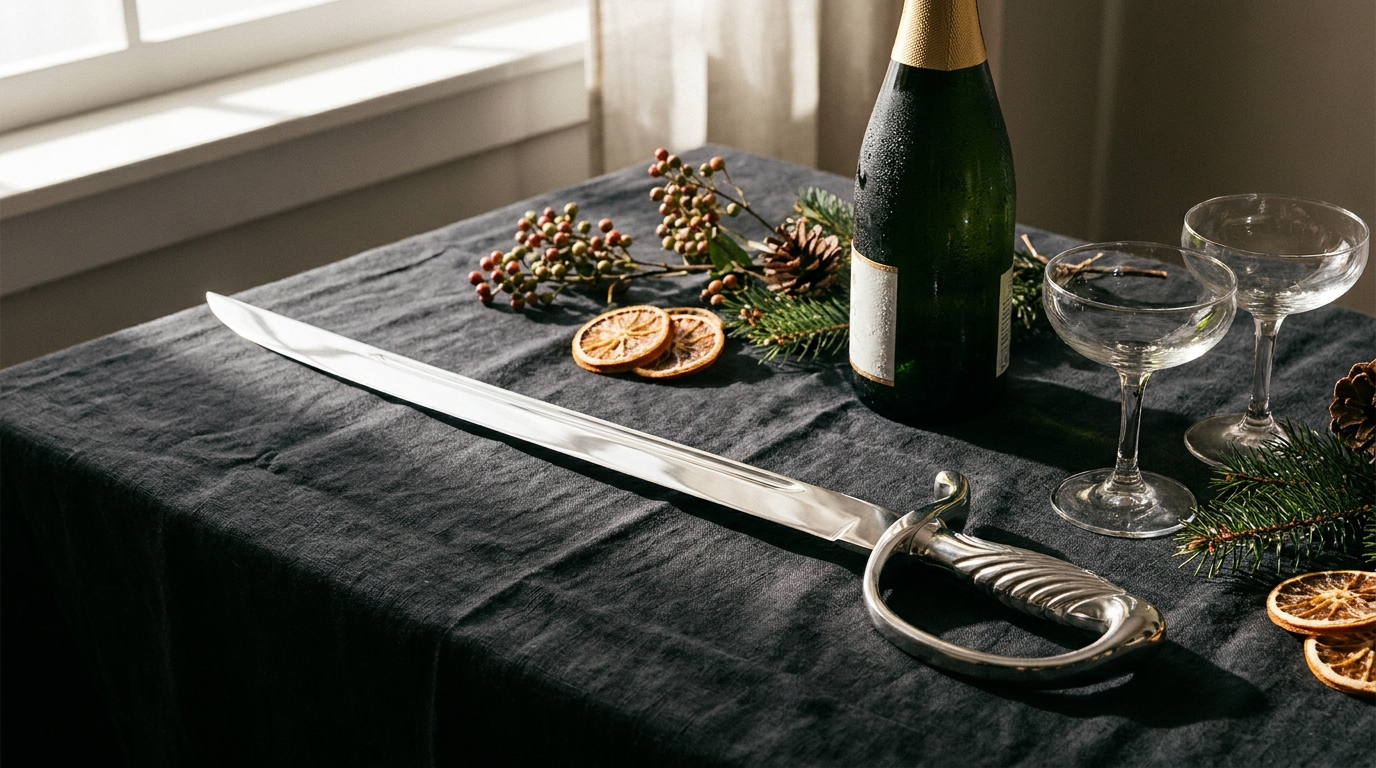
A sabre needs no cutting edge; the mass and the flat back do the work. A length of around 57 centimetres gives enough swing without needing a big arm, and stainless steel does not rust when champagne runs over it. What matters is that the blade is straight and the back flat, because a curved back slides off the bottle.

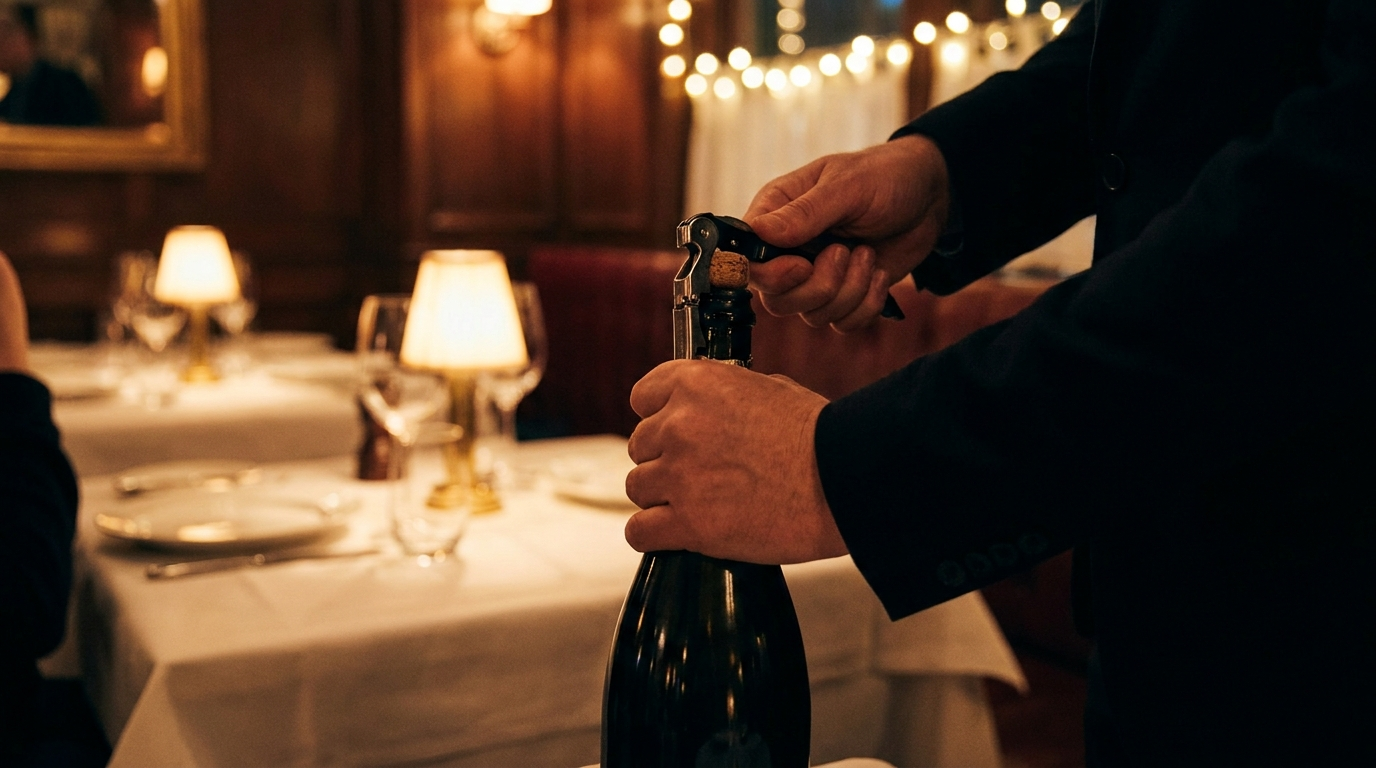
If you want the ease without the display, the Descorjet is the other side of this collection. It clamps around the neck and pushes the cork out under control, so you hear nothing and waste nothing. Behind a bar or in a restaurant where no glass may end up on the floor, that is the safer choice.

Champagnesabel op donker linnen naast een gekoelde fles champagne en twee coupes

How to sabre safely

Chill the bottle right through, because colder glass is under less tension and breaks more cleanly. Take off the foil and the metal cap and find the vertical seam in the glass. Follow that seam upwards with your finger until you reach the thick ring under the cork; that crossing point is your target.

Hold the bottle up at an angle of about thirty degrees, with the neck pointing away from people. Lay the back of the sabre flat on the bottle, let it slide along the seam twice as a practice run, then strike through to the ring in one flowing movement. Do not chop, glide. The neck flies off with the cork still in it and the first burst of foam carries away any splinters of glass. Then pour straight away into a champagne glass or turn it into a french 75.

Gecontroleerde champagne-opener om de kurk van een fles in een restaurant

Caring for the steel

Rinse the sabre after use and dry it straight away, because champagne is acidic and leaves marks on steel. Store it dry and do not leave it loose in a drawer, where the back gets damaged. A dented back no longer slides cleanly along the seam.

The Descorjet has an inner mechanism that you rinse by hand; leave it open to dry afterwards so no moisture stays in the clamp. Neither of them belongs in the dishwasher.

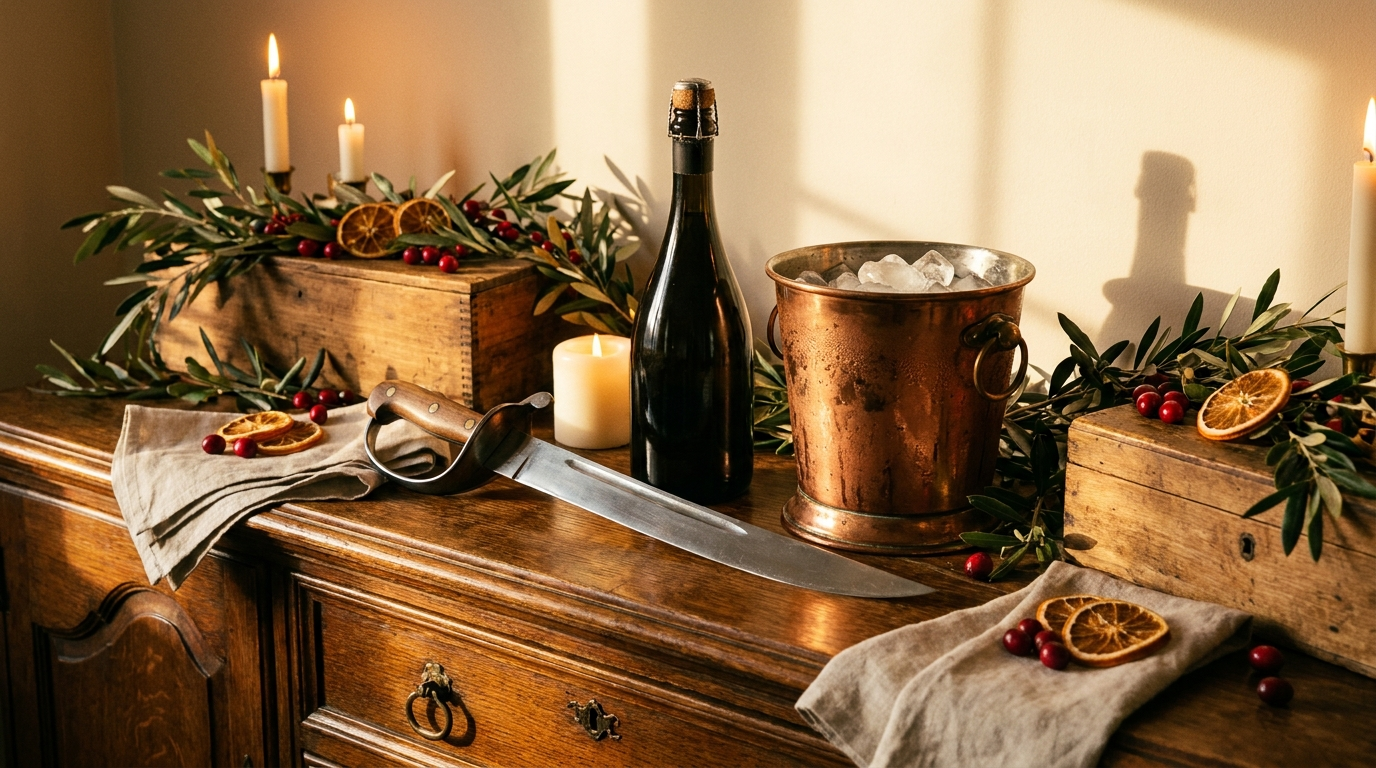
Champagnesabel, fles champagne en koperen koeler samen als geschenk op een dressoir

What goes with it

An opened bottle has to go somewhere. Put it in a champagne cooler to keep it at temperature, and close off what is left with a champagne stopper. For pouring you choose between the narrow champagne flute glasses and the wider champagne coupe glasses. With half a bottle you can still make a kir royal or a bellini, with the proportions on the recipe page. If you are unsure about the temperature or the safety, the frequently asked questions below have the answer.