Ice cream scoops

Scooping ice with a glass is the fastest way to ruin an evening. If the glass breaks, the entire bin has to be emptied and the machine cleaned before anything can be dispensed again. An ice scoop eliminates that risk completely and is faster to use as well.

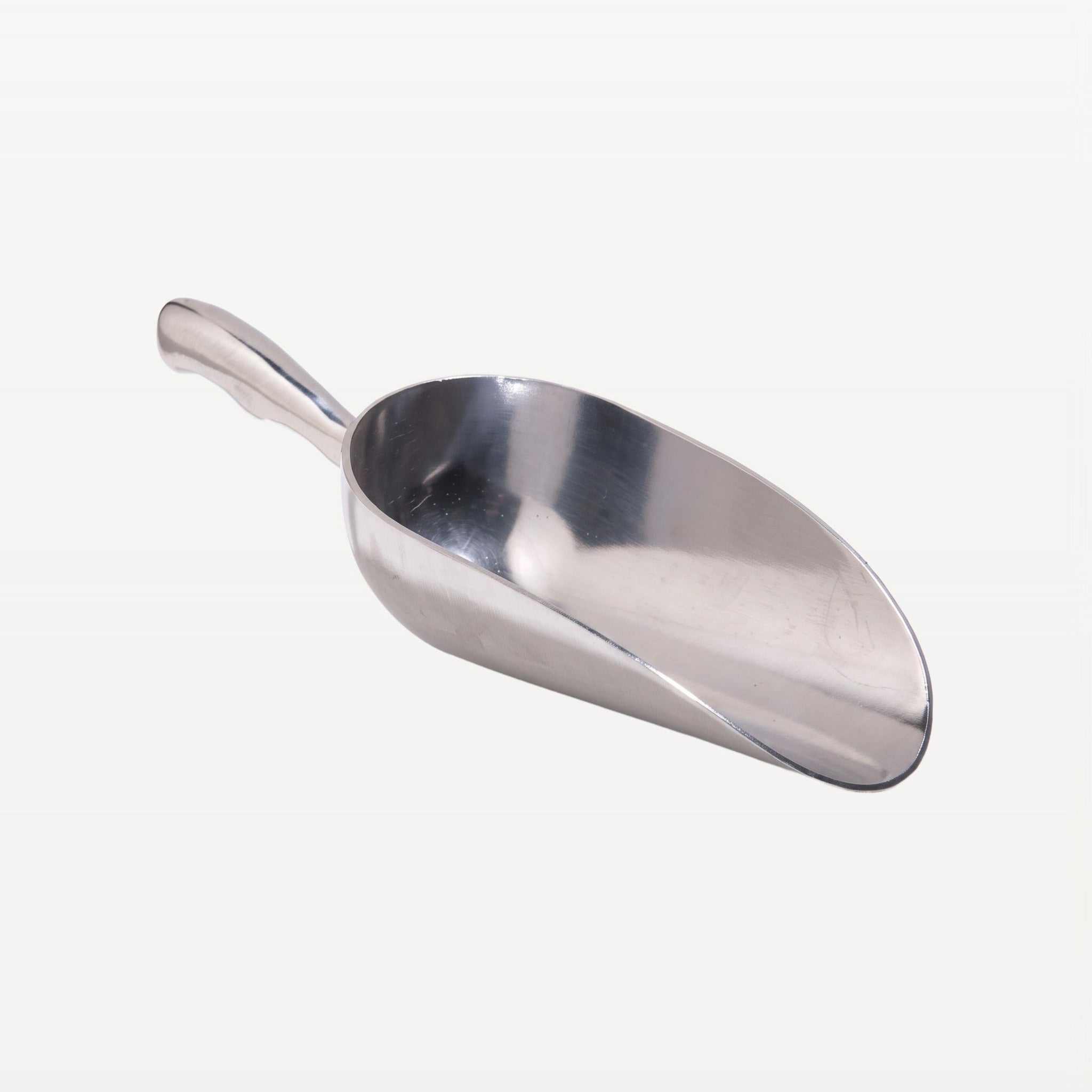
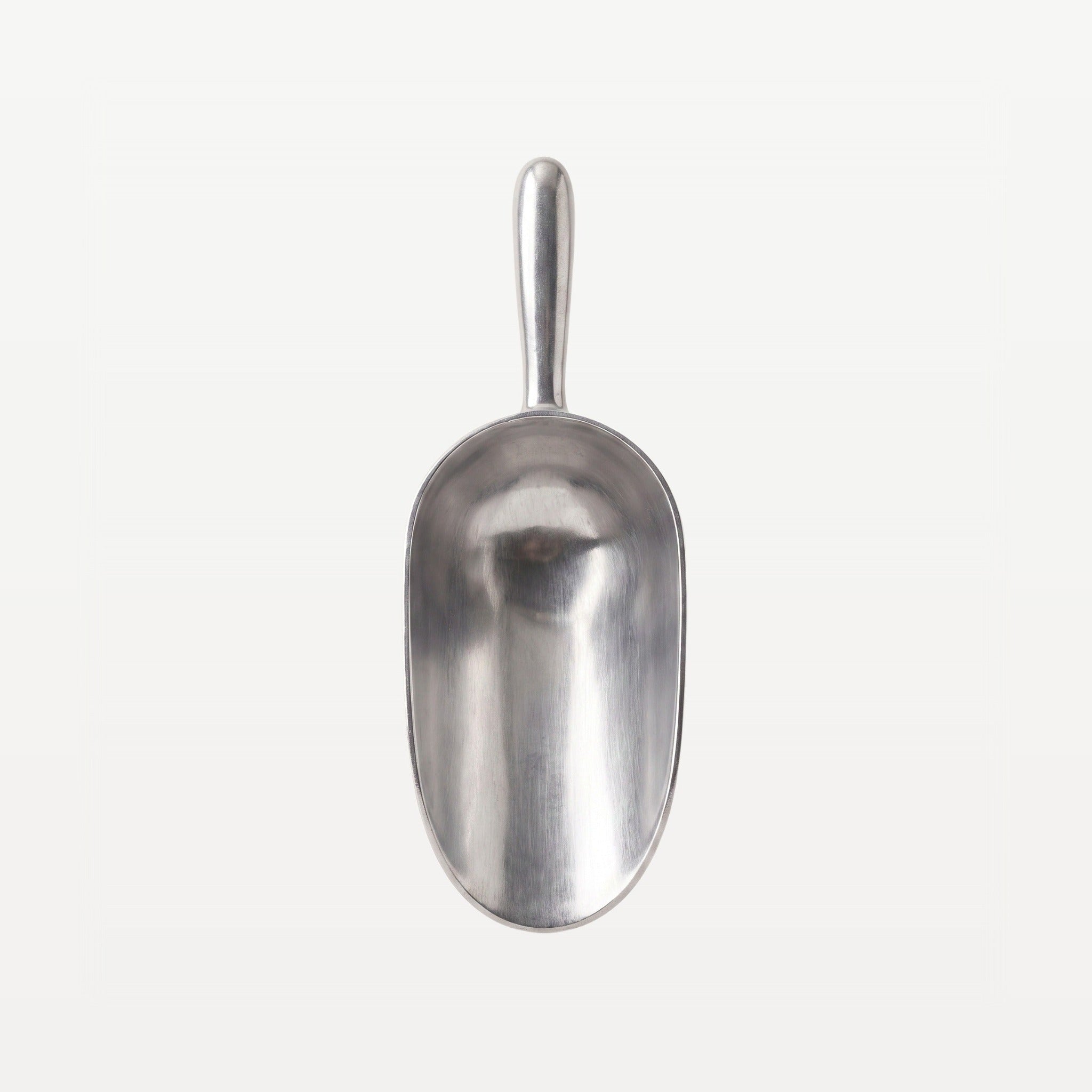
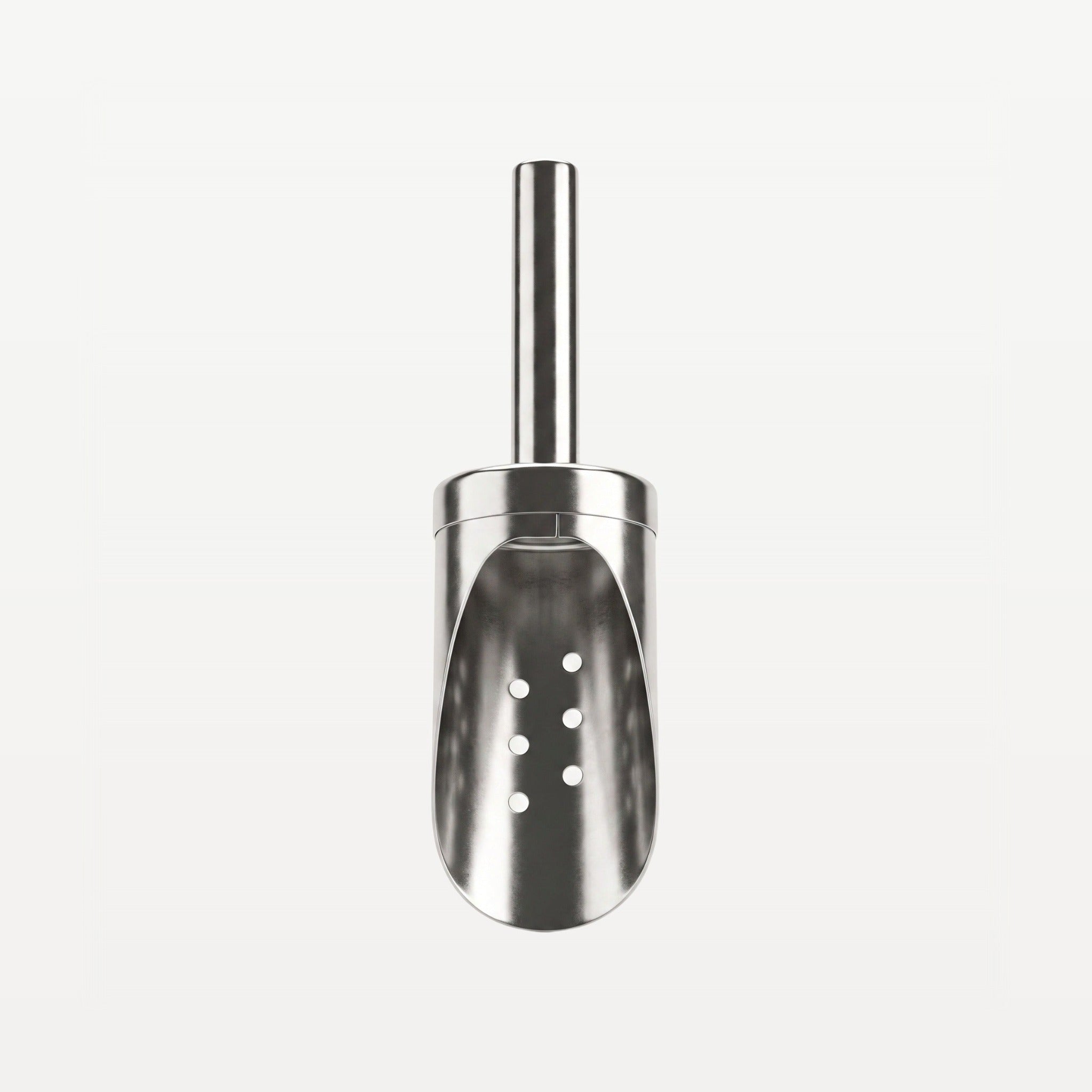
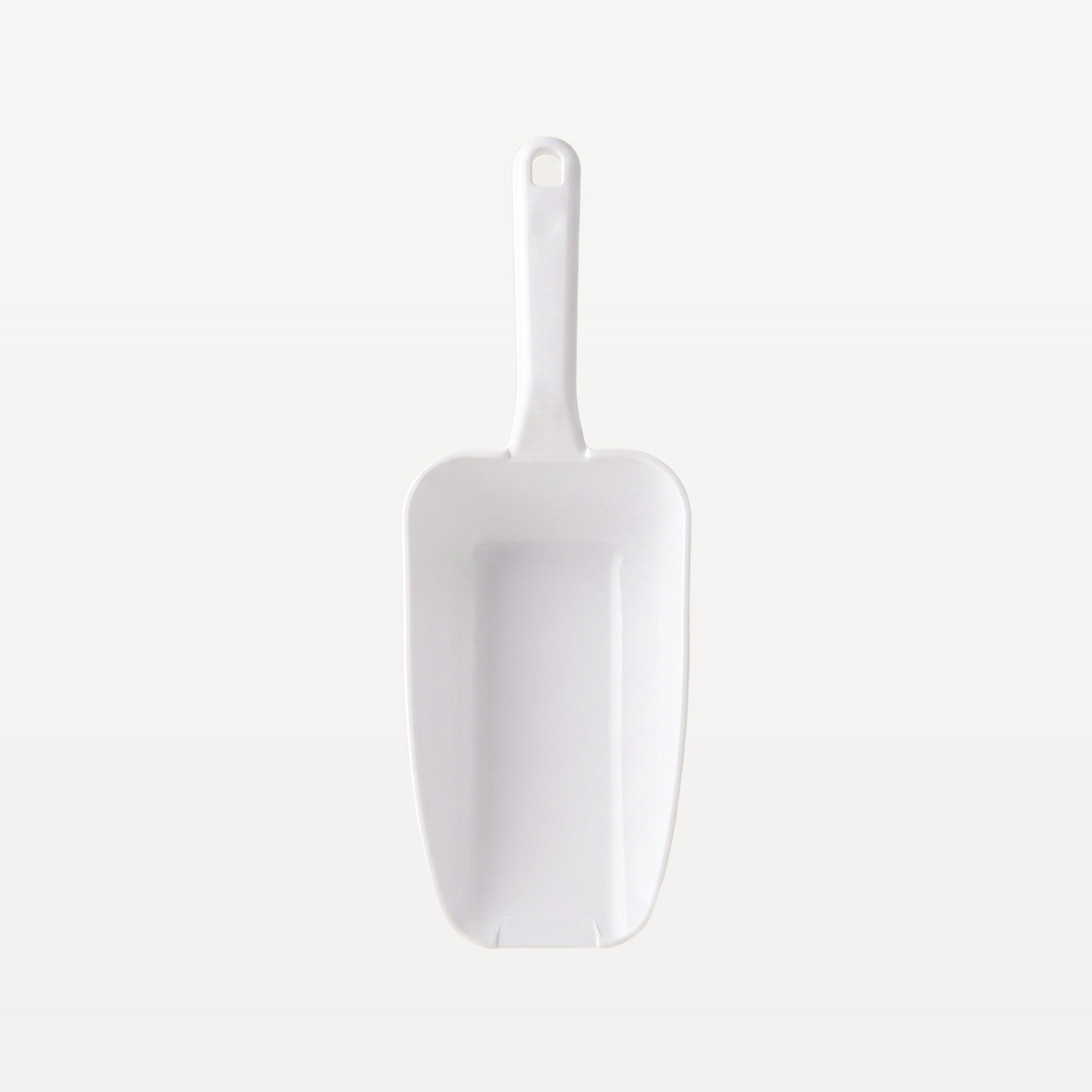
There are only two things that really differ: how much it holds in a single motion, and whether the meltwater stays in the scoop. The scoops here are from Bar Professional, available in aluminum in 0.15-, 0.35-, and 0.7-liter sizes, in 0.7-liter plastic, and in a perforated stainless-steel version.

Filters

Sort by:

5 products

Bar Professional IJsschep Aluminium 0,7 Liter
Bar Professional IJsschep Aluminium 0,35 Liter
Bar Professional IJsschep Aluminium 0,15 Liter
Bar Professional IJsschep Geperforeerd RVS
Bar Professional IJsschep Kunststof 0,7 Liter
100% breakage-free, or we’ll send you a new one | Free returns with store credit | Shipping from €6.95
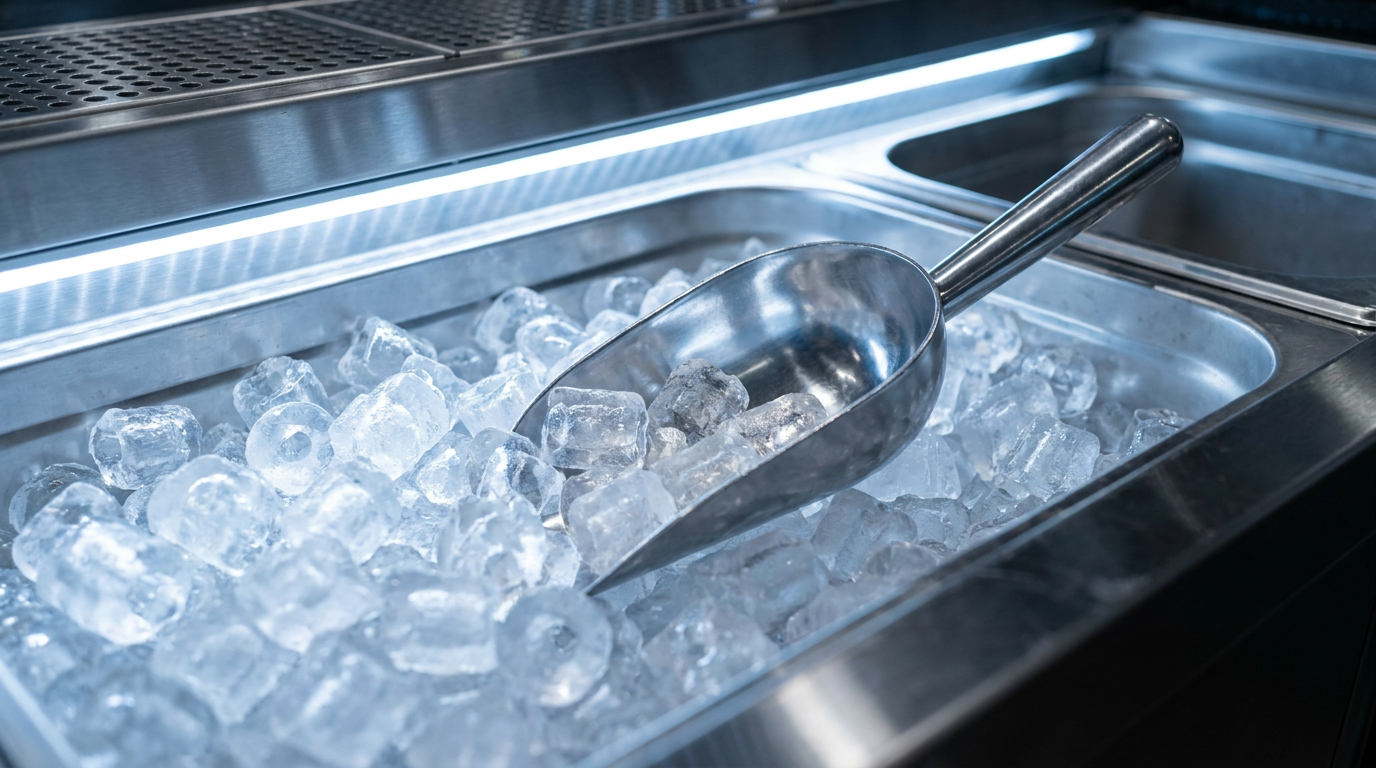
Aluminium ijsschep in een bak met heldere ijsblokjes achter de bar

Capacity, material and whether or not it's perforated
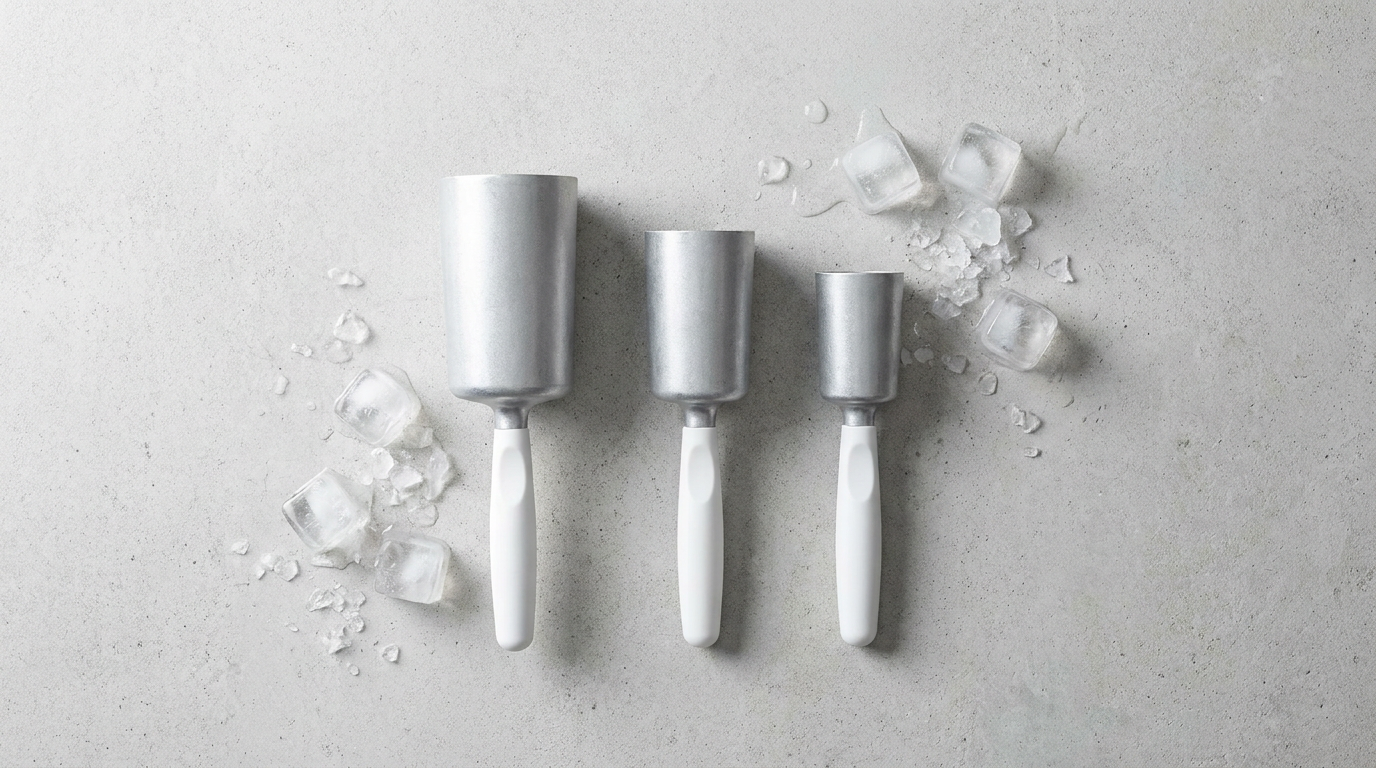
Start with the capacity. With 0.15 litres you fill a tumbler in a single scoop, which works nicely when you dose glass by glass and don't want to spill. The 0.35 litre is the size most bars settle on: enough for a highball glass filled to the top with ice, and still light enough to work with all evening. The 0.7 litre is meant for filling a bucket, a cooler or a shaker in bulk. Aluminium is light and takes on the cold, so ice sticks to it less than it does to plastic. Plastic, on the other hand, feels less cold in the hand and won't damage the inner wall of an ice machine. The perforated stainless steel version lets meltwater drain away, so only the ice ends up in the glass.

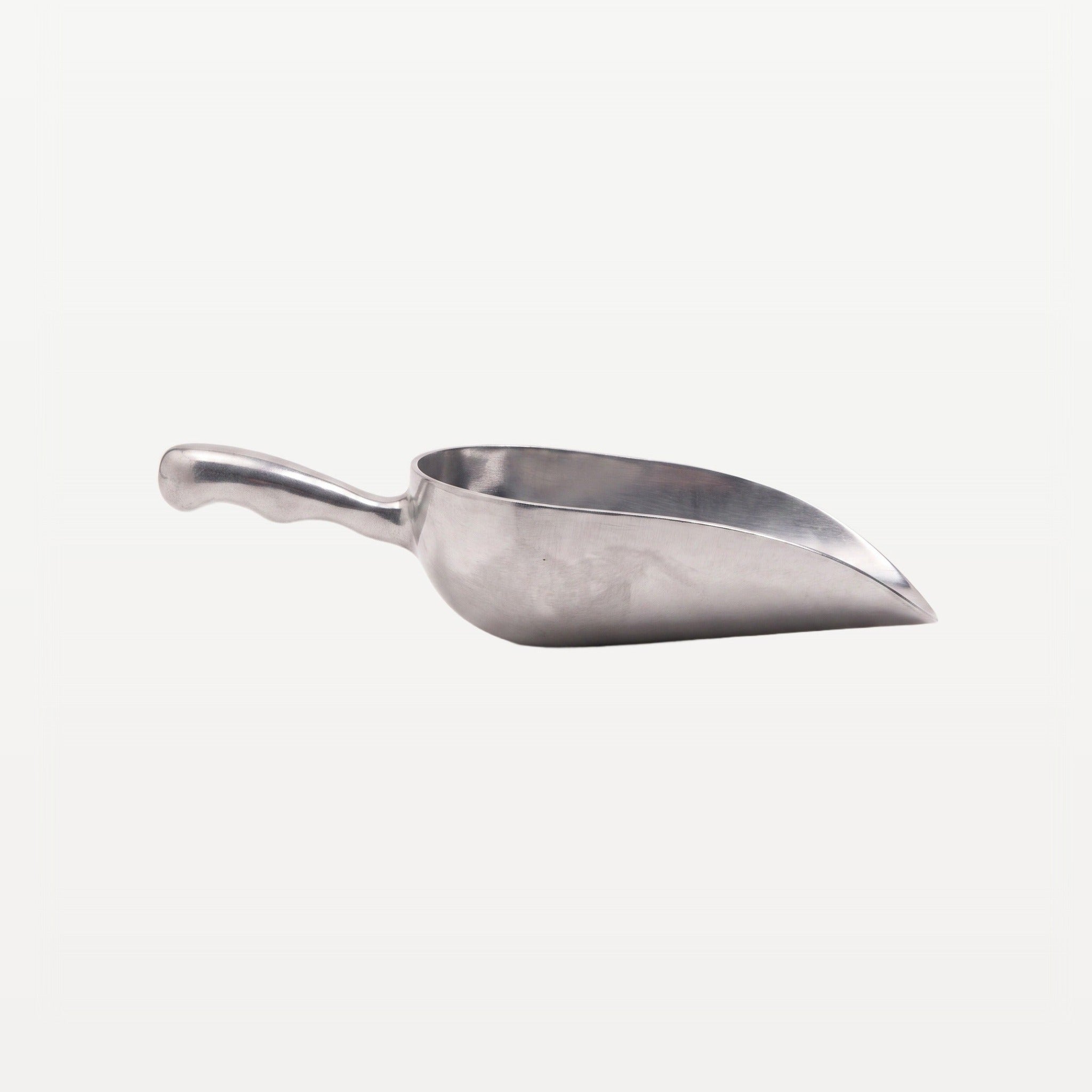
Drie ijsscheppen in verschillende maten, aluminium en kunststof, met losse ijsblokjes

Scooping without ruining your ice

Scoop through the top layer with the opening facing forward and only turn it upright afterwards; it then fills itself and you don't have to dig. Don't force the scoop into a compacted layer, because the ice will crumble and you end up with shards that melt straight away. Never leave the scoop lying in the bin: it freezes solid and becomes a source of contamination. Hang it on the rim or put it in a separate holder. For a gin & tonic you fill the glass completely rather than halfway, because a glass full of ice melts more slowly. For a mojito or a caipirinha you work with crushed ice and let the perforated scoop leave the meltwater behind.

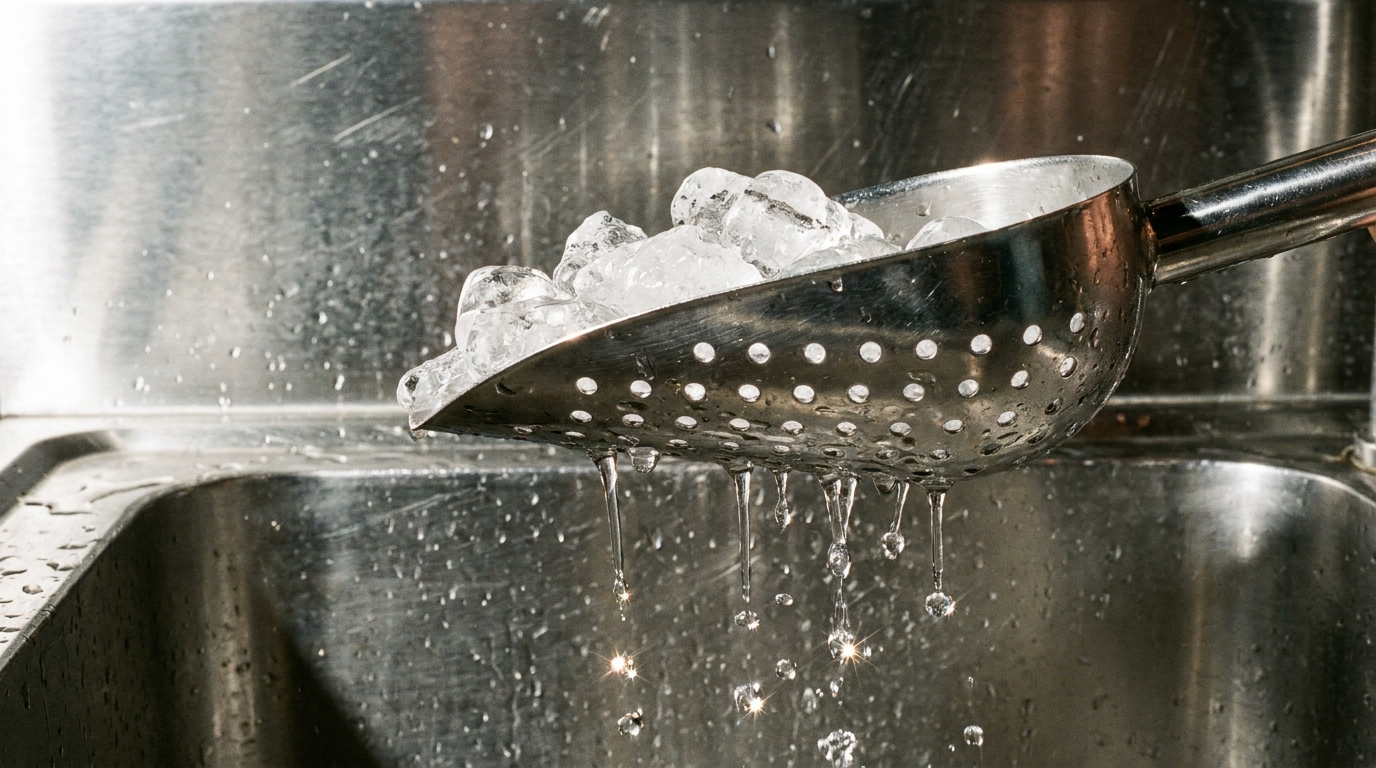
Geperforeerde roestvrijstalen ijsschep laat smeltwater weglopen boven de spoelbak

Hygiene around the ice machine

Ice is a food product, and a scoop that sits in the bin all day is the classic place to find bacteria. So wash the scoop at least once per shift. Aluminium and plastic can go in the dishwasher, although aluminium can go dull at high temperatures; washing by hand keeps the shine for longer. Stainless steel can take anything. With a perforated model, check that no fruit pulp or lime peel has been left behind in the holes, and dry the scoop before you hang it back up.

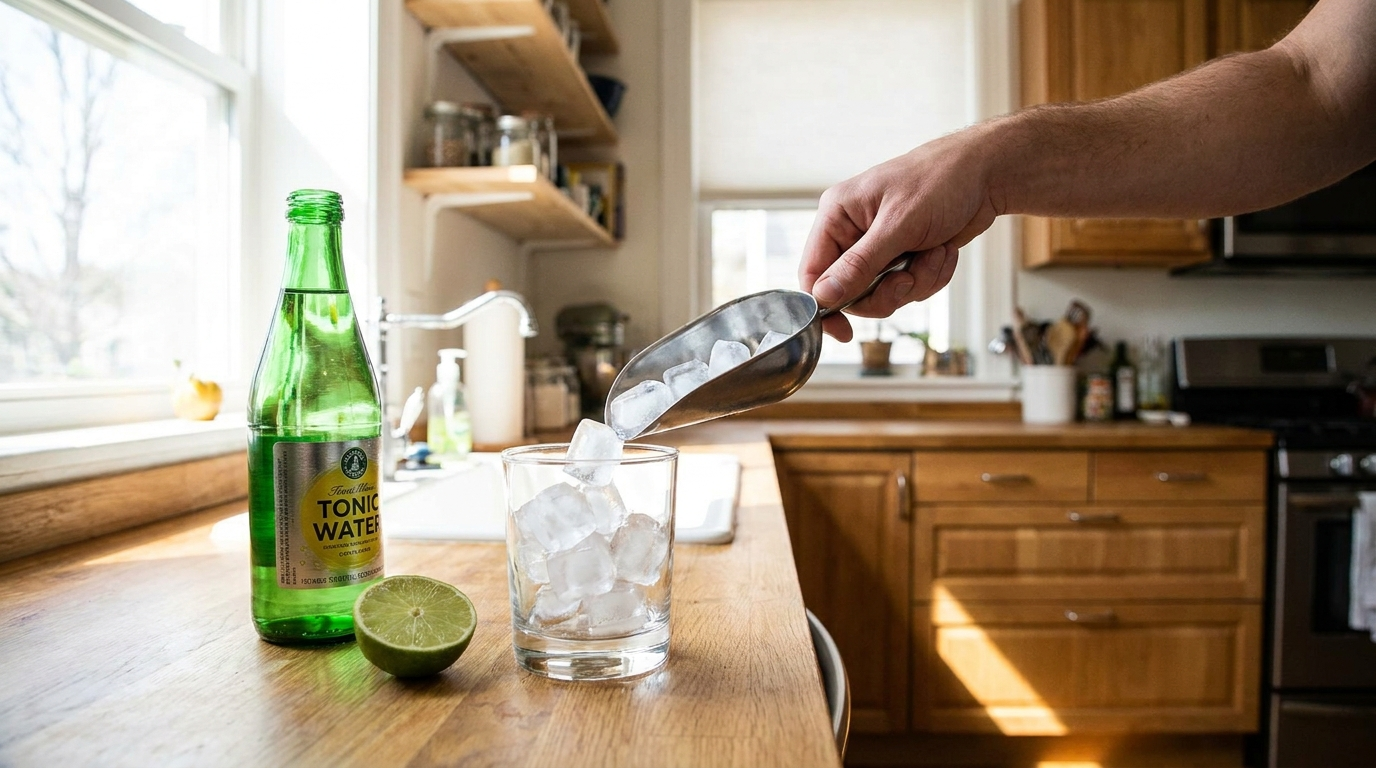
IJsschep vult een tumbler met ijsblokjes op het aanrecht thuis, met tonic en limoen ernaast

What else belongs with the ice

If you work with large chunks or with cubes that you place one by one, ice tongs are handier than a scoop. The ice then goes into one of the old fashioned glasses or, for longer drinks, into the highball glasses. And for the shaking itself, where most of the ice disappears, the cocktail shakers are gathered together, along with the matching strainers and jiggers. Count on a shaker taking more ice than the glass itself.