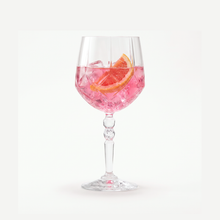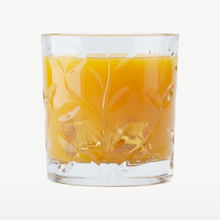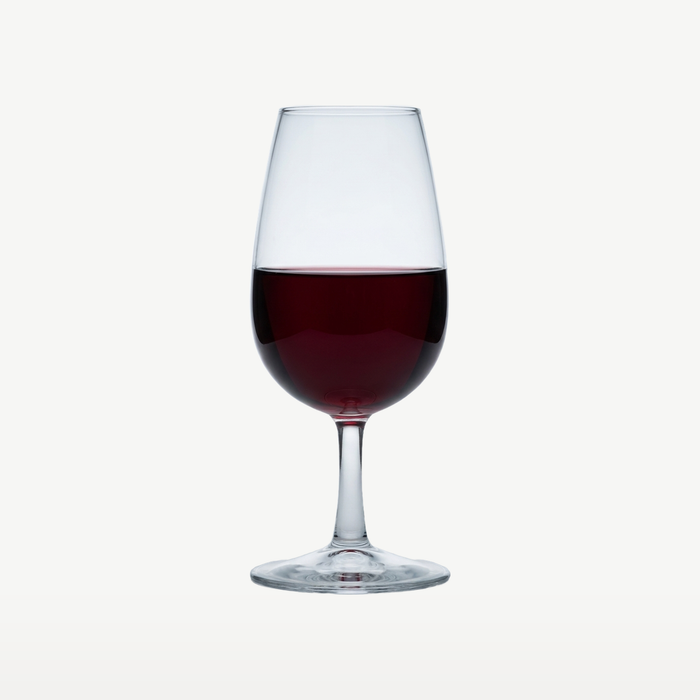
Pasabahce Tasting Glass/Port Glass 20 Cl - 12 Pieces

Royal Leerdam Snifter Tumbler / Tasting Glass 18 Cl - 6 Pieces
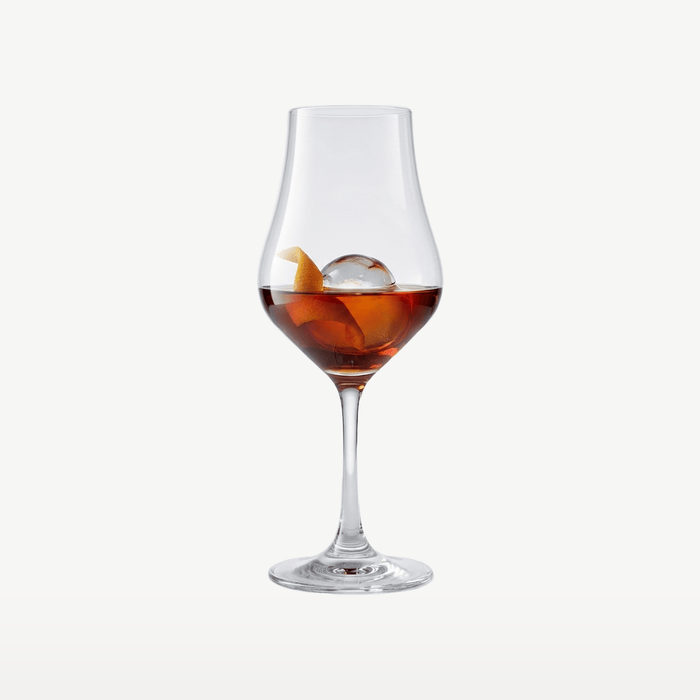
Lehmann Eaux de Vie Tasting Glass 15 Cl - 6 Pieces
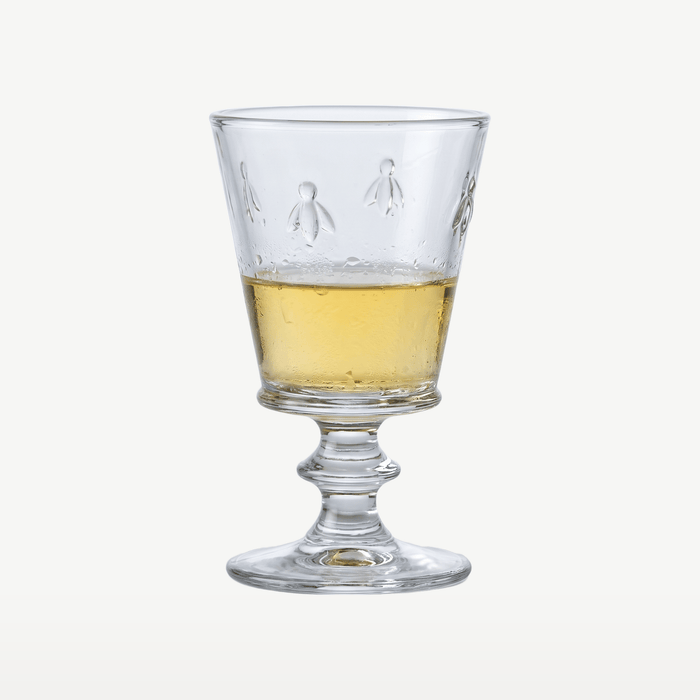
La Rochère Abeille Wine Tasting Glass 35 cl - 6 Pieces

How to pour
a scotch in
Let the bottle and glass come to room temperature, 18 to 20 degrees. Straight from the fridge, the aroma shuts down and you’ll taste mostly alcohol.
Pour 4 cl into the tulip-shaped glass, just above its widest point. Filling it higher lets the vapors overpower the subtler notes.
Smell it from a distance first, then move closer, with your mouth slightly open. With a peated whisky, you’ll smell the smoke that was absorbed by the grain while the malt was drying.
Take small sips, then add two drops of cold water. This brings out notes that were initially lost; ice does the opposite and closes off the aroma.
What did you think of this guide?
Just click a star. If you’d like to add a comment, we’ll review it before it appears here.
Save this page
Send this page to your own email so you have the information handy when you pour. You’ll also get a €5 discount code for purchases of €50 or more, to use on the matching glasses.
The story
Scotch is classified according to two questions: which grain, and how many distilleries. Single malt comes from one distillery and is made only from malted barley. Single grain also comes from one distillery, but may include other grains. Blended malt mixes single malts from several distilleries, blended grain does the same with single grains, and blended scotch combines malt with grain. Blended isn’t inferior to single malt; it’s simply different: the blender aims for a consistent profile so every bottle tastes the same, while a single malt lets the character of one place shine through.
The right glass
For scotch, you want a tulip-shaped glass: the bowl gives the aroma room, and the inward-curving rim guides it to your nose. A wide tumbler does the opposite, letting the vapors disperse so the alcohol comes through first. We don’t sell a glass with the word scotch on it; these two models are made for whisky and do exactly the job. Both have a sturdy, solid base rather than a long stem, so hold them at the bottom; otherwise, your hand will warm the whisky. See more shapes in tasting glasses.

Schott Zwiesel Bar Special Whisky Nosing Glass 32 cl (6 pieces)

Lehmann Islay Tasting Glass 12 cl (6 pieces)
Both sets together € 86,65.
The right tools
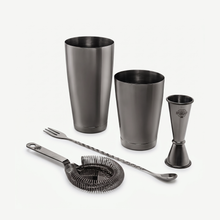
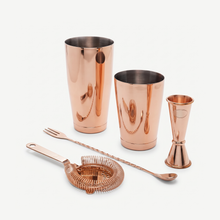
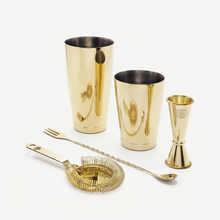
For a scotch, use a jigger alongside the glass to measure 4 cl, and a bar spoon to add the water drop by drop. These are the bar tools we use ourselves; you’ll find everything in our bar tools & cocktail sets.


Glass set (our choice 01) + 2 bar tools together € 79,60.
What goes with this?
Scotch sits on the shelf alongside other aged grain and grape spirits. Put it next to bourbon to hear what corn does to whiskey, and next to Jameson for the Irish answer to the same question. Each drink page tells you the alcohol percentage, what it tastes like, which cocktails it goes with, and what glass you need.


Variations & twists
If you want to look beyond the bottle you know, explore the five regions: Speyside, Highlands, Lowlands, Islay, and Campbeltown. A peated Islay alongside a lighter Lowland in the same glass immediately shows just how far apart the styles are. Also take a look at Japanese whisky, which took the Scottish way of working as its model and keeps the spelling without an e. Want to read more? Browse all drinks and brands.
Serving tip
Pour 4 cl at 18 to 20 degrees and set a glass of cold water beside it. Two drops of water open up the aroma; ice chills the whisky so much that little aroma remains. A piece of dark chocolate or a handful of walnuts alongside will soften the alcohol without overpowering the fruit.
Good to know
Whisky without an e, whiskey with an e
Scotch is spelled whisky, without an e. Irish and American bottles usually say whiskey, with an e, while Japanese bottles follow the Scottish spelling. It’s not a quality mark and says nothing about quality, but on a label, it’s the first clue to where the bottle comes from.
Five types under one name
Single malt comes from a single distillery and is made only from malted barley. Single grain also comes from a single distillery, but may contain other grains. Blended malt combines single malts from multiple distilleries, blended grain does the same with single grains, and blended Scotch combines malt with grain. So blended isn’t inferior to single malt; it’s simply different.
Where the smoke comes from
The smoke in whisky doesn't come from the cask, but from drying the malt. When wet barley is dried over a peat fire, the smoke settles into the grain and stays there all the way to the glass. Without peat, there is no smoke. Islay is known for heavily peated whisky, but unpeated whisky is also made there.
At least three years in oak, in Scotland
Scotch must be aged in oak casks for at least three years, and this must happen in Scotland. After that, it can be bottled. Many bottles are aged longer, but three years is the minimum; if there's no age on the label, all you know is that it has met that minimum.
The age refers to the youngest whisky
If a bottle lists an age, it refers to the youngest whisky in it. Older whisky can be included, but never younger whisky. So in a blend from dozens of casks, the youngest cask determines what can be stated on the label.
The five regions
Speyside has the most distilleries of any region. The Highlands are the largest area, and therefore also have the widest range of styles. The Lowlands are known for lighter, milder whisky. Islay is the island known for peated, smoky whisky. Campbeltown is the smallest region, with just a handful of distilleries.
Frequently asked questions
What is the difference between scotch and whisky?
Scotch is whisky from Scotland. Whisky is the general term for a spirit distilled from grain and aged in oak casks; scotch is the Scottish version, with its own rules. It must be aged in oak casks in Scotland for at least three years, and it is spelled without an e.
What is the difference between single malt and blended scotch?
Single malt comes from a single distillery and is made only from malted barley. Blended scotch combines malt whisky with grain whisky, usually from multiple distilleries. That doesn't make blended inferior, just different: the blender aims for a consistent profile that makes every bottle taste the same.
Why does some scotch taste smoky?
That smoke comes from peat. When malted barley is dried over a peat fire, the smoke settles into the grain, and you can taste it in the glass. The cask has nothing to do with it. Without peat, there is no smoke.
Which glass should you use for scotch?
A tulip-shaped nosing glass holding roughly 10 to 20 cl. The bowl gives the aromas room to open up, and the narrow rim guides them toward your nose. In a wide tumbler, the vapors disperse and the alcohol takes center stage; that glass is mainly for whisky with a large ice cube.
Also delicious
Buy scotch
Want the bottle delivered straight to your door? Order scotch online from Gall & Gall. Gall & Gall has 467, 72 of which are on sale.
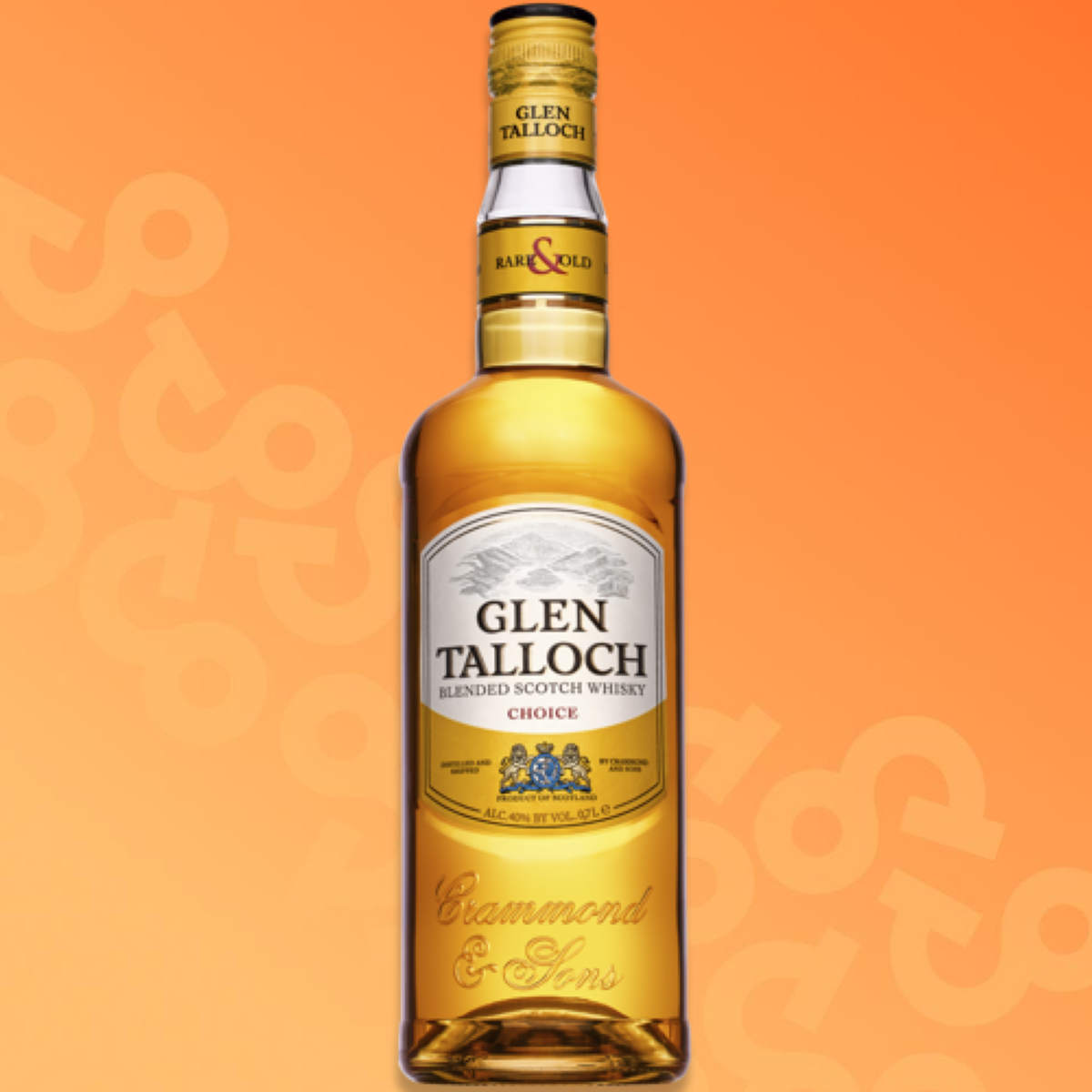
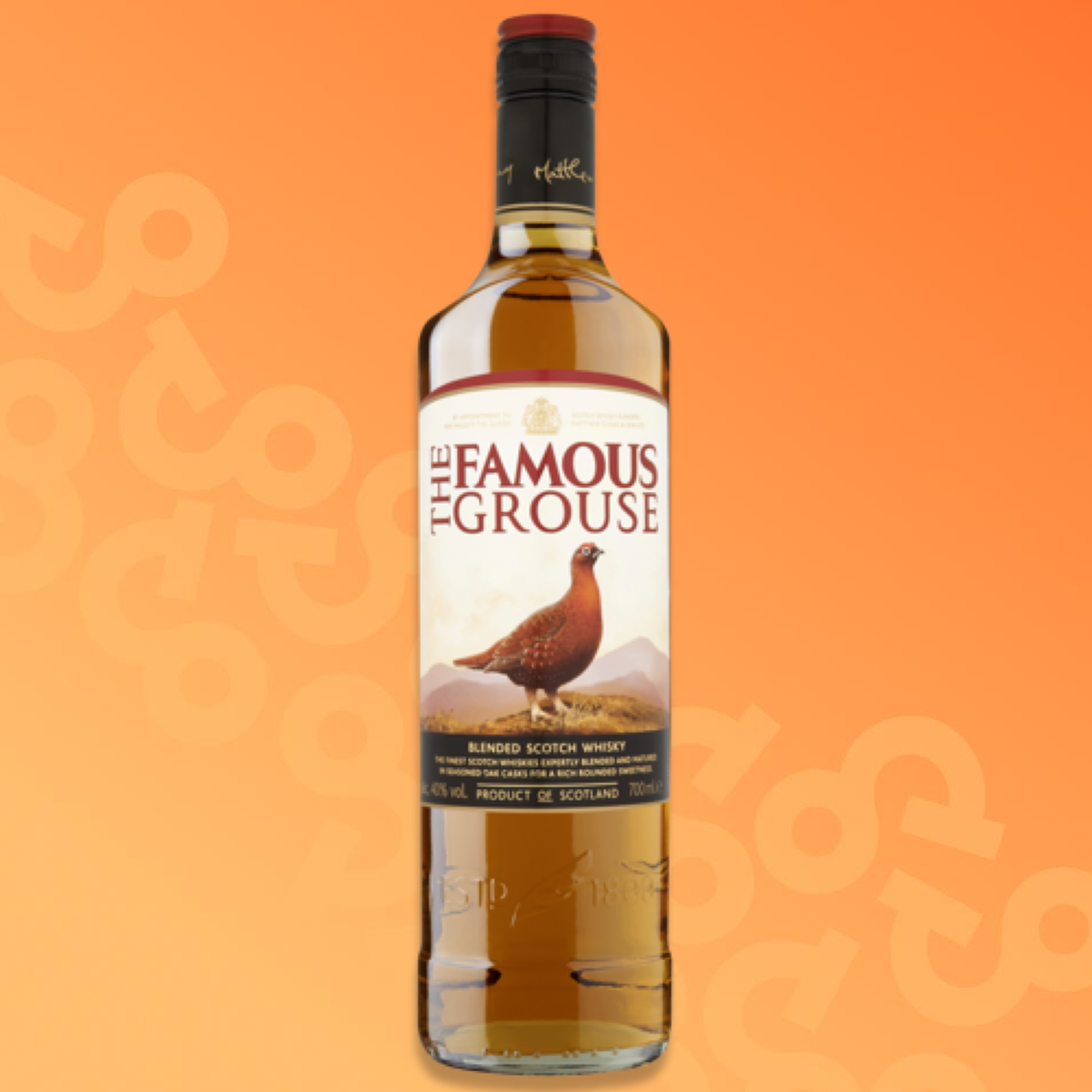
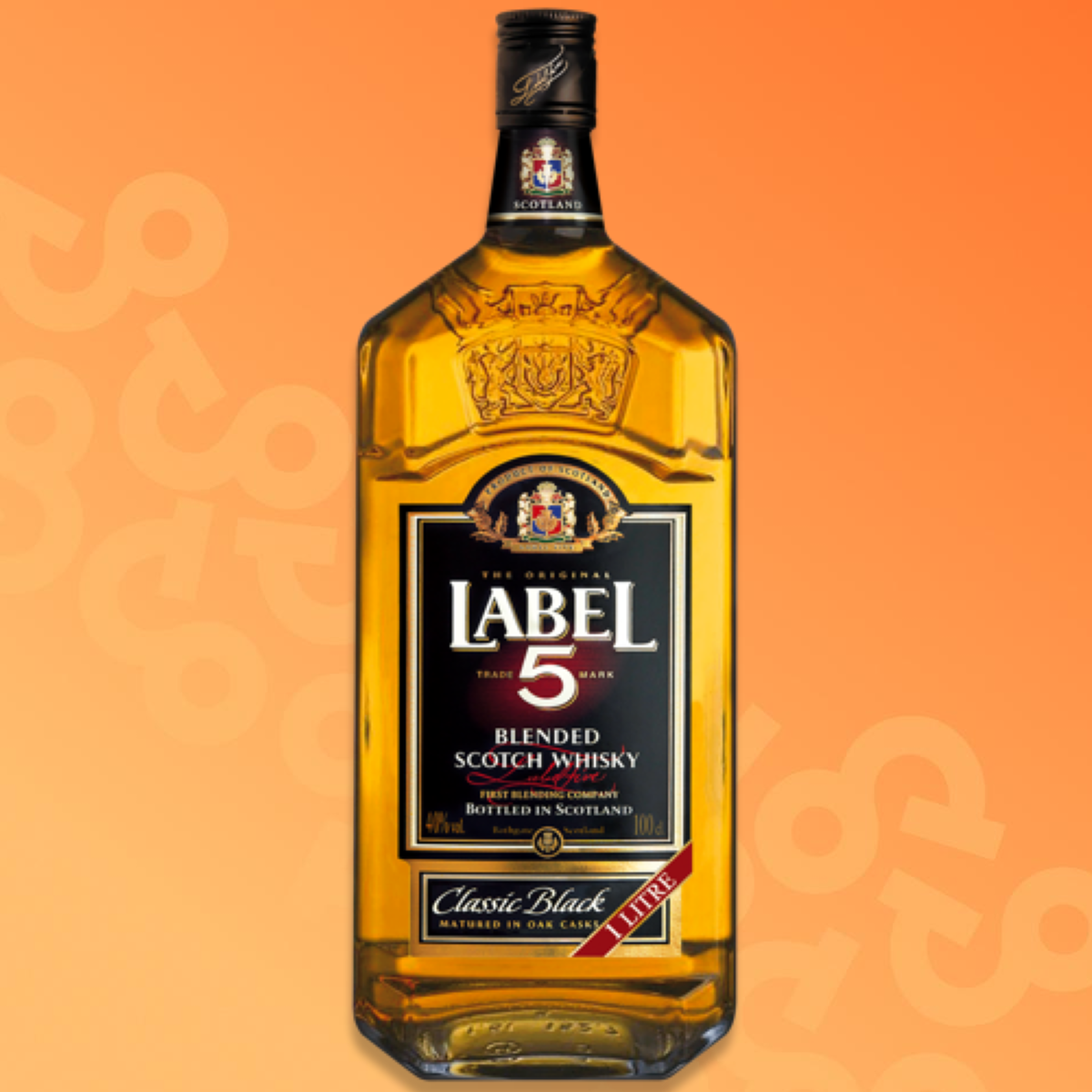
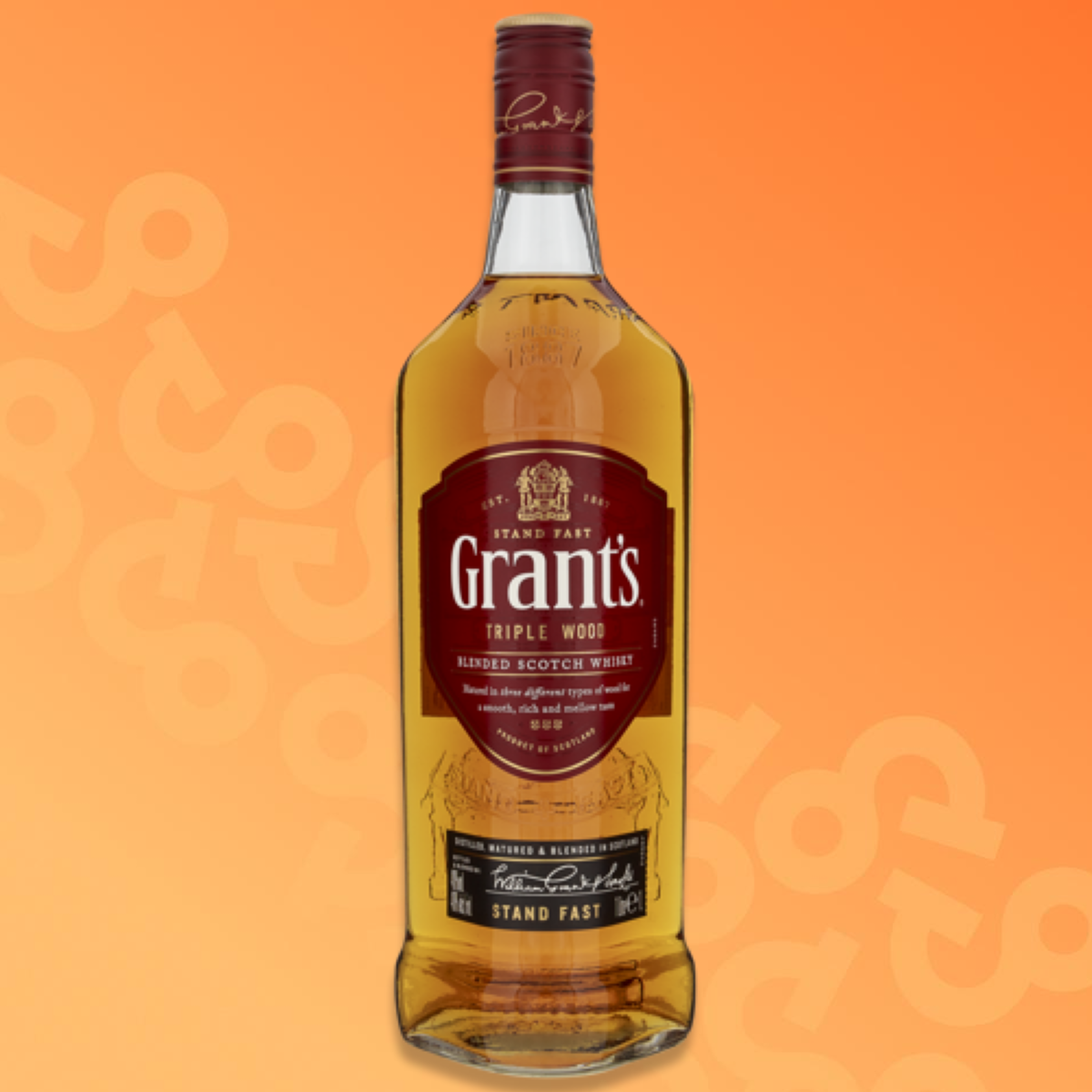
Prices as of November 20, 2026, as provided by Gall & Gall. You can check the current price and stock at Gall & Gall. Glazen.nl receives a small commission if you buy something through these links; it costs you nothing extra. No alcohol if you're under 18.
Everything for your bar,
to one address
Hospitality-quality glasses, sold in sets. Order today, delivered quickly.
Shop the glasses →