La Trappe
La Trappe comes from Our Lady of Koningshoeven Abbey, near Tilburg. Beer has been brewed behind the abbey walls since 1884. Blond, tripel, dubbel and quadrupel—a beer style that owes its name to La Trappe.

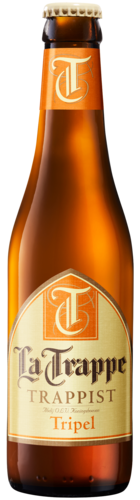
Beer from an abbey, with monks keeping an eye on things
The brewery is called De Koningshoeven Brewery and is located within the walls of Our Lady of Koningshoeven Abbey in Berkel-Enschot, just outside Tilburg. The monks there are Trappists. They belong to a monastic order that lives off what its members make with their own hands. Beer has been part of that since 1884. The first brewer was Brother Isidorus, and the Isid'or is named after him.
Trappist refers to where a beer comes from, not how it tastes. A beer can carry the Authentic Trappist Product logo only if it is brewed within the walls of a Trappist abbey, the monks supervise production, and the proceeds go to the community and charitable causes. La Trappe carries that logo. The brewery is best known for its strong beers. La Trappe's quadrupel even gave its name to an entire beer style. The first Trappist witbier also comes from Koningshoeven, as does the first alcohol-free Trappist beer at 0.0%.
In brief
From blond to quadrupel, and two alcohol-free options
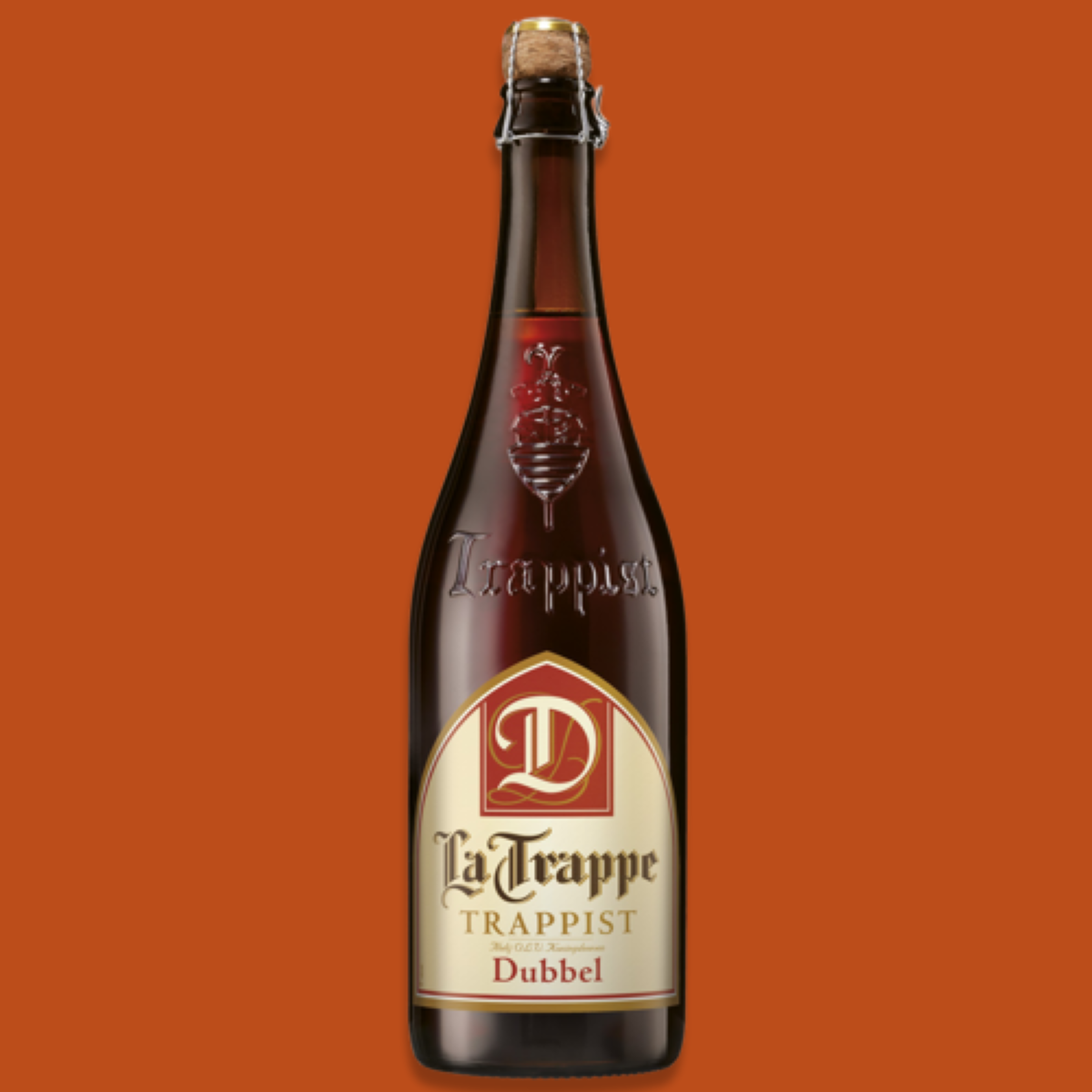
Dubbel, tripel and quadrupel get progressively stronger. The Dubbel and Quadrupel are dark and malty. The Blond and Tripel are golden blond. You can buy almost every beer in 33 cl bottles and large 75 cl bottles.
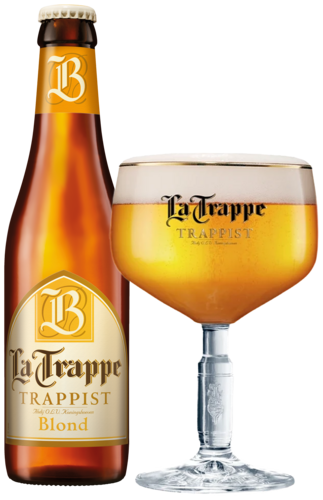
La Trappe Blond
Golden yellow with a white head. You can taste fresh fruit, sweet malt and a hint of spice. Easy to drink and slightly bitter.
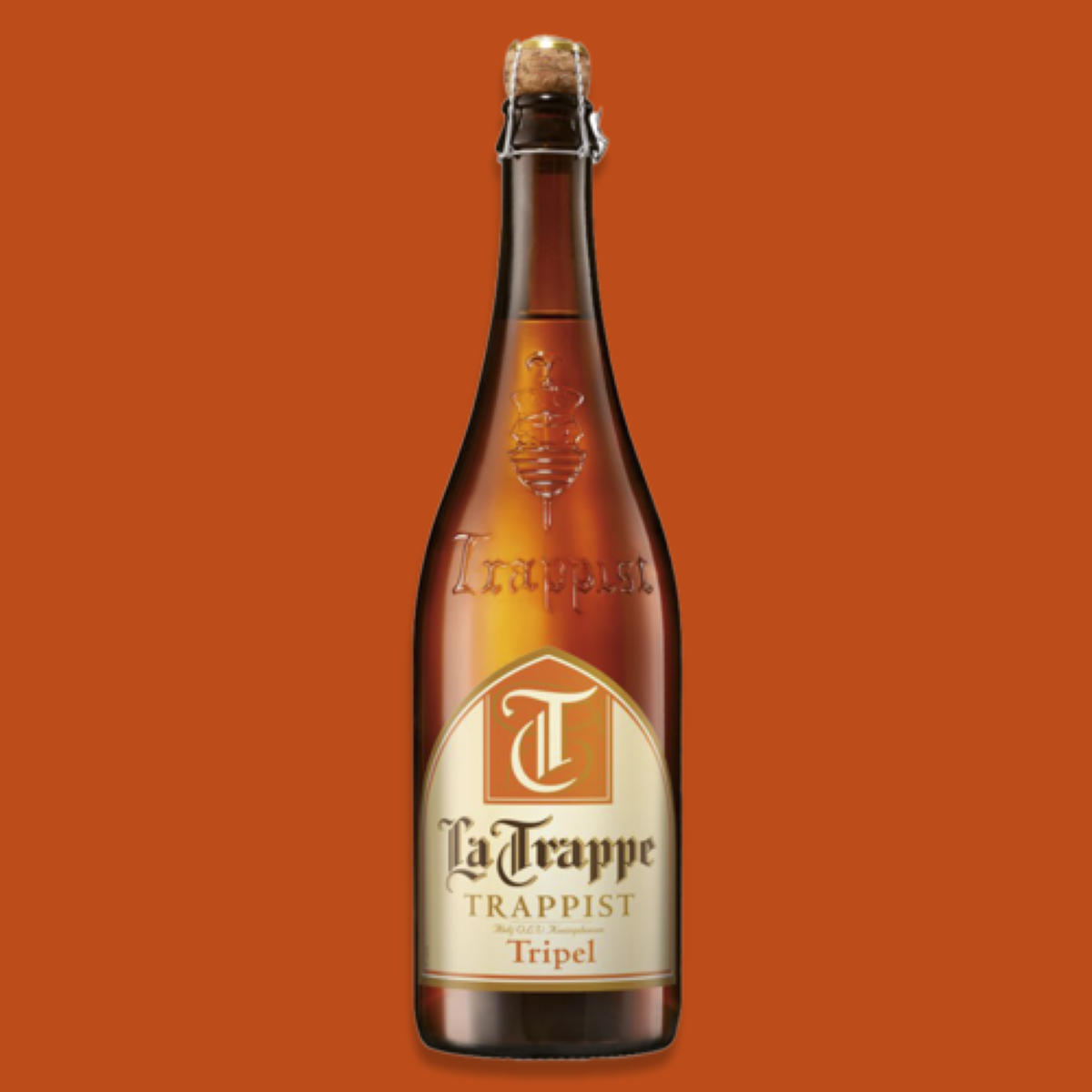
La Trappe Tripel
A powerful classic. Golden blond and full-bodied, with candy-sugar sweetness and a little malt. It finishes bitter and slightly dry.
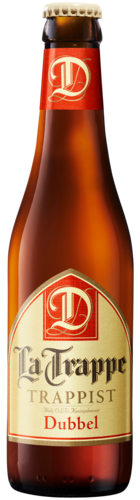
La Trappe Dubbel
Dark brown beneath an ivory-colored head. Plenty of malt and caramel, with dates, honey and dried fruit.

La Trappe Quadrupel
The brewery's strongest beer, and the style is named after it. Warm amber, full-bodied and warming, with malt, dates and caramel.

La Trappe Isid'or
Brewed in 2009 to mark the brewery's 125th anniversary. Amber-colored. It starts fruity, then develops into malty caramel.

La Trappe White Trappist
The very first trappist white beer. Hazy pale blond and fresh, slightly tart from the wheat malt. The hops bring citrus, peach and apricot.

La Trappe Blond Special Edition
Blond trappist beer brewed with four grains: barley, wheat, oats and rye. Delicately bitter and layered. Comes in gift packaging.

La Trappe Nillis 0.0
The world's first trappist beer with 0.0% alcohol. Dark amber with an off-white head.

La Trappe Epos 0.0
Hazy pale blond with a generous head, fresh and slightly tart. Made only with natural ingredients.
Which abbeys brew trappist beer and what the logo stands for: read about it on our trappist page.
Malt, caramel and yeast notes
Fruit & malt
The blond beers have fruity, spicy and sweet malt aromas. The dark beers offer caramel, dates and dried fruit. The white beer has fresh citrus and peach aromas.
Full and rounded
They are full-bodied beers with plenty of malt. The Tripel has a candy-sugar sweetness and a full body. The Quadrupel is rich and warming. Blond and white beer are lighter and fresher.
Bitter or warm
Tripel finishes bitter and a little dry. Dubbel and Quadrupel leave a warm, sweet aftertaste of caramel and dates.
This is the flavor profile of La Trappe Tripel. Quadrupel is higher in sweetness and strength. Blond and Witte Trappist are lower in strength.
How to pour La Trappe
Not too cold, in a footed glass, and poured gently for a beautiful head.
At the right temperature
Serve Blond, witbier and the 0.0 beers at 6 to 8 degrees. Serve Tripel, Dubbel and Isid'or at 8 to 12 degrees. Quadrupel can be a little warmer, up to 14 degrees. That's when you can really taste the caramel and dates.
More about Trappist beer →Pour gently
Tilt the glass and let the beer run down the inside. When the glass is two-thirds full, straighten it up. This gives you a two-finger head. If there is yeast at the bottom of the bottle, leave it behind. Or pour it in deliberately for a fuller flavor.
More about pouring beer →Taste them side by side
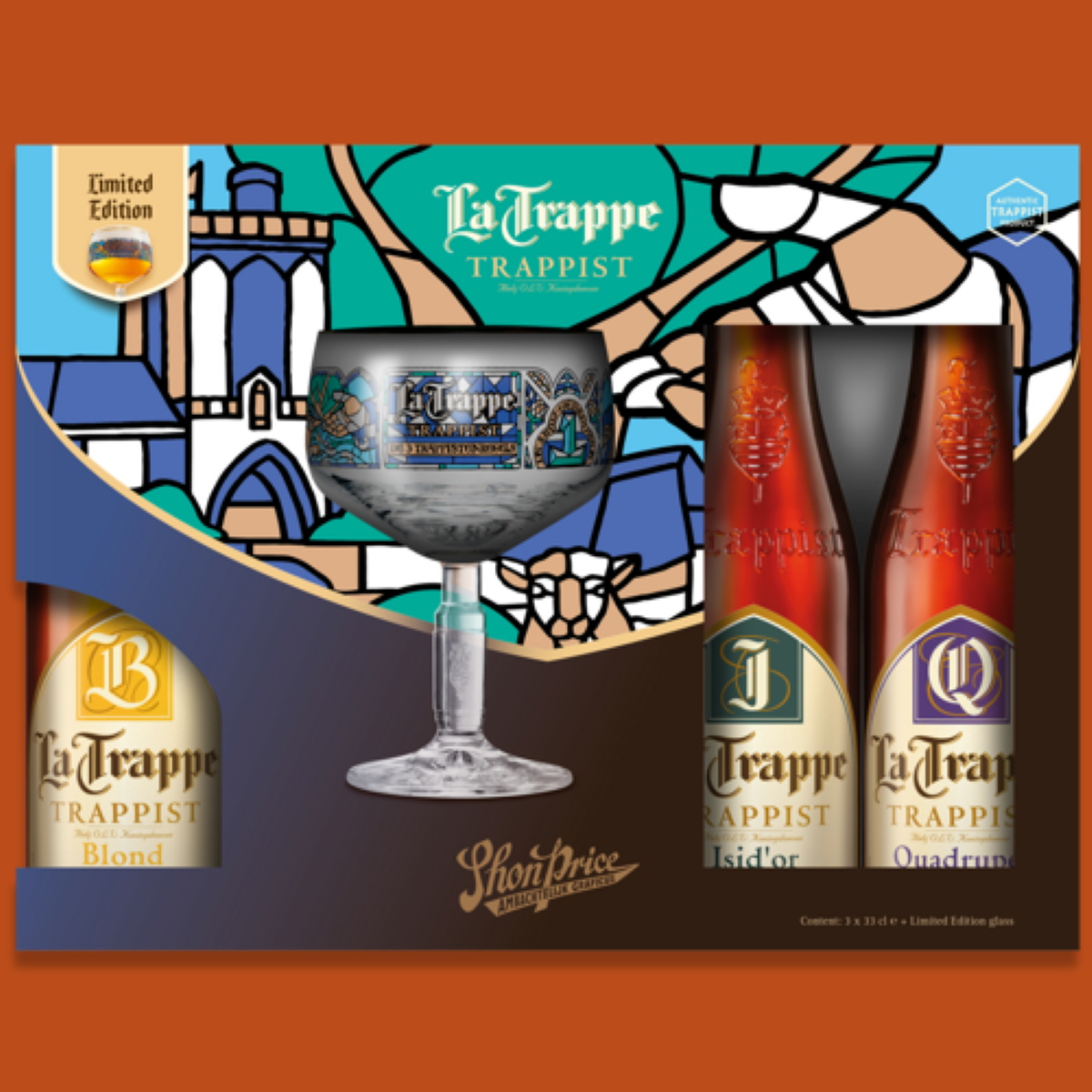
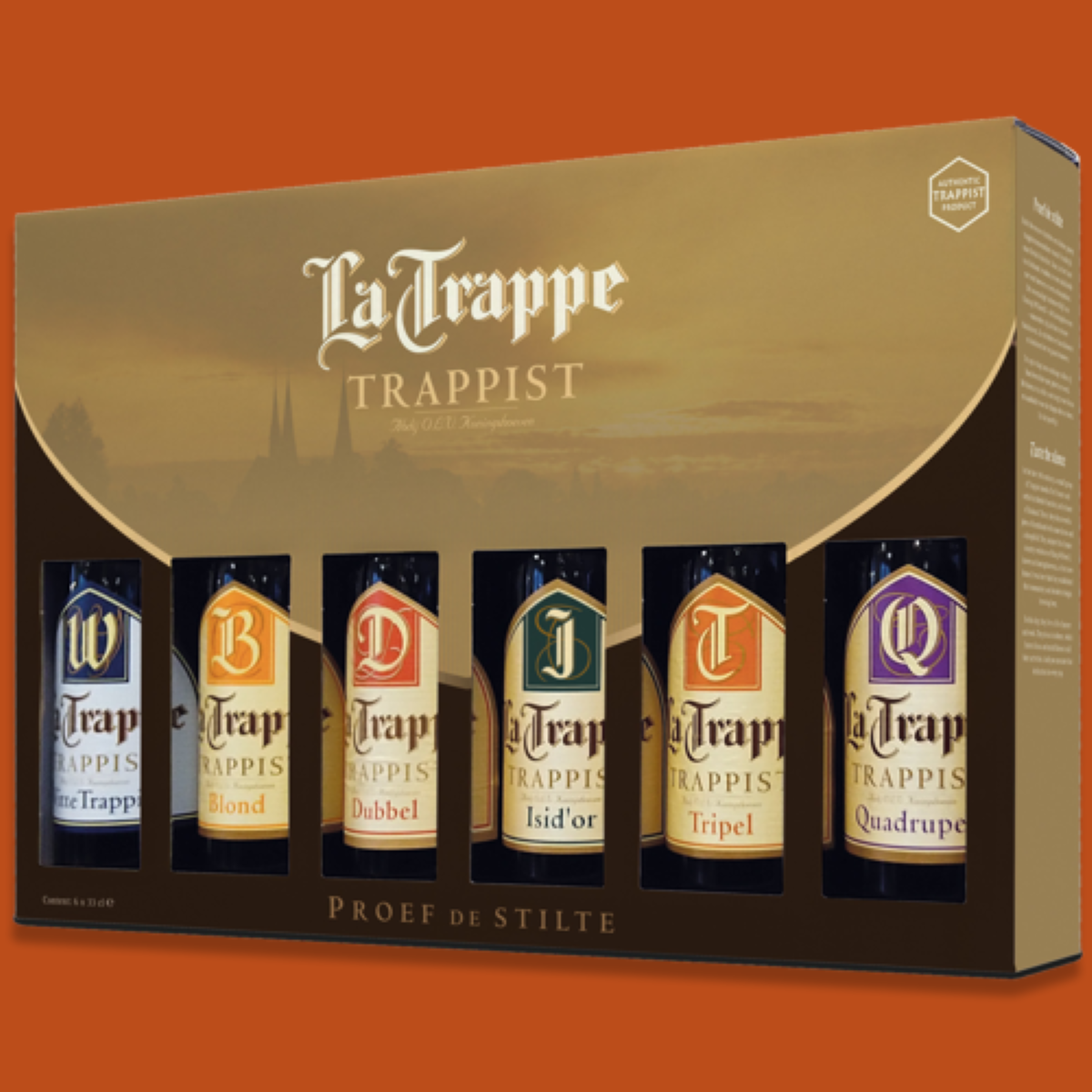
Set Blond, Tripel, Dubbel and Quadrupel side by side and taste from light to strong. You'll notice how malt, candi sugar and alcohol shape the flavor. Gift packs with four or six bottles are ideal for this.
Beer tasting at home →La Trappe at the table
Trappist beer is made to enjoy with food. The stronger the beer, the heartier the food can be.
Light and fresh
Delicious with salads, fish, mussels and a light lunch. The witbier goes well with dishes featuring lemon and fresh herbs.
Cheese and poultry
With mature cheese, chicken or turkey, and Asian food too. Its bitterness and carbonation cut through fat nicely.
Stew
With stews, game and grilled meat. The caramel notes from the malt go well with anything roasted or braised.
After dinner
With aged cheese, dark chocolate or a caramel dessert. Or enjoy it as a digestif instead of a glass of port.
The right glass for La Trappe
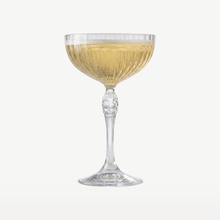
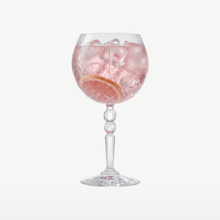
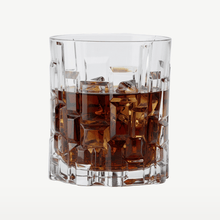
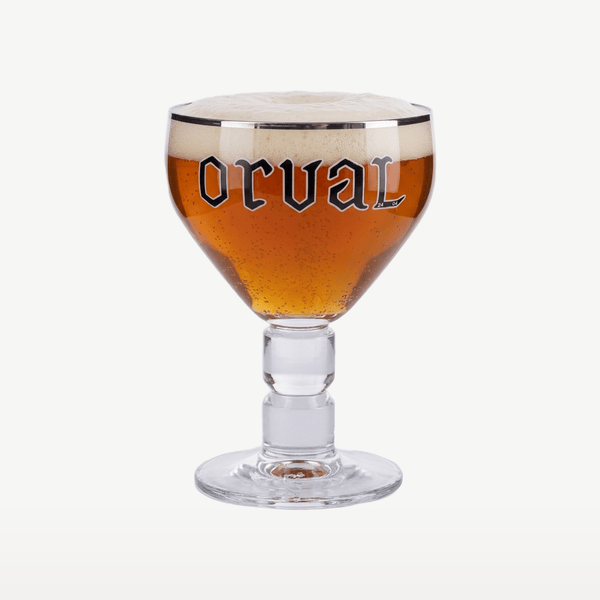
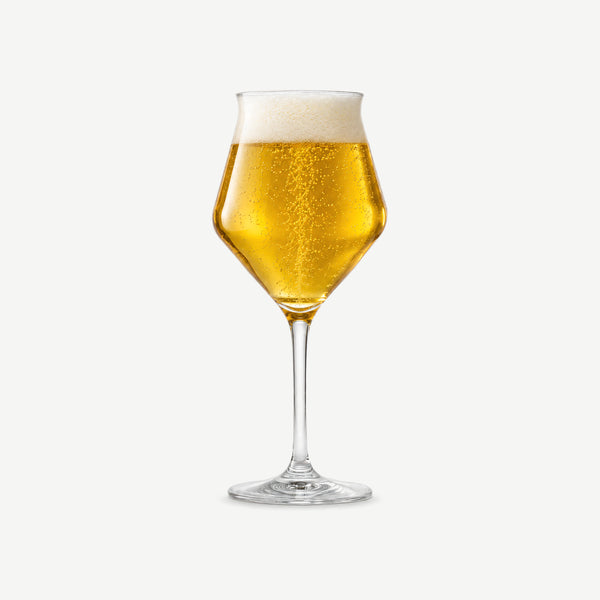
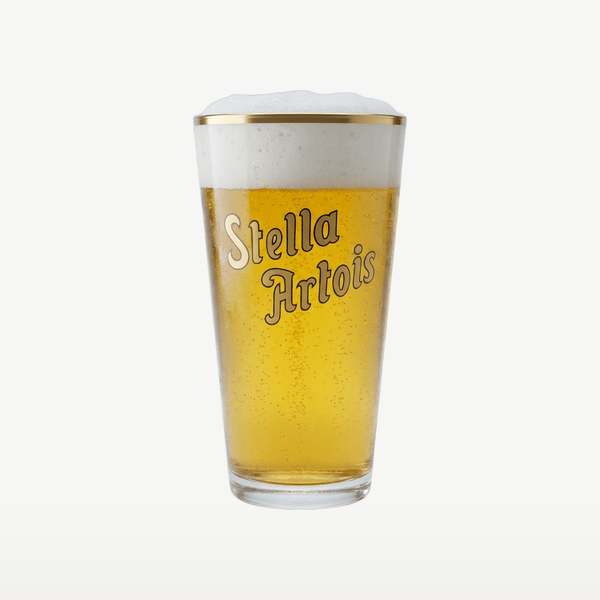
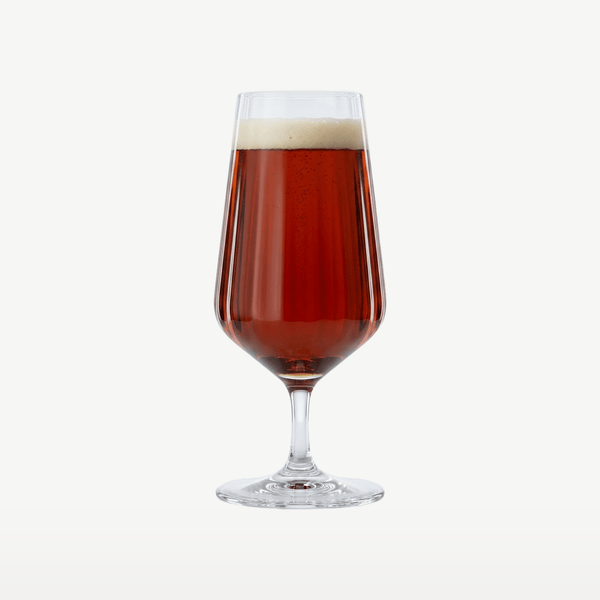
Choose a footed tulip or chalice glass with a capacity of 38 to 40 cl. It holds a 33 cl bottle with a generous head on top. The shape keeps the aroma above the beer, and the stem keeps your hand off the glass. These are the glasses we recommend.


Questions about La Trappe
Can't find your question here? Read more about Trappist beer or get in touch.
All about Trappist beer →Where is La Trappe brewed?
Is La Trappe a genuine Trappist beer?
How much alcohol does La Trappe contain?
What is the difference between Dubbel, Tripel, and Quadrupel?
Which glass should you use for La Trappe?
What goes well with La Trappe?
Buy La Trappe
Want the bottle delivered straight to your door? Order La Trappe online from Gall & Gall. Gall & Gall has 19 options, 2 of which are on sale.
Prices as of November 21, 2026, as reported by Gall & Gall. You can check the current price and stock at Gall & Gall. Glazen.nl receives a small commission if you buy something through these links; it costs you nothing extra. No 18, no alcohol.