Chimay
Chimay is Trappist beer from Belgium, brewed at Scourmont Abbey near the town of Chimay. The monks have been brewing it since 1862. At Gall & Gall, you’ll find the two best-known varieties: blonde Chimay White, a tripel, and dark Chimay Blue, the Grande Réserve. Here you can learn what Chimay is, what it tastes like and how to pour it.


Beer brewed by monks in Hainaut
Chimay is brewed at Notre-Dame de Scourmont Abbey, a Trappist monastery in the Belgian province of Hainaut, near the town of Chimay and the French border. The brewery was founded within the abbey in 1862. Chimay was the first brewery to put the name “Trappist beer” on its label.
Trappist beer isn’t a beer style, but an indication of origin. The beer must be brewed in or near a Trappist abbey, under the monks’ supervision, and the proceeds go to the community and good causes. There are only a handful of breweries like this, including Westvleteren and La Trappe. Scourmont Abbey has also made cheese since 1876, which you’ll often see served alongside the beer in Belgium.
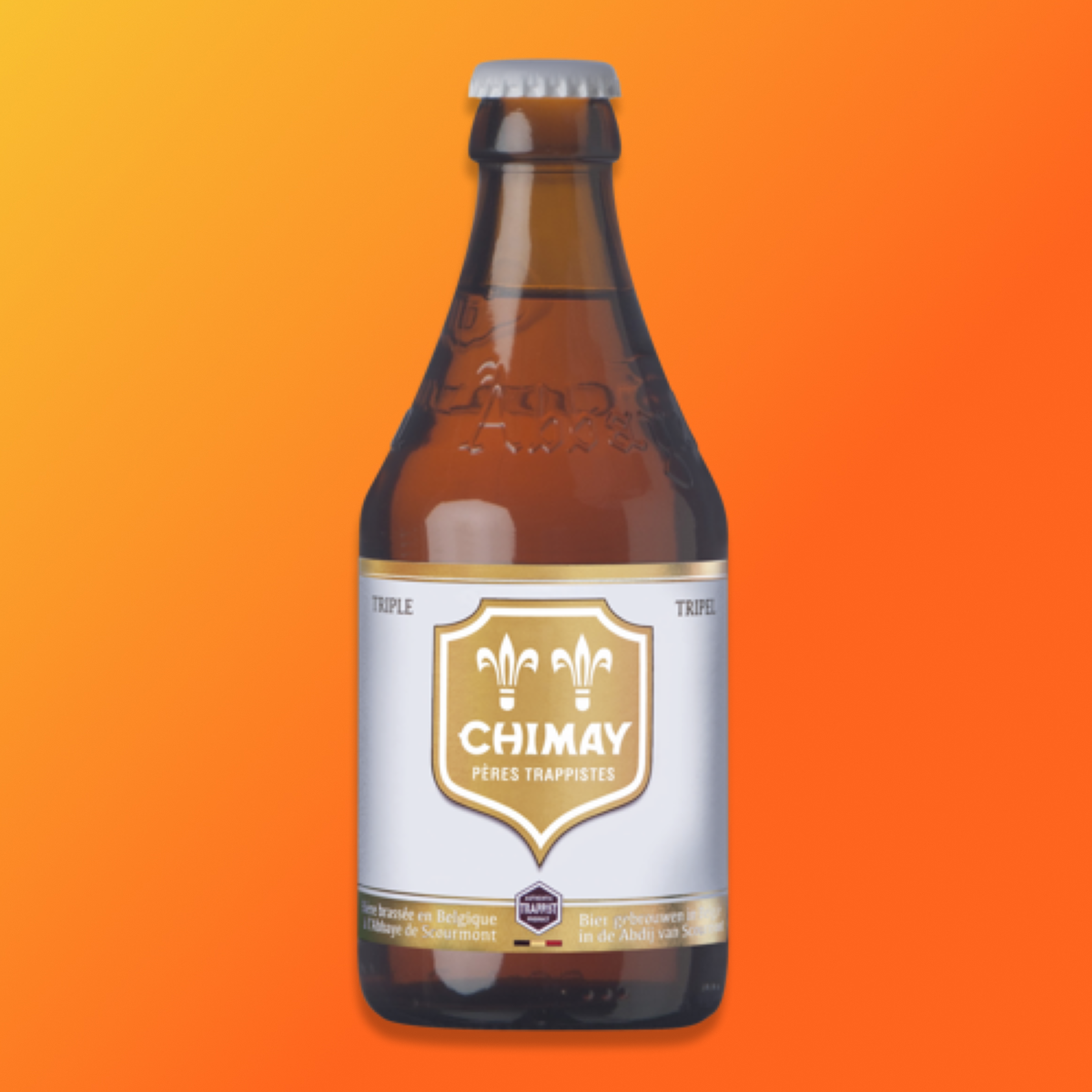
Chimay beers are recognizable by the color of the cap and label. White is the tripel, Blue is the strong dark Grande Réserve, and Red is a dubbel. There’s also Chimay 150, a strong blonde beer, among others. All Chimay beers undergo bottle fermentation, so there’s a layer of yeast at the bottom.
In brief
Chimay White and Chimay Blue
Gall & Gall sells the two best-known Chimay beers, both in 33 cl bottles. White is fresh and spicy, while Blue is dark and full-bodied. They’re so different that you can taste them side by side.

Chimay White (Tripel)
Golden blonde, smooth, and slightly bitter. You can taste grapes, raisins, and ripe apple. Also known as Cinq Cents. Delicious at 6 to 8 degrees.
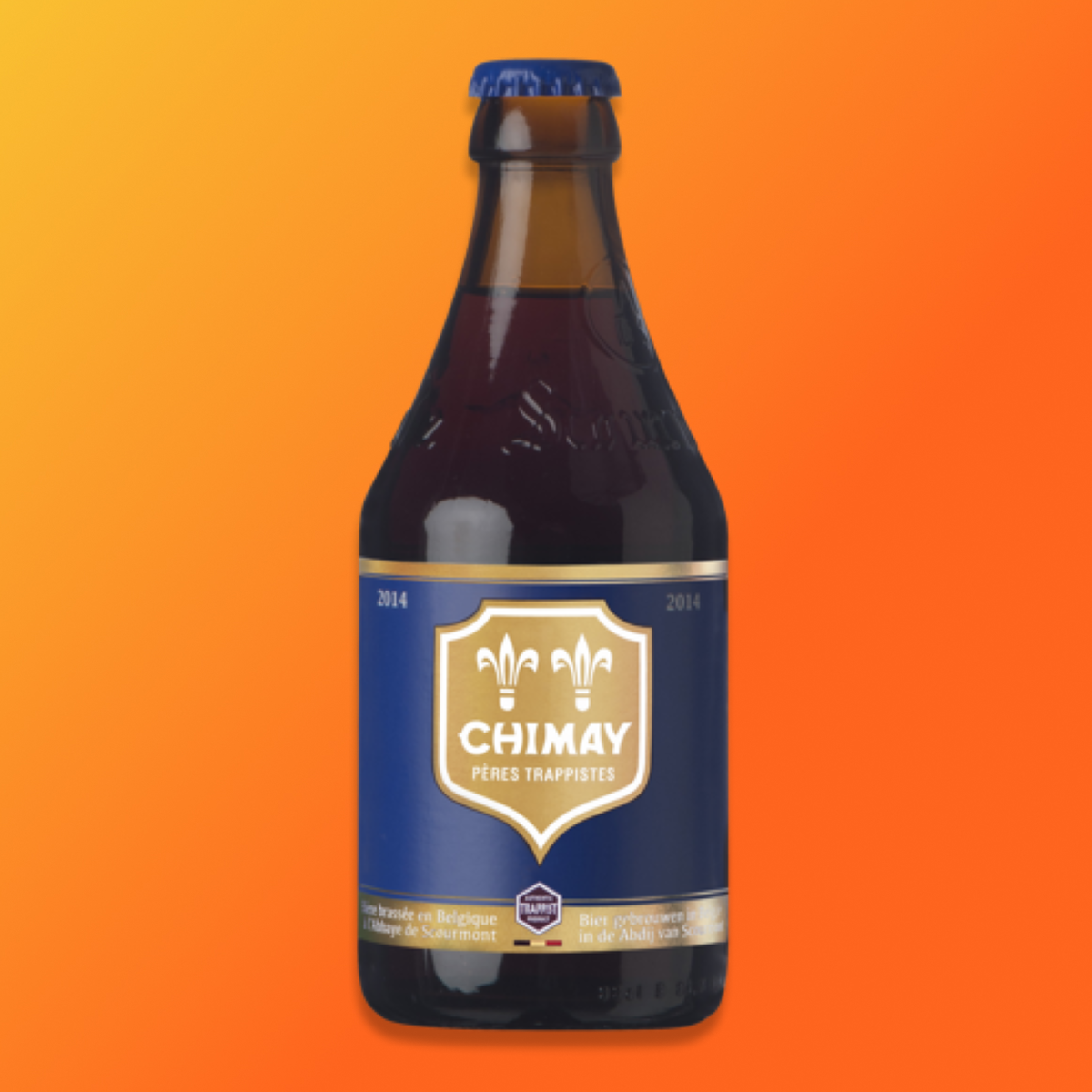
Chimay Blue (Grande Réserve)
The Chimay classic. Dark, full-bodied, and warming, similar to a quadrupel. Thanks to its secondary fermentation in the bottle, you can keep it for years.
Which abbeys are allowed to brew Trappist beer, and how does it differ from abbey beer? Find out on our Trappist page.
Chimay White is a tripel. Learn how tripel is brewed and discover other varieties.
Fruity blonde or dark and warming
Fresh and spicy
Smooth and slightly bitter, with grapes, raisins, and ripe apple. Drier and hoppier than most tripels.
Dark and full-bodied
Caramel, dried fruit, and warming alcohol. The beer is full-bodied and changes over the years if you keep it.
Long and dry
Both beers finish dry. White leaves a hint of bitterness, while Blue leaves notes of caramel and spices.
Chimay’s average flavor profile. White scores higher in bitterness and lower in sweetness, while Blue scores higher in sweetness and strength.
How to pour Chimay
Don’t drink Trappist beer ice-cold. The darker and stronger the beer, the warmer you can serve it.
White cool, Blue warmer
Drink Chimay White at 6 to 8 degrees. Chimay Blue can be served much warmer, around 10 to 14 degrees, to bring out its aroma and flavor. A cool cellar is ideal.
More about pouring beer →Mind the yeast
Chimay undergoes secondary fermentation in the bottle. Pour slowly in one smooth motion and leave the last little bit with the yeast in the bottle. If you want the yeast too, pour it separately or gently swirl the bottle.
Keep a few bottles
You can store Chimay Blue upright in a cool place. After a few years, it becomes rounder and smoother. Try tasting a young and an older bottle side by side.
Beer tasting at home →Chimay at the table
Trappist beer belongs with Belgian cuisine: cheese, beef stew, and game. It’s no coincidence that the monks also make cheese.
Abbey cheese
With Chimay cheese or another semi-soft abbey cheese. White pairs well with young cheese, while Blue goes with a firm, aged cheese.
Poultry and fish
With roast chicken, rabbit, or fried fish. Also delicious with mussels.
Stews and game
With Flemish beef stew, venison stew, or duck. The beer’s caramel notes complement a dark sauce.
Chocolate
A glass of Chimay Blue with dark chocolate or a piece of chocolate cake works surprisingly well.
The right glass for Chimay
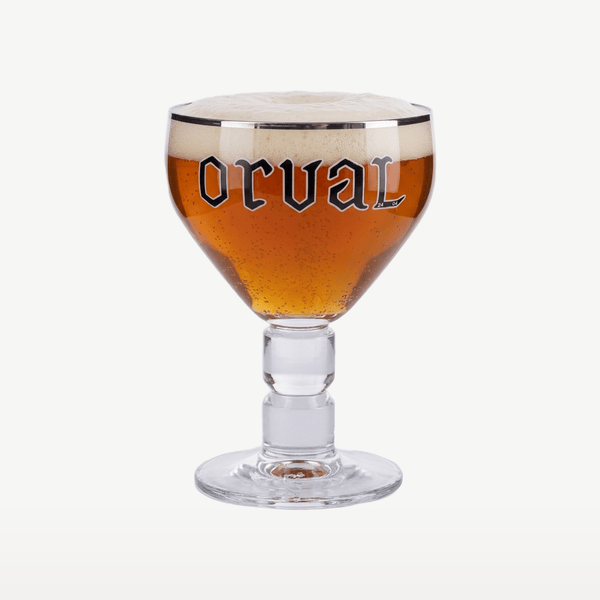
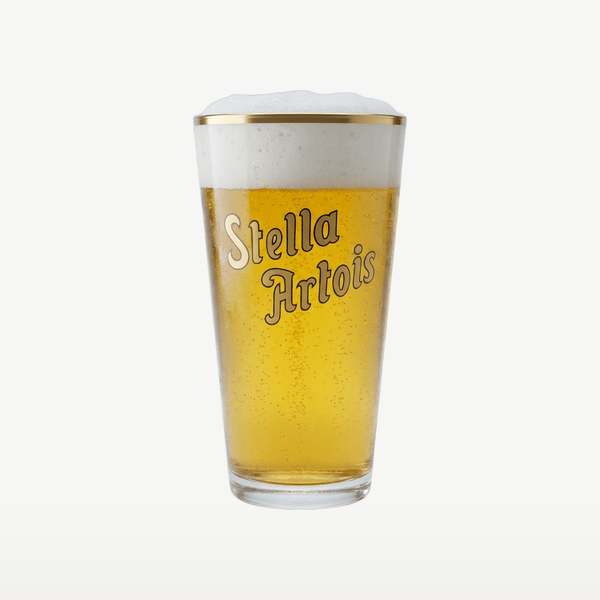
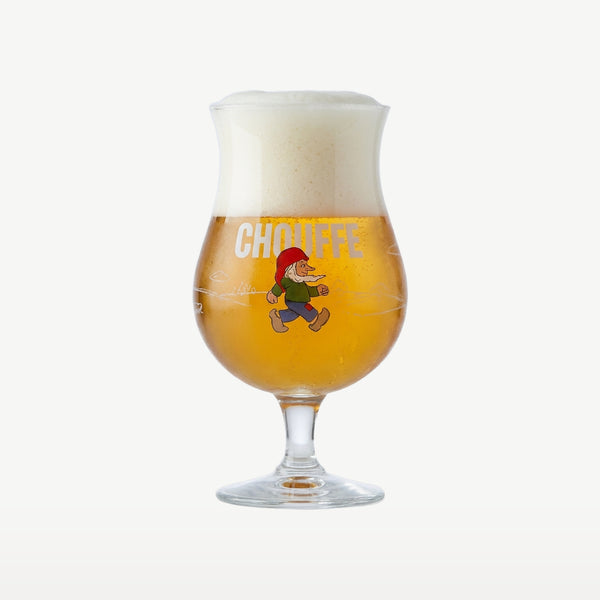
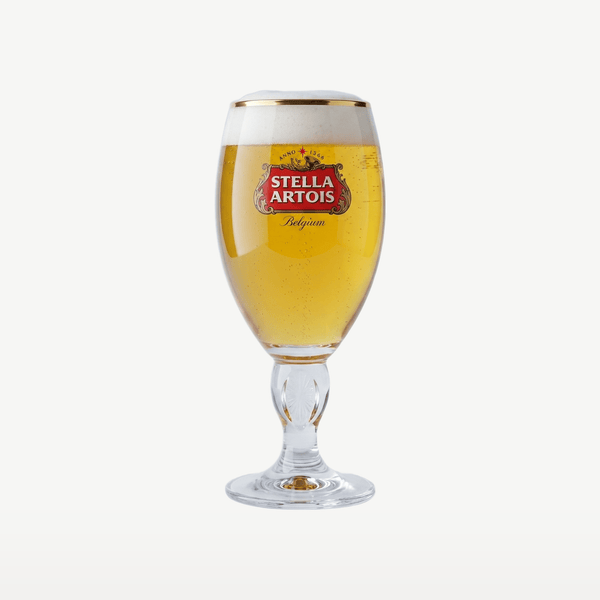
Drink Chimay from a Trappist glass: a wide goblet on a stem. It lets the aroma develop fully and leaves room for the head. Choose a glass of at least 38 cl for a 33 cl bottle.


Everything you wanted to know about Chimay
Can’t find your question here? Read more about Trappist beer or get in touch.
All about Trappist beer →What is Chimay?
How much alcohol does Chimay contain?
What is the difference between Chimay White and Chimay Blue?
Is Chimay a genuine Trappist beer?
What glass should you use for Chimay?
How cold should you drink Chimay Blue?
Buy Chimay
Want the bottle delivered to your door? Order Chimay online at Gall & Gall.
Prices as of November 24, 2026, as provided by Gall & Gall. You can find the current price and stock at Gall & Gall. Glazen.nl receives a small commission if you buy something through these links; you pay nothing extra. No 18, no alcohol.