Rhône
The Rhône is the wine region along the river of the same name, from just south of Lyon to beyond Avignon. In the north, they make robust syrah; in the south, warming blends of grenache, syrah and mourvèdre. Côtes du Rhône and Châteauneuf-du-Pape come from there.


Wine from the Rhône, by type
The Rhône revolves around a few grapes and one major appellation. We have dedicated pages for four of them.

Côtes du Rhône
The region’s best-known wine, and an explanation of the difference from Côtes du Rhône Villages.
About Côtes du Rhône →
Grenache
The grape that sets the tone in the south: soft, juicy and often quite high in alcohol.
About Grenache →
Shiraz
In France, it is called syrah. In the northern Rhône, it is the only red grape used for red wine.
About Shiraz →
Viognier
The aromatic white grape from the northern Rhône, full and rounded with low acidity.
About Viognier →One river, two very different halves
The Rhône rises in Switzerland and flows via Lyon to the Mediterranean Sea. The wine region begins just south of Lyon and extends beyond Avignon. It is divided into two parts that are best viewed separately. The northern Rhône is narrow and small. The vineyards there lie on steep slopes and terraces along the river. Only Syrah is used for red wine there. Well-known names include Côte-Rôtie, Hermitage, Crozes-Hermitage, Saint-Joseph and Cornas. For white wines, you'll find Marsanne and Roussanne, and Viognier in Condrieu.
Further south, the landscape becomes broader and flatter, and the climate warmer and drier. The mistral, a cold, dry wind from the north, blows here often. Blends are the hallmark of the southern Rhône. Grenache is usually the main grape, complemented by Syrah and Mourvèdre. This combination is also known as GSM. Cinsault and Carignan are sometimes included. Most Côtes du Rhône wine comes from this southern area. Above that are villages and crus with their own names, such as Gigondas, Vacqueyras, Rasteau and Châteauneuf-du-Pape. The latter takes its name from the popes who lived in Avignon in the fourteenth century. Some of the vineyards lie on large, rounded stones that absorb heat during the day. Tavel is a special case: only rosé is made there.
In brief
Seven bottles, from Côtes du Rhône to Saint-Joseph
The higher up the ladder the wine is, the smaller and more specific the area named on the label. First the southern blends, then a Syrah from the north, and finally two whites.

M. Chapoutier Côtes du Rhône
An entry-level wine from one of the region's best-known producers. Grenache and Syrah, juicy and easy to drink.

Louis Bernard Côtes du Rhône-Villages
A step up from standard Côtes du Rhône. Mostly Grenache, complemented by Syrah and Mourvèdre.

Vidal-Fleury Gigondas
Three-quarters Grenache, with Syrah and Mourvèdre. Fruity and bold, with blackberries, cherries, plums, thyme, rosemary and pepper.

Vidal-Fleury Châteauneuf-du-Pape
The most famous wine from the south, made here with 85 percent Grenache, plus Syrah and Mourvèdre. Cherries, plums, pepper and nutmeg.

Vidal-Fleury Saint-Joseph
100% northern Syrah. Cassis, black pepper, nutmeg and a hint of forest floor.

Laurus Côtes du Rhône Blanc
White Côtes du Rhône made from six local grapes, led by Viognier, Grenache Blanc, Roussanne and Marsanne. Full-bodied and rounded.

Vidal-Fleury Crozes-Hermitage Blanc
Marsanne and Roussanne, the classic white duo of the north. A rich wine with ripe pear, apricot, almond and honey.
What’s the difference between Côtes du Rhône, Villages and Villages with a village name? Find out on our Côtes du Rhône page.
Ripe fruit, pepper and wild herbs
Red fruit & garrigue
A southern Rhône smells of ripe cherries, strawberries and blackberries. Beneath that, there’s often garrigue: the scent of wild thyme, rosemary and bay. Syrah from the north smells darker, of cassis, violets and black pepper.
Warm and full-bodied
Grenache makes a soft, rounded wine with lots of fruit and often a generous kick of alcohol. Syrah and Mourvèdre add color, tannin and spice. A northern Syrah is more structured and fresher than a blend from the south.
Spicy
The finish is dry and spicy, with pepper and a touch of spice. White Rhône wine finishes rounded and full, with stone fruit, almond or honey.
Flavor profile of a typical red Côtes du Rhône. A Châteauneuf-du-Pape scores higher for power, while a northern Syrah is slightly fresher.
How to serve Rhône wine
Red just below room temperature, white chilled but not ice-cold, and a powerful cru given some air first.
Red at 16 to 18 degrees
Rhône wine is often high in alcohol. If served too warm, you’ll taste the warmth more and the fruit less. So serve a Côtes du Rhône at around 16 degrees, and a Châteauneuf-du-Pape or Gigondas closer to 18 degrees. If the bottle is in a warm room, put it in the fridge for about 15 minutes.
More about wine temperature →Let a cru breathe
You can serve a young Côtes du Rhône straight away. A young Châteauneuf-du-Pape, Gigondas or northern Syrah is often a little closed. Pour it into a decanter half an hour to an hour before the meal. This brings out the fruit and herbs.
Decanters →Chill white and rosé
White Rhône wine is full-bodied and rounded. Serve it at 10 to 12 degrees, not ice-cold, or you won’t taste much. A rosé, for example from Tavel, can be served colder: 8 to 10 degrees. Take white wine out of the fridge a few minutes before serving.
More about decanting →Rhône wine at the table
Rhône wine comes from a region with sunny, herb-rich cuisine. Think lamb, stews, olives and thyme. That's what this wine pairs best with.
Stew and barbecue
A juicy Côtes du Rhône pairs well with braised meat, barbecue sausages, grilled vegetables and a generous appetizer platter with pâté and salami.
Lamb and game
The powerful crus from the south call for hearty dishes: leg of lamb with garlic and rosemary, venison stew or a big steak.
Duck and pepper
Crozes-Hermitage or Saint-Joseph pairs well with duck, pepper-crusted entrecôte or mushroom dishes.
Poultry and creamy sauces
Full-bodied white Rhône wine pairs well with chicken, turkey, fish in cream sauce and mild cheeses. Dry rosé is delicious with Mediterranean appetizers and barbecue.
The right glass for Rhône wine
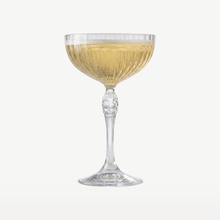
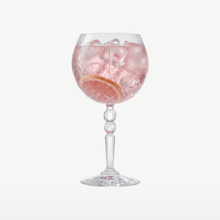
Pour red Rhône wine into a large red wine glass to give the fruit and spices room to breathe. Choose a tall, large bowl for Châteauneuf-du-Pape or Syrah, and a smaller glass for white and rosé. These are the glasses we recommend ourselves.


Everything else you wanted to know about Rhône wine
Can't find your question here? Read more about wine and food, or get in touch.
Wine and food pairing →What is Rhône wine?
What is the difference between the northern and southern Rhône?
What is a GSM blend?
What is the difference between Côtes du Rhône and Côtes du Rhône Villages?
How much alcohol is in Rhône wine?
What to eat with Côtes du Rhône?
Buy wine from the Rhône
Want the bottle delivered straight to your door? Order wine from the Rhône online at Gall & Gall. Gall & Gall has 81, including 2 on sale.
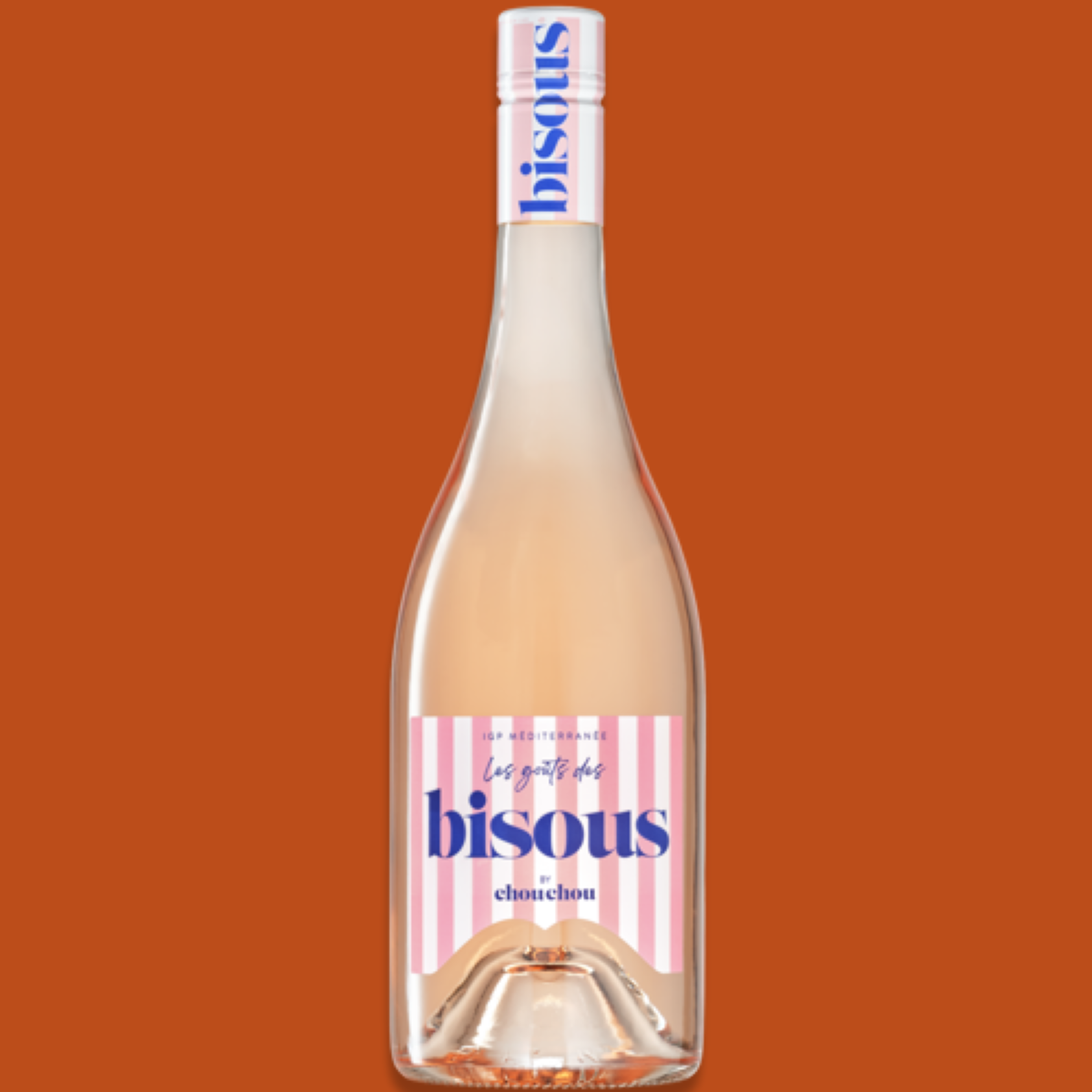
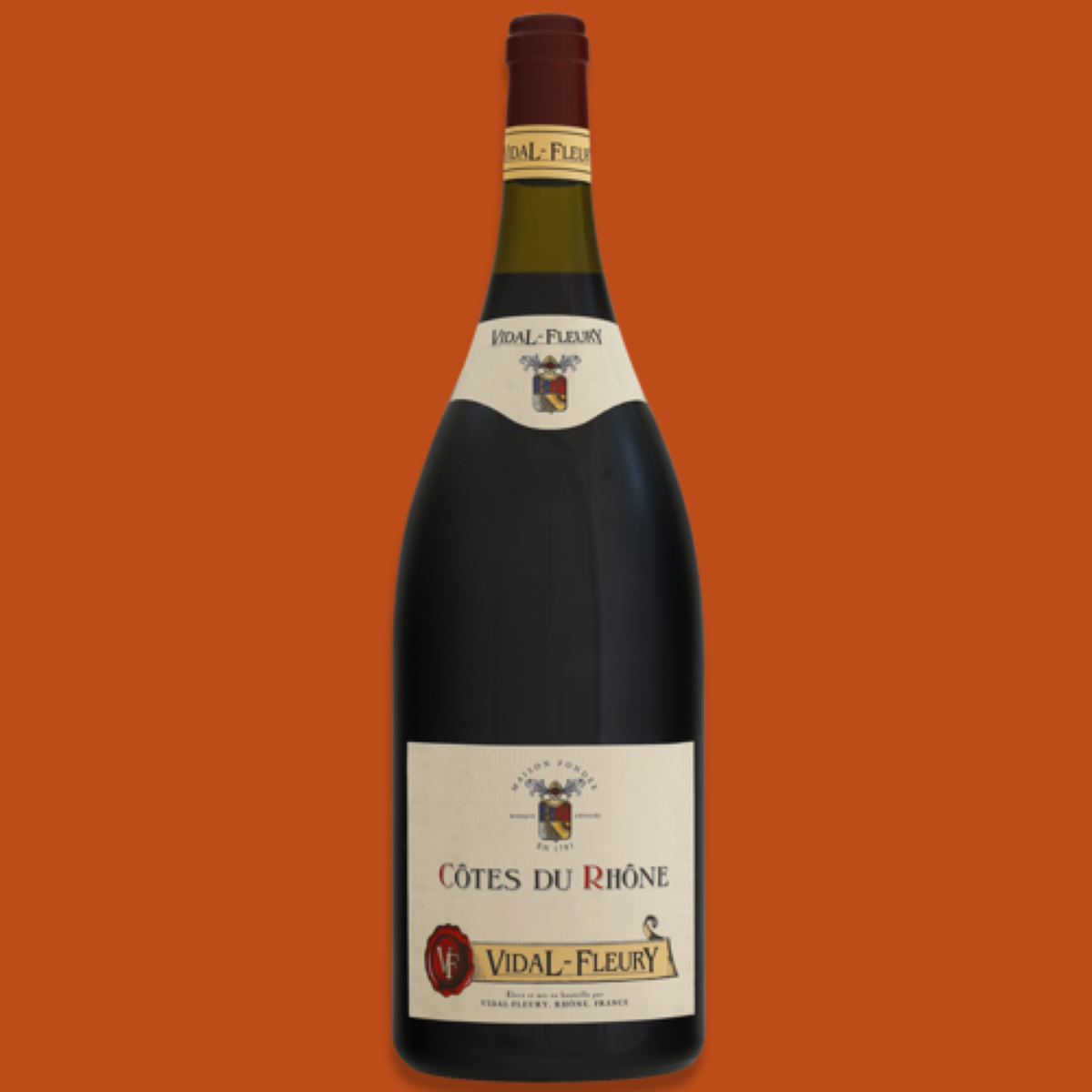
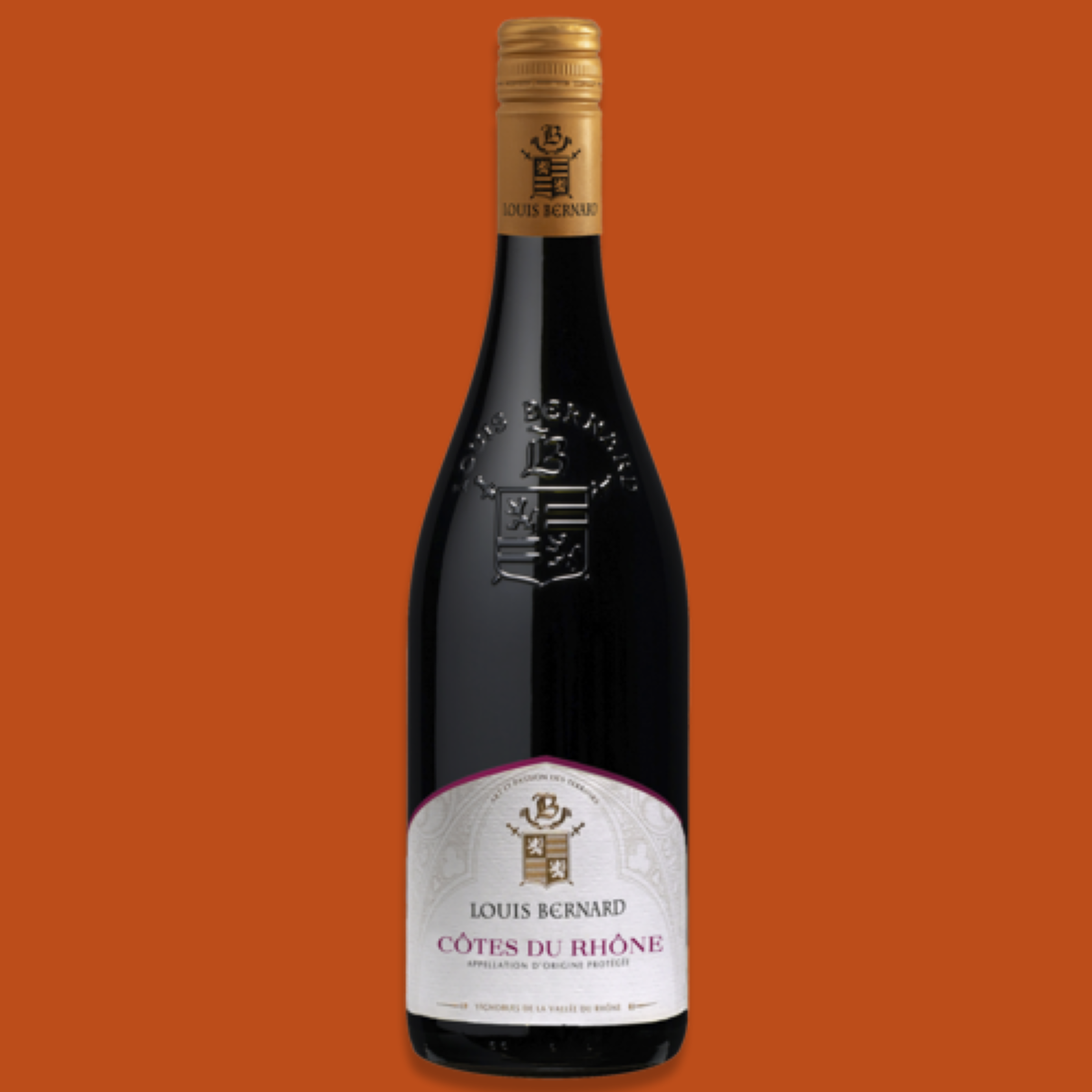
Louis Bernard Côtes du Rhône
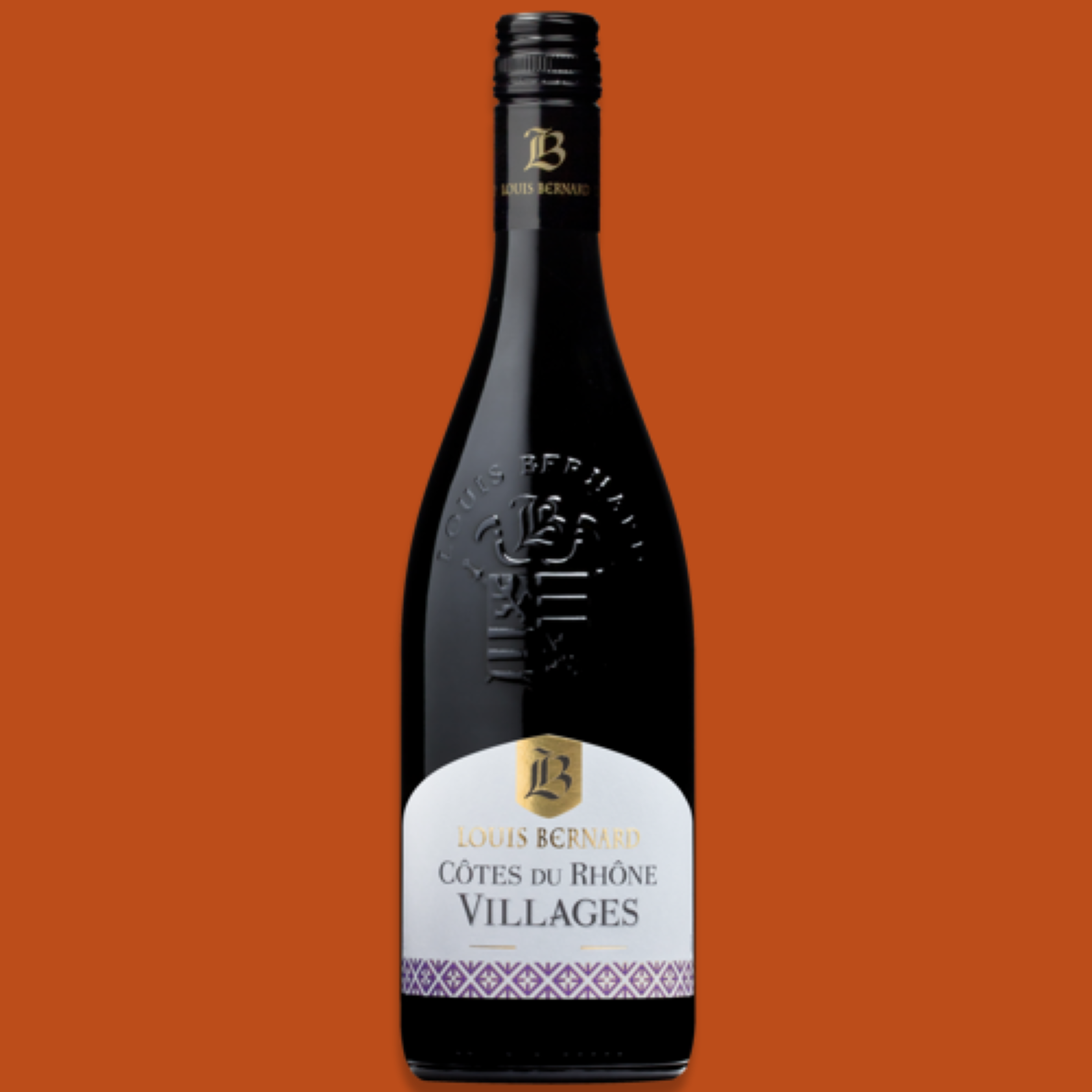
Louis Bernard Côtes du Rhône-Villages
Prices as of November 22, 2026, as provided by Gall & Gall. You can see the current price and stock at Gall & Gall. Glazen.nl receives a small commission if you buy something through these links; it costs you nothing extra. No 18, no alcohol.