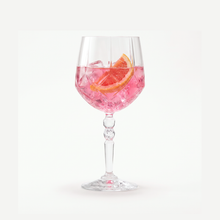
RCR Optiq Wine Glass 45 Cl - 6 Pieces

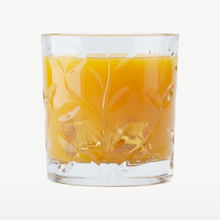
Stölzle Lausitz Power Wine Glass 40 Cl - 6 Pieces
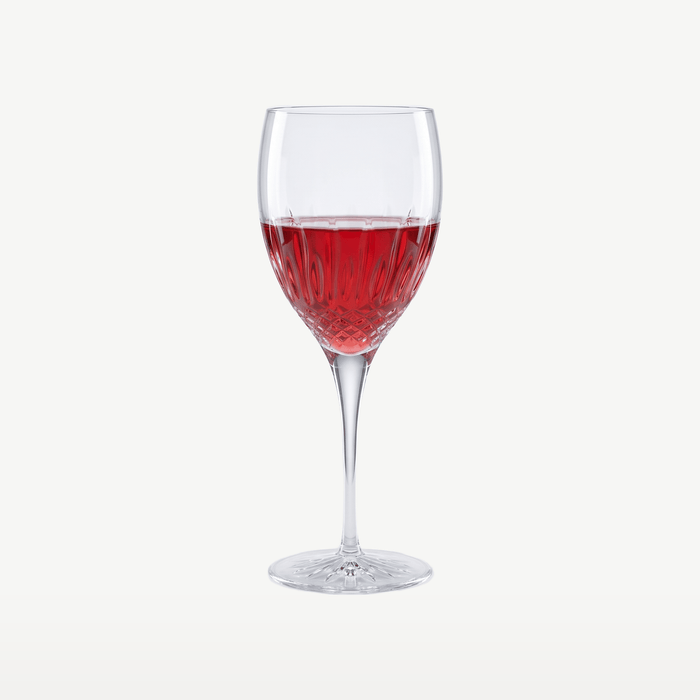
Luigi Bormioli Diamante Wine Glass 52 Cl Chianti - 4 Pieces

Luigi Bormioli Magnifico Medium Wine Glass 46 Cl - 4 Pieces

How to pour
a Ribera del Duero in
Put the bottle in the fridge for half an hour. A living room can easily reach twenty degrees or more, which is too warm for this wine: the alcohol will come to the fore and the fruit will get lost beneath it. At 16 to 18 degrees, the wine stays balanced.
Cut the capsule all the way around below the raised part of the neck and wipe the neck clean. Place the corkscrew in the center of the cork and turn it straight down. With a gran reserva that has been aged for years, the cork is softer, so pull it out slowly and straight upward.
A young, powerful Ribera del Duero benefits from decanting. Gently pour the bottle into a decanter and let it stand there for half an hour to an hour; this softens the tannins and brings out the dark fruit. For an older bottle with sediment, pour it slowly and in one go, with a lamp under the neck.
Pour about a third of the glass. You can swirl the wine in the space above, and with this style, it really makes a difference: the aroma opens up noticeably in the first few minutes. So it's better to top up with small pours than to fill the glass all at once.
What did you think of this guide?
Just click a star once. If you'd like to add a comment, we'll review it before it appears here.
Save this page
Send this page to your own inbox, so you'll have the information handy when it's time to pour. You'll also get a € 5 discount code for purchases over € 50, for the matching glasses.
The story
The Duero flows right through northern Spain and gives the region its name: Ribera del Duero means the banks of the Duero. The vineyards lie on a plain about eight hundred meters above sea level, sometimes a little lower along the river and sometimes well above it. Because of the altitude, it cools down sharply at night, even in midsummer, while temperatures can climb high during the day. This difference between day and night keeps the acidity in the grapes as the sugar increases, and makes the skins thicker. That's exactly where these wines get their color and structure.
The right glass
A Ribera del Duero is powerful and needs air, so choose a large bowl of sixty centiliters or more and pour only a third full. With so much space, you can swirl without spilling, and that contact with air is exactly what softens the tannins. There is no glass specifically sold as a Ribera glass in the range; the largest bowls among the large wine glasses are the closest match. If you're decanting a young bottle, also take a look at the decanters.

RCR Essential Wine Glass 65 cl (6 pieces)

Stölzle Lausitz Classic Wine Glass 65 cl (6 pieces)
Both sets together € 88,90.
The right tools
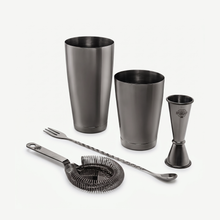
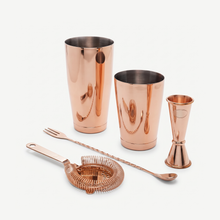
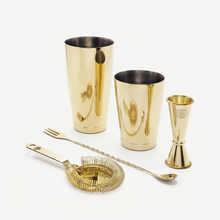
For Ribera del Duero, alongside the glass you mainly need a corkscrew and a decanter for a young bottle. The bar tools below only come into play when red wine goes into a sangria: a bar spoon to stir the pitcher and a muddler to muddle the fruit. These are the bar tools we use ourselves; find everything in our bar tools & cocktail sets.


Glass set (our choice 01) + 2 bar tools together € 78,85.
What do you serve alongside it?
A bottle from Ribera del Duero is a wine for the main course, so there’s usually more on the table. These are the wines that come before and after it, from a glass of cava beforehand to champagne with dessert. On each drinks page, you’ll find the alcohol percentage, how it tastes, which cocktails go with it and which glass you need.


Variations & twists
The aging designations are the same as in the rest of Spain. Joven means young and has spent little or no time in oak, and in this region you’ll also often see roble on the label for a wine aged briefly in oak. Crianza, reserva and gran reserva are aged for at least two, three and five years in total before going on sale, with a set portion of that time in barrels and the rest in the bottle. The exact periods are set for each DO and may be stricter than the Spanish minimum. Want to read more? See all drinks and brands.
Serving tip
Serve at 16 to 18 degrees, and let a young bottle breathe in a decanter for half an hour first. These wines look their best alongside roast lamb, a rack of ribs from the grill, or a beef stew with peppers. If there’s any left, put a stopper in the bottle and chill it, then pour it the next day; with a full-bodied Ribera, that’s often more of a plus than a loss.
Good to know
The difference from Rioja
Rioja lies lower down, in the Ebro Valley, and still receives some Atlantic influence in the west. Ribera del Duero lies on the Castilian plateau, farther from the sea and a few hundred meters higher. As a result, days are hotter, nights colder, and the growing season shorter. The result is generally deeper color, more tannin, and a more structured wine. It’s a difference in style and landscape, not quality: both regions produce wines at every level.
The barrel-aging traditions differ too
Spanish wine aged in American oak is recognizable by notes of vanilla, coconut, and sometimes dill, a style traditionally associated with Rioja. Ribera del Duero uses relatively high amounts of French oak, which tends to impart spice and a firmer structure rather than sweet vanilla notes. That’s a tradition, not a rule: winemakers in both regions use both types, and many wines are aged in a blend of the two.
Tinto fino is simply tempranillo
Tinto fino and tinta del país are the names used for tempranillo in this region. They’re the same grape, although the vines have adapted to the local climate over time and the bunches are often smaller. In addition to tinto fino, smaller proportions of cabernet sauvignon, merlot, malbec, and garnacha are also allowed in red wines from the DO.
Elevation and the difference between day and night
At 800 meters, the air is thinner and cools more quickly at night. The grapes get plenty of sunshine during the day and build up sugar, while losing much less acidity during the cool night than in a warm region at sea level. Also, the intense sunlight at that elevation makes the skins thicker, and that’s where the color and tannins are found. Together, these factors explain why these wines are so dark and full-bodied.
How much alcohol it contains
A Ribera del Duero usually has roughly 13.5 to 15 percent alcohol. That’s slightly higher on average than a Rioja, because the grapes can ripen fully in the abundant sunshine and large day-to-night temperature swings. The alcohol percentage is always shown on the label.
Frequently asked questions
What’s the difference between Ribera del Duero and Rioja?
Mainly elevation and climate. Ribera del Duero lies on a plateau at around 800 meters, with hot days and cold nights, while Rioja is lower down in the Ebro Valley and has Atlantic influence in the west. As a result, Ribera wines are generally darker, more powerful, and more structured. There’s also a slightly different aging tradition: Rioja has traditionally relied more on American oak, Ribera more on French oak. It’s a difference in style, not quality.
Which grape is used in Ribera del Duero?
Tinto fino, the local name for tempranillo, is also known here as tinta del país. It’s the main grape and the only one in many bottles. Smaller proportions of cabernet sauvignon, merlot, malbec, and garnacha are also allowed in red wines from this DO.
At what temperature and in what glass should you serve Ribera del Duero?
Between 16 and 18 degrees, in a large bowl-shaped glass of sixty centiliters or more, filled only a third of the way. Half an hour in the fridge brings a bottle from a warm room to the right temperature, and the space in the glass gives you room to swirl it.
Should you decant Ribera del Duero?
With a young, powerful bottle, it helps to decant it for half an hour to an hour: this softens the tannins and brings out the dark fruit. With an old gran reserva, do it only to leave the sediment behind, then pour slowly and in one go.
Also delicious
Buy Ribera del Duero
Want the bottle delivered right away? Order Ribera del Duero online from Gall & Gall. Gall & Gall has 12, one of which is on sale.
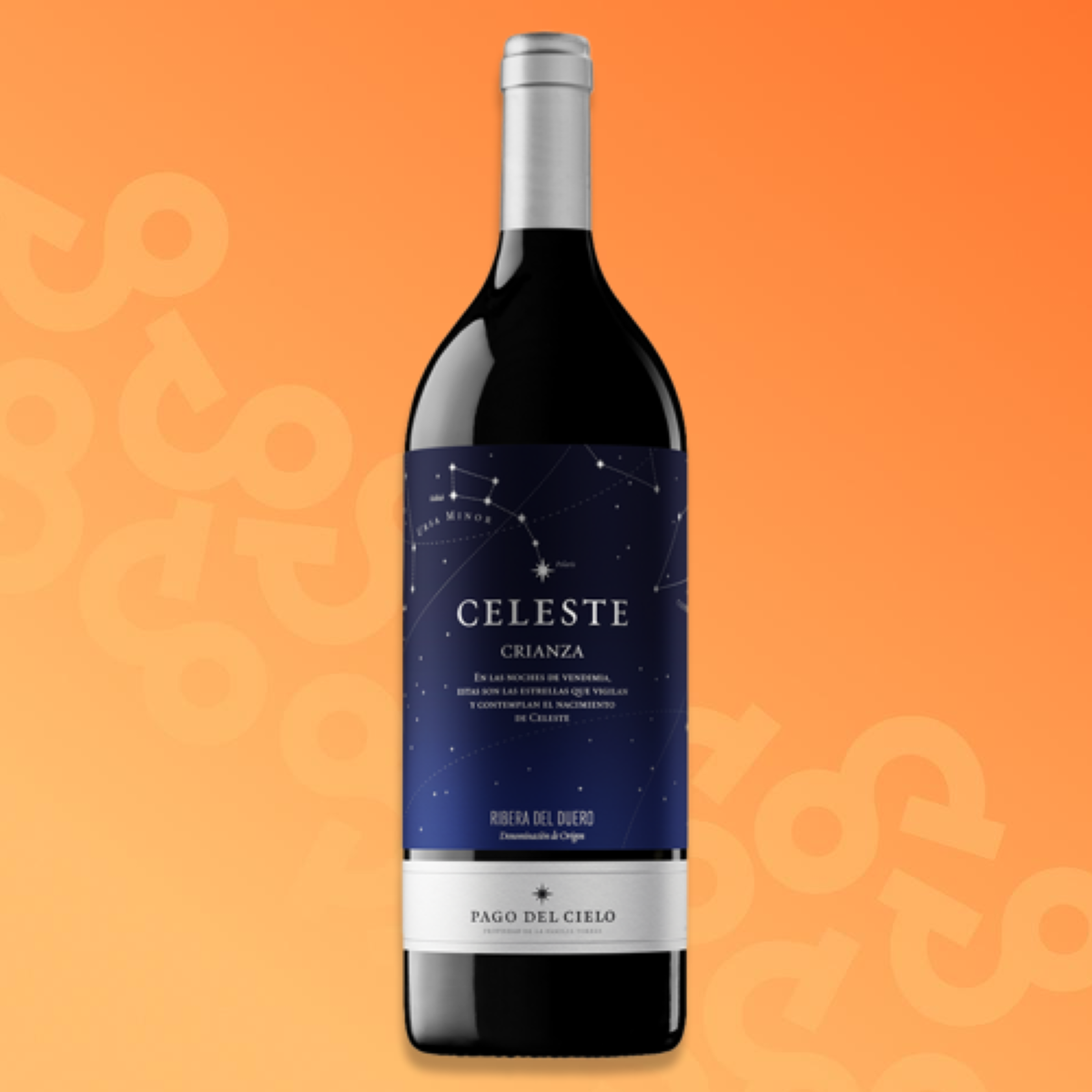
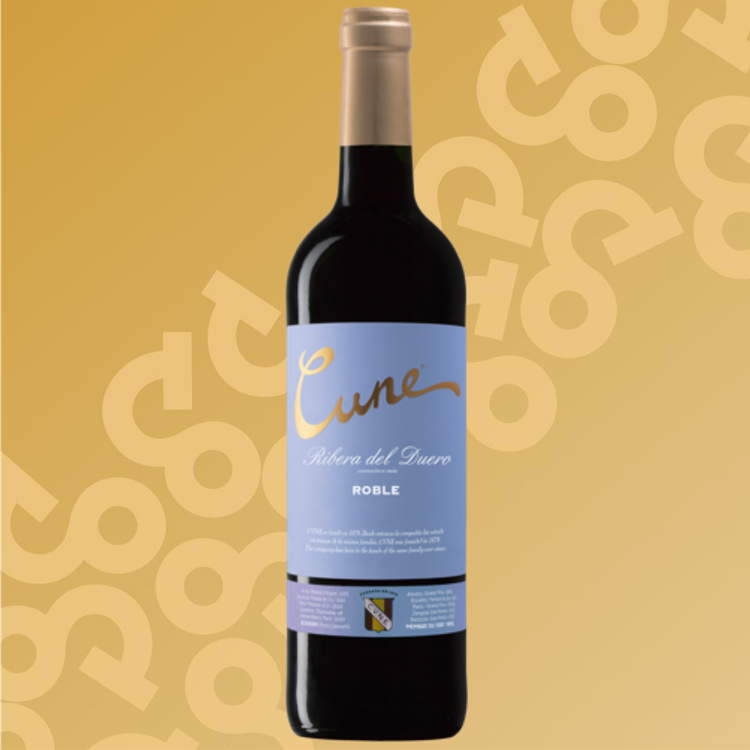
Cune Ribera Del Duero Roble
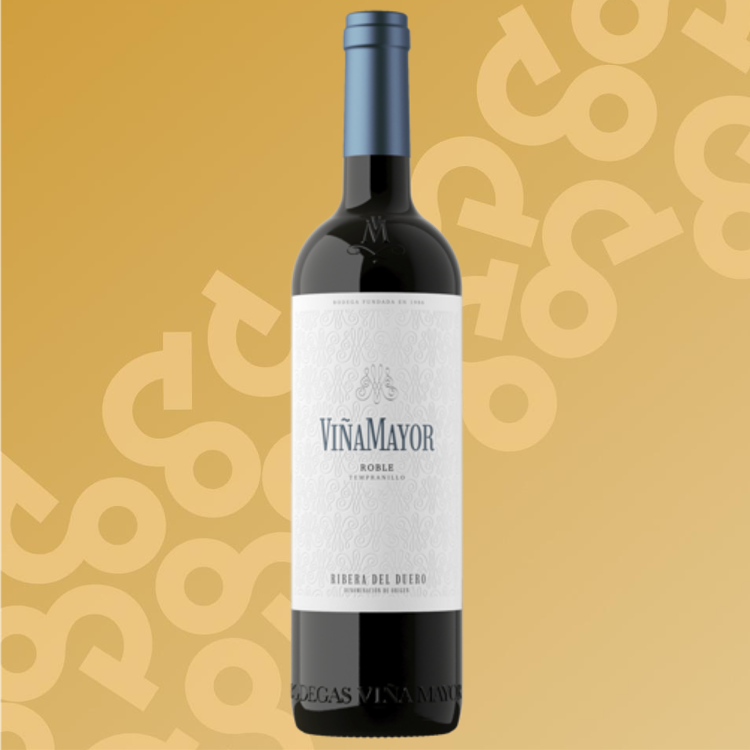
Viña Mayor Ribera Del Duero Tinto Roble
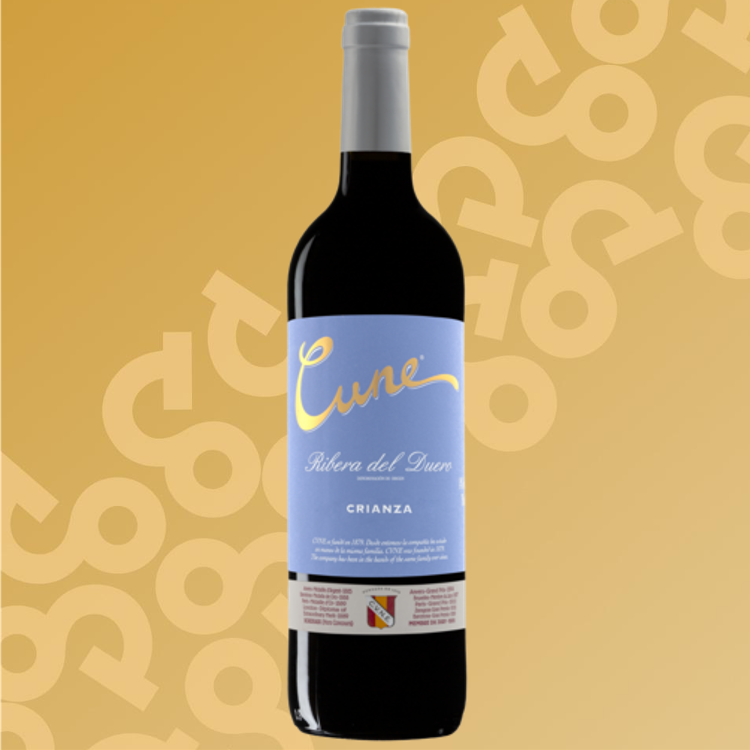
Cune Ribera Del Duero Crianza
Prices as of November 18, 2026, as provided by Gall & Gall. You can see the current price and stock at Gall & Gall. Glazen.nl receives a small commission if you buy something through these links; you pay nothing extra. No alcohol under 18.
Everything for your bar,
at one address
Hospitality-grade glasses, sold in sets. Order today, delivered quickly.
Shop the glasses →