Spanish wine
Spain is one of the largest wine-producing countries in the world. It is best known for red wine made from tempranillo in Rioja and Ribera del Duero, often aged in oak barrels. It also produces fresh white wine in Rueda and Galicia, rosado in Navarra, cava in Catalonia and sherry in the south.


Spain’s most important wines and regions
We have a dedicated page about Spain’s best-known regions, grapes and wineries. Find them all here.

Rioja
Spain’s best-known wine, with the differences between crianza, reserva and gran reserva explained.
About Rioja →
Ribera del Duero
Darker and more powerful than Rioja, made from tempranillo grown at high altitude.
About Ribera del Duero →
Verdejo
The white grape of Rueda, used to make fresh wine with tropical fruit and a hint of spice.
About verdejo →
Albariño
Crisp, fresh and lightly saline white wine from Galicia, made for fish and shellfish.
About albariño →
Cava
Spanish sparkling wine, made like Champagne with a second fermentation in the bottle.
About cava →

From bone-dry fino to sweet Pedro Ximénez: fortified wine from southern Spain has a page of its own.
Sun, high plains and oak
Spain has a vast area of vineyards, from the green Atlantic coast in the northwest to the hot inland plains. Many of the best red wines come from high-altitude regions in the north, where warm days and cool nights produce ripe fruit with freshness. The main grape is tempranillo, called tinta del país in Ribera del Duero and tinta de Toro in Toro. Garnacha is also important; it is known as grenache in France. Other varieties include monastrell, mencía and graciano. For white wines, verdejo, albariño and viura (macabeo) are the best known.
A hallmark of Spanish wine is the long aging of red wine in oak, traditionally often American oak in Rioja, which imparts notes of vanilla and coconut. The label shows how long a wine has aged. A joven is young and fruity, with little or no oak. A crianza has aged for at least two years, some of which is in barrel. A reserva ages longer, and a gran reserva the longest, with several years in barrel and bottle. Each region has its own rules. Roble means oak and denotes a short period of oak aging. The protected designation of origin is called DO; Rioja and Priorat have the higher DOCa status. Cava is made mainly in Catalonia, and sherry comes from the region around Jerez in Andalusia.
In brief
Seven bottles, from cava to reserva
Three tempranillos with progressively longer oak aging, followed by two fresh white wines, a rosado, and cava.
Cune Rioja Crianza
85% tempranillo, blended with garnacha and mazuelo, aged for twelve months in oak. Dark fruit with a hint of vanilla.
Ondarre Rioja Reserva
Aged for one year in oak barrels and then further in the bodega. Full-flavored, with notes of vanilla.
Cune Ribera del Duero Roble
Tempranillo from high-altitude vineyards with a large difference between day and night temperatures, briefly aged in oak.
Marqués de Riscal Rueda Verdejo
Fresh verdejo from Rueda, bursting with tropical fruit. A great example of the region's style.
Torres Pazo das Bruxas
Albariño from Galicia. Crisp and fresh, with lemon, fennel, and white flowers.
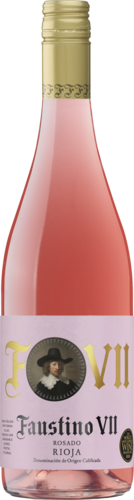
Faustino VII Rosado
Rosé made from 100% tempranillo. Very fruity, with strawberry, cherries, and red berries.
Cune Cava
A dry cava that, like champagne, undergoes a second fermentation in the bottle. Fresh and lively.
Want to know exactly what the difference is between crianza, reserva, and gran reserva? Find out on our Rioja page.
Ripe fruit, vanilla, and spices
Cherries & vanilla
Spanish red wine smells of red and black cherries, plums, and berries. Oak aging adds vanilla, coconut, tobacco, and sweet spices. The longer the aging, the more leather, dried fruit, and cigar box notes emerge.
Soft and round
A joven is juicy and fruity. Crianza and reserva are rounder and smoother, with supple tannins. Ribera del Duero is usually bolder and darker than Rioja.
Warm and spicy
The finish is often warm, with vanilla and spices. White Verdejo and Albariño, on the other hand, finish fresh, with citrus and sometimes a briny or slightly bitter edge.
Flavor profile of a typical Rioja crianza. A Ribera del Duero or gran reserva scores higher in intensity, while Verdejo and Albariño score much higher in freshness.
How to serve Spanish wine
Red just below room temperature, aged wine with some air, white, rosado, and cava well chilled.
Red at 16 to 18 degrees
Serve a joven slightly cooler, at around 15 to 16 degrees, to keep it fresh and fruity. Serve crianza, reserva, and Ribera del Duero at 16 to 18 degrees. In a warm room, put the bottle in the fridge for 15 minutes first.
More about wine temperature →Let it breathe
A bold Ribera del Duero or a young reserva benefits from half an hour in a decanter. An old gran reserva is more delicate: stand the bottle upright a day in advance so the sediment settles, then carefully decant it just before drinking.
Decanters →Chill white, rosado, and cava
Serve Verdejo, Albariño, and rosado at 8 to 10 degrees. An oak-aged white Rioja can be served slightly warmer. Serve Cava at 6 to 8 degrees; 15 minutes in an ice-and-water bucket is enough.
More about decanting →Spanish wine at the table
In Spain, wine is enjoyed with tapas, and almost any Spanish wine pairs well with them. For a full meal, choose a wine to match the dish's intensity.
Tapas and cured meats
A joven or crianza is delicious with chorizo, jamón, Manchego, albóndigas, and patatas bravas. It also goes well with a hamburger or pizza.
Lamb and beef
Reserva, gran reserva, and Ribera del Duero pair well with roast lamb, lamb chops, stews, and a hearty steak. Aged Manchego is a classic cheese pairing.
Fish and seafood
Fresh Spanish white wine pairs well with gambas al ajillo, grilled fish, squid, mussels, and seafood paella. Albariño is a classic pairing for Galician octopus.
Aperitifs and summer dishes
Rosado is delicious with salads, paella, and barbecue. Cava makes a good aperitif and pairs well with fried snacks such as croquettes and calamari.
The right glass for Spanish wine
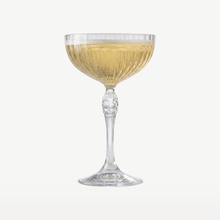
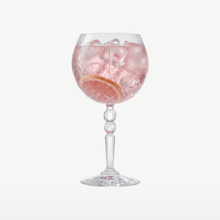
For Rioja and other red wines, choose a spacious red wine glass; for a powerful Ribera del Duero or Gran Reserva, a tall, large bowl. Drink white wine and rosado from a smaller glass, and Cava from a flute or tulip glass. These are the glasses we recommend ourselves.


Everything you still wanted to know about Spanish wine
Is your question not listed? Read more about wine and food, or get in touch.
Wine and food pairing →What are the best-known Spanish wine regions?
What is the difference between Crianza, Reserva, and Gran Reserva?
Which grapes are used in Spain?
How much alcohol does Spanish wine contain?
What is the difference between Rioja and Ribera del Duero?
What do you eat with Spanish wine?
Buy Spanish wine
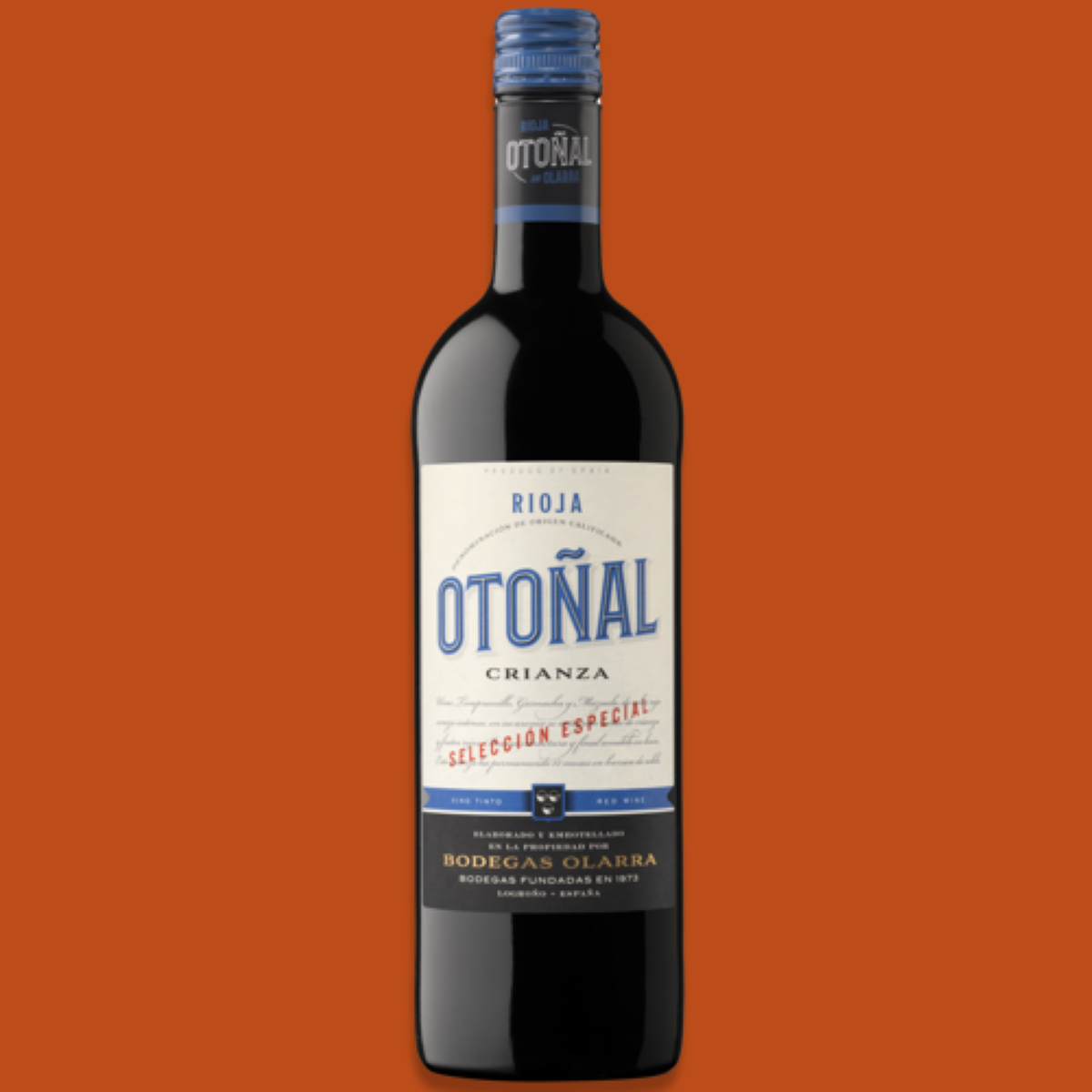
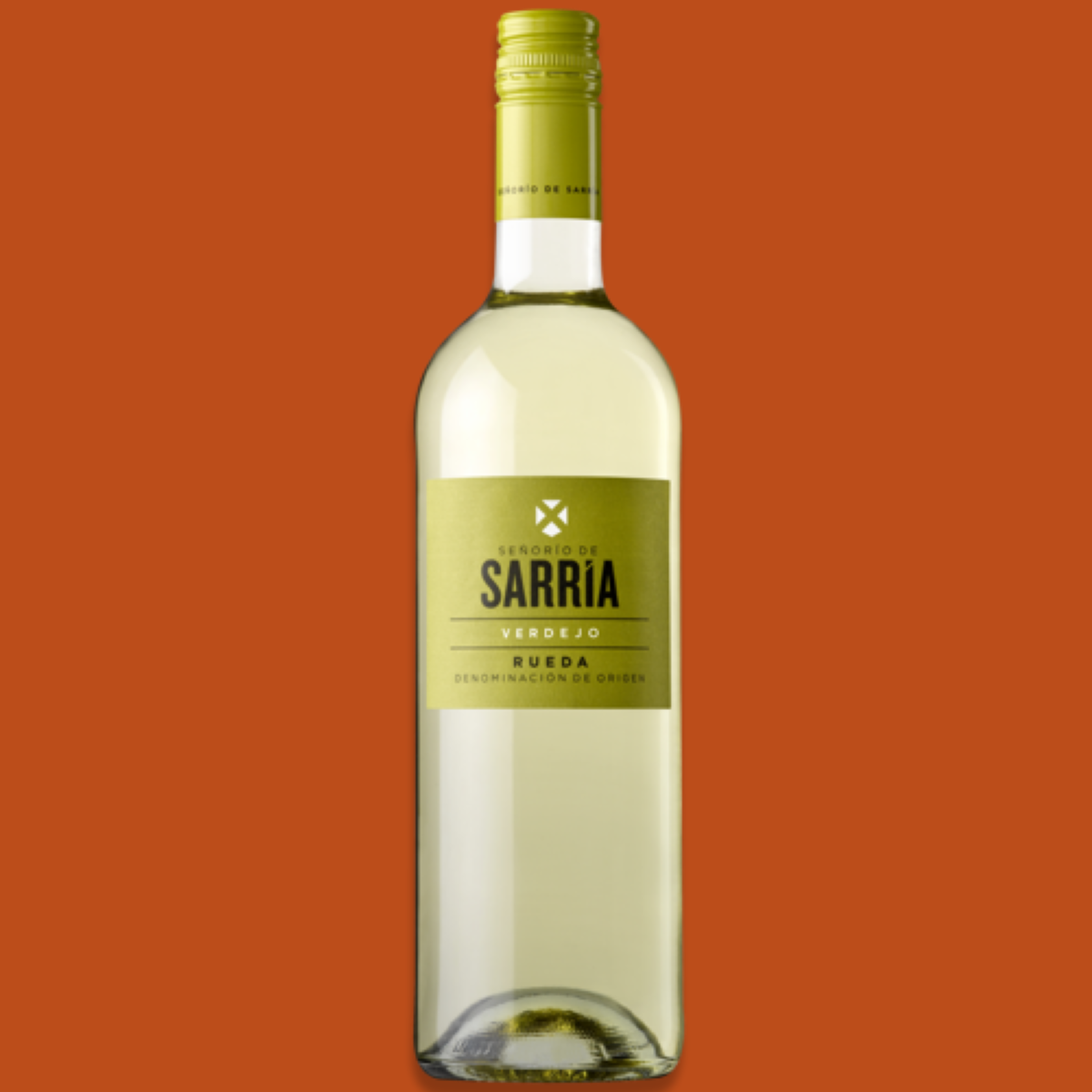
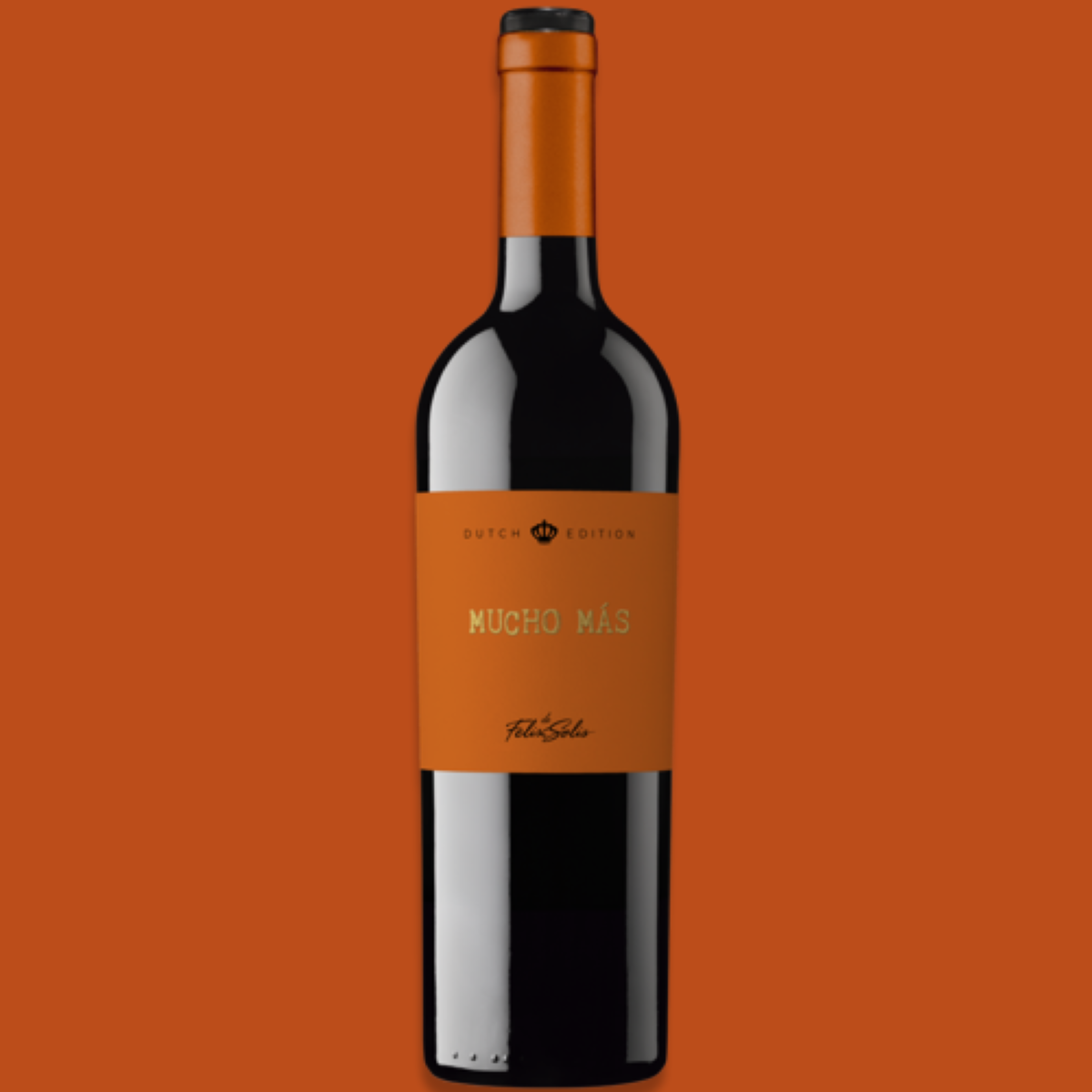
Want the bottle delivered right away? Order Spanish wine online from Gall & Gall. Gall & Gall has 215 options, 25 of which are on sale.
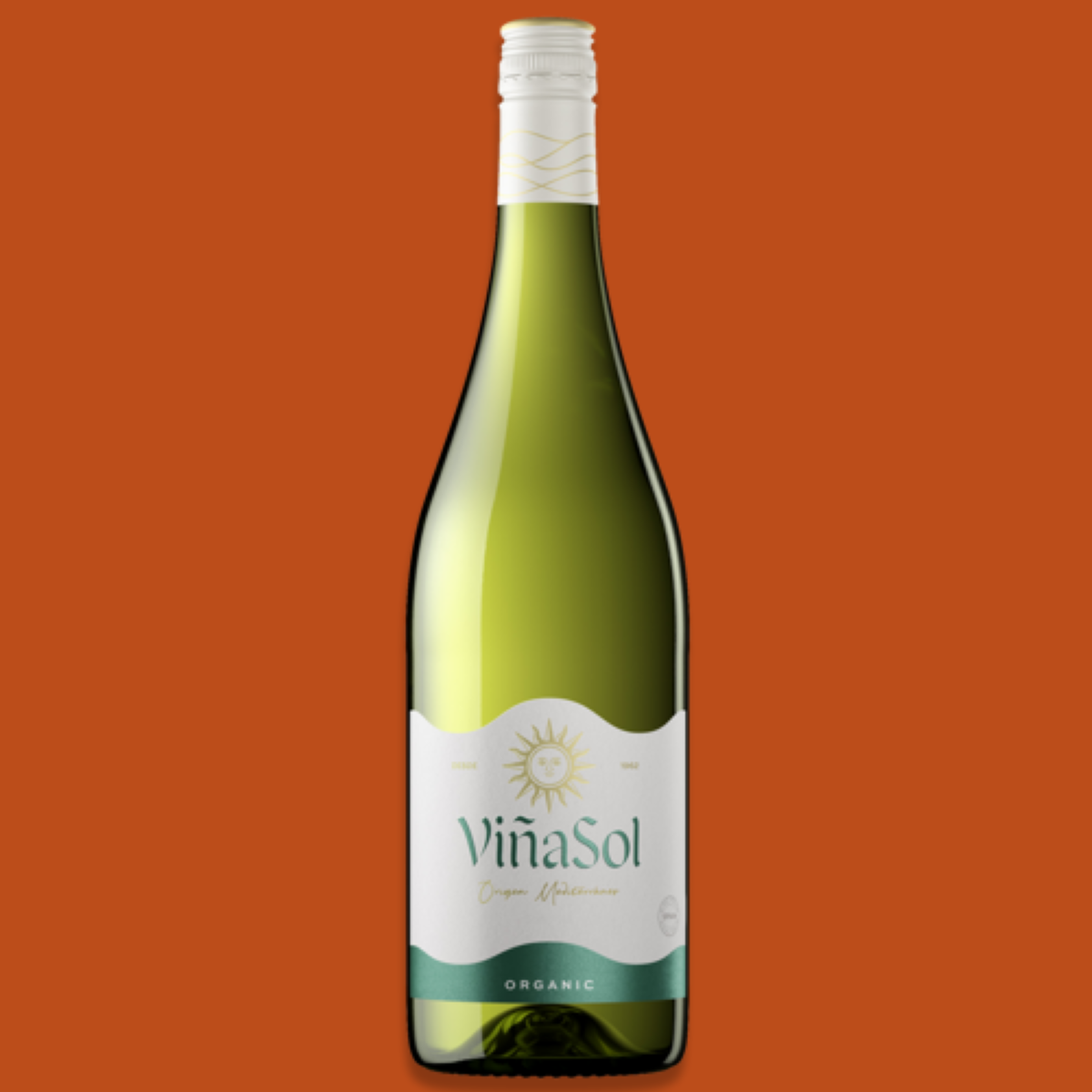
Torres Viña Sol Organic
Prices as of November 21, 2026, as provided by Gall & Gall. You can see the current price and stock at Gall & Gall. Glazen.nl receives a small commission if you buy something through these links; you pay nothing extra. No 18, no alcohol.