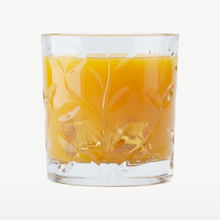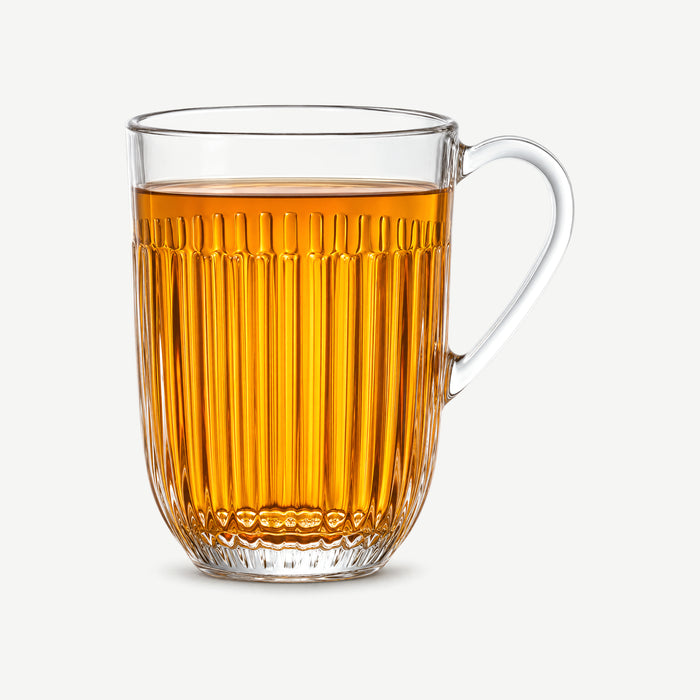
La Rochère Ouessant Tea Glass 36 Cl - 6 Pieces
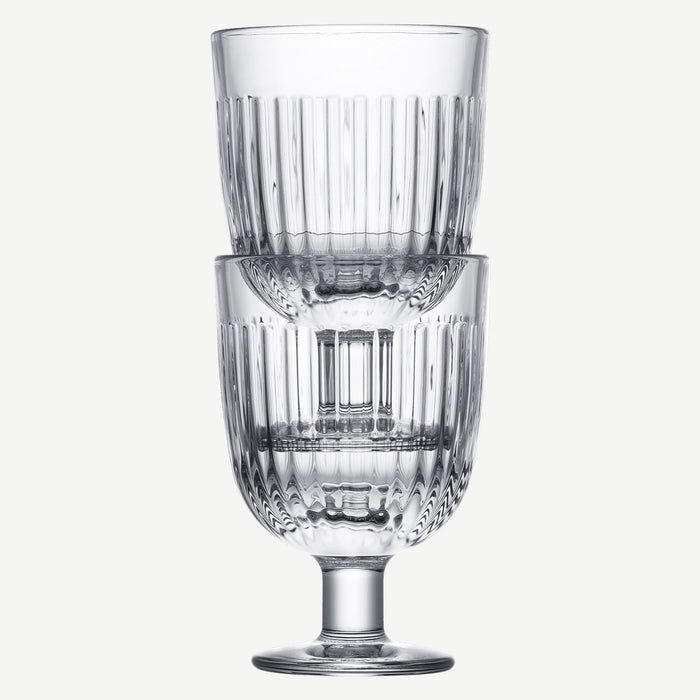
La Rochère Ouessant Stackable Wine Glass 22 Cl - 6 Pieces
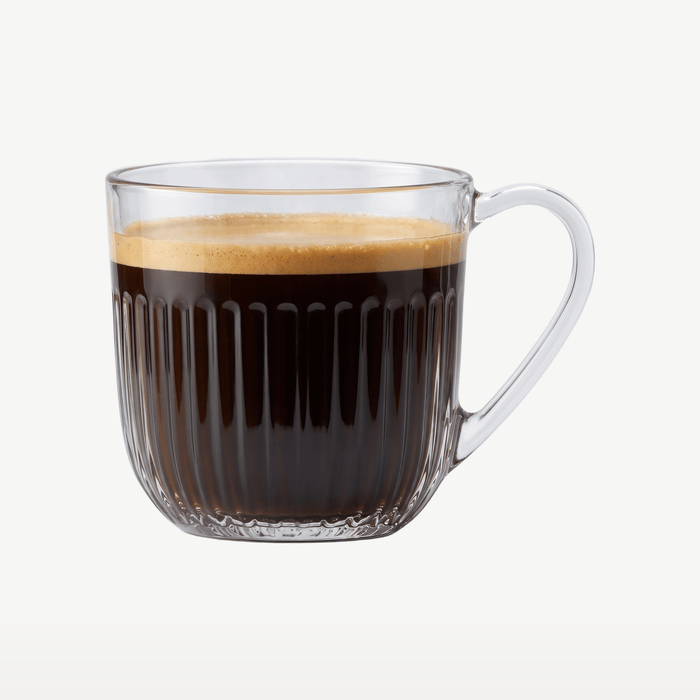
La Rochère Ouessant Coffee Glass 25 Cl - 6 Pieces
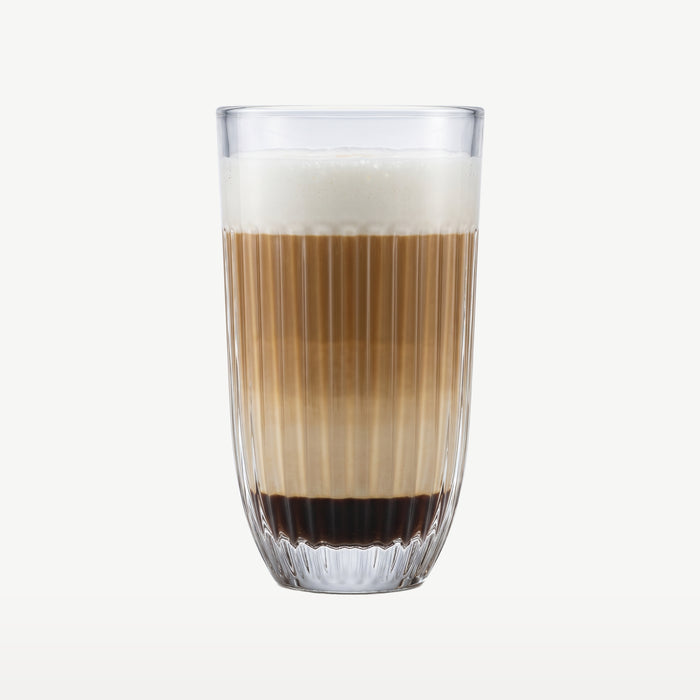
La Rochère Ouessant Latte Macchiato Glass 43 Cl - 6 Pieces

The Tapenade Recipe
for your table
Drain the olives and capers well and pat them dry; otherwise, the brine will thin the paste. Roughly chop them with the anchovies and garlic on a board using a large knife, and stop as soon as you can still recognize the olives.
If you want it faster, pulse in the food processor in short bursts of about a second, scraping down the bowl in between. If you just let it run, the oil will break through the olives, giving you a dark, smooth spread instead of a coarse paste.
Stir in the olive oil with a few drops of lemon juice, until the paste is glossy and holds together when you run a spoon through it. Don’t add salt: the olives, anchovies, and capers are already more than enough.
Grind black pepper over it, cover the bowl, and leave the tapenade in the fridge for at least an hour so the garlic flavor can spread throughout. Then spoon it into small glasses or spread it on toasted bread.
What did you think of this recipe?
One click on a star is all it takes. If you’d like to add a comment, we’ll review it before it appears here.
Save this recipe
Send the tapenade recipe to your own email so you’ll have it handy when you’re ready to make it. You’ll also get a € 5 discount code on orders from € 50, for the glasses that go with it.
The story
Tapenade is from Provence, where it is served on toasted bread with aperitifs and was traditionally made in a mortar. Its name reveals that capers aren’t just thrown in: tapeno is the Provençal word for caper, so it’s the caper that gave the dish its name, not the olive. Anchovies are also part of the classic version and bring the saltiness. All together, that makes tapenade one of the few things on a drinks platter that really needs nothing added to it, least of all salt.
The right glass
Tapenade is so concentrated that a teaspoon per guest is already plenty, which makes the smallest glass here the right choice. A square mini appetizer dish of about 5 centiliters is exactly the right portion, and because it has straight sides, you can stand a strip of toasted bread or an olive pick upright in it. Any leftovers go into a sealable jar of about 7 centiliters with a glass lid: pour a layer of olive oil over the top and you can enjoy it all week. Glass works better than plastic here because it doesn’t retain the smell of garlic and anchovies. Find more small sizes in the La Rochère Ouessant collection.

La Rochère Kube Mini Appetizer Dish 5 cl (6 pieces)

La Rochere butter dish with lid, 7 cl Ouessant (1 piece)
Both sets together € 28,30.
The right tools
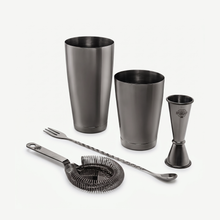
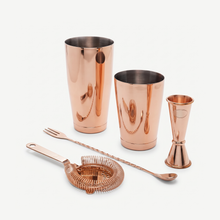
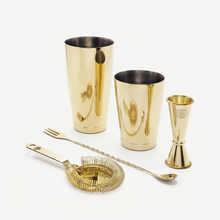
To serve tapenade, besides the glass you really only need a large knife and a board; among the bar tools, a citrus juicer helps with a few drops of lemon juice, and cocktail picks let you put an olive on the glass. These are the bar tools we use ourselves; you can find everything in our bar tools & cocktail sets.


Glass set (our pick 01) + 2 bar tools together € 61,85.
What to pour with it?
Tapenade is salty and bitter, and the flavor lingers, so you’ll want something dry alongside it. The olive naturally brings you to the martini, and therefore to gin or vodka, with Tanqueray as a familiar bottle. At the table, a dry rosé, a glass of champagne, and a not-too-heavy red wine work just as well. On each drinks page, you can read about the alcohol percentage, what it tastes like, which cocktails go with it, and which glass you’ll need.


Variations & twists
Make the green version with green olives, a handful of sliced almonds, and fresh basil; it’s milder and pairs better with fish. You can also leave out the anchovies for anyone who doesn’t eat them, but add a few extra capers and a splash more lemon juice, or the paste will lack its salty edge. A few sun-dried tomatoes make it sweeter and a deeper red, while half a teaspoon of mustard helps bind everything together. Looking for more inspiration? Browse more than 100 cocktail recipes.
Serving tip
Take the tapenade out of the refrigerator twenty minutes before serving, because olive oil is stiff when cold and you won’t taste much of it. Toast slices of baguette and spread a thin layer on top, or spoon it into small glasses with a strip of toast standing upright in each. Store any leftovers in a sealed jar under a layer of olive oil, and they’ll keep for the rest of the week.
Good to know
Where does the name tapenade come from?
From tapeno, the Provençal word for caper. That also answers the question of whether capers belong in it: without capers, it’s just olive paste, however delicious it may be. So it’s the caper, not the olive, that gave the dish its name, even though olives make up the bulk of it by weight.
Chop by hand or use a food processor?
With a large knife on a chopping board, you stay in control and can stop precisely when the olive is still recognizably an olive. A food processor is faster, but use only short bursts of about a second; if you let it run continuously, the oil coats the olives and you end up with a dark, smooth paste without any texture. Hand-chopping makes the tapenade coarser and therefore more recognizable.
Why doesn’t it need any salt?
Olives are stored in brine, capers are stored in brine or salt, and anchovies are salted fish. All three bring salt, and together they’re more than enough. Always taste before adding anything; if your olives are very salty, rinse them briefly and pat them dry.
Can tapenade be made without anchovies?
Yes, and then it’s also suitable for people who don’t eat fish. You will miss the salty, savory depth the anchovies add, so use a few extra capers and a little more lemon juice. A small amount of mustard also helps hold everything together.
How long does tapenade keep?
In a sealed jar in the refrigerator, with a layer of olive oil on top, for about a week. That layer keeps the air out and the surface soft. Scoop it out with a clean spoon and smooth the surface again afterward, so the oil stays neatly on top.
Frequently asked questions
Where does the name tapenade come from?
From tapeno, the Provençal word for caper. So the capers give the dish its name, even though olives are the main ingredient by quantity. Make it without capers and you have olive paste, not tapenade.
Does tapenade need anchovies?
The classic version does; it adds saltiness and a savory depth that would otherwise be missing. You can leave it out, for example if you don't eat fish, but add a few extra capers and a little more lemon juice to make up the difference.
Why don't you add salt to tapenade?
Because the three main ingredients already bring plenty: olives in brine, capers in brine or salt, and salted anchovies. Extra salt quickly makes the paste inedible. Taste it first, and rinse the olives if they are very salty.
How long does tapenade keep in the fridge?
About a week, in a sealed jar with a layer of olive oil over the surface. The oil keeps air out. Always use a clean spoon and smooth the surface afterward so the oil forms a seal again.
Also delicious
Everything for your bar,
to one address
Commercial-quality glasses, sold as a set. Order today, delivered quickly.
Shop the glasses →