RCR Opera Shot Glass 6 Cl - 6 Pieces

La Rochère Shot Glasses 6 Cl Assorted - 4 Pieces
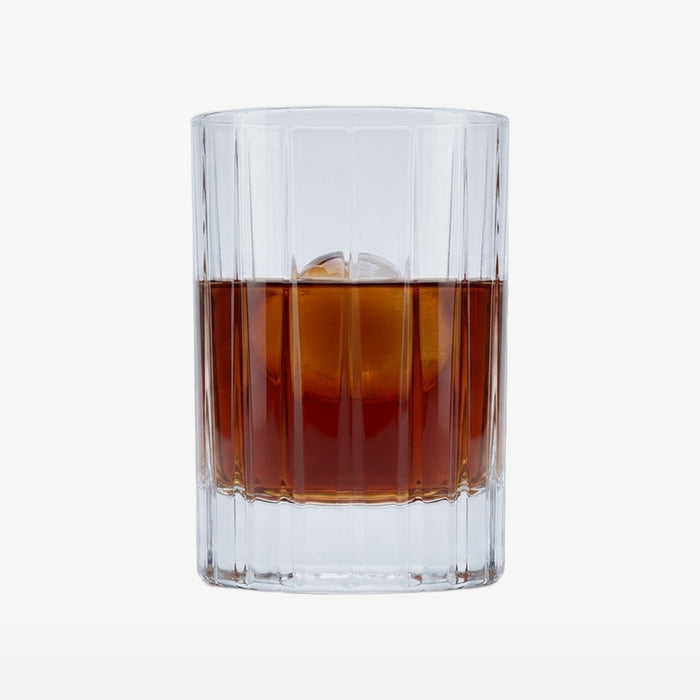
Luigi Bormioli Bach Liqueur Glass 7 Cl - 4 Pieces
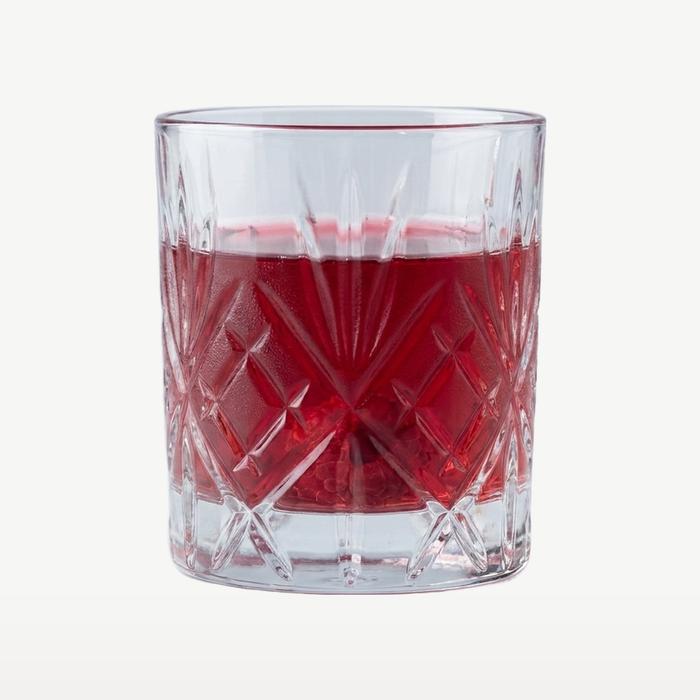
RCR Melodia Shot Glass 8 Cl - 6 Pieces

The tuna tartare recipe
for your table
Pat the tuna dry and cut it into roughly one-centimeter cubes with a sharp knife. Tuna is firmer and leaner than salmon, so the cubes can be larger: they stay separate and you can still feel the fish.
Toast the sesame seeds in a dry pan for half a minute, until fragrant and just beginning to color, then immediately transfer them to a cold plate. Leaving them in the warm pan is enough to make them bitter.
Mix the soy sauce with a few drops of sesame oil, lime juice, grated ginger, and spring onion. Add the soy sauce sparingly: just half a tablespoon too much and all you'll taste is salt, while tuna itself has a fairly mild flavor.
Spoon the avocado into the bottom of the glass, mix the tuna with the dressing five minutes before serving, and spoon it on top. Sprinkle over the sesame seeds and serve the glass immediately.
What did you think of this recipe?
Just click a star once. If you add a comment, we'll review it before it's posted here.
Save this recipe
Send the tuna tartare recipe to your own email so you have it handy when you're ready to make it. You'll also receive a €5 discount code on purchases of €50 or more, for the glasses that go with it.
The story
Tuna is an outlier among fish: its flesh is deep red, firm, and almost fat-free, making it more comparable to beef than salmon in the kitchen. As a result, it doesn't fall apart when raw, and you can cut it into larger pieces. That same leanness also makes it delicate. Salt and acid draw moisture out of the flesh and cause the proteins to tighten, and because there is little fat to counteract this, tuna tartare that has been sitting for half an hour feels tough and dry. So the dressing is there for flavor, not to marinate the tuna, and is added shortly before serving.
The right glass
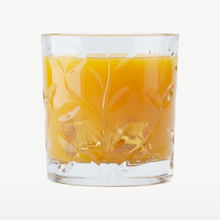
This dish has two layers, and that's what the glass is for: avocado on the bottom, tuna on top, and along the side you can see exactly where one layer ends and the other begins. A tall, narrow glass with straight sides and a flat bottom works best. Ten centiliters is a comfortable size for a bite that takes a few mouthfuls, and the tuna is displayed upright rather than spread across a plate. If you want to turn it into a proper starter, a wide, shallow footed bowl works better, because you can spread the tuna out in a single layer and use a wider spoon. Find even smaller sizes in the aperitif glasses.

Arcoroc Islande 10 cl Tubo shot glasses (6 pieces)

La Rochere Coupelle 18 cl Alice (6 pieces)
Both sets together € 39,90.
The right tools
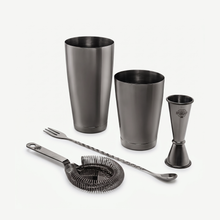
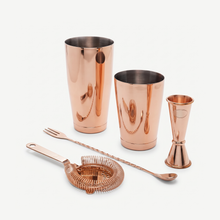
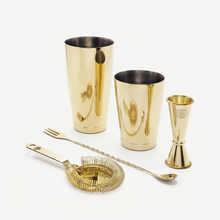
For tuna tartare, along with the glass, use a thirty-centimeter bar spoon to layer the ingredients all the way to the bottom of the glass, and a zester for the ginger and lime zest. These are the bar tools we use ourselves; find them all in our bar tools & cocktail sets.


Glass set (our pick 01) + 2 bar tools together € 42,85.
What to serve with it?
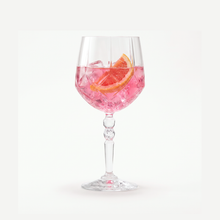
Soy sauce, sesame, and ginger make this appetizer salty and savory, which calls for something dry and cold with little oak. A dry rosé works surprisingly well, and sparkling wine pairs with almost any appetizer. Popular choices include champagne and cava. Each drinks page tells you the alcohol percentage, what it tastes like, which cocktails it pairs with, and which glass you need.


Variations & twists
With avocado cream instead of cubes, the bottom layer is smooth and the layers stand out even more. Stir a teaspoon of mayonnaise with sriracha into the tuna for spicy tuna, like at a sushi bar; ponzu instead of soy sauce adds more citrus and less salt. Small cubes of mango or cucumber add freshness, and fried wonton wrappers on the side add a little crunch. You can make the same layers with salmon, but cut it into smaller cubes. Looking for more inspiration? Browse more than 100 cocktail recipes.
Serving tip
Chill the glasses in the fridge half an hour ahead and keep the tuna on a cold plate in the fridge until the last moment. Assemble the glasses with the avocado, return them to the fridge, and add the tuna only once everyone is seated. Serve with a long-handled spoon, because the bottom of a tall glass is a long way down.
Good to know
Why mix it just five minutes before serving?
Because tuna has almost no fat. The salt in the soy sauce and the acidity of the lime draw moisture out of the flesh and make the proteins contract, and there’s little fat to counteract that. The tuna won’t dry out, but after half an hour in the marinade it will feel tough and a little dry, and its deep red color will also look duller. Five minutes is enough to infuse the flavor and short enough to preserve the texture.
What’s the difference from salmon tartare?
Tuna is firmer and much leaner than salmon. That’s why larger cubes work better, about one centimeter compared with half a centimeter for salmon: cut it smaller and you lose the bite you want from tuna. Salmon has enough fat to take a splash of oil and an acidic dressing, but tuna doesn’t, so keep the dressing light and balance the salt and acidity.
How much soy sauce should you add?
Allow about a teaspoon per 75-gram serving, and only add more after tasting. Soy sauce is salty and quickly overpowers the flavor, while tuna is quite mild on its own. A few drops of sesame oil means just that: the oil is toasted and even a small amount is very aromatic.
Is frozen tuna a problem?
Tuna sold as sashimi has often been frozen, sometimes while still on board. This makes no difference to the quality: the flesh is firm and lean, and properly frozen and slowly thawed tuna is no worse to slice or taste than fresh tuna. Thaw it in the fridge, not on the counter, pat it dry, and use it the same day.
Raw tuna: what should you look for?
Buy tuna that the seller recommends for eating raw, such as sashimi-grade, and tell them what you’ll use it for. Keep it cold from the shop to the glass, cut it on a clean board with a clean knife, and eat the tartare on the day you buy the tuna. Don’t save any leftovers for tomorrow.
Frequently asked questions
How long can tuna tartare sit in the marinade?
Five minutes, and no longer than fifteen. Tuna is so lean that salt and acid quickly make the flesh contract, making the tartare feel tough. You can prepare the tuna and dressing ahead of time, but mix them at the last moment.
What's the difference between tuna tartare and salmon tartare?
Tuna is leaner and firmer, so cut it into roughly one-centimeter cubes; salmon is better cut into half-centimeter cubes. Salmon can take more oil and acidity because of its fat, while tuna calls for a light dressing of soy sauce, sesame oil, and lime.
Can you use frozen tuna for tartare?
Yes. Tuna sold as sashimi has often been frozen before, which does not affect its quality. Let it thaw slowly in the refrigerator, pat it dry, and use it the same day.
What glass do you use for tuna tartare?
A tall, narrow glass with straight sides, around ten centiliters in capacity, so the avocado at the bottom and the tuna above it can be seen as two layers. For a starter rather than a small bite, a wide, shallow footed dish works better, as you can spread the tuna out in a single layer.
Also delicious
Everything for your bar,
to one address
Hospitality-grade glasses, delivered in sets. Order today, delivered quickly.
Shop glasses →