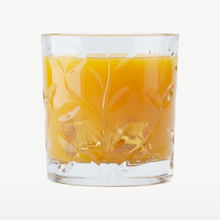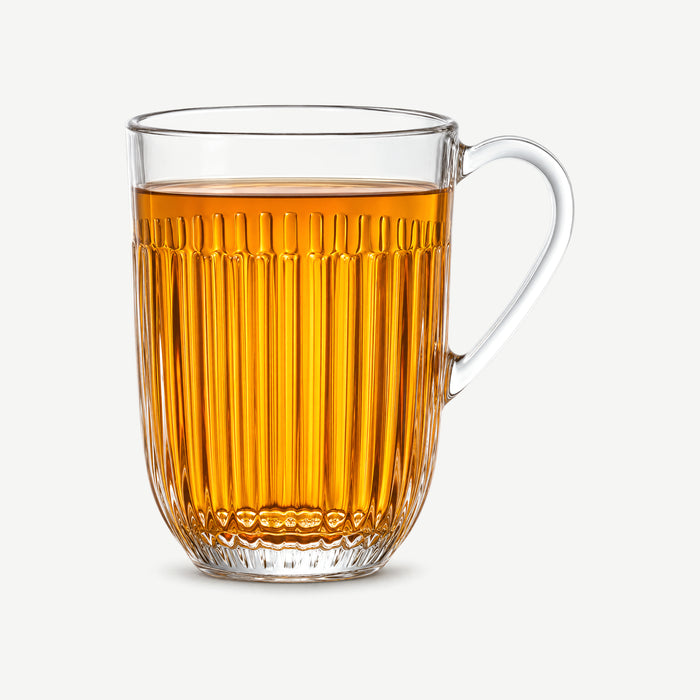
La Rochère Ouessant Tea Glass 36 Cl - 6 Pieces
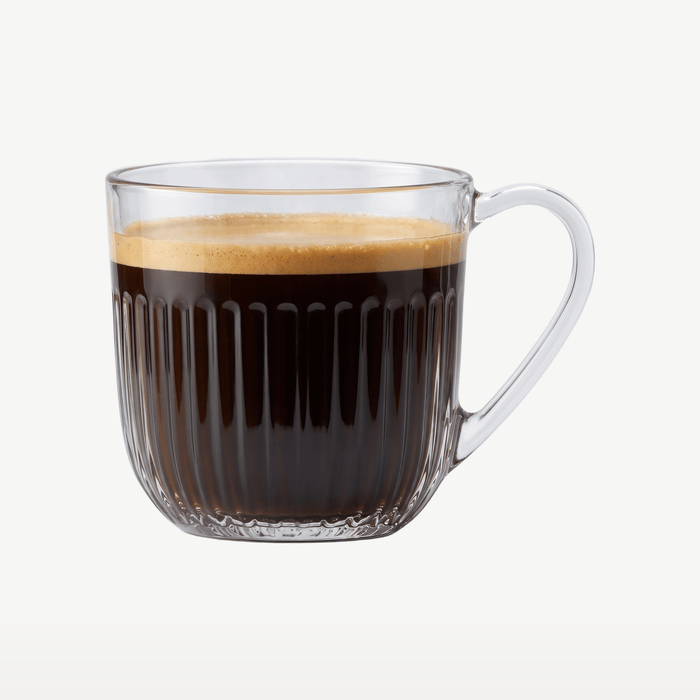
La Rochère Ouessant Coffee Glass 25 Cl - 6 Pieces

Pasabahce Elysia Tea Glass 25 Cl - 2 Pieces

Pasabahce Elysia Tea Glass 31 Cl - 2 Pieces

The Caffè latte recipe
for your table
Set the cup under hot water for a few minutes or place it on the machine's cup warmer. In a cold cup, the milk immediately loses a few degrees, and the foam loses its sheen. Pour out the water and don't dry the cup.
Pull the espresso directly into the preheated cup: three centiliters in about twenty-five seconds. Espresso that runs much longer turns bitter and gets lost under the milk instead of coming through. Stir in the sugar now, while the coffee is still alone in the cup.
Steam the milk until the jug is too hot to hold, around sixty-five degrees. Keep the steam wand just below the surface at first to draw in air, then push it deeper so the milk starts swirling. You want fine, glossy foam no more than a centimeter thick, with no large bubbles.
Tap the jug on the counter twice, swirl the milk once more, and pour it into the cup in one motion from the center. Keep the jug low at the end, and the last of the foam will settle on top in a thin layer. Sprinkle a pinch of cocoa over it only when serving.
What did you think of this recipe?
One click on a star is all it takes. If you’d like to add a comment, we’ll review it before it appears here.
Save this recipe
Send the Caffè latte recipe to your own email so you’ll have it handy when you’re ready to make it. You’ll also get a €5 discount code with purchases from €50, for the glasses that go with it.
The story
Caffè latte literally means coffee with milk, and in Italy that’s exactly what you get: a cup of milk with espresso in it, at the bar, usually at breakfast. Ask for one in the afternoon and the barista will give you a look. Outside Italy, the name has grown into a drink of its own with a set ratio: one espresso to about eight times as much milk, topped with a thin layer of foam. That’s what sets it apart from cappuccino, which is all about a thick cap of foam. The Dutch koffie verkeerd comes closest, though it’s more often made with filter coffee.
The right glass
A caffè latte belongs in a 30 to 35 centiliter cup or glass with a handle. That size isn’t accidental: one espresso and twenty-five centiliters of milk fit just right, with a finger-width of room for the foam. A handle is handy because the cup is filled almost to the brim and stays warm, and through clear glass you can see the layer of foam sitting on the coffee and milk. A narrower, taller glass is used for a latte macchiato, where the layers should remain separate. See more styles in the cappuccino glasses.

RCR Caffè Stackable Cup 35 cl (6 pieces)

La Rochère Flore Mug 30 cl (4 pieces)
Both sets together € 63,90.
The right tools
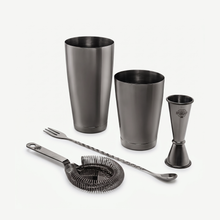
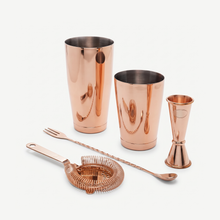
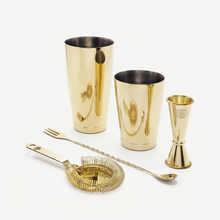
Along with the glass, a caffè latte calls for a jigger to measure the espresso and milk, and a long bar spoon to stir the sugar all the way to the bottom. These are the bar tools we use ourselves; find them all in our bar tools & cocktail sets.


Glassware set (our pick 01) + 2 bar tools together € 58,85.
Which splash goes in a caffè latte?
A caffè latte is alcohol-free on its own, but a splash of liqueur makes it a perfect after-dinner drink. In Italy, amaretto and sambuca are the two most commonly added. Each drink page tells you the alcohol percentage, what it tastes like, which cocktails it goes with, and what glass you need.


Variations & twists
It works fine with steamed oat milk, although the foam is a little coarser. A flat white is the same coffee in a smaller cup, with less milk and a thinner layer of foam; a café au lait is made with filter coffee instead of espresso. If you add syrup, pour it into the bottom of the cup before the espresso, otherwise it will stay at the bottom. Looking for more inspiration? Browse more than 100 cocktail recipes.
Serving tip
Serve it in the preheated cup on a saucer with a small spoon, and add a small glass of water, as is customary in Italy. Drink it within ten minutes, as the foam will disappear and the milk will lose its flavor after that. Sprinkle the cocoa on just before serving.
Good to know
The difference between a latte macchiato
For a caffè latte, the espresso goes into the cup first, followed by the milk, so everything blends into one color. For a latte macchiato, the milk goes into a tall glass first, and the espresso is carefully poured through it so you can see three layers. The same ingredients, a different order and a different glass.
The difference between cappuccino and koffie verkeerd
A cappuccino has roughly equal parts milk and foam and is served in a 15-to-20-centiliter cup. A caffè latte has much more milk and just a thin layer of foam, in a cup of about 30 centiliters. Koffie verkeerd is the Dutch version, made with roughly equal parts coffee and hot milk, traditionally with filter coffee instead of espresso.
Why the milk mustn't boil
Above 70 degrees, the taste of milk changes: it becomes watery and starts to smell like boiled milk. Steam until the jug is too hot to hold, then stop. Milk that has already been steamed can't be frothed again; you'll get large bubbles instead of a glossy layer.
Which milk froths best
Whole milk makes the firmest foam because the fat and protein work together to hold the bubbles. Semi-skimmed milk works too, but produces a lighter layer. Of the plant-based options, oat milk usually works best; soy milk curdles more easily when mixed with hot espresso. Use milk straight from the fridge to give yourself more time to incorporate air.
How much coffee to use
One 3-centiliter espresso per cup. Two shots don't make it better, just more bitter, because the extra coffee can't be balanced out by the milk. If you want it stronger, have the same espresso in a smaller cup; that's essentially a flat white.
Frequently asked questions
What is a caffè latte?
A caffè latte is an espresso with plenty of steamed milk and a thin layer of foam, served in a cup or glass of about 30 centiliters. The ratio is roughly one part espresso to eight parts milk. The name simply means coffee with milk in Italian.
What's the difference between a caffè latte and a latte macchiato?
The order and the glass. For a caffè latte, the espresso goes into the cup first, then the milk is poured in and mixed through, giving it a uniform color. For a latte macchiato, the milk goes into a tall glass first, then the espresso is poured through it, so you can see three layers.
What's the difference from koffie verkeerd?
Koffie verkeerd is the Dutch version: roughly half coffee and half hot milk, traditionally made with filter coffee and without a layer of foam. A caffè latte is made with espresso and does have a thin layer of milk foam. In practice, they're very similar and the names are used interchangeably.
Which glass or cup do you use for a caffè latte?
A cup or mug holding 30 to 35 centiliters, with a handle. It holds one espresso with 25 centiliters of milk, with room for the foam. For a latte macchiato, use a taller, narrower glass so the layers remain visible.
Also delicious
Everything for your bar,
at one address
Hospitality-grade glasses, sold as a set. Order today, delivered quickly.
Shop glasses →