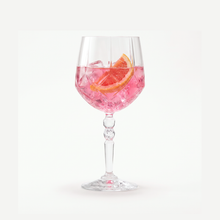
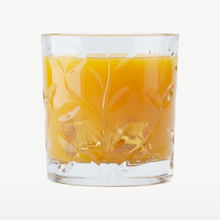
La Rochère Versailles Tea Glass 27.5 Cl - 6 Pieces

Pasabahce Elysia Tea Glass 25 Cl - 2 Pieces

Pasabahce Elysia Tea Glass 31 Cl - 2 Pieces

Pasabahce Timeless Tea Glass 25 Cl - 2 Pieces

The green tea recipe
for your table
Bring the water to a boil and let it cool to 70 to 80 degrees. If you don’t have a thermometer, here’s what to do: first pour the boiling water into a second glass or small pot and leave it there for a minute or two. Each time you pour it into another vessel, the temperature drops by roughly five degrees.
Put three grams of leaves in the glass or pot. Green tea needs room to unfurl, so use a spacious infuser or no infuser at all rather than a cramped tea ball.
Pour the water over the leaves and steep for one to three minutes. Sencha needs just a minute and a half, while gyokuro needs a longer steep and slightly cooler water. Too hot or too long, and the tea becomes bitter and astringent; this is the most common mistake when making green tea.
Pour out all the tea, down to the last drop, otherwise the leaves will keep steeping in the remaining water. You can then steep the same leaves a second and third time; steep them for less time on subsequent rounds, as the leaves have already opened.
What did you think of this recipe?
Just click a star once. If you’d like to add a comment, we’ll review it before it appears here.
Save this recipe
Send the green tea recipe to your own email so you have it handy when you make it. You'll also get a € 5 discount code when you spend € 50, for the glasses that go with it.
The story
Green and black tea come from the same shrub, Camellia sinensis. The difference begins in the first few hours after picking. Leave the leaves alone and they oxidize and turn brown; heat them right away and the process stops, keeping the leaves green. In China, they are heated in a wok; in Japan, with steam, which explains the difference in flavor: Chinese green tea is often nutty and smoky, while Japanese green tea is more seaweed-like and sweet. That one decision, whether to heat the leaves right away or not, makes all the difference between a cup of green tea and a cup of black tea.
The right glass
You drink green tea in smaller portions than black tea because you steep the same leaves several times. A glass of around twenty centiliters is the right size for this. A double-walled glass is especially handy here: the outside stays cool enough to hold, so you don't need a handle, and the double wall keeps the tea at the right temperature for longer. Clear glass also shows off the light green color, which is part of the appeal of green tea. Find more sizes and shapes in our tea glasses.

Luigi Bormioli Thermic Glass Tea Glass 22 cl (2 pieces)

La Rochère Lyonnais Tea Mug 27.5 cl (6 pieces)
Both sets together € 61,90.
The right tools
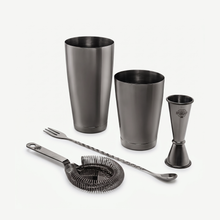
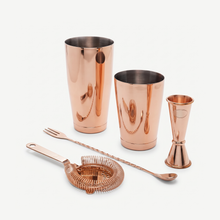
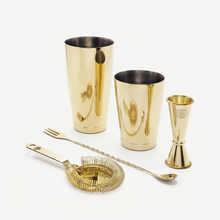
For green tea, in addition to a glass, use a mixing glass to cool the boiling water and a fine strainer to keep the leaves back when pouring. These are the bar tools we use ourselves; you'll find everything in our bar tools & cocktail sets.


Glass set (our pick 01) + 2 bar tools together € 45,85.
Which splash goes in green tea?
Green tea has a light flavor, so keep the splash small and choose something fresh. Liqueur works best in the glass, with limoncello and Passoã among the most commonly used bottles. On each drink page, you'll find the alcohol percentage, what it tastes like, which cocktails it goes with, and what glass you need.


Variations & twists
Sencha is everyday Japanese green tea; gyokuro is the more expensive variety, grown in the shade, with a sweeter, fuller flavor. Genmaicha is sencha with roasted rice added, giving it a nutty flavor, while bancha is the coarser leaf harvested later in the season, milder and lighter. From China comes gunpowder, tea leaves rolled into small balls that unfurl in water; it’s also the basis for Moroccan mint tea. Grind the leaves into a fine powder and it’s called matcha, which you drink along with the leaves themselves, for example in a matcha latte. Looking for more inspiration? Browse more than 100 cocktail recipes.
Serving tip
Place the teapot or small kettle on the table and pour small servings each time, so nobody is left with a cold cup. Serve the lemon slice on the side instead of in the tea: some people want their tea plain. Keep the wet leaves in the infuser so you can brew a second round within the hour.
Good to know
Why boiling water makes green tea bitter
The hotter the water, the faster the tannins and bitter compounds are released from the leaves. Green tea is unoxidized, so it releases these compounds much more easily than black tea. At 100 degrees, they’re released within a few dozen seconds, making the tea taste sharp and astringent. At 70 to 80 degrees, the sweet, grassy notes remain at the forefront.
Reaching the right temperature without a thermometer
Boil the water and leave it in an open kettle for three to four minutes; it will then be roughly 80 degrees. You can cool it down faster by pouring the water into a second kettle or glass: each pour lowers the temperature by about five degrees. In Japan, there’s even a special little bowl for this on the table.
Steeping the same leaves multiple times
Good-quality leaves can be steeped two to three times. The first infusion is the sweetest, the second often the fullest, and the third lighter. Steep the second and third infusions for less time than the first, because the leaves have already opened up and release their flavor faster. Always pour the pot completely empty between infusions, and don’t leave the leaves sitting in water.
The well-known varieties
Sencha is the everyday Japanese green tea, fresh and grassy. Gyokuro is grown in the shade during the last few weeks and is sweeter and fuller-bodied. Genmaicha is sencha with roasted rice; bancha is the coarser leaf picked later in the season. From China comes gunpowder, rolled into little balls. Matcha doesn't come from a separate tea plant, but is finely ground leaf that you whisk rather than steep.
How much caffeine does it contain
A 20-centiliter cup of green tea contains roughly 20 to 50 milligrams of caffeine. This depends greatly on the type and steeping time; gyokuro is on the high end, bancha on the low end. With matcha, you drink the whole leaf, so it contains more caffeine than brewed tea.
Frequently asked questions
How hot should the water be for green tea?
Between 70 and 80 degrees. Boiling water extracts bitter compounds from the leaves within half a minute, making the tea sharp and astringent. Let boiled water cool for a few minutes, or pour it once into a second glass; this can lower the temperature by five degrees.
How long should green tea steep?
One to three minutes. Sencha needs about a minute and a half, bancha can steep a little longer, while gyokuro needs cooler water and more time. Pour out all the tea afterward; otherwise, the leaves will continue steeping in the remaining water.
Can you steep green tea more than once?
Yes, two or three times with the same leaves. The first infusion is the sweetest, and the second is often the fullest. Steep for less time with each subsequent infusion, because the leaves have already unfurled and release their flavor more quickly.
What is the difference between green tea and matcha?
Matcha is green tea ground into a powder. With regular green tea, you steep the leaves and then discard them; with matcha, you whisk the powder into water and drink the whole leaf. This gives matcha a fuller flavor and a brighter color.
Also delicious
Everything for your bar,
to one address
Hospitality-quality glasses, sold in sets. Order today, delivered quickly.
Shop the glasses →