The Herbal Tea Recipe
for your table
Spoon the dried herbs into a roomy infuser or directly into the glass. Coarse leaves, roots, and pieces of fruit need room to expand.
Pour boiling water over it. Herbs, roots, and fruits can handle hotter water than green or white tea, which turns bitter at one hundred degrees.
Steep for eight to ten minutes with a saucer covering the glass. An infusion releases its flavor more slowly than tea leaves, which are ready after about three minutes.
Remove the infuser and place the sprig of mint and ginger slices in the glass.
What did you think of this recipe?
One click on a star is enough. If you’d like to add something, we’ll review it before it appears here.
Save this recipe
Email the herbal tea recipe to yourself so you have it handy when you’re ready to make it. You’ll also receive a € 5 discount code on purchases of € 50 or more, for the glasses to go with it.
The story
Tea comes from a single shrub, Camellia sinensis. Anything you brew from another plant is officially called an infusion or a decoction, even though it’s simply sold as tea in stores. This category includes all sorts of things: leaves such as mint, nettle and verbena, flowers such as chamomile, linden blossoms and hibiscus, roots such as ginger, and fruit such as rose hips and fennel seeds. Rooibos comes from a shrub in South Africa. What they have in common is that they contain no tea leaves, and therefore almost never contain caffeine, and that you can steep them longer without them becoming bitter.
The right glass
Herbal tea can steep longer, so the glass needs to retain heat while remaining comfortable to hold. A glass with a handle does just that: you can pick it up while the tea is still hot. A generous size of around 30 cl is handy, because loose herbs need room to expand. Find infusers for them in the tea infusers collection.

Bormioli Rocco Icon Mug Tea Glass 32 cl (6 pieces)

Pasabahce Elysia Tea Glass 31 cl (2 pieces)
Both sets together € 38,90.
The right tools
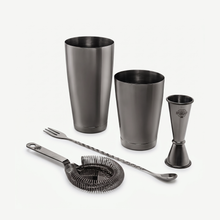
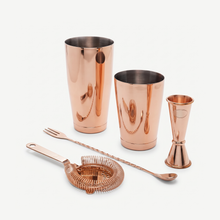
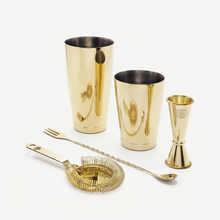
For a cup of herbal tea, use a fine strainer beside the glass to catch the herbs, and a muddler to gently crush fresh leaves. These are the bar tools we use ourselves; you’ll find everything in our bar tools & cocktail sets.


Glass set (our choice 01) + 2 bar tools together € 54,85.
Which drink goes well with herbs?
Herbal tea is caffeine-free and alcohol-free. You’ll also find the same herbs in distilled spirits: genever is distilled with juniper berries, while herbal bitters are made with a whole list of herbs. Well-known bottles include Bokma and Beerenburg. On each drink page, you can read about its alcohol percentage and taste, which cocktails it goes with, and which glass you need.


Variations & twists
You can easily make your own blends: start with a base of mint or rooibos and add one ingredient, such as ginger, fennel seeds, or dried orange peel. Fresh mint, lemon balm, and sage from the garden work well; rinse them and lightly bruise them before pouring water over them. Hibiscus turns the whole cup deep red and is naturally tart, so it pairs well with rosehip. Need more inspiration? Browse over 100 cocktail recipes.
Serving tip
Pour it into a roomy mug with a handle and let the strainer drain onto a saucer so it doesn’t continue steeping. Many herbs can be steeped a second time; the infusion will be lighter, but still perfectly drinkable. Don’t fill the mug to the brim, so you can pick it up without spilling.
Good to know
Is herbal tea tea?
Strictly speaking, no. Tea comes from Camellia sinensis, and anything you brew from other plants is called an infusion. In everyday use, everyone simply calls it tea.
What kinds are there?
The best-known varieties are mint, chamomile, ginger, rooibos, hibiscus, linden blossom, rosehip, fennel, nettle, and verbena. There are also endless blends made from these ingredients.
Does it contain caffeine?
Almost none. Rooibos, chamomile, mint, and fruit blends are caffeine-free. Just watch out for blends that include green or black tea, because then they do contain caffeine.
How long and how hot should you steep herbal tea?
Steep for eight to ten minutes in boiling water. That's longer and hotter than true tea, which turns bitter at that temperature and for that long.
Loose or in a bag?
Loose tea has more flavor because you use whole leaves, flowers, and pieces of root. You'll need a roomy strainer or a pot with a filter, though.
Can you make your own blends?
Yes. Use one base and no more than two flavorings, and weigh what you use the first time so you can repeat it.
Frequently asked questions
What's the difference between tea and herbal tea?
Tea comes from the tea plant and contains caffeine. Herbal tea is an infusion of other plants and is almost always caffeine-free.
Can herbal tea be made with boiling water?
Yes. Leaves, roots, and fruit can handle 100 degrees, while green and white tea turn bitter at that temperature.
Which herbs can you use from the garden?
Mint, lemon balm, sage, thyme, and verbena are the easiest to use. Rinse them, bruise them lightly, and pour boiling water over them.
What kind of cup do you use for herbal tea?
A large teacup of about 30 cl, preferably with a handle, because the tea steeps longer and therefore stays hot longer.
Everything for your bar,
to one address
Restaurant-quality glasses, sold in sets. Order today, delivered fast.
Shop glasses →