Heineken
Heineken is the best-known pilsner in the Netherlands and one of the largest beer brands in the world. Its story began in Amsterdam in 1864. Here you'll learn what Heineken tastes like, what bottles and cans are available, how to pour a pilsner properly and which glass goes with it.

An Amsterdam brewery that went global
In 1864, Gerard Adriaan Heineken bought the De Hooiberg brewery in Amsterdam. He soon switched to bottom-fermented beer, the light, clear style that was emerging at the time in Germany and Bohemia. This became the pilsner we know today. The old brewery on Stadhouderskade is no longer a brewery, but a visitor center: the Heineken Experience. Most Heineken beer in the Netherlands is now produced at the breweries in Zoeterwoude and Den Bosch.
Heineken brews with water, barley malt, hops and its own yeast culture, A-yeast. This yeast has been used since the nineteenth century and gives the beer its slightly fruity note. Bottom fermentation means the yeast works at a low temperature, followed by a long period of cold maturation. This makes the beer clear, fresh and clean-tasting. Alongside the regular pilsner, there is Heineken 0.0: the same base, but without alcohol. You can recognize the brand by its green bottle with the red star.
In brief
Heineken in bottles and cans, with and without alcohol
At Gall & Gall, you can buy two Heineken beers: the regular 5% Premium Pilsener and Heineken 0.0. Both come in bottles and cans, in a range of pack sizes.
Heineken Premium Pilsener, bottle
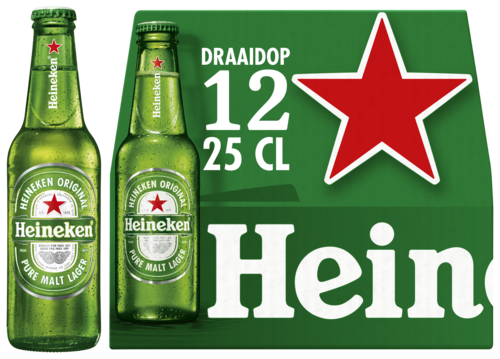
Classic Heineken in the 25 cl green bottle with a twist-off cap. In packs of 12 or 24. Fresh, lightly fruity, with a short bitter note from the hops.

Heineken Premium Pilsener, can
The same all-malt pilsner in a can: 33 cl cans in a tray of 4 x 6, or large 50 cl cans in six-packs. Handy for a party or a day on the water.

Heineken 0.0, bottle
Alcohol-free beer made with the same A-yeast. Fruity, with light malt notes and a softly bitter finish. In 25 cl bottles, in packs of 6 or 12.

Heineken 0.0, can
Heineken 0.0 in 33 cl cans, six-pack. Refreshing and lightly malty, with no alcohol.
Why is pilsner so clear and fresh, and what's the difference between it and a specialty beer? Find out on our pilsner page.
How is alcohol-free beer made, and what's the difference between 0.0 and low-alcohol beer? Read more on our alcohol-free beer page.
Fresh, lightly fruity, and briefly bitter
Malt and a hint of fruit
Lightly grainy, with a soft fruity note from the A-yeast. Sometimes you'll notice a hint of green apple. The hops are present, but subtle.
Light and lively
A light body with plenty of carbonation. A hint of sweetness from the malt, balanced by the bitterness of the hops. That makes it easy to drink.
Short and dry
The finish is short, dry, and slightly bitter. Heineken 0.0 is a little sweeter and maltier, with a softer bitter note.
Flavor profile of Heineken Premium Pilsener. The 0.0 scores slightly higher on sweetness and a little lower on bitterness.
How to pour a Heineken
Drink pilsner cold, with a firm head of foam, from a clean glass. Those three things make an immediate difference to the taste.
Cold, around 3 to 5 degrees
Pilsner is at its best when served well chilled. Put the bottles or cans in the fridge a few hours beforehand. Freezer-cold is too cold: you won't taste much, and the beer will taste flat.
More about lager →A two-finger head
Rinse the glass with cold water. Hold it at an angle, pour along the side, and straighten it when it’s three-quarters full. This gives you a head about two fingers high. The foam keeps the carbonation in the beer and the aroma above the glass.
More about pouring beer →Grease-free glass
Grease and dish soap residue break down the foam. Wash beer glasses separately, rinse them well with hot water, and let them drip-dry instead of drying them with a tea towel. You can tell the glass is clean when its sides are smooth and bubble-free.
Taste beer like a connoisseur →Heineken at the table and with drinks
A crisp lager doesn’t take over the meal. It cuts through fat and salt and cools spicy dishes. That’s why it pairs with much more than just bitterballen.
Bitterballen and cheese
Deep-fried appetizers, nuts, young cheese, and sausage. The carbonation and bitterness cleanse your palate after every bite.
Grilled meat
Burgers, satay, sausages, and chicken from the grill. A cold lager is the classic thirst-quencher alongside a barbecue.
Asian and Mexican
Curry, nasi goreng, tacos, and chili. A light beer with plenty of carbonation tames the heat better than a strong specialty beer.
Lunch and exercise
Heineken 0.0 goes well with a sandwich, after a workout, or when you still need to drive. It’s also delicious in a Michelada with lime and a little kick.
The right glass for Heineken
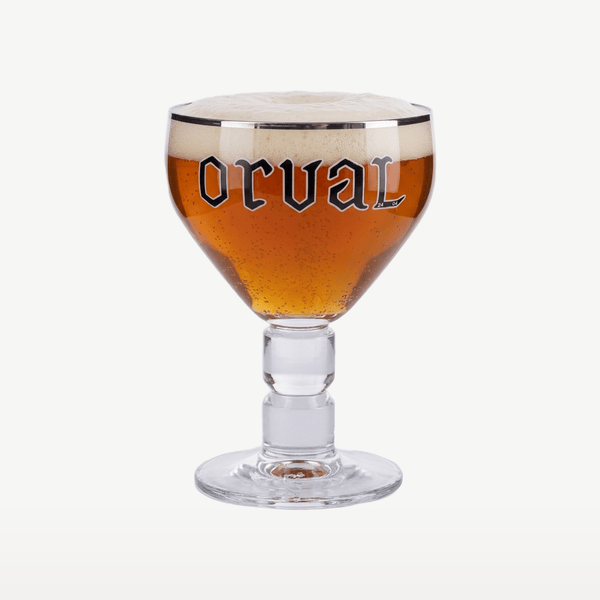
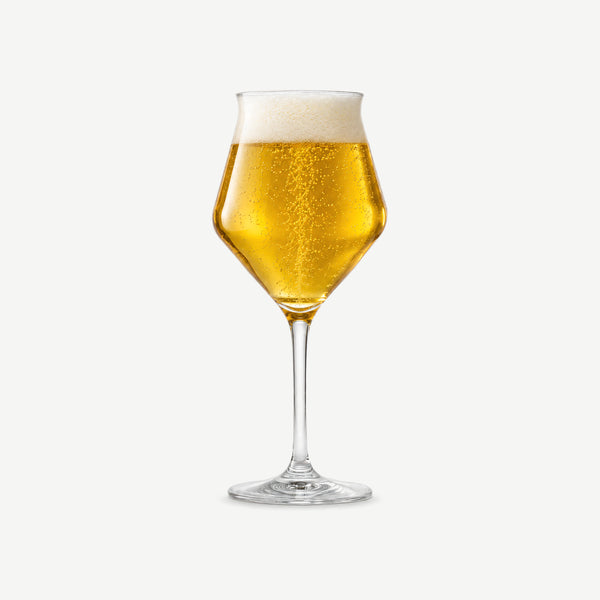
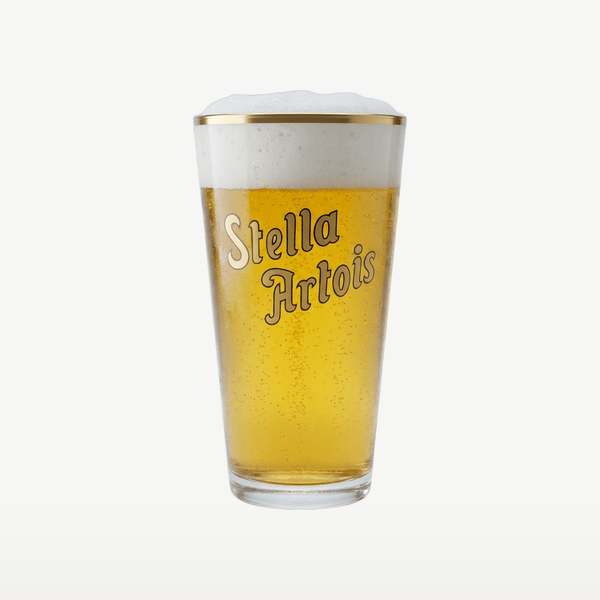
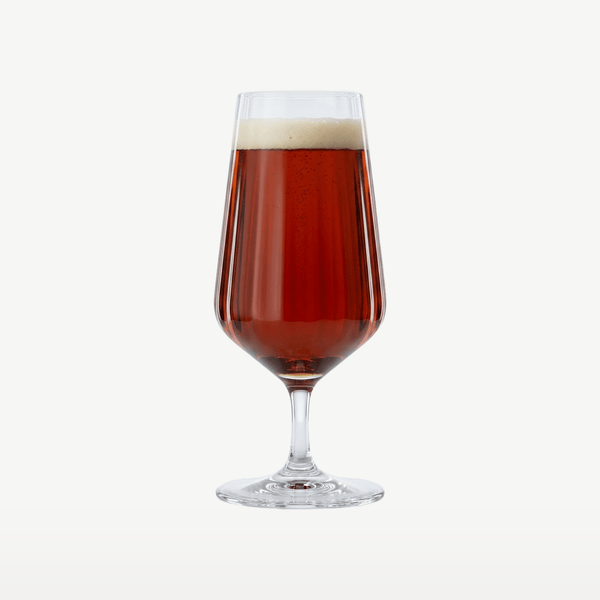
At the pub, you’ll get a Heineken in a vaasje or a fluitje: a straight, narrow glass that keeps the carbonation in. At the table, lager also works well in a stemmed beer glass. It looks festive, and the stem keeps your hand away from the cold beer.


Everything else you wanted to know about Heineken
Don't see your question here? Read more about tasting beer, or get in touch.
Go to the beer tasting →What kind of beer is Heineken?
How much alcohol does Heineken contain?
What is Heineken's A-yeast?
Where is Heineken brewed?
How cold should you drink Heineken?
What glass should you use for Heineken?
Buy Heineken
Want to get the bottle delivered straight to your door? Order Heineken online from Gall & Gall. Gall & Gall has 7.
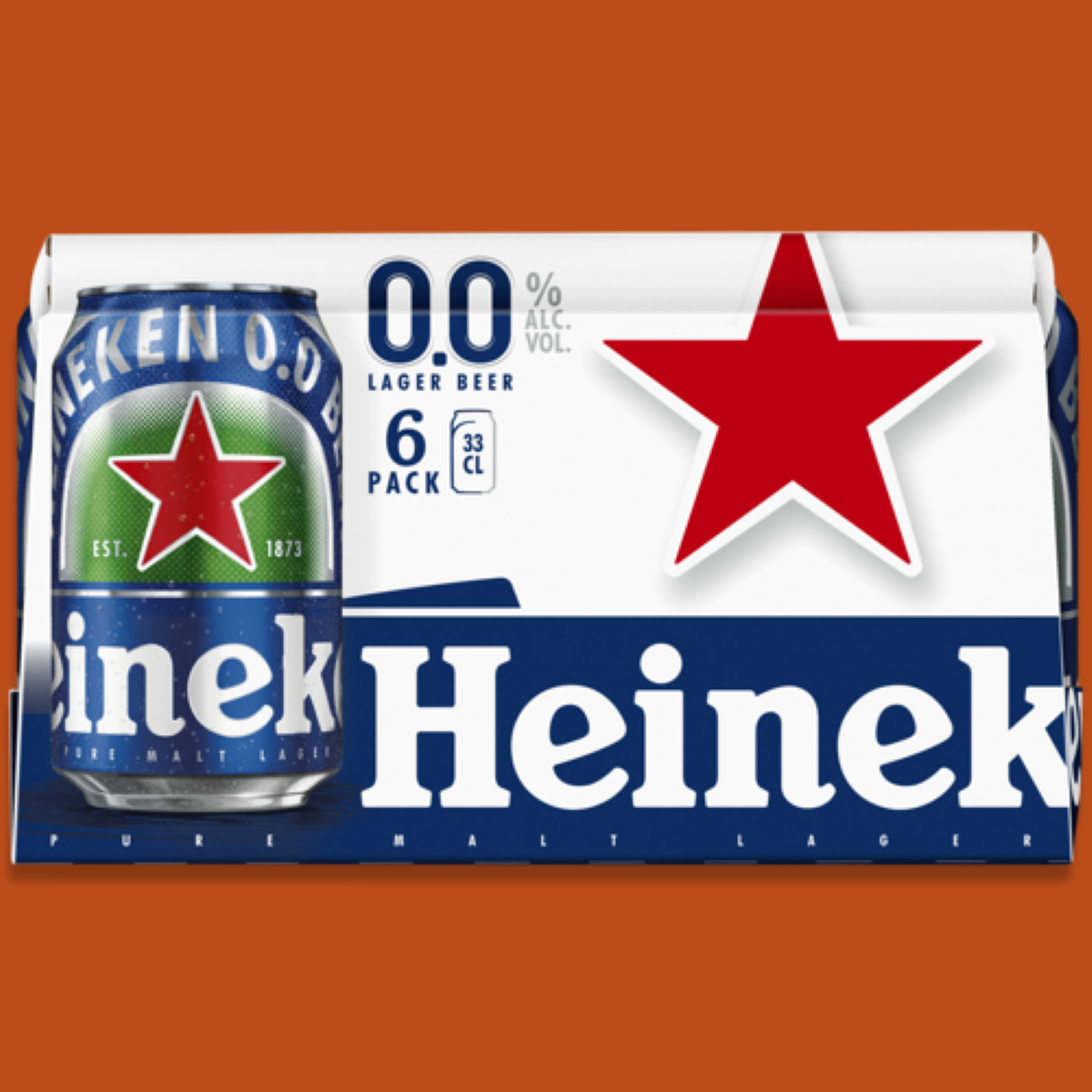
Heineken Premium Pilsner Beer Can 0.0 6-pack
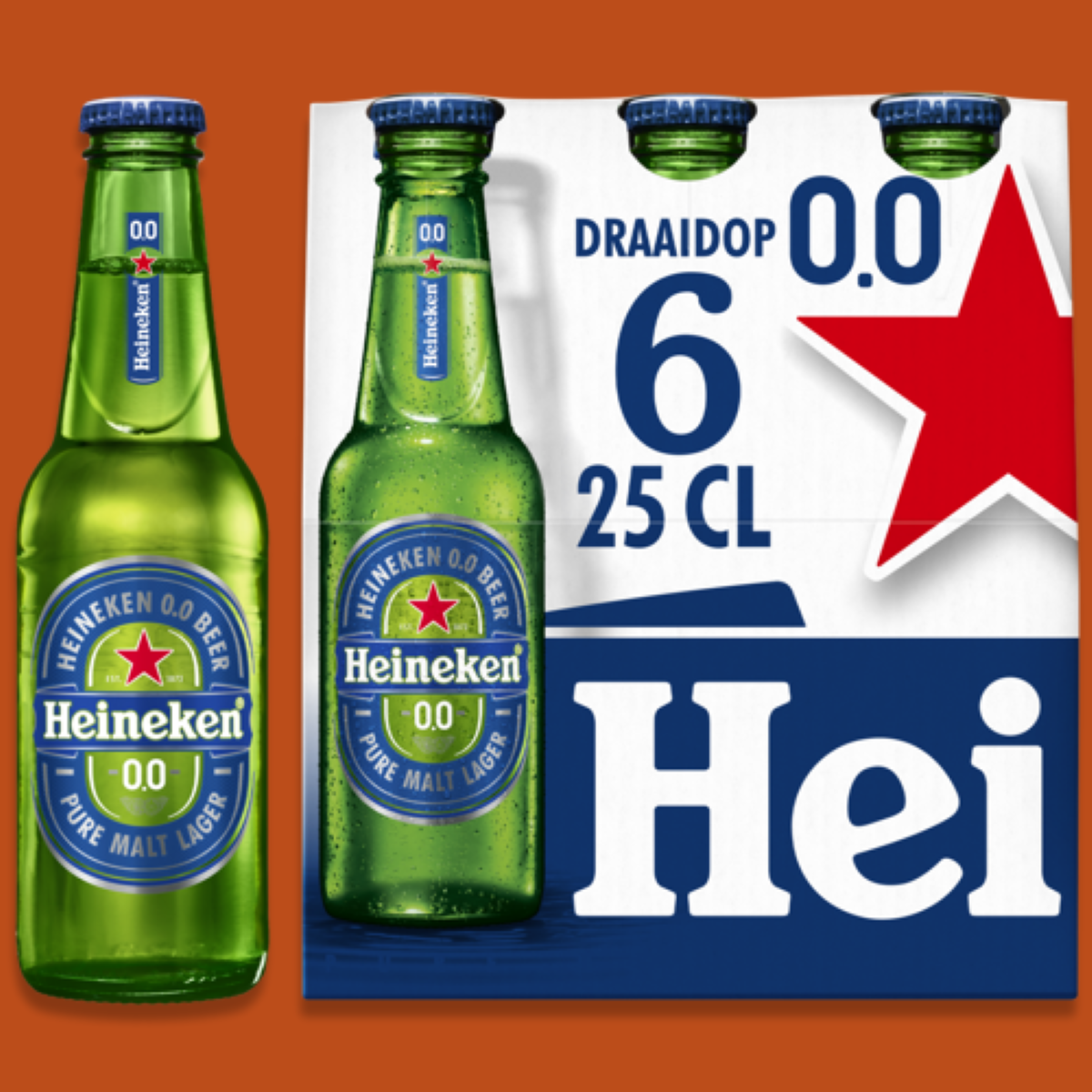
Heineken Premium Pilsner Beer Twist-Top Bottle 0.0 6-pack
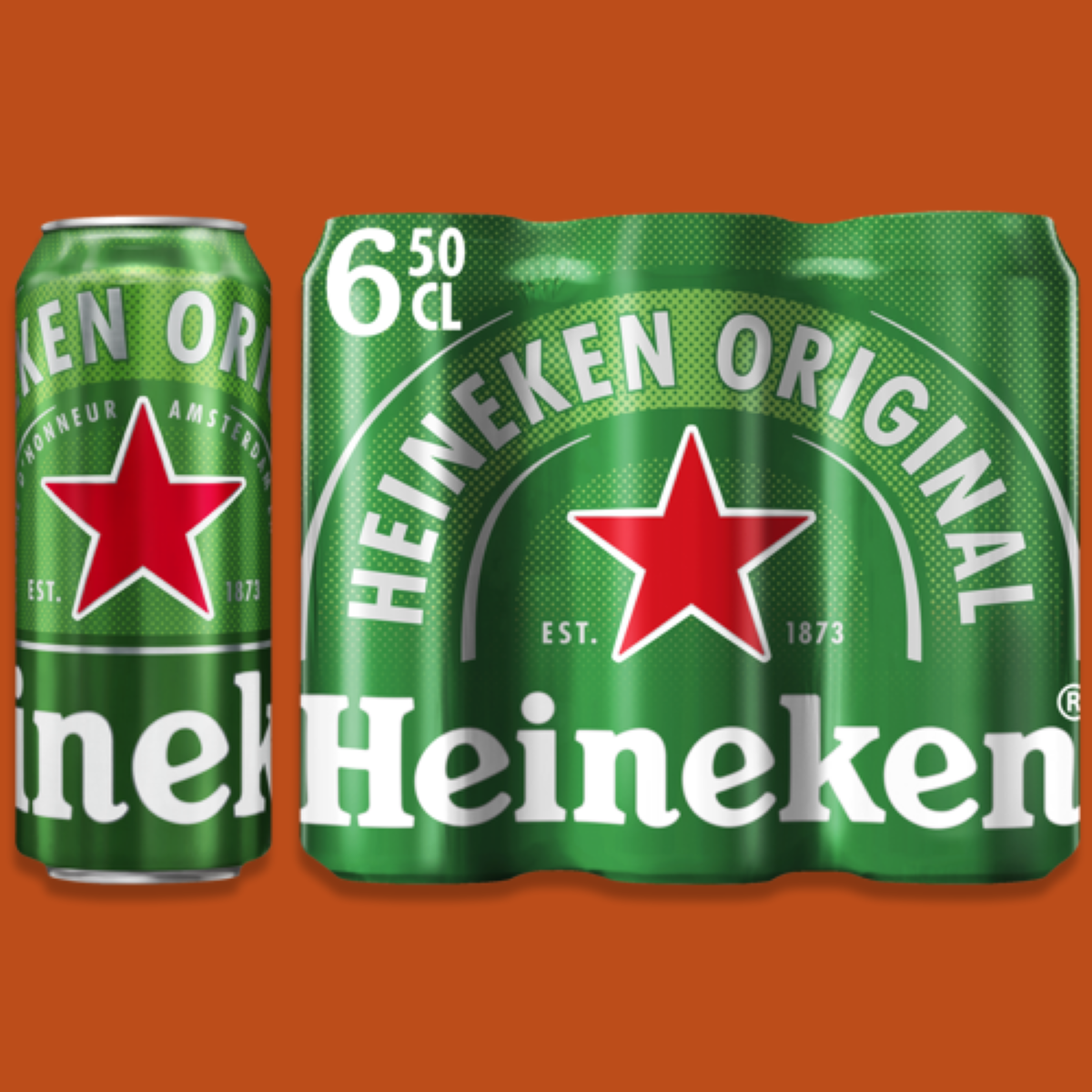
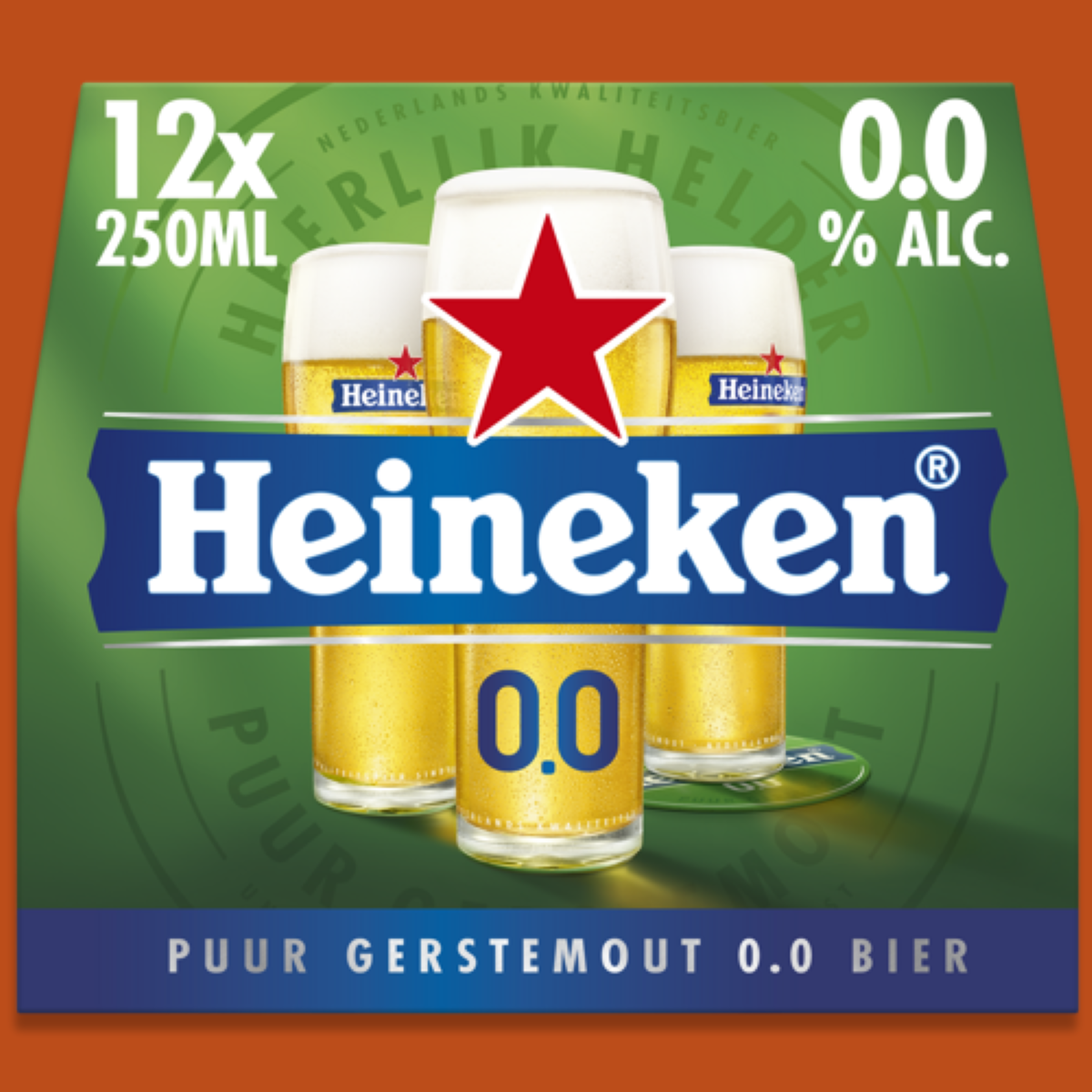
Prices as of November 21, 2026, as provided by Gall & Gall. You can see the current price and stock at Gall & Gall. Glazen.nl receives a small commission if you buy something through these links; it won't cost you anything extra. No 18, no alcohol.