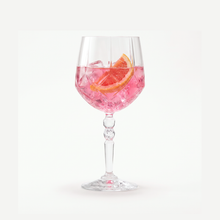
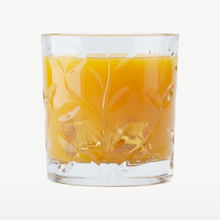
Royal Leerdam Carre Wine Glass 28 Cl - 6 Pieces

Bormioli Rocco Uno Inalto Wine Glass 47 Cl - 6 Pieces

Spiegelau Definition Wine Glass 55 Cl - 6 Pieces

Lehmann Grand Blanc Wine Glass 54 Cl - 6 Pieces

How to pour
a Barbaresco in
Bring the bottle to 16 to 18 degrees. That’s cooler than a heated room, so leave it in a cool place for half an hour or in the fridge for twenty minutes. Barbaresco has slightly less tannin than Barolo, and at the right temperature you’ll notice that immediately in its smoother mouthfeel.
Cut around the capsule just below the ridge on the neck and wipe the rim clean. Center the corkscrew on the cork, twist straight down until just before the end, and pull up in one motion. With an older bottle, go more slowly, as the cork will be more fragile.
Give the wine half an hour in the decanter. Barbaresco usually opens up faster than Barolo, so long decanting is rarely necessary and may even be too much for an older bottle. If you’re unsure, pour half a glass first and taste to see how open it is.
Fill the bowl to about one-third. The empty space above it captures the aromas of rose, cherry, and herbs, and with so little in the glass, the wine stays at the right temperature. Swirl gently and smell before you taste.
What did you think of this guide?
One click on a star is enough. If you’d like to add a comment, we’ll review it before it appears here.
Save this page
Send this page to your own email so you have the information handy when you’re ready to pour. You’ll also receive a € 5 discount code on purchases of € 50 or more, for the glasses that go with it.
The story
Barbaresco comes from four municipalities in the Langhe: Barbaresco, Neive, Treiso, and part of the municipality of Alba. The region lies northeast of Barolo and stretches toward the Tanaro River. The river moderates the climate, the soil contains more sand, and the vineyards are on average at a lower elevation. As a result, the nebbiolo ripens earlier here, and the wine is rarely as austere as in the coldest parts of Barolo. Only one grape variety is permitted here too, and the regulations require a prescribed period of aging in barrels and in the bottle, shorter than for Barolo.
The right glass
Barbaresco is also made from nebbiolo, so it calls for the same glass as Barolo: a rounded bowl with a rim that curves inward, giving the wine room to breathe and allowing its aroma to linger. Since it is often a little softer, the bowl does not necessarily have to be the largest model. Below are two rounded shapes; you can find the rest of the selection in our wine glasses. A decanter is useful here too, though you will need it for less time.

Luigi Bormioli Supremo Burgundy Wine Glass 65 cl (6 pieces)

Schott Zwiesel Mondial Burgundy Glass 59 cl (6 pieces)
Both sets together € 97,95.
The right tool
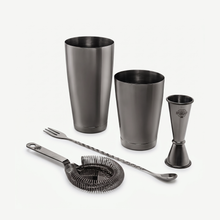
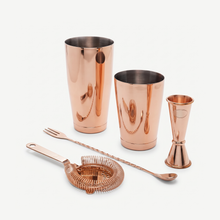
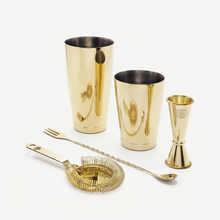
For Barbaresco, besides a glass, you'll mainly need a corkscrew with a long worm, a decanter to let it breathe for half an hour, and a wine cooler if the room is too warm. The bar tools below only come in handy if wine goes into a cocktail: a bar spoon for stirring and a citrus juicer for fresh juice. These are the bar tools we use ourselves; find them all in our bar tools & cocktail sets.


Glassware set (our pick 01) + 2 bar tools together € 71,85.
Which wine goes with this?
Barbaresco rarely stands alone at the table. These are the wines that go with a meal, from a glass of prosecco beforehand to moscato with dessert. Each drinks page tells you the alcohol percentage, what it tastes like, which cocktails it works in, and which glass you need.


Variations & twists
The four municipalities in the region differ from one another. Barbaresco itself is closest to the river and produces the most perfumed wines, Neive often makes fuller-bodied wines, and Treiso is the highest and coolest, resulting in more taut wines. As in Barolo, MGA names appear on the label: officially designated vineyard names such as Asili or Rabajà, indicating which plot the grapes come from. A riserva is the same wine with a longer prescribed aging period. Want to read more? Browse all drinks and brands.
Serving tip
Serve Barbaresco at 16 to 18 degrees and let it breathe for half an hour. It pairs with the same foods as Barolo, but also stands up to slightly lighter dishes: meat pasta, roast poultry, mushrooms, and cheeses that aren't rock-hard yet. It holds its own with truffles, and is less assertive with a younger dish.
Good to know
The difference from Barolo, honestly explained
Barbaresco and Barolo are both 100 percent Nebbiolo from the Langhe. Barbaresco comes from four municipalities closer to the Tanaro, on warmer, sandier soil and at lower elevations on average, and regulations require it to age for less time. As a result, it is often a little more elegant and approachable earlier. So it comes down to soil, elevation, and aging requirements, not quality, and in practice there is considerable overlap: a robust Barbaresco from a cool vintage can easily be fuller-bodied than a Barolo from a warm vintage.
Four municipalities, close to the river
The region includes Barbaresco, Neive, Treiso, and part of the municipality of Alba. It lies northeast of Barolo and slopes down toward the Tanaro. That location explains everything: the river moderates the temperature, the soil contains more sand, and the vineyards are lower, so late-ripening Nebbiolo ripens earlier there than in the coldest parts of Barolo.
Why it is ready to drink sooner
Two things work together. The grapes ripen a little earlier and more fully, which makes the tannins rounder, and regulations require the wine to age for less time before it can be sold. As a result, a bottle of Barbaresco is more often ready to drink when you buy it, while a young Barolo still calls for patience. That doesn’t mean it won’t age as long: good bottles from the better plots keep just as long.
What the vineyard names on the label mean
As in Barolo, the bottle often lists MGA names alongside the municipality. These are officially designated vineyard names that identify a specific plot. Names such as Asili or Rabajà therefore tell you about the vineyard’s location, elevation, and soil, not about a quality level as with a French cru. If no such name appears, the wine comes from several plots.
How much alcohol it contains and how long it keeps
Barbaresco is roughly 13.5 to 15 percent alcohol; the percentage is listed on the label. Many bottles are enjoyable to drink after just a few years, and wines from the best-known plots can age for a long time after that. An opened bottle will keep for another two to three days in the fridge with a stopper; take it out of the cold half an hour before serving.
Frequently asked questions
What is the difference between Barbaresco and Barolo?
Both are 100 percent Nebbiolo from the Langhe. Barbaresco comes from four municipalities closer to the Tanaro, on warmer, sandier soil and at somewhat lower elevations, and regulations require it to age for less time. As a result, it is often a little more elegant and approachable earlier. The difference lies in soil, elevation, and aging requirements, not quality, and there is considerable overlap between the two.
Which municipalities does Barbaresco come from?
From Barbaresco, Neive, Treiso, and part of the municipality of Alba. These four are in the Langhe, northeast of the Barolo area, on the slopes that descend toward the Tanaro River.
Should you decant Barbaresco?
Half an hour in a decanter is usually enough. Barbaresco opens up faster than Barolo, so it rarely needs a long decant, which can be too much for an older bottle. In that case, pour half a glass first and taste to see how the wine has developed.
At what temperature and in what glass should you serve Barbaresco?
Serve at 16 to 18 degrees in a round Burgundy glass with a rim that curves inward. It’s the same glass used for Barolo, since both wines are made from the same grape. Pour to about a third full, leaving room above for the aromas to develop.
Buy Barbaresco
Want the bottle delivered straight to your home? Order Barbaresco online at Gall & Gall.
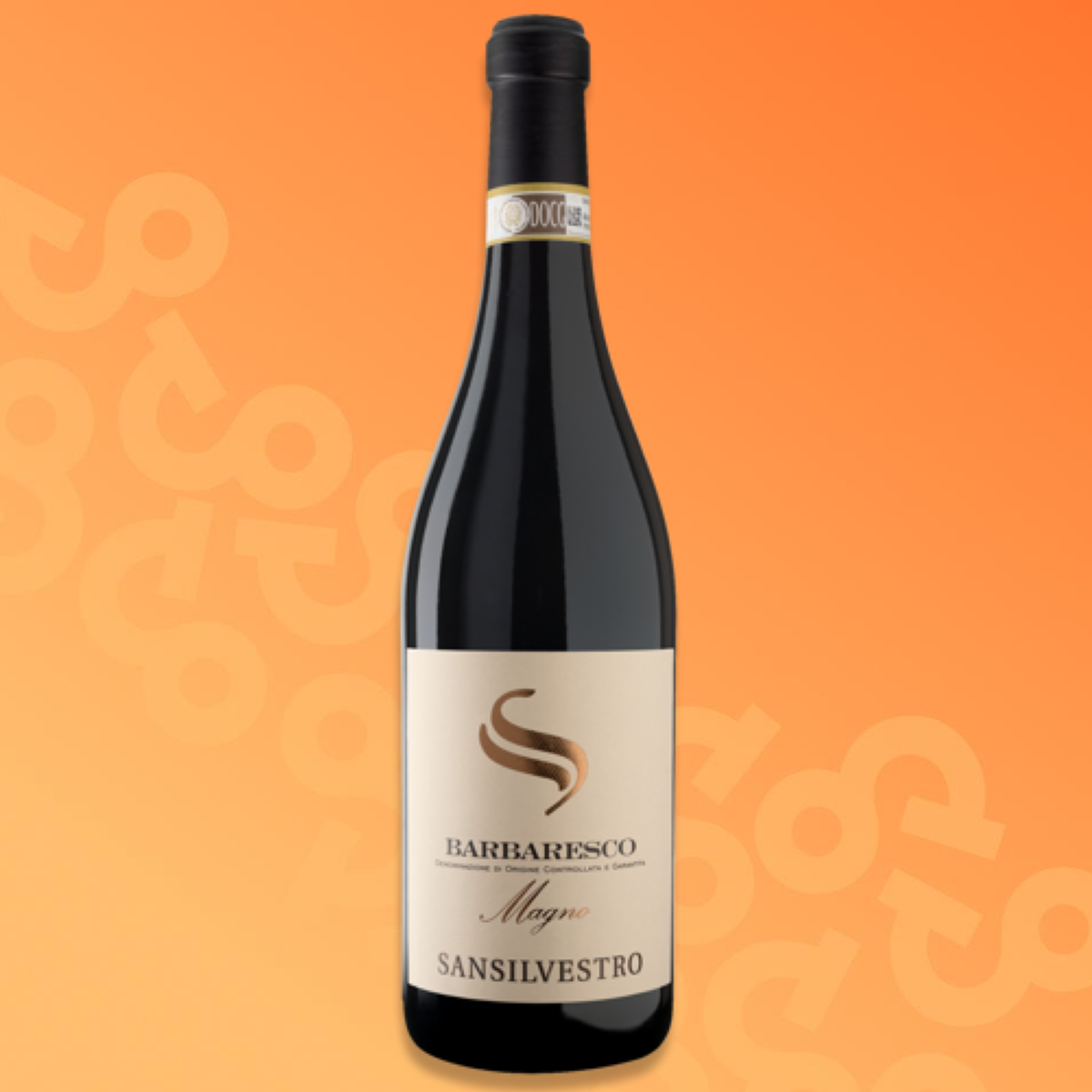
San Silvestro Barbaresco Magno
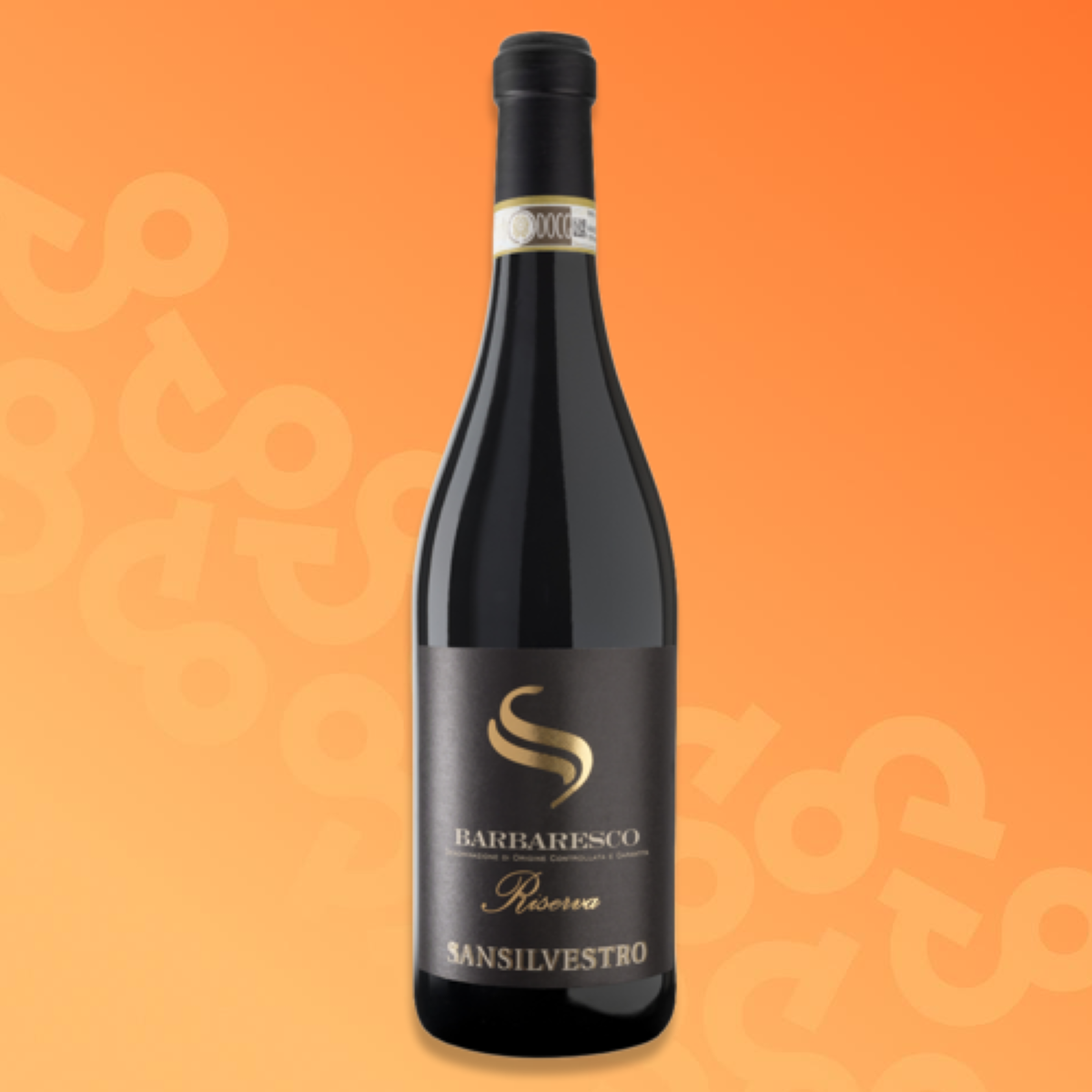
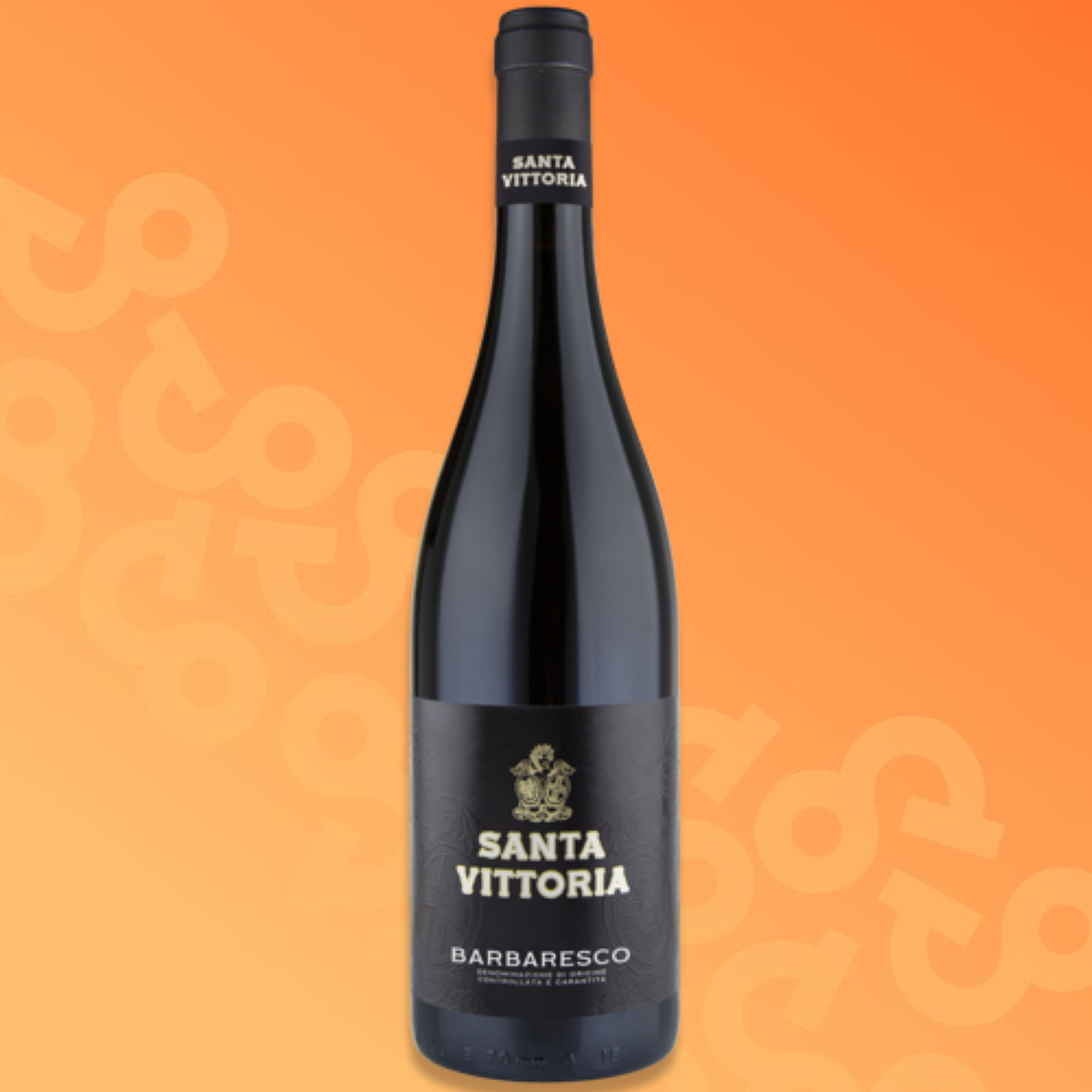
Prices as of November 18, 2026, as provided by Gall & Gall. You can see the current price and stock at Gall & Gall. Glazen.nl receives a small commission if you buy something through these links; you pay nothing extra. No one under 18, no alcohol.
Everything for your bar,
to one address
High-quality hospitality glasses, sold in sets. Order today, delivered quickly.
Shop the glasses →