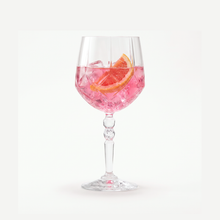
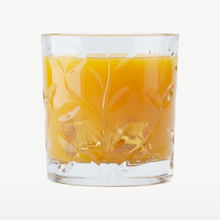
Bormioli Rocco Uno Inalto Wine Glass 47 Cl - 6 Pieces

Spiegelau Definition Wine Glass 55 Cl - 6 Pieces

Lehmann Grand Blanc Wine Glass 54 Cl - 6 Pieces
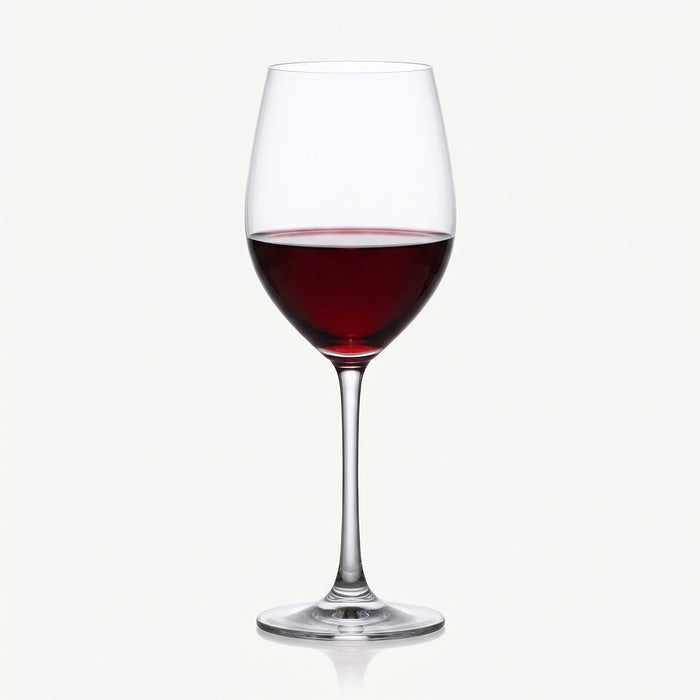
Spiegelau Vino Grande Wine Glass 42 cl - 2 Pieces

How to pour
a Negroamaro in
Serve Negroamaro at 16 to 18 degrees, cooler than a warm room. Put the bottle in the fridge about an hour before serving. With a wine that has a bitter finish, temperature makes a difference both ways: too warm, the bitterness hits hard; at the right temperature, it stays balanced.
Cut around the capsule below the raised ridge on the neck and wipe the rim clean. Position the corkscrew spiral in the center of the cork and turn it straight down. Some of these bottles now have screw caps, in which case you can skip this step.
A young Negroamaro benefits from air. Pour the bottle into a decanter and give it half an hour; this rounds out its firm, dry side and brings the dark fruit forward. If you don’t have a decanter, pour a glass and let it sit for a little while before tasting.
Pour only about a third of the glass. The space above it is for swirling, which releases the bay leaf, tobacco and earthy notes. Pouring a small amount also keeps the wine at the right temperature for longer.
What did you think of this guide?
One click on a star is enough. If you’d like to add a comment, we’ll review it before it appears here.
Save this page
Send this page to your own email so you’ll have the explanation handy when you’re ready to pour. You’ll also receive a €5 discount code on orders over €50 for the glasses that go with it.
The story
Negroamaro grows in Puglia, mainly in Salento, the narrow southern part of the heel of the Italian boot. It is warm there, with the sea on two sides, and the grape produces deeply colored wines with firm acidity and a dry, bitter finish. Together with Primitivo, it defines the character of the region, but the two are opposites: Primitivo is round and ripe, while Negroamaro is taut and spicy. The best-known designation is Salice Salentino, named after the town of Salice Salentino. In addition, in Puglia, Negroamaro is the classic grape for rosato, Italian rosé.
The right glass
Negroamaro calls for a tall bowl that tapers toward the rim. The wine has firm acidity and a bitter finish, which are better balanced in a tall glass than in a wide bowl, where the aromas spread out and the alcohol comes to the fore. The tapered rim channels the bay leaf and tobacco aromas toward your nose. Check the sizes in our red wine glasses; for the half hour of air that benefits a young bottle, browse the models in our decanters.

Schott Zwiesel Classico Bordeaux glass 64.5 cl (6 pieces)

Schott Zwiesel Banquet Bordeaux glass 60 cl (6 pieces)
Both sets together € 77,65.
The right tools
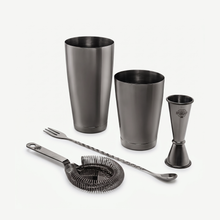
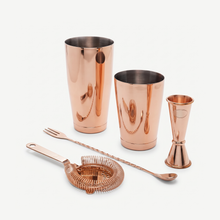
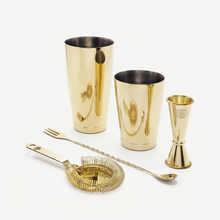
For Negroamaro, besides the glass, you mainly need a corkscrew and a decanter to give a young bottle half an hour to breathe. The bar tools below come in handy when you mix a glass of red: a bar spoon for stirring and a citrus juicer for the juice. These are the bar tools we use ourselves; you can find everything in our bar tools & cocktail sets.


Glass set (our choice 01) + 2 bar tools together € 72,85.
What should you pour alongside it?
Negroamaro takes center stage with the main course, but the rest of the table calls for something else. These are the wines that pair well with it, from rosé made from the same grape to a glass of crémant beforehand. Each drinks page tells you the alcohol percentage, what it tastes like, which cocktails pair with it, and what glass you need.


Variations & twists
Salice Salentino is the best-known name, usually made from Negroamaro and often with a little Malvasia Nera, which adds some softness and aroma. Then there’s rosato: in Puglia, rosé made from Negroamaro is an old tradition, not a passing trend, and these wines are deeper in color and bolder in flavor than a light Provençal rosé. And if you want to taste the differences within the region, put a bottle next to a Primitivo: the same sun, a very different glass. Read more? Browse all drinks and brands.
Serving tip
Serve at 16 to 18 degrees and let a young bottle breathe for half an hour. Negroamaro goes well with grilled lamb, orecchiette with sausage and bitter greens, baked eggplant, and hard sheep’s cheese. The bitter finish and earthy note call for food with a little edge of its own; with something sweet or mild, it will overpower the dish.
Good to know
What the name means
The most common explanation is that negroamaro says the same thing twice: negro means black and amaro means bitter, the two things that stand out in this wine. You can see it in the color, which is almost opaque, and taste it in the finish, which ends dry and slightly bitter. There are other explanations for the name, but this is the accepted one.
The difference from Primitivo
That’s the gist. Primitivo is round, ripe, and soft, with plum and black cherry and a touch of sweetness from its high ripeness. Negroamaro is fuller-bodied and drier, with more acidity, more spice, and a bitter finish. They come from the same area and are often side by side on the shelf, but they bring very different things to the table. Many wines from Puglia are blends of the two, by the way.
Salice Salentino
Salice Salentino is the best-known designation for this grape, named after the town of the same name in Salento. The red wines are based on Negroamaro, often blended with Malvasia Nera, which adds a little aroma and softness. If the label says only Salento or Puglia, the wine is usually more straightforward and lighter in style.
Negroamaro rosato
In Puglia, rosé made from Negroamaro is a tradition. The grapes spend a short time on the skins, just long enough to take on color, resulting in a rosé that’s deeper in color and fuller in flavor than a pale Provençal rosé: red fruit, a spicy note, and the same dry finish. Drink it cooler than the red version, at 8 to 10 degrees.
How much alcohol it contains
Negroamaro is usually around 13 to 14 percent alcohol, slightly lower than a full-bodied Primitivo from the same area. That’s because it retains its acidity better and is harvested less for sheer ripeness. The exact percentage is on the label.
Frequently asked questions
What does the name negroamaro mean?
The common explanation is that the name says the same thing twice: negro means black and amaro means bitter. That fits the wine, which is almost opaque and very dark, and finishes dry and slightly bitter. Other explanations are in circulation, but this is the one most often cited.
What is the difference between Negroamaro and Primitivo?
They both come from Puglia, but taste very different. Primitivo is round and ripe, with plum, black cherry and a touch of sweetness from the high ripeness, and has little tannin for its weight. Negroamaro is leaner and drier, with more acidity, bay leaf, tobacco and an earthy note, finishing bitter. Many bottles from the region are blends of both grapes.
Where does Negroamaro come from?
From Puglia, in southeastern Italy, and particularly from the Salento area within the region. The best-known designation is Salice Salentino, named after the town of Salice Salentino. You’ll also see Salento and Puglia listed as the origin on the label.
At what temperature and in what glass should you serve Negroamaro?
Serve at 16 to 18 degrees in a tall, tapered glass of 60 cl or more. That’s cooler than room temperature, so put the bottle in the refrigerator an hour before serving. The rosato made from the same grape is served cooler, at 8 to 10 degrees.
Also delicious
Everything for your bar,
to one address
Hospitality-grade glasses, sold in sets. Order today, delivered quickly.
Shop glasses →