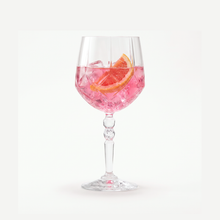
Bormioli Rocco Uno Inalto Wine Glass 47 Cl - 6 Pieces

Spiegelau Definition Wine Glass 55 Cl - 6 Pieces

Lehmann Grand Blanc Wine Glass 54 Cl - 6 Pieces
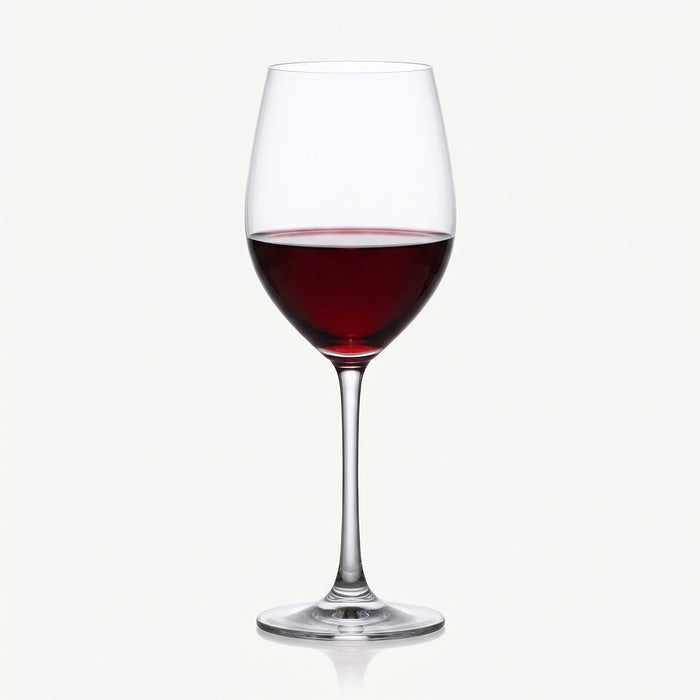
Spiegelau Vino Grande Wine Glass 42 cl - 2 Pieces

How to pour
a Barolo in
Bring the bottle to 16 to 18 degrees. A heated room is usually too warm, so put it in a cool place for half an hour or briefly in the fridge. Above twenty degrees, the alcohol takes over and the aroma you’re after disappears.
Cut around the capsule below the ridge on the neck and wipe the rim clean. An older Barolo often has a long cork that has become brittle, so place the corkscrew straight in the center, twist it in far enough, and pull it out in one smooth motion.
Pour the wine into a decanter. A young Barolo needs a good two hours for the tannins to soften and the aromas to open up. For an old bottle, do the opposite: carefully decant it shortly before the meal, leave the sediment in the bottle, and don’t give it much time.
Pour until the glass is about one-third full. In a 65 cl glass or larger, that’s still a generous pour, and the empty space above captures the aroma. Swirl gently, smell, and only pour more when the glass is empty; that way, the wine stays at the right temperature.
What did you think of this explanation?
Just click a star to rate. If you’d like to add a comment, we’ll review it before it appears here.
Save this page
Send this page to your own email so you have the information handy when it’s time to pour. You’ll also get a €5 discount code for purchases over €50, to use on the matching glasses.
The story
Barolo comes from the Langhe, the hills south of Alba in Piedmont. The region covers eleven municipalities, including Barolo itself, La Morra, Serralunga d'Alba, Castiglione Falletto, Monforte d'Alba and Verduno. Only one grape variety is allowed: Nebbiolo. The regulations require the wine to age for a set period in oak and then in the bottle, so no young wine reaches the market; a riserva must age even longer. You’ll often hear it called the wine of kings. That’s a nickname, not an official designation.
The right glass
Barolo needs room. A generous Burgundy bowl of 65 cl or more gives the wine plenty of surface area to breathe, while the inward-curving rim holds in aromas of rose, tar and cherry. A narrow bowl suppresses those same aromas, leaving only the tannins. Below are two generously sized models; you’ll find the rest among our red wine glasses. For decanters, see our decanters.

Luigi Bormioli Talismano Burgundy Wine Glass 75 cl (set of 4)

Schott Zwiesel Classico Burgundy Glass 81.4 cl (set of 6)
Both sets together € 87,90.
The right tools
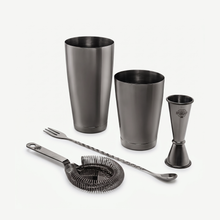
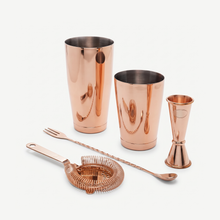
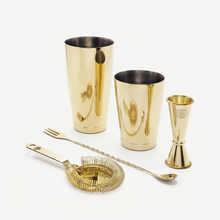
For a Barolo, besides the glass, you mainly need a corkscrew with a long spiral, a decanter for decanting, and, if you’re in a hurry, an aerator. The bar tools below only come in handy when wine is going into a cocktail: a jigger for measuring and a zester for a citrus twist. These are the bar tools we use ourselves; you’ll find everything in our bar tools & cocktail sets.


Glassware set (our pick 01) + 2 bar tools together € 68,85.
What to pour alongside it?
Barolo usually appears at the table with the main course, with other drinks served before and after it. These are the wines served alongside it during a long meal, from a glass of crémant beforehand to moscato with dessert. Each drink page tells you the alcohol percentage, what it tastes like, which cocktails go with it and what glass you need.


Variations & twists
Styles vary widely across these eleven municipalities. Around La Morra and Verduno, the soil is sandier and more limestone-rich, and the wines are lighter, more aromatic and ready to drink sooner. Around Serralunga d'Alba and Monforte d'Alba, the soil is denser, producing wines that are fuller-bodied and slower to mature. On top of that, labels feature MGA names: officially designated vineyard names such as Cannubi or Brunate, which show which plot the grapes come from. A riserva is the same wine with a longer required aging period. Want to read more? Browse all drinks and brands.
Serving tip
Serve Barolo at 16 to 18 degrees and let it breathe well in advance. At the table, it calls for hearty food: white truffle over a simple pasta or risotto, roasted or braised game, and aged hard cheese with a little crystalization. Fat and umami tame the tannins, while lean or sweet food brings them out.
Good to know
Eleven municipalities, one grape
Barolo is a defined area in the Langhe and may only be made from Nebbiolo grapes. Eleven municipalities fall wholly or partly within it, with Barolo, La Morra, Serralunga d'Alba, Castiglione Falletto, Monforte d'Alba and Verduno the names you'll most often see on the label. Blends of different grapes, as is common in many other regions, aren't made here.
Required aging and the riserva
The regulations require Barolo to age for a set period after harvest before it can be sold, part of which must be in wood and the rest in the bottle. A riserva has a longer mandatory aging period and therefore comes onto the market later. What the regulations do not specify is the type of cask: one producer uses large, traditional casks, another small barriques, and you can hear the difference in the glass.
La Morra versus Serralunga
The area's two extremes lie on opposite sides of the valley. In the west, around La Morra and Verduno, the soil is sandier and richer in limestone; the wines are lighter-bodied, aromatic, and approachable sooner. In the east, around Serralunga d'Alba and Monforte d'Alba, the soil is more compact and poorer, and the wines are tighter, firmer, and slower to evolve. The same grape variety, a different rhythm.
What those vineyard names on the label mean
Alongside the municipality, many bottles list an MGA, an officially designated vineyard name. Names such as Cannubi or Brunate refer to defined plots within the area, each with its own location, elevation, and soil. They say where the grapes come from, not what quality level the wine has, as with a French cru. If no name is listed, the wine comes from several plots.
The nickname wine of kings
You often read and hear that Barolo is the wine of kings and the king of wines. This is a nickname that has been around for generations, not an official or legal designation. It says something about the area's reputation and the price of the most famous bottles, and nothing about exactly what is in the bottle.
How much alcohol it contains and how long it lasts
Barolo is roughly 13.5 to 15 percent alcohol; the percentage is stated on the label. When young, it is usually tannic and closed aromatically, and many bottles need years before that changes. After that, they can last a long time. An opened bottle will keep for another two to three days with a stopper in the fridge; take it out of the cold half an hour before serving.
Frequently asked questions
Which grape is Barolo made from?
Nebbiolo, and nothing else. Barolo is a defined area of eleven municipalities around the village of Barolo in the Langhe, in Piedmont, where only that one grape is permitted. Its pale color, firm tannins, and aromas of rose and tar all come from nebbiolo.
Why is Barolo called the wine of kings?
That is a nickname that has long been attached to the area, alongside its counterpart, king of wines. It is not an official designation and does not appear in the regulations. The nickname says something about the reputation and price of the most famous bottles, not about what is in any given bottle.
What's the difference between La Morra and Serralunga?
That's the difference between the two sides of the valley. Around La Morra and Verduno, the soil is sandier and richer in limestone, producing lighter, more aromatic wines that are ready to drink sooner. Around Serralunga d'Alba and Monforte d'Alba, the soil is more compact, producing wines that are fuller-bodied and take longer to mature. It comes down to location and soil, not quality.
At what temperature and in which glass should you serve Barolo?
Serve at 16 to 18 degrees in a large Burgundy glass of 65 cl or more, with a rounded bowl and a rim that tapers inward. Decant a young bottle for about two hours and pour to one-third full, leaving room above for the aromas to develop.
Buy Barolo
Want the bottle delivered straight to your door? Order Barolo online from Gall & Gall. Gall & Gall has 30 options, one of which is on sale.
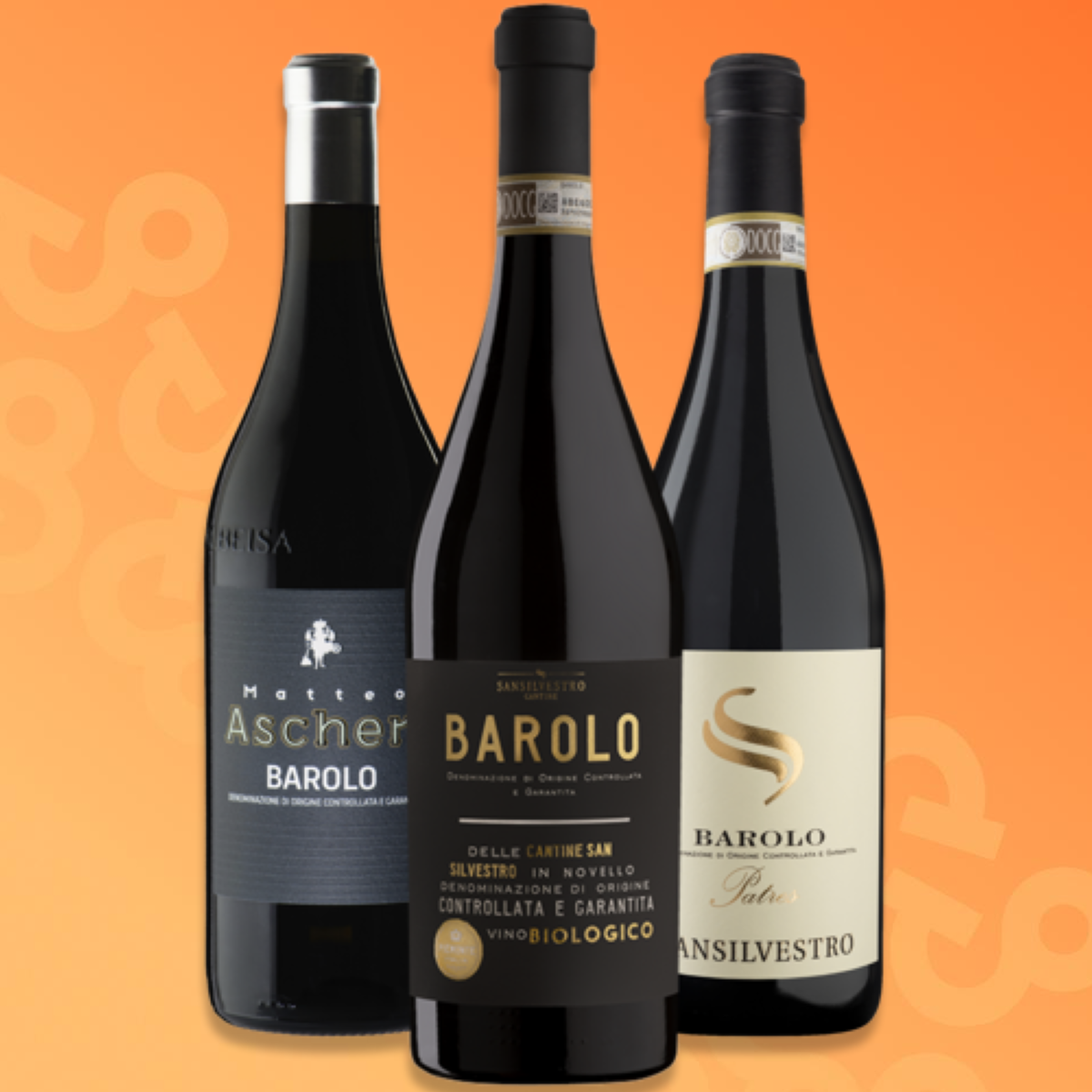
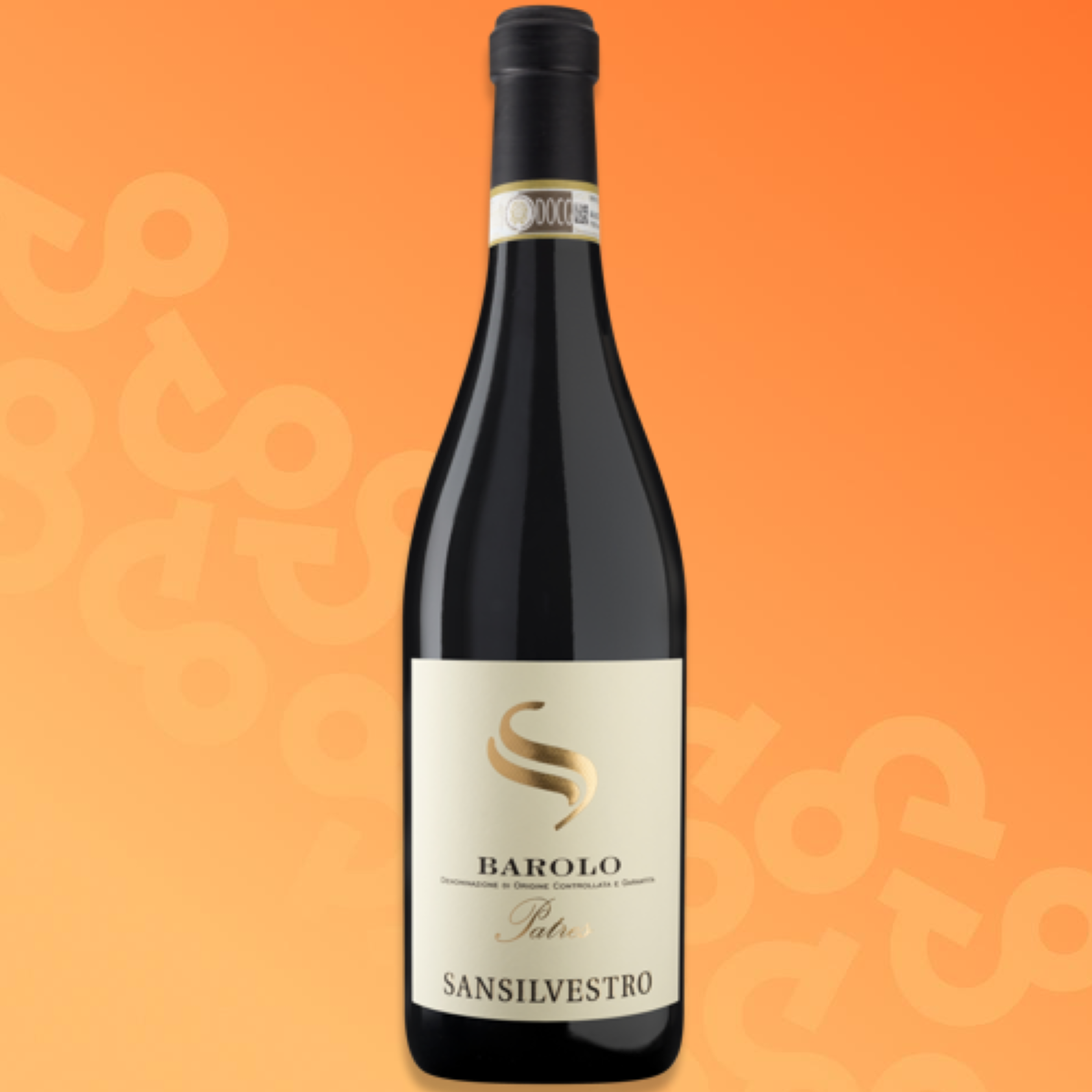
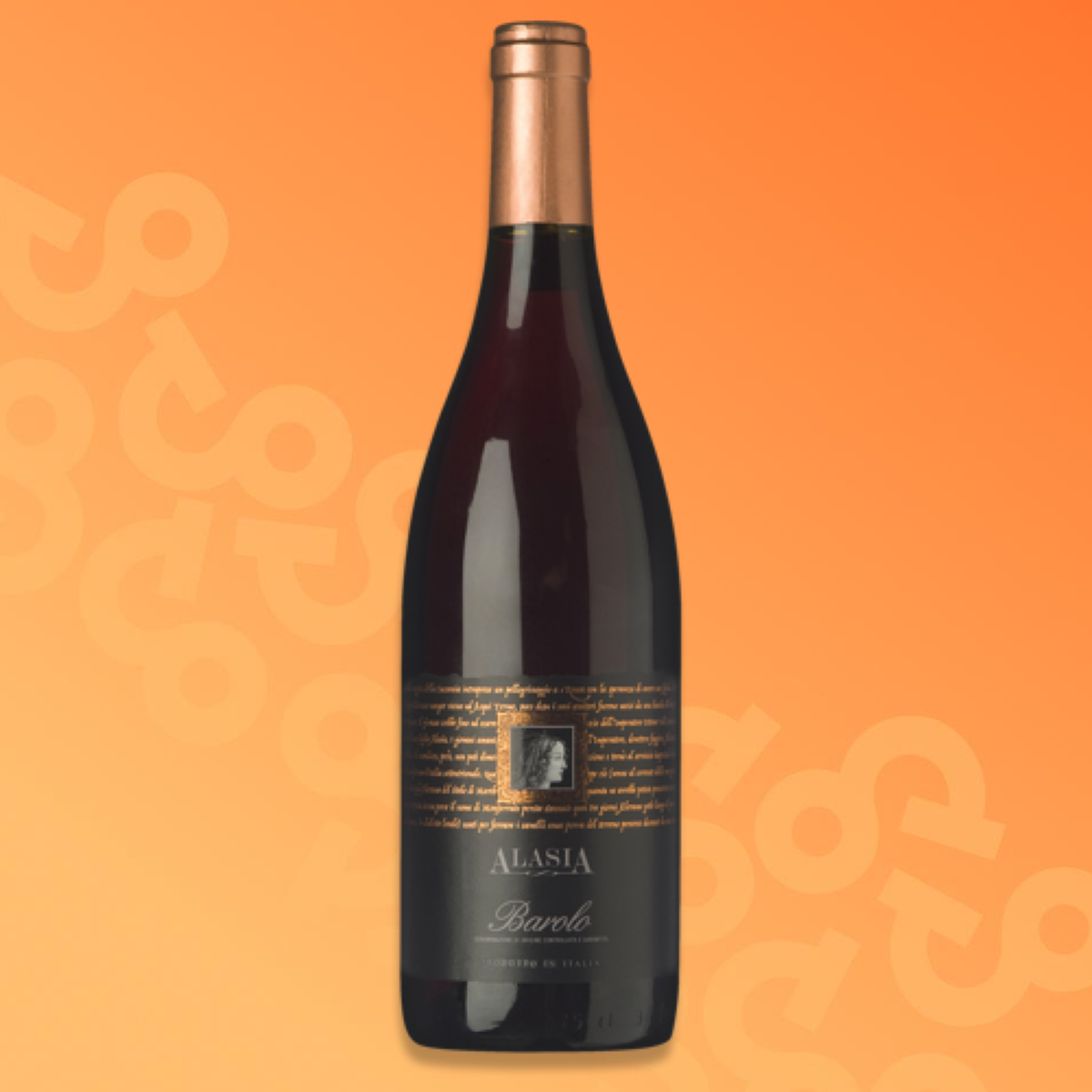
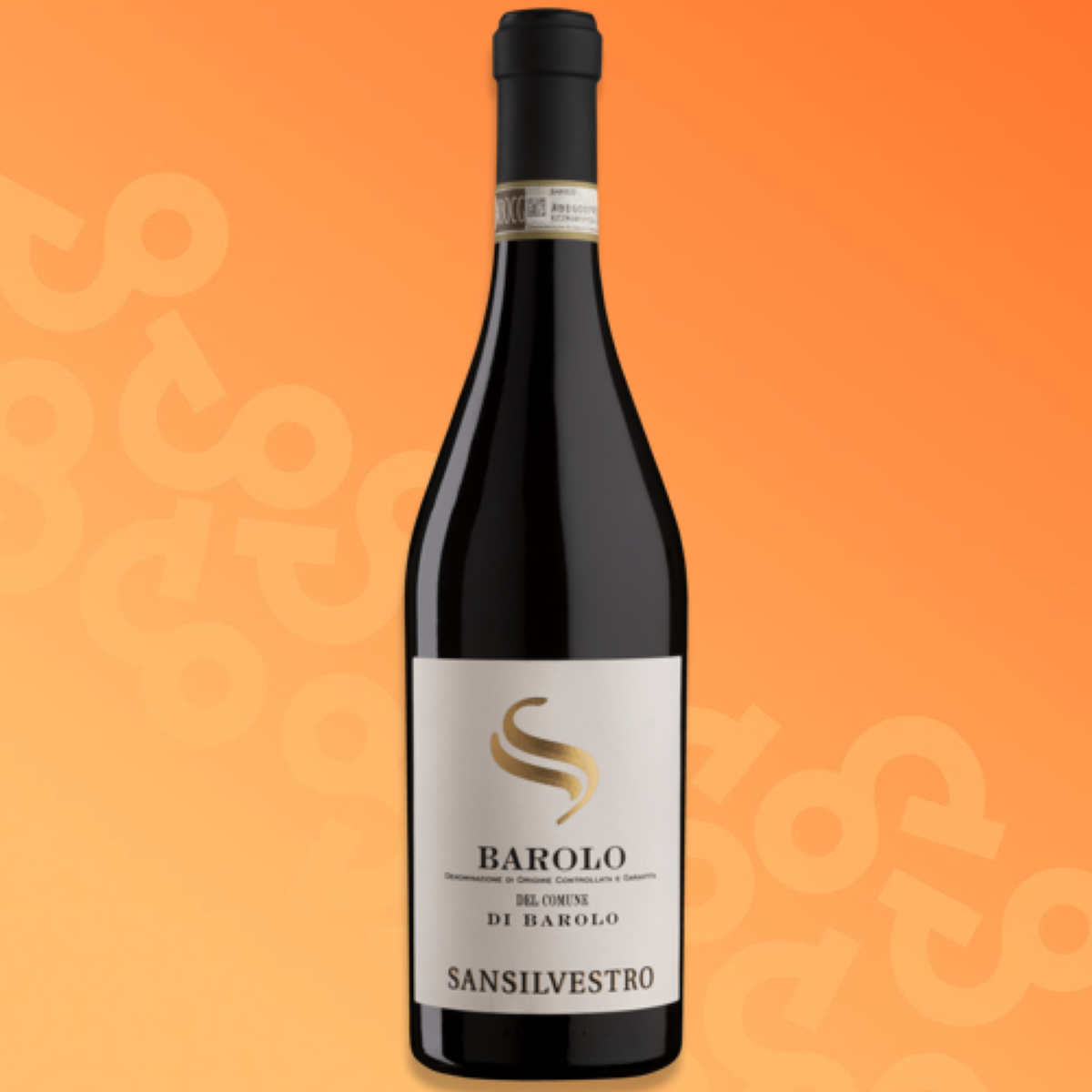
Prices as of November 19, 2026, as listed by Gall & Gall. You can find the current price and stock at Gall & Gall. Glazen.nl receives a small commission if you buy something through these links; it won't cost you anything extra. No alcohol if you're under 18.
Everything for your bar,
to one address
Hospitality-quality glasses, sold in sets. Order today, delivered quickly.
Shop for glasses →