

Dom Pérignon
The house makes only vintage Champagne, and only in years good enough to merit it. Where that rule comes from, what plénitude means, and which glass to use.


Named after the monk who shaped the method
In 1668, Dom Pierre Pérignon took over as cellar master at the abbey of Hautvillers, south of Reims, and held the position for forty-seven years. He saw it as his personal mission to make the best wine in the world. His innovations, gentle pressing in stages to make white wine from dark grapes, and blending different crus and grape varieties, became the rules of the méthode champenoise. He lived from 1638 to 1715; the Champagne we know today began with him.
The house that bears his name follows one strict rule: it makes only vintage Champagne, and only in years exceptional enough to merit it. So a new Dom Pérignon does not come onto the market every year, and no two vintages taste the same. The wine also makes leaps in quality as it ages in the cellar, which the house calls plénitudes. The first is reached only after about eight years, when power and finesse come into balance. The cuvée always revolves around the tension between Chardonnay and pinot noir.
In brief
Five bottles, five vintages
Since they only make vintage champagne, every bottle is different from the last. So the vintage on the shelf also changes.
Blanc Vintage 2017
The entry point to the house, and vintage champagne right from the start. The 2017 blend is half Chardonnay and half Pinot Noir.

Blanc P2 2008
White flowers, citrus and stone fruit with anise and crushed mint, followed by spicy, woody and toasted notes.

Rosé Vintage 2009
Copper-red with the tiniest bubbles. Dark spices and cocoa quickly give way to toasted fig and apricot.

Rosé 2010
Full-bodied, silky and elegant, with red fruit, floral notes and a powerful, lingering finish.

Blanc Vintage magnum
The same champagne in a one-and-a-half-liter magnum, vintage 2013. Enough for ten to fifteen glasses.
On our champagne page, we explain what vintage champagne is and how brut, extra brut and demi-sec differ.
White flowers, citrus and toasted notes
Flowers & citrus
A complex, bright nose of white flowers, citrus and stone fruit, enhanced by anise and crushed mint. Behind that come spicy, woody and toasted notes.
Lean and pure
Lean, minimalist and pure, yet warm. Its characteristic acidity is remarkably well integrated, as you’d expect after years of aging.
Smoky and long
Persistent and aromatic, with a gray, smoky note. That’s when you realize this wine wasn’t made for quick drinking.
Flavor profile of Blanc Vintage. The rosés are fuller and fruitier; P2 is a little toastier from longer aging.
How to drink Dom Pérignon
These bottles need little: chill to 8 to 10 degrees, open gently, and use a glass that gives the aromas room.
Neat, in a tulip glass
Turn the bottle, not the cork; pour down the side of a tilted glass and fill it about two-thirds full. A tulip glass works better here than a narrow flute: the aromas are what make this champagne so interesting.
Glass: tulip glass →With food
The house recommends pairing it with acidic fruits and plants: citrus, green tomatoes, sorrel, or rhubarb. Caviar and lobster are suggested with Blanc Vintage, and shellfish with P2.
More about champagne →Not in a cocktail
For a Kir Royale, Mimosa, or French 75, use a simpler sparkling wine. It bubbles just as nicely, and the liqueur or juice will overpower exactly what you're paying for here anyway.
Browse cocktails →Champagne cocktails
Drink Dom Pérignon neat. If you do want a champagne cocktail, use a regular brut or even prosecco: it bubbles just as nicely in the glass.

Kir Royale
Crème de cassis at the bottom, topped up with a dry sparkling wine.
Champagne Cocktail
A sugar cube with bitters at the bottom, then slowly topped up.
French 75
Shaken gin, lemon, and syrup, topped with champagne.
Mimosa
Equal parts orange juice and sparkling wine, with a splash of Cointreau.The right glass for Dom Pérignon
A spacious tulip-shaped bowl brings out the aromas best; a flute is especially handy when you want to toast. These are the glasses we recommend ourselves.


Everything else you wanted to know about Dom Pérignon
Didn't find your question? Check out our cocktail recipes or get in touch.
To the cocktail recipes →What percentage alcohol is in Dom Pérignon?
Why is there no Dom Pérignon without a vintage?
What does plénitude mean?
Which grapes are in it?
Which glass is best to use?
Can you use Dom Pérignon in a cocktail?
Buy Dom Pérignon
Want the bottle delivered straight to your home? Order Dom Pérignon online at Gall & Gall.
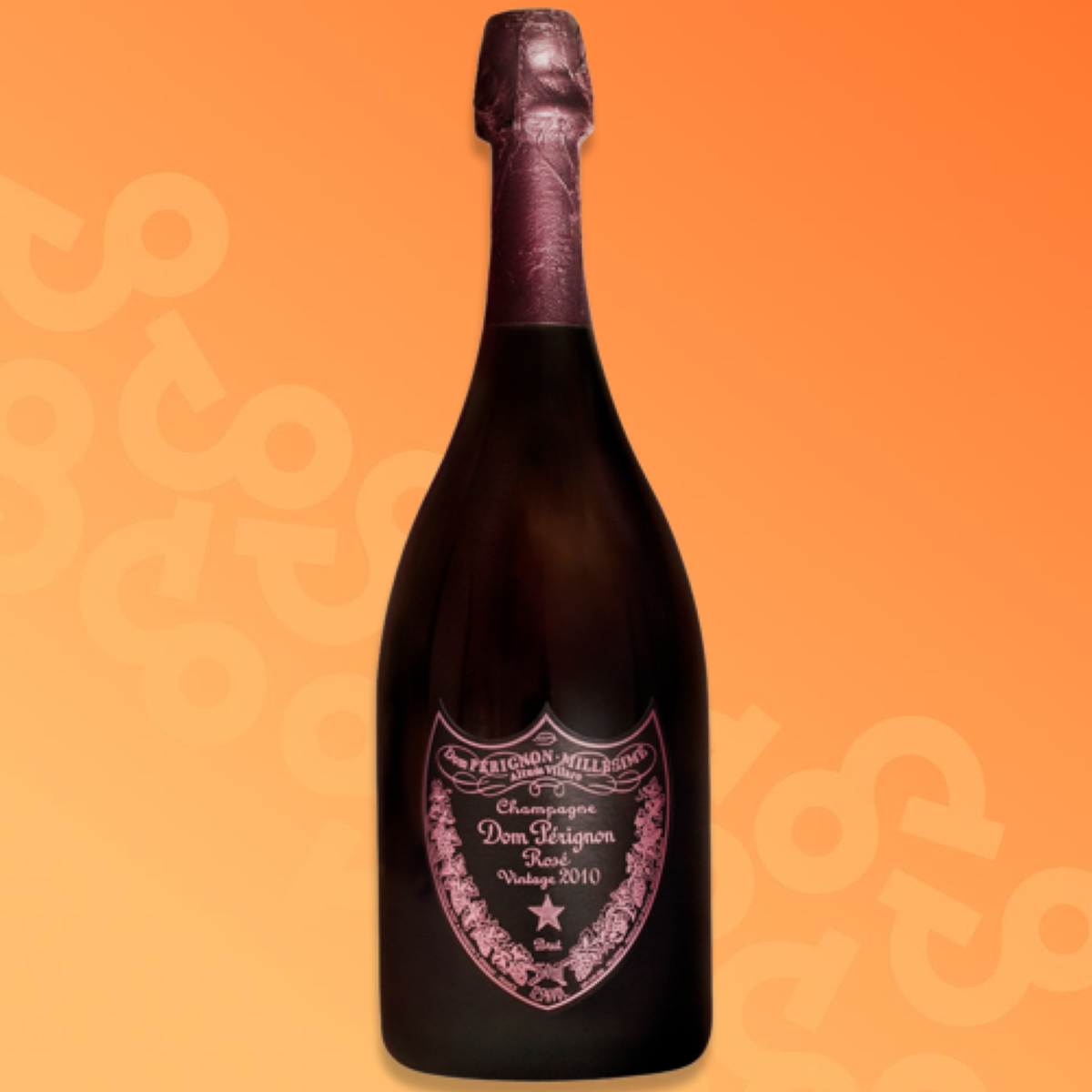
Dom Pérignon Rosé 2010
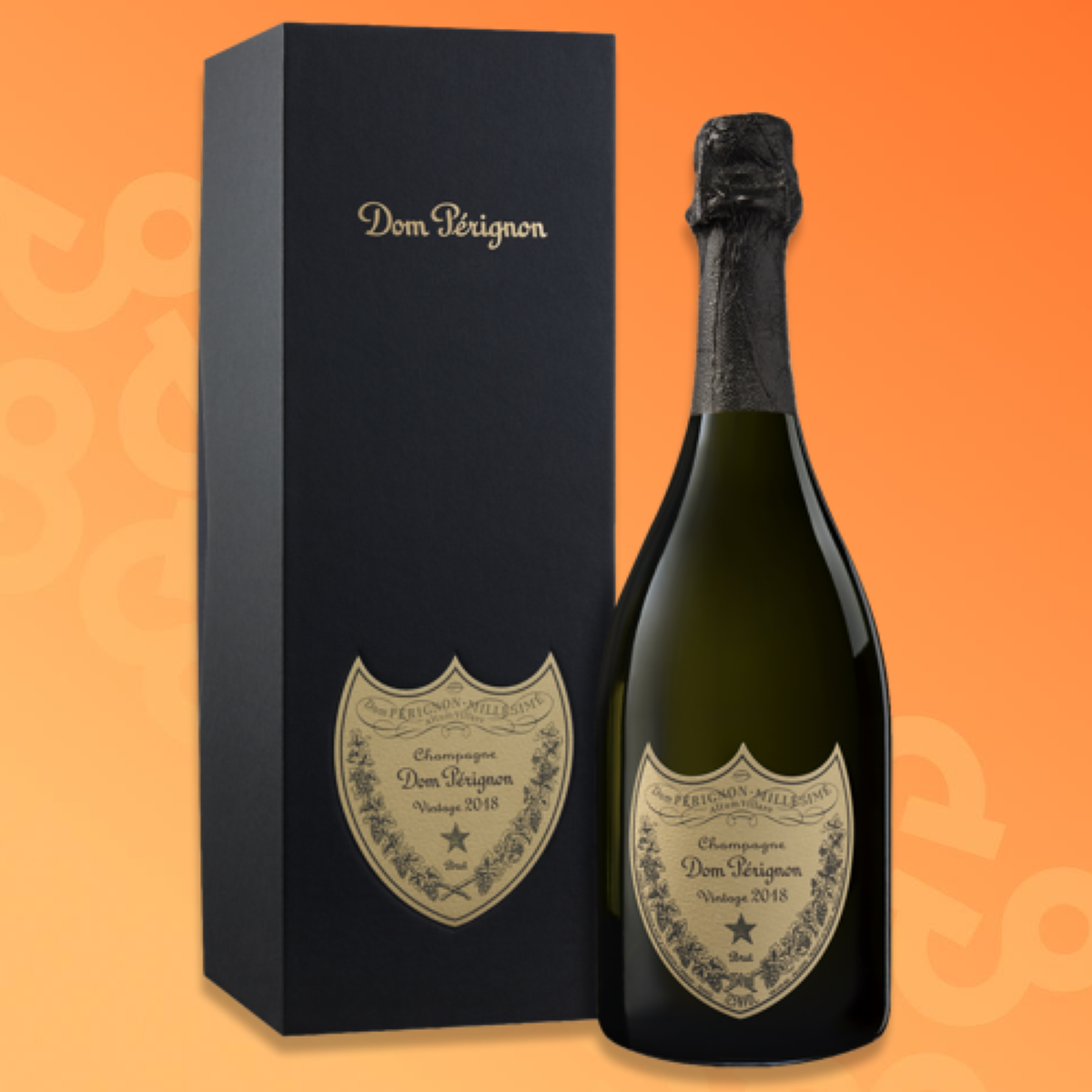
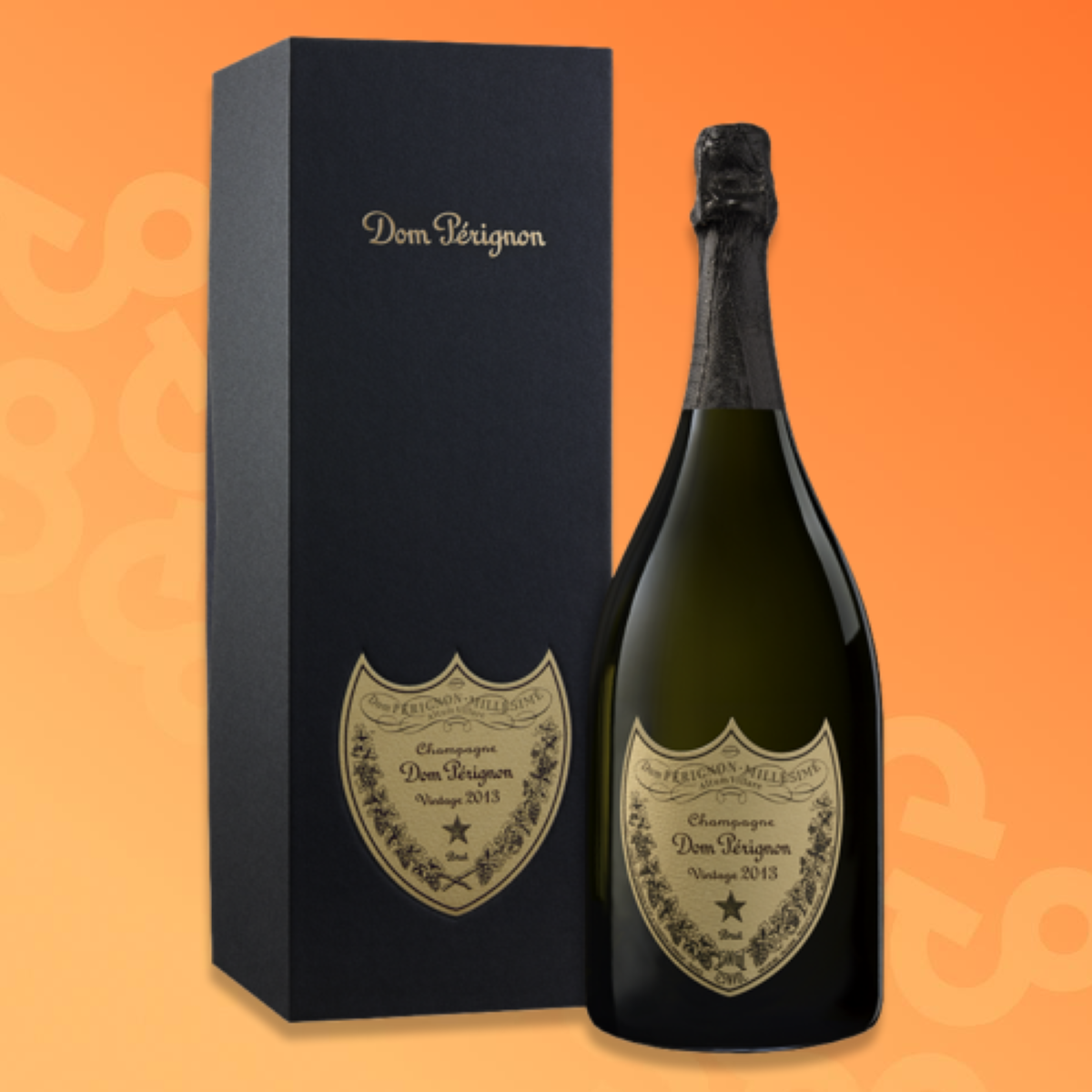
Dom Pérignon Blanc Vintage Magnum
Prices as of November 3, 2026, as provided by Gall & Gall. You can check the current price and availability at Gall & Gall. Glazen.nl receives a small commission if you buy something through these links; it costs you nothing extra. No 18, no alcohol.


