



Beer glasses
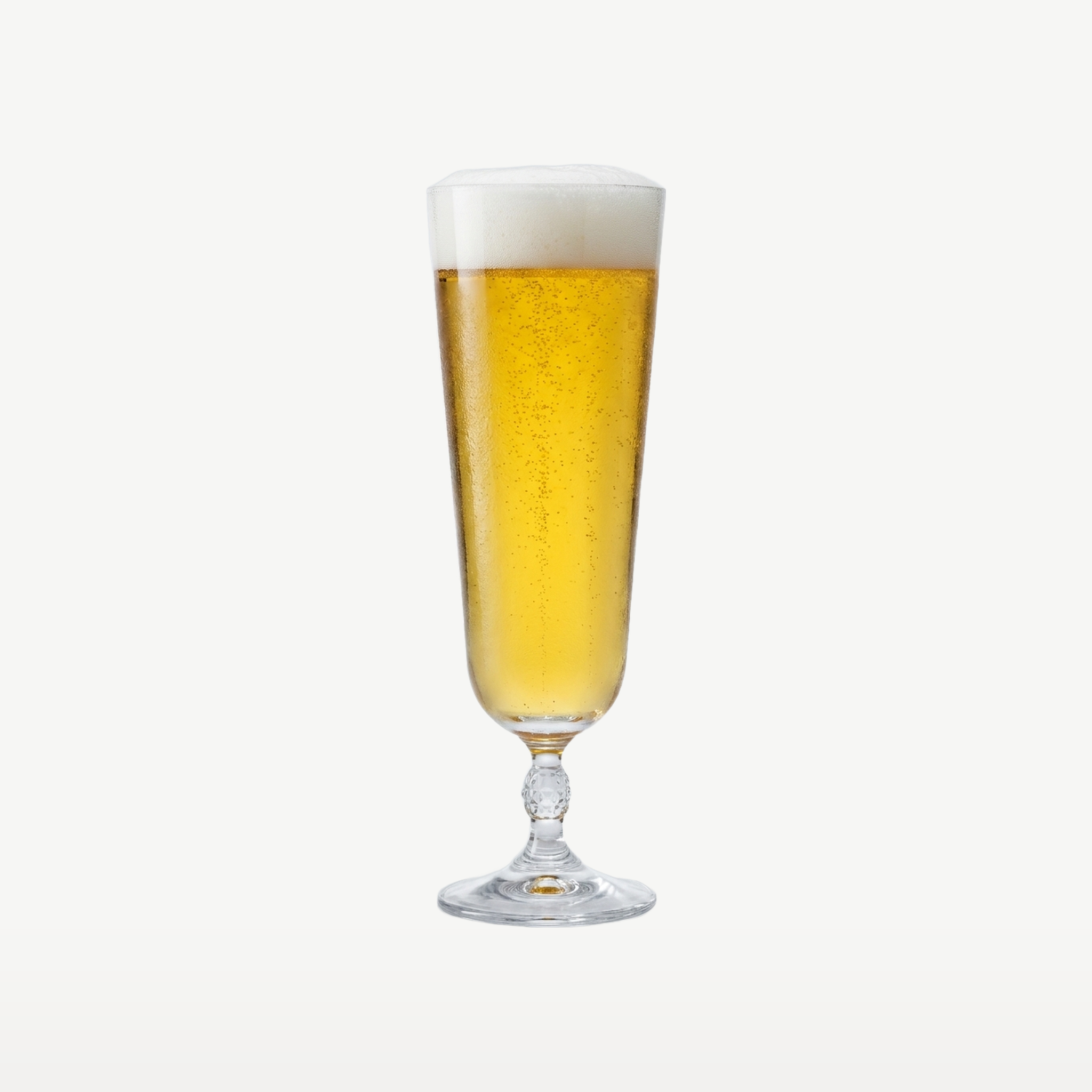
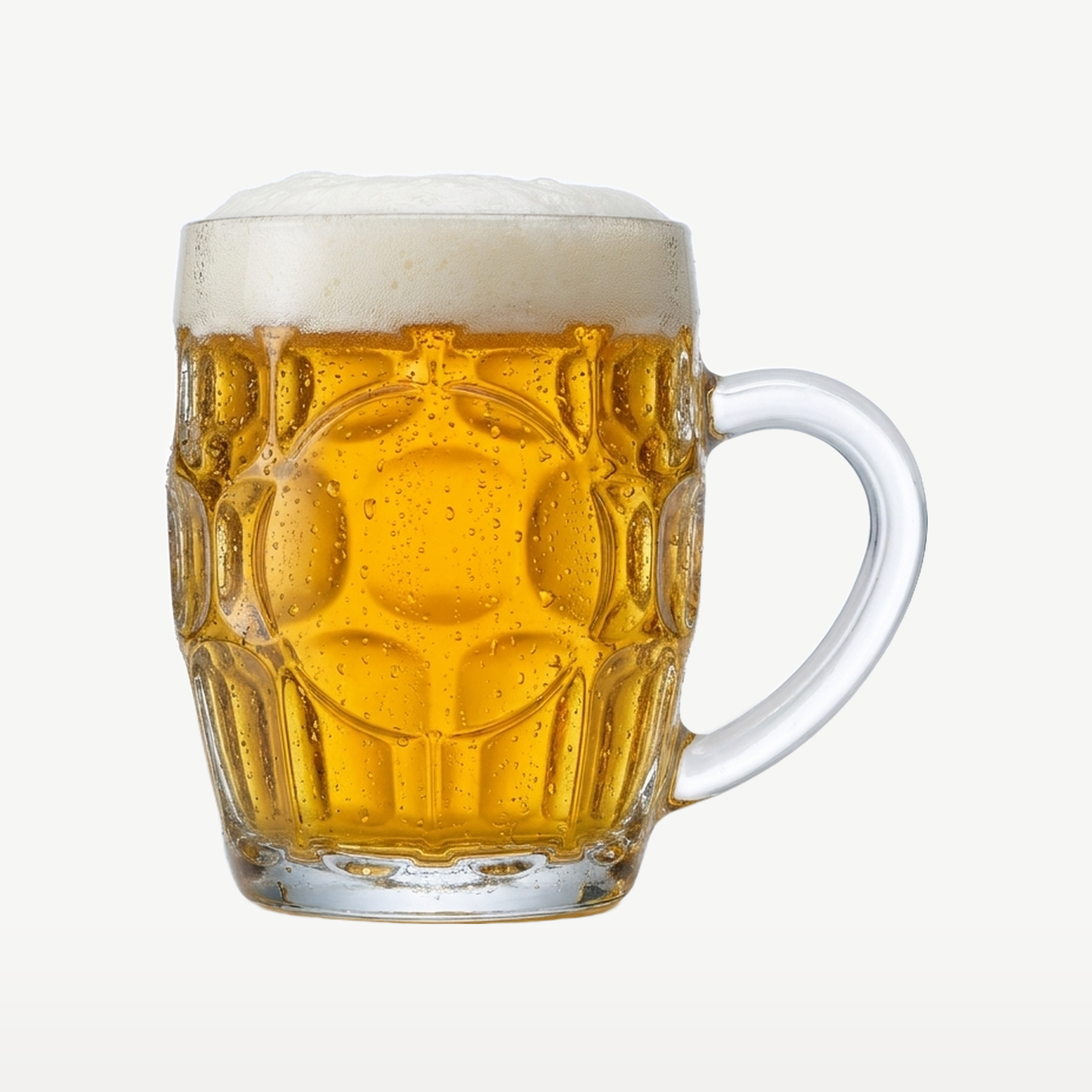
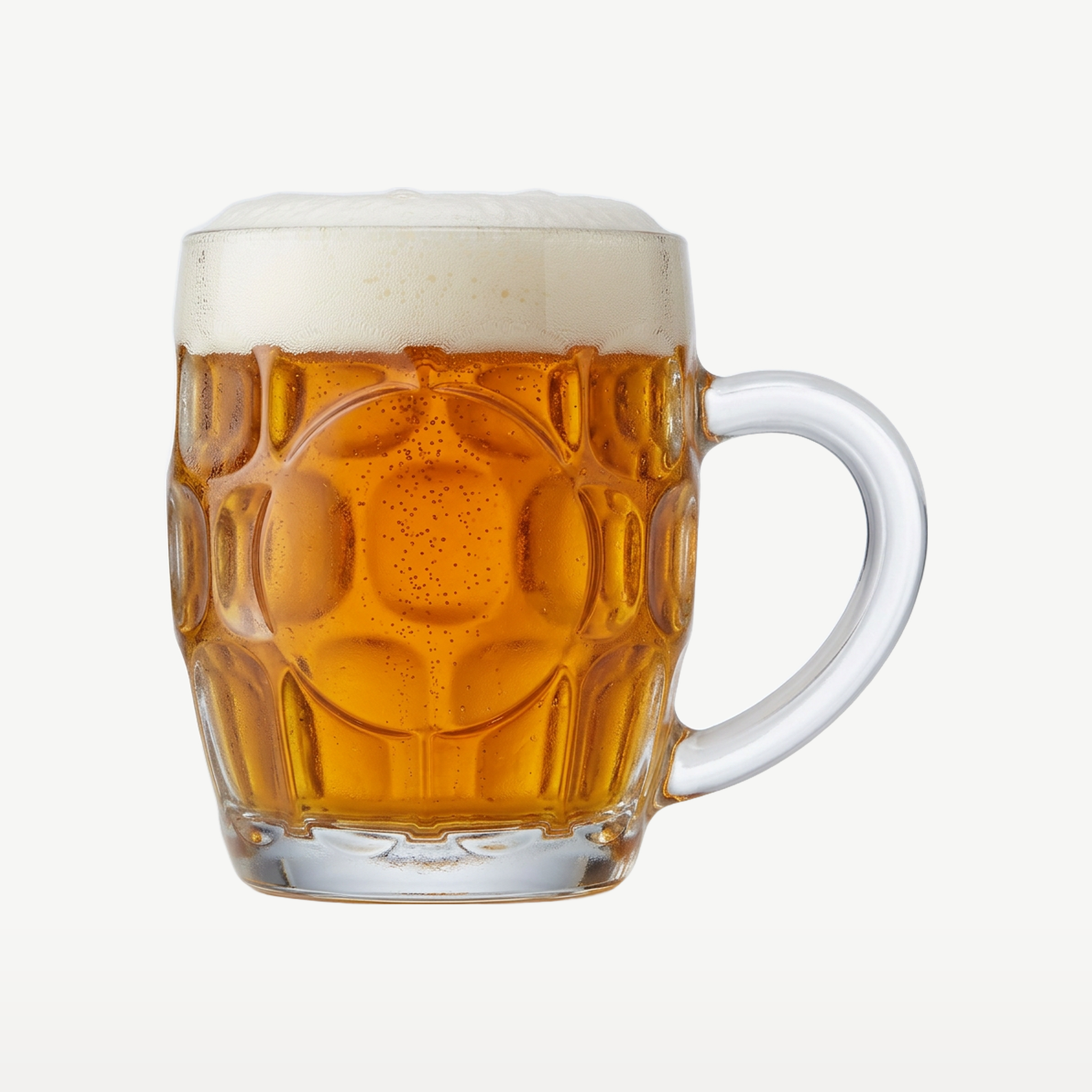
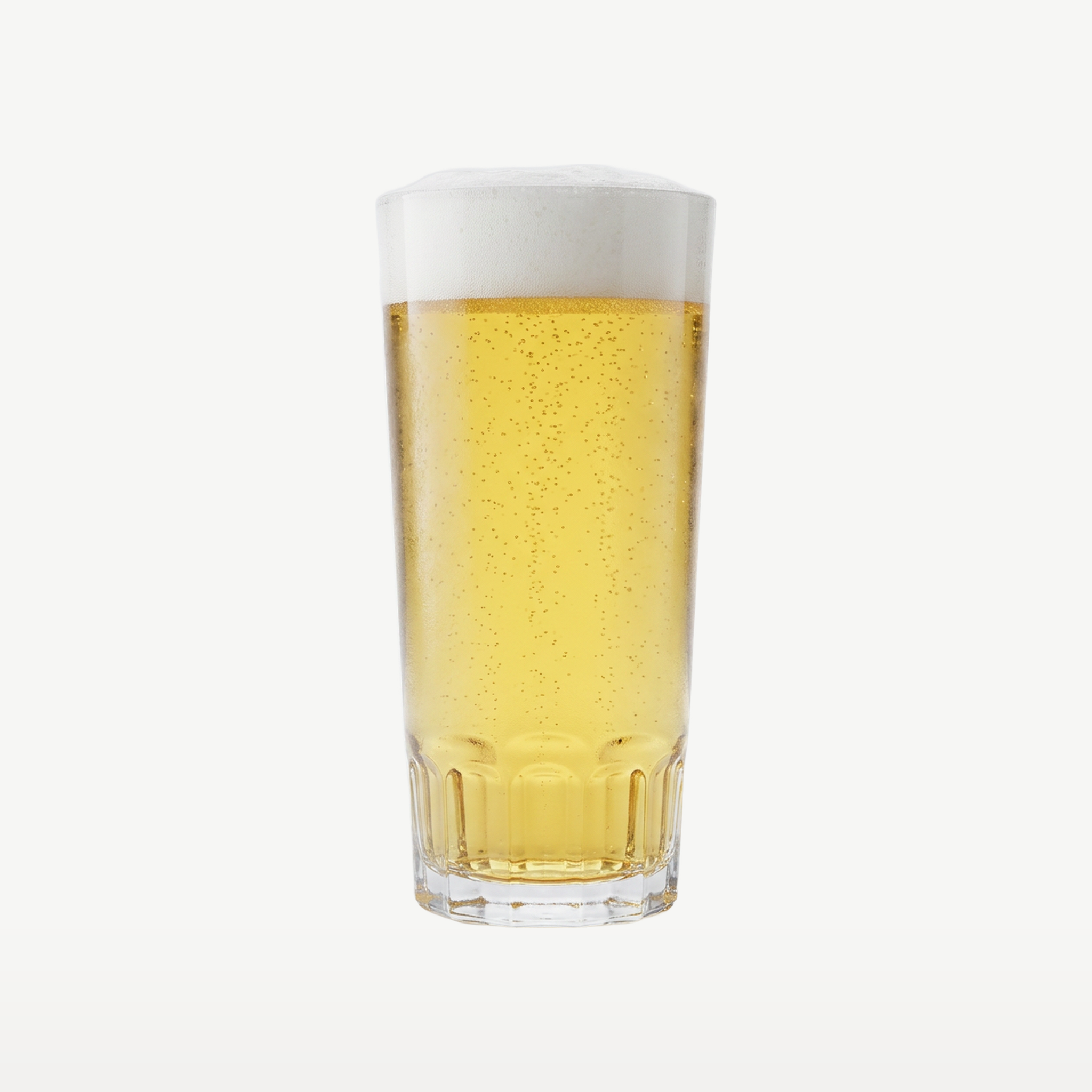
Pour the same beer into a small straight glass and a rounded goblet, and you taste two different beers. That is because of the head: it holds carbon dioxide and acts as a lid that the aromas must pass through. A slim, straight glass supports the head and keeps a pilsner fresh. A rounded goblet gives the yeast aromas of a Trappist beer room to develop and lets them rise toward your nose.
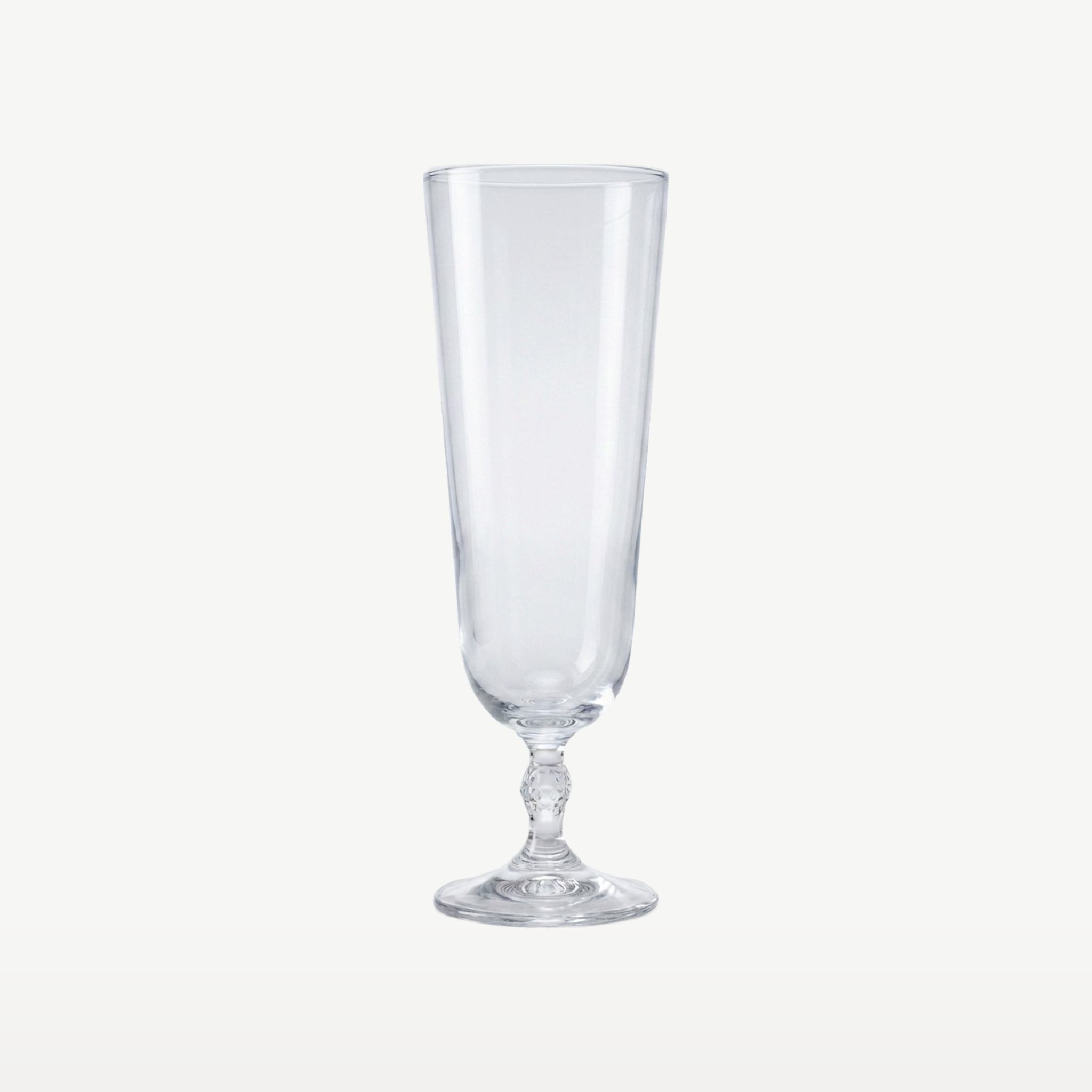
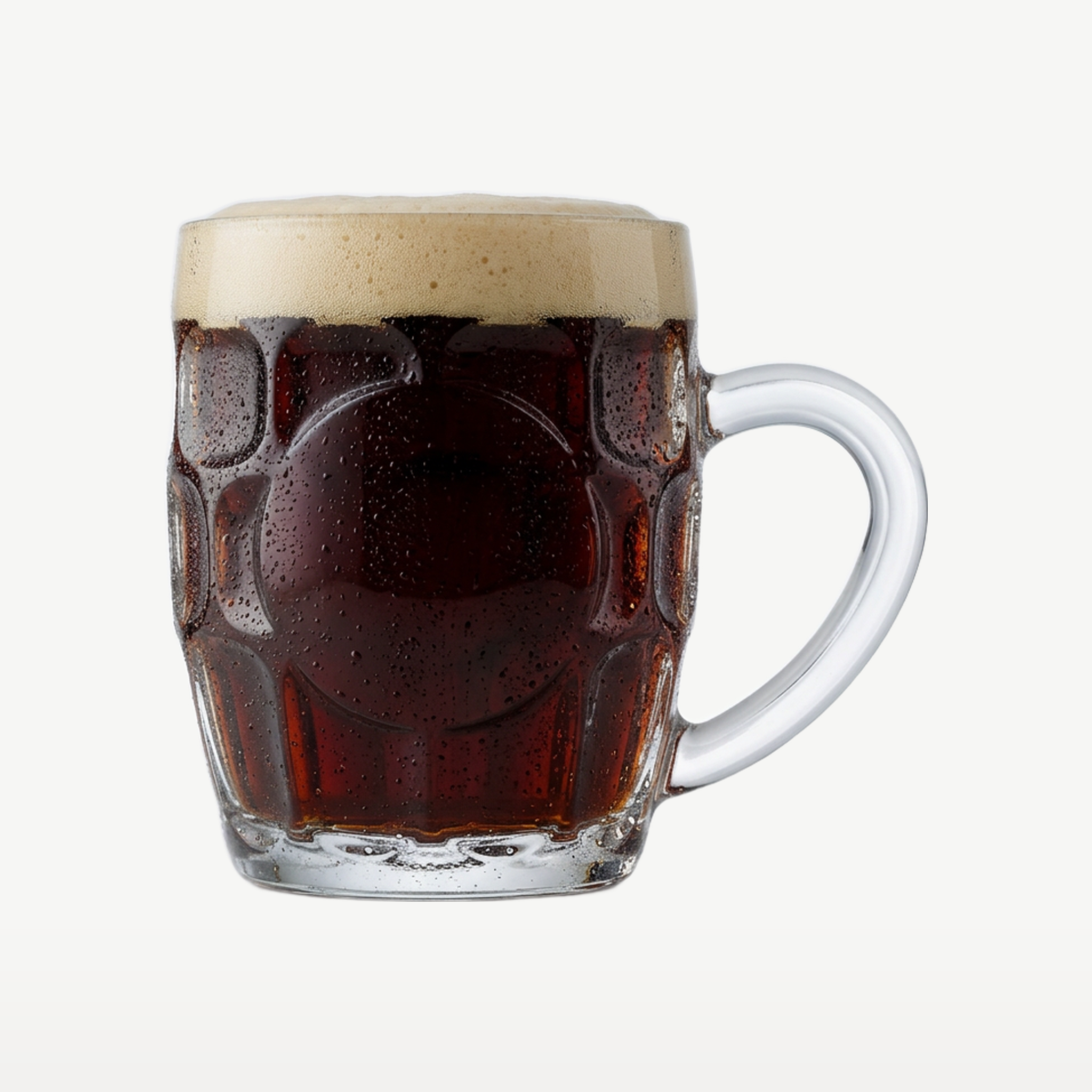
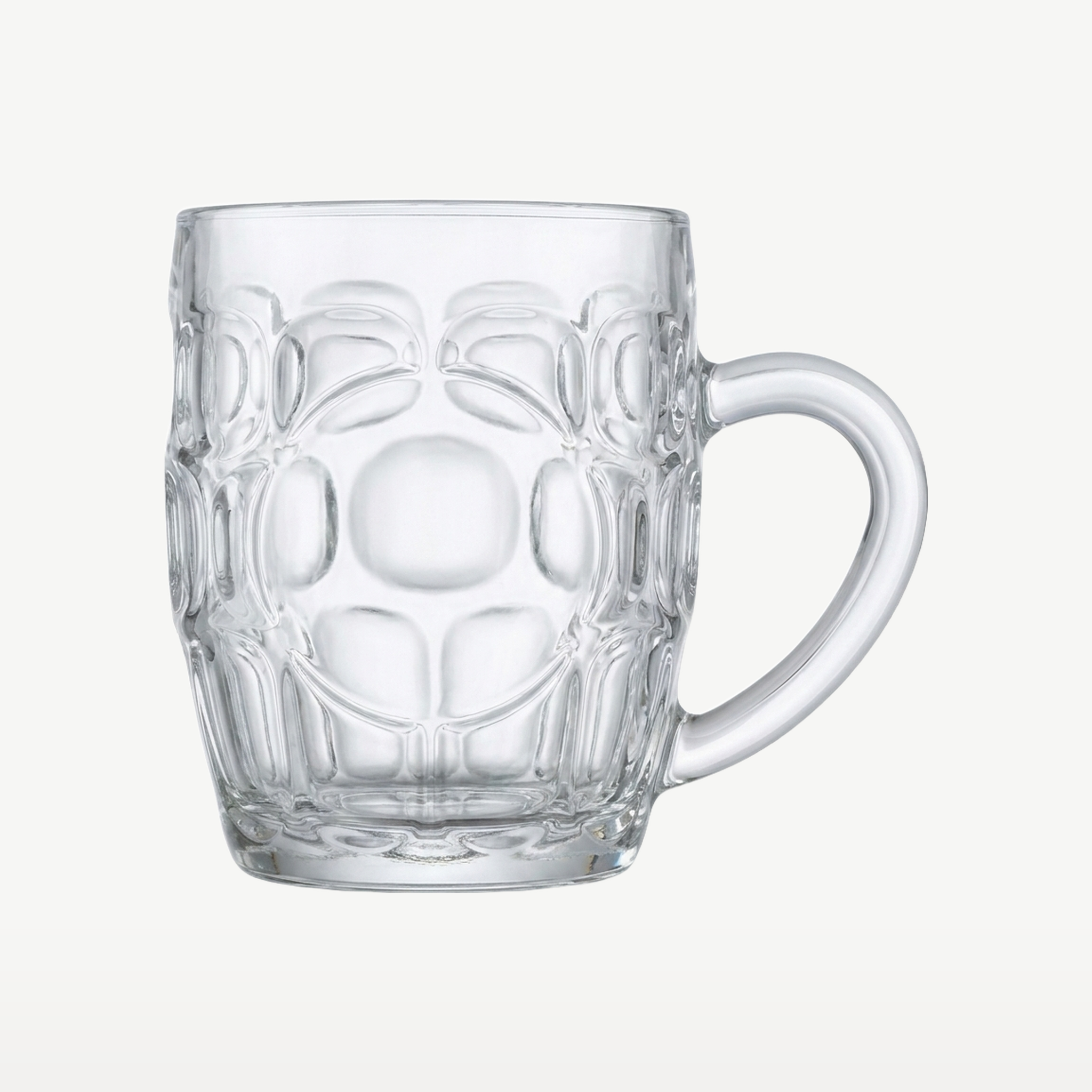
This page shows all the shapes side by side: 19 cl flute glasses, 25- to 34-cl small straight glasses, tulip-shaped glasses for specialty beer, stemmed tasting goblets, and original branded glasses from breweries such as Duvel, Orval, Westmalle, and Leffe. It also features the sturdy hospitality sizes from Bormioli Rocco and Mammoet, which come in packs of twelve.
Brewed for maximum enjoyment
The right glass for every beer
A good beer glass does more than just serve. Its shape, opening, and capacity determine how the head develops, how aromas are released, and how well the beer stays balanced from the first sip to the last drop. With the right glass, you can taste beer as it was meant to be enjoyed.


Filters
104 products


FAQ
What are beer glasses?
Beer glasses are glasses specially designed for serving beer. The shape of the glass influences the taste, head formation, and presentation. Your collection page also states that the right beer glass is an important part of the overall beer experience.
What types of beer glasses are there?
There are different types of beer glasses. Your page mainly mentions pilsner glasses and specialty beer glasses. Pilsner glasses are usually slimmer in shape, while specialty beer glasses are often goblet- or tulip-shaped.
What is the difference between a beer glass for lager and a specialty beer glass?
A beer glass for lager is usually designed to preserve freshness and carbonation. A specialty beer glass, on the other hand, provides more room for aroma and flavor. That is why a wider bowl or tulip shape is often chosen for specialty beers.
Why are craft beer glasses shaped differently?
Specialty beer glasses have different shapes because different beers have different aromas, foam formation, and drinking characteristics. The collection page states that wider bowls concentrate complex aromas more effectively, so the shape directly affects the beer-drinking experience.
What is a good wheat beer glass?
A good wheat beer glass provides enough room for foam and aroma. A wheat beer glass is often somewhat more generously shaped than a standard pilsner glass. The most important thing is that the glass suits the beer style and is comfortable to drink from.
Are beer glasses suitable as a gift?
Yes, beer glasses are a popular gift for beer lovers. Beautiful beer glasses, specialty beer glasses, or personalized beer glasses are especially nice to give for a birthday, housewarming, or holiday.
Can beer glasses also be used in the hospitality industry?
Yes, many beer glasses are suitable for professional use. Your page also shows that larger sets and stackable models are available, which is interesting for hospitality beer glasses and intensive daily use.
Are there also stackable beer glasses?
Yes, beer glasses can also be stackable. This is especially useful in the hospitality industry or when you want to store them efficiently at home.
What do people mean by “large beer glass” or “large glass of beer”?
By a large beer glass or large glass of beer, people usually mean a beer glass with a generous capacity, for example for specialty beer, wheat beer, or beer steins. Such glasses are useful for those who like to pour generously or are looking for a more striking glass.
What should you look for when buying beer glasses?
Pay attention to the type of beer, the shape of the glass, its capacity, and when it will be used. A slender beer glass often works well for pilsner, while a goblet or tulip-shaped glass is more suitable for specialty beers. When buying beer glasses, it is wise to consider both appearance and functionality.
The heavier the beer, the rounder the glass
Pouring, foam and temperature
Grease is the enemy of your head of foam
Looking further, beer style by beer style